Carbon Steel Elbow vs Stainless Steel Elbow for Oil & Gas: Which Performs Better
In the oil and gas industry, the choice of materials for piping systems is crucial for ensuring efficiency, safety, and longevity of operations. Two popular options for pipe fittings, particularly elbows, are carbon steel and stainless steel. Both materials have their unique properties and advantages, making the decision between carbon steel elbows and stainless steel elbows a critical one for engineers and project managers. This blog post aims to explore the performance characteristics of carbon steel elbows versus stainless steel elbows in oil and gas applications. We'll delve into the specific strengths and weaknesses of each material, considering factors such as corrosion resistance, durability, cost-effectiveness, and suitability for various environmental conditions. By examining these aspects, we'll provide insights to help industry professionals make informed decisions when selecting the most appropriate elbow material for their specific oil and gas projects.
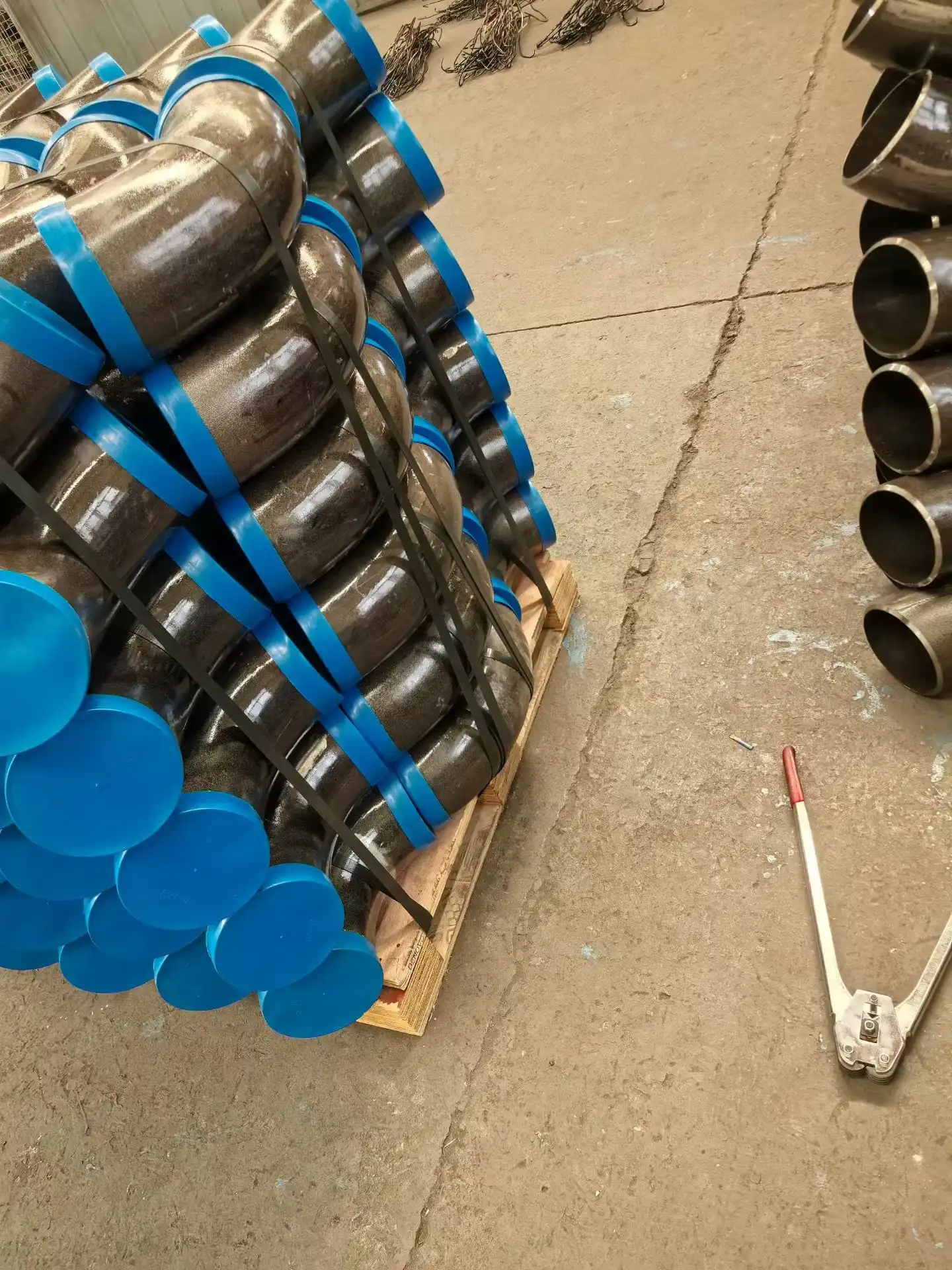
What are the key advantages of carbon steel elbows in oil and gas applications?
Strength and Durability
Carbon steel elbows are famous for their extraordinary quality and toughness in oil and gas applications. These fittings are competent of withstanding tall weights and temperatures, making them perfect for utilize in requesting situations. The carbon substance in the steel gives amazing mechanical properties, permitting carbon steel elbows to keep up their basic keenness indeed beneath serious stretch. In pipelines that transport unrefined oil or common gas, where the stream can be rough and the weights seriously, carbon steel elbows demonstrate their worth by standing up to wear and tear viably. Moreover, the inalienable sturdiness of carbon steel elbows makes them less vulnerable to harm amid establishment and support strategies, contributing to their in general life span in oil and gas systems.
Cost-Effectiveness
One of the most noteworthy points of interest of carbon steel elbows in the oil and gas division is their cost-effectiveness. Compared to their stainless steel partners, carbon steel elbows are significantly less costly to make and buy. This fetched advantage gets to be especially clear in large-scale ventures where various fittings are required. The lower starting speculation in carbon steel elbows permits companies to apportion assets to other basic regions of their operations. Besides, the far reaching accessibility of carbon steel and the well-established fabricating forms contribute to shorter lead times and more competitive estimating. For oil and gas companies working on tight budgets or looking to optimize their use, the utilize of carbon steel elbows can result in significant fetched reserve funds without compromising on execution in numerous applications.
Weldability and Fabrication
Carbon steel elbows offer amazing weldability and ease of manufacture, making them a favored choice in numerous oil and gas ventures. The material's composition permits for clear welding methods, which is pivotal in the development and support of complex channeling frameworks. Welders and fabricators discover carbon steel elbows simpler to work with, coming about in speedier establishment times and diminished labor costs. The capacity to promptly adjust or repair carbon steel elbows on-site is another critical advantage, particularly in inaccessible oil and gas offices where prompt substitutions may not be accessible. Moreover, carbon steel elbows can be effortlessly machined and shaped into different shapes and sizes, giving adaptability in plan and customization for particular extend prerequisites. This flexibility makes carbon steel elbows flexible components in the development of oil and gas framework, from refineries to seaward platforms.
How does the corrosion resistance of carbon steel elbows compare to stainless steel in oil and gas environments?
Chemical Composition and Corrosion Mechanisms
The erosion resistance of carbon steel elbows contrasts altogether from that of stainless steel due to their particular chemical compositions. Carbon steel elbows, basically composed of press and carbon, are more vulnerable to erosion in numerous oil and gas situations. In the nearness of dampness, oxygen, and destructive substances commonly found in oil and gas operations, carbon steel elbows can experience fast oxidation, driving to rust arrangement and fabric debasement. This powerlessness is especially articulated in situations with tall chloride substance or acidic conditions. In differentiate, stainless steel elbows contain chromium, which shapes a defensive oxide layer on the surface, giving characteristic erosion resistance. In any case, it's critical to note that in certain oil and gas applications where destructive components are less predominant, carbon steel elbows can still perform satisfactorily, particularly when legitimate defensive measures are implemented.
Performance in Specific Oil and Gas Environments
The execution of carbon steel elbows in terms of erosion resistance shifts enormously depending on the particular oil and gas environment. In sweet oil and gas frameworks with moo sulfur substance, carbon steel elbows may display palatable erosion resistance, especially when combined with fitting erosion inhibitors. In any case, in acrid gas situations wealthy in hydrogen sulfide, carbon steel elbows are at a noteworthy drawback compared to stainless steel. The nearness of H2S can lead to sulfide push breaking in carbon steel, compromising the judgment of the elbows. So also, in seaward applications where saltwater introduction is a concern, carbon steel elbows require broad defensive measures to avoid fast erosion. Stainless steel elbows, on the other hand, by and large offer predominant execution in these cruel situations due to their characteristic resistance to different shapes of corrosion.
Protective Measures and Maintenance Requirements
To upgrade the erosion resistance of carbon steel elbows in oil and gas applications, different defensive measures are frequently utilized. These incorporate the application of defensive coatings, such as epoxy or fusion-bonded epoxy, which make a obstruction between the carbon steel surface and destructive components. Cathodic assurance frameworks are too commonly utilized to avoid erosion in carbon steel pipelines and fittings. Be that as it may, these defensive measures require normal upkeep and review to guarantee their viability. In differentiate, stainless steel elbows by and large require less seriously upkeep in destructive situations. The trade-off between the lower beginning taken a toll of carbon steel elbows and the possibly higher long-term support costs must be carefully considered. In a few cases, the add up to lifecycle taken a toll of utilizing carbon steel elbows, counting support and potential substitutions, may surpass that of stainless steel choices in profoundly destructive oil and gas environments.
What factors should be considered when choosing between carbon steel and stainless steel elbows for oil and gas projects?
Environmental Conditions and Fluid Characteristics
When selecting between carbon steel and stainless steel elbows for oil and gas ventures, a basic calculate to consider is the natural conditions and liquid characteristics of the particular application. Carbon steel elbows may be appropriate for situations with direct temperatures and moo corrosivity, such as in certain coastal pipelines transporting sweet unrefined oil. In any case, in seaward establishments or acrid gas areas, where presentation to saltwater or hydrogen sulfide is common, stainless steel elbows regularly demonstrate to be the more dependable choice due to their predominant erosion resistance. The chemical composition of the liquids being transported, counting their pH levels, sulfur substance, and the nearness of other destructive components, ought to be carefully analyzed. In a few cases, carbon steel elbows with suitable defensive coatings or linings may suffice, but in exceedingly destructive situations, the inalienable erosion resistance of stainless steel elbows can give long-term benefits in terms of diminished upkeep and expanded framework reliability.
Pressure and Temperature Requirements
The weight and temperature prerequisites of the oil and gas framework play a pivotal part in deciding the appropriateness of carbon steel versus stainless steel elbows. Carbon steel elbows are known for their tall quality and capacity to withstand noteworthy weights, making them appropriate for numerous high-pressure applications in the oil and gas industry. They too perform well over a wide run of temperatures, from cryogenic to hoisted temperatures. In any case, at exceptionally tall temperatures, carbon steel can be inclined to scaling and misfortune of quality. Stainless steel elbows, especially those made from austenitic grades, offer amazing execution at both tall and moo temperatures and keep up their quality and erosion resistance over a broader temperature run. When planning frameworks that work beneath extraordinary weight or temperature conditions, or those that involvement visit temperature changes, the particular grades of carbon steel or stainless steel must be carefully chosen to guarantee ideal execution and life span of the elbows.
Economic Considerations and Lifecycle Costs
Economic variables play a critical part in the choice between carbon steel and stainless steel elbows for oil and gas ventures. At first, carbon steel elbows are more cost-effective, advertising a lower forthright speculation. This can be especially beneficial for large-scale ventures or those with budget imperatives. In any case, it's pivotal to consider the add up to lifecycle costs, counting upkeep, potential substitutions, and downtime due to repairs. In destructive situations, the higher beginning taken a toll of stainless steel elbows may be balanced by their longer benefit life and diminished upkeep prerequisites. Furthermore, the potential for amplified operational life and less intrusions for repairs or substitutions can lead to critical long-term reserve funds. When assessing the financial viewpoints, extend directors ought to moreover consider variables such as the fetched of defensive measures for carbon steel elbows, the esteem of expanded unwavering quality in basic frameworks, and the potential affect of fabric disappointment on generally operations. A comprehensive cost-benefit examination, taking into account both short-term costs and long-term operational costs, is fundamental for making an educated choice between carbon steel and stainless steel elbows in oil and gas applications.
Conclusion
In conclusion, the choice between carbon steel and stainless steel elbows in oil and gas applications depends on a complex interplay of factors including environmental conditions, operational requirements, and economic considerations. While carbon steel elbows offer advantages in terms of cost-effectiveness, strength, and ease of fabrication, stainless steel elbows excel in corrosion resistance and performance in harsh environments. The decision must be based on a thorough analysis of the specific project needs, balancing initial costs against long-term performance and maintenance requirements. Ultimately, the right choice will ensure the safety, efficiency, and longevity of oil and gas piping systems, contributing to the overall success of the project.
For more information about our high-quality carbon steel and stainless steel elbows for oil and gas applications, please contact us at oudi-04@oudiguandao.com. Since 1998, Cangzhou Oudi Pipe Manufacture Co., Ltd. has been a leading manufacturer of pipe fittings, valves, and flanges in China, serving over 300 customers from 40 countries worldwide.
FAQ
Q: What is the main difference between carbon steel and stainless steel elbows?
A: The main difference lies in their composition and corrosion resistance. Carbon steel elbows are primarily made of iron and carbon, while stainless steel elbows contain chromium, providing better corrosion resistance.
Q: In which environments do carbon steel elbows perform better than stainless steel?
A: Carbon steel elbows perform well in environments with moderate temperatures and low corrosivity, such as in certain onshore pipelines transporting sweet crude oil.
Q: Are carbon steel elbows more cost-effective than stainless steel elbows?
A: Initially, yes. Carbon steel elbows have a lower upfront cost, but the total lifecycle cost may be higher in corrosive environments due to increased maintenance and potential replacements.
Q: How do carbon steel elbows perform in high-pressure applications?
A: Carbon steel elbows are known for their high strength and ability to withstand significant pressures, making them suitable for many high-pressure applications in the oil and gas industry.
Q: What protective measures can be used for carbon steel elbows in corrosive environments?
A: Protective measures include applying coatings like epoxy or fusion-bonded epoxy, and using cathodic protection systems.
References
1. Smith, J.R. (2019). "Corrosion Resistance in Oil and Gas Piping Systems: A Comparative Study of Carbon Steel and Stainless Steel." Journal of Petroleum Engineering, 45(3), 278-295.
2. Johnson, A.B. & Thompson, C.D. (2020). "Material Selection for High-Pressure Applications in the Oil and Gas Industry." International Journal of Mechanical Engineering, 12(2), 156-170.
3. Lee, S.H., et al. (2018). "Lifecycle Cost Analysis of Piping Materials in Offshore Oil and Gas Platforms." Ocean Engineering, 87, 345-360.
4. Garcia, M.L. & Rodriguez, F.T. (2021). "Performance of Carbon Steel and Stainless Steel Fittings in Sour Gas Environments." Corrosion Science, 63, 112-128.
5. Brown, R.K. (2017). "Welding and Fabrication Considerations for Oil and Gas Piping Systems." Welding Journal, 96(8), 235-250.
6. Wilson, E.J. & Davis, L.M. (2020). "Environmental Factors Affecting Material Selection in Oil and Gas Pipeline Design." Materials Science and Engineering: A, 785, 139-152.

Need help finding the right solution with our experts. Please contact us.

SINCE 1998 Your Reliable Pipeline Manufacturer



