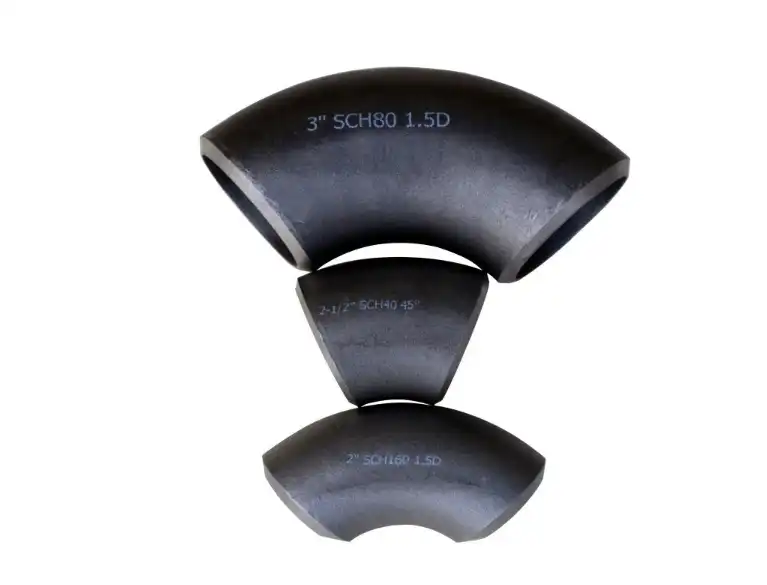
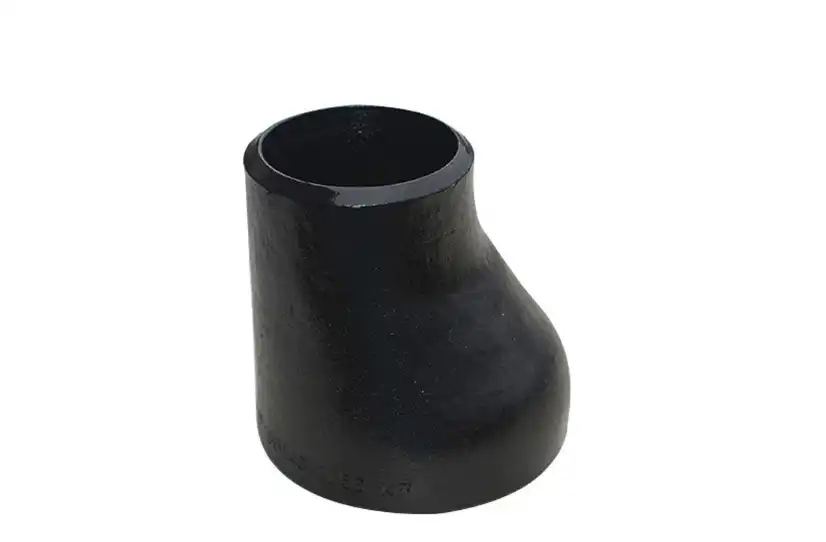
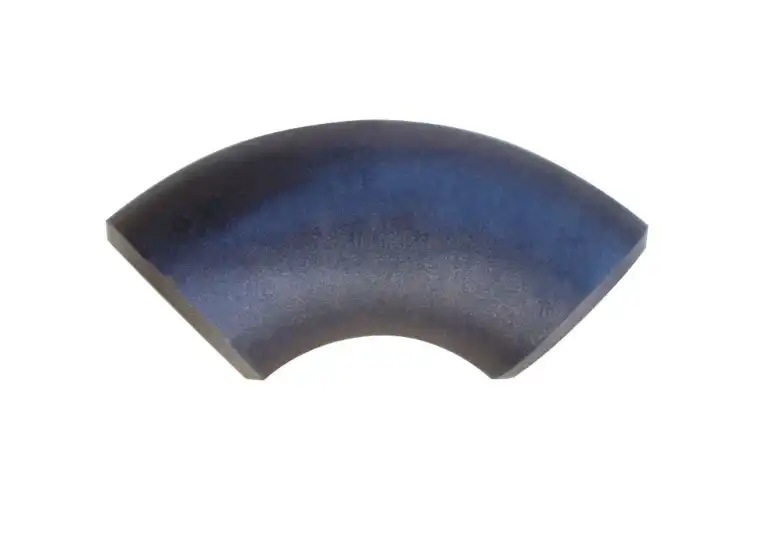
Carbon Steel Elbows vs Cast Iron Elbows: Which to Use and When?
Choosing between carbon steel and cast iron elbows is not simply a matter of comparing two materials and selecting the one with the lowest purchase price. The elbow becomes part of the pressure boundary and influences how a piping system handles pressure, temperature, vibration, corrosion, impact, and long-term maintenance. For engineers, contractors, and procurement teams, the better question is which material is appropriate for the actual operating conditions. Cast iron elbows can be a practical option for drainage, water, wastewater, and other applications where their rigidity, abrasion resistance, vibration-damping characteristics, and established service history are useful. Carbon steel elbows, in contrast, are commonly the choice for higher-pressure or higher-temperature pipes because carbon steel often offers superior tensile strength, toughness, weldability, and design flexibility. The proper option relies on the conveyed fluid, working pressure and temperature, method of connection, corrosion conditions, relevant standards, and the estimated service life of the system.
Understanding the Engineering Differences Between the Two Materials
How Material Structure Affects Elbow Performance?
Both cast iron and carbon steel are based on iron but vary in structure and characteristics of manufacture. The carbon content of cast iron is usually larger than that of carbon steel, and its qualities are highly affected by the microstructure and the shape of graphite in the material. Depending upon the grade, cast iron may give strong compressive strength, dimensional stability, vibration damping, and resistance to certain types of mechanical wear.
A drawback is that traditional cast iron is much more brittle than carbon steel. If the component has been constructed properly, it may function well under prolonged loads, but there is a larger danger of breaking from rapid impact, severe bending, or unexpected mechanical stress. This difference is crucial for pipe systems subject to equipment movement, external impact, thermal expansion, or installation stress.
Carbon steel has a varied mix of characteristics. It is normally having high tensile strength and toughness and can withstand mechanical deformation before failure. It is weldable and so is used in many fabricated pipe systems where elbows need to be included in longer weldments. But carbon steel is not corrosion resistant inherently. It corrodes fast under harsh settings if suitable material selection, coating, lining, or environmental management is not used.
Hence, the selection of material should be based on the working environment and not on the reputation of the material alone.
Why Pressure and Temperature Should Drive the Initial Selection?
Pressure and temperature are two of the most essential elements in the selection of an elbow. A pipe component in a low-pressure drainage application does not have the same requirements as an elbow in a process line at increased pressure and temperature.
Carbon steel is the most popular choice for demanding industrial pipelines because of its favorable mix of strength, toughness, ease of manufacture, and temperature capacity. Its applicability for a given service is still a function of the specific grade, wall thickness, manufacturing standard, design pressure, design temperature, and relevant code. So the engineer should check the exact pressure-temperature rating rather than presuming all carbon steel elbows are suitable for high-pressure use.
Cast iron is suited for reliable use in many water, drainage, and utility systems. However, its lesser ductility tends to make it less suitable when considerable impact, bending, or severe pressure cycling is anticipated. Some cast iron grades are sensitive to very low temperatures, as brittleness may be increased with reduction of temperature.
So the practical difference is not only that carbon steel is “strong” and cast iron is “weak.” Each material has a distinct mechanical profile, and the choice of cast iron elbows should be based on the confirmed qualities that satisfy the parameters of the system design.

Comparing Corrosion, Wear, and Long-Term Service Performance
Corrosion Resistance Depends on the Environment
Corrosion is sometimes touted as a benefit of cast iron, but the topic needs more detailed discussion. Standard cast iron should not be called inherently rust-proof. It is susceptible to corrosion much like carbon steel when exposed to water, oxygen, salts, acids or other hostile elements. The actual corrosion behaviour is determined by the kind of cast iron, the environment, the medium being conveyed and the protective treatment of the part.
Long service lifetimes have been achieved in certain cast iron pipe systems in water and drainage applications, especially when suitable material selection and protection are used. However, in certain soils or damp situations, corrosion may still be a severe hazard. Depending on the installation, specialised coatings, linings, cathodic protection or other corrosion-control methods may consequently be needed.
Carbon steel needs corrosion control too. Atmospheric and internal corrosion are common in bare carbon steel, especially in the presence of moisture, dissolved oxygen, chlorides, or strong chemicals. For components such as cast iron elbows, coatings, painting systems, linings, corrosion inhibitors, material upgrades and correct drainage may impact service life.
The important question for procurement teams is not “Which material never rusts?” but rather, “Which material can deliver the required corrosion performance under the actual service conditions, with a reasonable protection and maintenance strategy?”
Abrasion and Mechanical Wear Require a Different Assessment
Some grades of cast iron are desirable for systems delivering particle-loaded fluids or solids because of the abrasion resistance. Some cast irons with a moderately hard surface and microstructure may provide effective resistance to mechanical wear. This may be used in applications with wastewater, mineral-containing fluids, slurries or other services where solid particles come into contact with the interior surface regularly.
Abrasive services may also be performed on carbon steel if the proper grade and wall thickness are properly addressed. In very harsh situations, neither cast iron nor carbon steel should be chosen automatically without considering particle size, flow velocity, solids concentration and predicted erosion rate.
There is also a difference between abrasion and impact. A material that is good for slow surface wear may not be the greatest option if the part can be subject to rapid mechanical impact. The additional ductility and toughness of carbon steel may be a benefit in applications where external pressures or accidental impacts are significant considerations.
This is particularly crucial while you are installing cast iron elbows. Before the system is even in operation, an elbow may be subject to lifting, alignment, tightening, thermal movement or pipe-support stresses. Therefore, the material must be examined for both operational wear and mechanical handling conditions.
Choosing the Right Elbow for Different Piping Environments
When Cast Iron Elbows Make Sense?
Cast iron elbows are a logical option when the pipe system requires a robust material with strong vibration-damping properties and proven performance in utility or drainage applications. They are especially suitable for certain soil, waste, drain, and water service applications when the operating pressures are mild and where there is not anticipated to be much impact or deformation on the system.
Noise reduction also affects the choice of materials. The density and stiffness of cast iron may assist in reducing the transmission of certain pipe-borne noise as compared to lighter piping materials. This is one reason cast iron drainage systems have continued to be important in certain commercial and multi-storey construction developments.
A further factor is resistance to mechanical wear. Cast iron of a sufficient grade may be advantageous when abrasive particles are present in the carried medium, provided that the pressure, chemical compatibility and installation circumstances are all within the limitations of the design of the material.
However, the fact that an application is underground or exposed to damp should not be the only reason to choose cast iron. The soil chemistry, the groundwater, the chloride concentrations, the coatings' needs and the local installation norms still have to be assessed.
Where Carbon Steel Is Usually the More Flexible Option?
Carbon steel elbows are generally the preferred choice for industrial plumbing applications when the component is subjected to higher demands from pressure, temperature, fabrication or mechanical loads. They are often utilised in process pipes, power-related systems, water infrastructure, chemical facilities and other applications requiring welded construction and enhanced mechanical strength.
This makes them easily weldable, which is a very useful benefit. A carbon steel elbow may be added to a welded pipe assembly, giving engineers and fabricators more freedom in routing the system or connecting components of various sizes. This may be especially beneficial for big projects when field fabrication and alteration are anticipated.
Carbon steel also comes in several grades and standards. The specific choice might vary with strength, toughness, temperature, pressure and service requirements. This flexibility is a reason why carbon steel fittings are so often used in tough industrial systems.
Nevertheless, carbon steel should not be seen as a one-size-fits-all option, especially when comparing it with alternatives such as cast iron elbows. If the medium conveyed is very corrosive, conventional carbon steel may have to be given considerable protection or may have to be replaced with a material of higher corrosion resistance. A technically better elbow is not necessarily the better choice if it does not have adequate corrosion performance for the service.
How Connection Method and Installation Affect Material Selection?
Welding, Threading, and Flanged Connections
The manner of connection may determine whether elbow material is practical for a project. Carbon steel elbows are especially handy to use in welded systems. They may be included in the pipe network using standard welding processes. If the material, the welding process, the joint preparation and the inspection requirements are well regulated, this may result in a continuous and strong assembly.
Cast iron systems may be connected mechanically, by threads, by flanges, or by other means, with cast iron elbows used where a change in pipe direction is required, depending on the product design and the appropriate standard. Properly installed, these systems may be dependable, but they should not be considered interchangeable with welded carbon steel pipes solely by virtue of having the same nominal pipe size.
The elbow, pipe, gasket, flange, valve and connecting-technique compatibility is also important. The individual parts can seem like they should fit, but the size or how they join might present issues during installation.
Installation Stress Should Not Be Ignored
Material choices should also include what occurs after installation. Elbows may be subjected to extra stresses such as pipe supports, thermal expansion, vibration, ground movement and equipment connections. If the system is subjected to an unanticipated displacement, then a stiff yet brittle material may respond differently than a more ductile material.
This is particularly important for elbows near pumps, compressors, spinning machinery, or lengthy pipe lengths with high thermal expansion. Engineers should analyse the whole pipe system and not judge the elbow alone.
A Practical Way to Compare Total Cost
Purchase Price Is Only the Beginning
The initial purchase cost is a significant issue but cannot be the sole financial criteria. The cheaper elbow may be more costly in reality, as it may need replacement more often, may require more corrosion protection, or may have difficult installation or substantial maintenance.
A better cost comparison would include material cost, manufacturing, installation, protective coatings, inspection, maintenance, frequency of replacement, downtime, and estimated service life. The relevance of the factors varies from project to project.
For instance, a carbon steel elbow could cost more than a simple cast iron one, but its ability to be welded and its mechanical strength may make installation or repair easier in a tough industrial setting. In contrast, cast iron might be appealing in situations where its qualities are still well suited to the service and the system does not need much welding or high-pressure performance.
Therefore, the optimum procurement option is to compare lifecycle needs rather than only concentrating on the invoice price.
Availability and Documentation Matter in B2B Procurement
For industrial purchasers, documentation is strongly related to product availability. Purchasers must validate the relevant material standard, dimensional standard, pressure class or design rating, nominal size, wall thickness, connection type, surface treatment, inspection requirements and appropriate certification papers before making an order.
If the elbow is part of a safety-critical or regulated system, then the paperwork should be approved before manufacture. These may contain material certifications, dimensional inspection records, pressure or other required test results and traceability information, depending on the project.
This helps to avoid getting a part that fits the pipe physically but doesn’t meet the technical or documentation requirements of the project.
Conclusion
In conclusion, the choice between carbon steel and cast iron elbows depends on the actual requirements of the piping system rather than on a simple claim that one material is universally better. Carbon steel is often the more flexible choice when higher mechanical strength, toughness, welding capability, pressure, temperature, or complex fabrication requirements are involved. Cast iron can be a practical solution where rigidity, vibration damping, abrasion resistance, and established performance in drainage, water, wastewater, or other moderate-duty applications are valuable.
Corrosion should also be evaluated carefully because neither conventional cast iron nor carbon steel should be considered automatically corrosion-proof. The service medium, soil conditions, moisture, protective coatings, operating temperature, and maintenance strategy can all influence the useful life of an elbow.
For engineers and project managers, the most reliable selection process starts with operating conditions and applicable standards, then compares material properties, connection methods, lifecycle cost, availability, and documentation. By evaluating the entire piping system rather than focusing only on the elbow's purchase price, buyers can select a component that provides dependable performance while reducing installation and maintenance risks.
Oudi Pipe Solutions: Supporting Reliable Piping Projects Worldwide
Cangzhou Oudi Pipe Manufacture Co., Ltd. has manufactured carbon steel pipe fittings, valves, and flanges since 1998, serving customers across industries such as petroleum, chemical processing, water conservancy, and power generation. Based in Mengcun Hui Autonomous County, a well-known production centre for pipe fittings in China, the company provides fittings for different project requirements and international markets.
For buyers comparing carbon steel and cast iron elbows, supplier capability is just as important as material selection. Product dimensions, material specifications, connection requirements, inspection procedures, and project documentation should be confirmed before production, particularly when fittings are intended for industrial or customised piping systems.
Oudi Pipe Solutions can support project-specific requirements by discussing the intended application and product specifications before manufacturing. This approach helps customers select fittings based on actual operating conditions rather than relying on a generic material comparison, providing a more practical path from product selection to installation.
For more information or enquiries, please contact us at oudi-04@oudiguandao.com.
References
1. Smith, J. R. (2019). Comparative Analysis of Carbon Steel and Cast Iron Piping Materials. Journal of Industrial Engineering, 45(3), 278-295.
2. Johnson, M. L., & Thompson, R. K. (2020). Durability and Performance of Cast Iron vs Carbon Steel Elbows in Industrial Applications. International Journal of Materials Science, 12(2), 156-172.
3. Brown, A. C. (2018). Cost-Benefit Analysis of Elbow Materials in Modern Plumbing Systems. Plumbing Engineering Review, 33(4), 412-428.
4. Lee, S. H., & Park, J. Y. (2021). Environmental Impact Assessment of Cast Iron and Carbon Steel Pipe Fittings. Sustainability in Engineering Design, 8(1), 89-105.
5. Wilson, D. T., & Garcia, E. M. (2017). Corrosion Resistance Comparison of Cast Iron and Carbon Steel Elbows in Various Industrial Environments. Corrosion Science and Technology, 52(6), 721-737.
6. Taylor, R. F. (2022). Applications and Limitations of Cast Iron and Carbon Steel Elbows in Modern Industrial Piping Systems. Advanced Materials and Processes, 180(3), 45-61.

Need help finding the right solution with our experts. Please contact us.

SINCE 1998 Your Reliable Pipeline Manufacturer