What Is a T-Shaped Pipe Fitting and How Is It Installed?
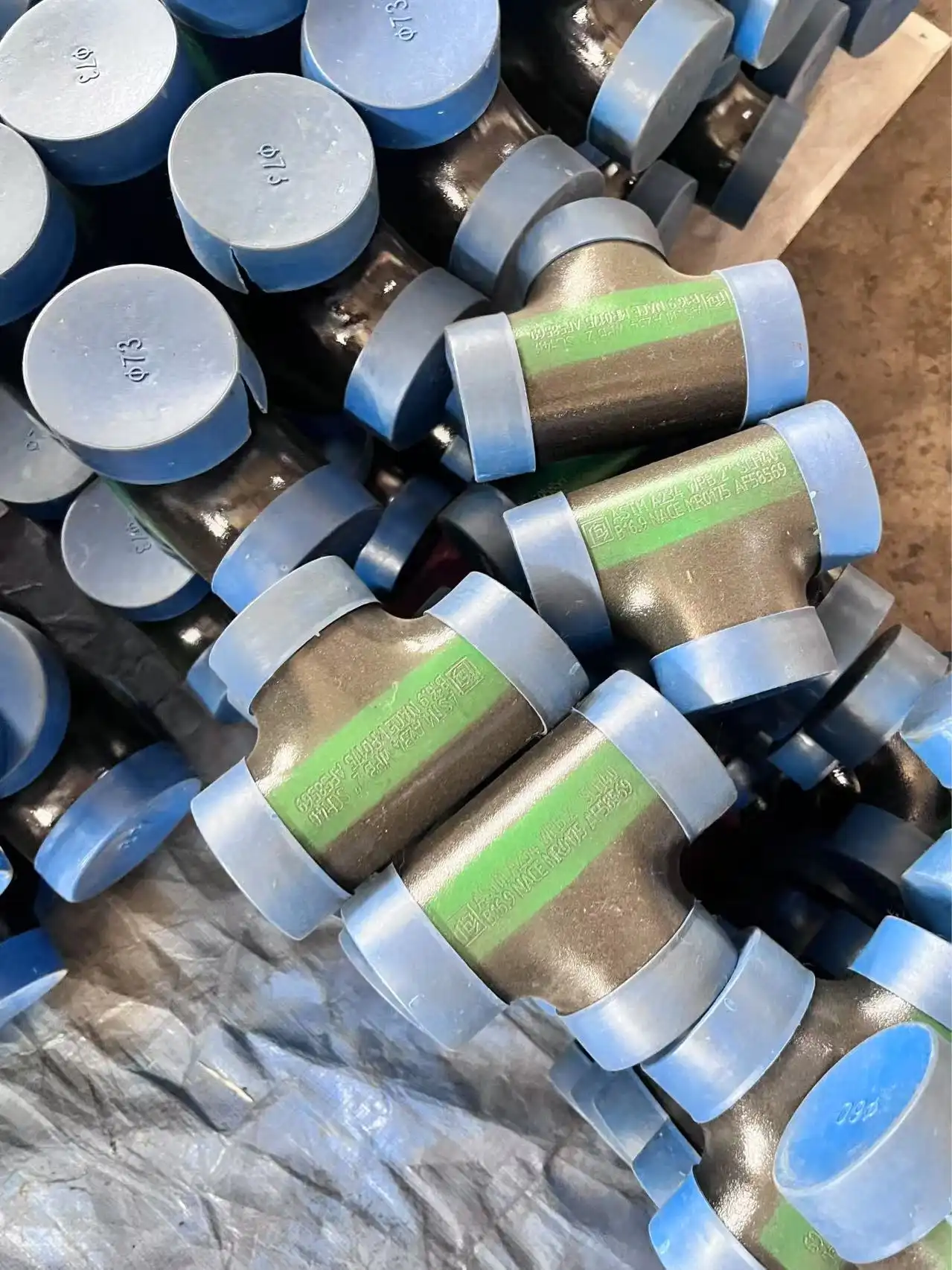
T-shaped pipe fittings are used to create branch connections in piping systems, allowing fluid to move from a main line into another pipe or, in some layouts, to combine flow from different lines. The three-opening design makes them appropriate for applications from household plumbing and HVAC systems to water treatment, chemical processing, and industrial fluid transportation. The fundamental design may appear straightforward, but matching the pipe diameter is just one of the considerations in choosing a tee fitting and installing it. The fitting should meet the requirements of pipe material, operating pressure and temperature, fluid properties, connecting technique, and standards. A T-piece suited for a low-pressure water line may not be acceptable for a high-pressure industrial process—even if the pipe sizes seem identical. Installation directly affects the performance of the system. Poor alignment, poor joint preparation, faulty welding or bonding processes, and insufficient inspection might generate leakage sites or undue stress at the branch connection. Therefore, knowing how various tee configurations function and how they should be placed will assist engineers, contractors, and buying teams in making better judgments.
How Does a T-Shaped Pipe Fitting Work in a Piping System?
A T-shaped pipe fitting with three apertures around a common body. The straight part is the primary channel for flow, and the third opening is a branch. Depending on the architecture of the system in which streams are merged or dispersed, fluid may flow from the main pipe to the branch, from the branch to the main line, or via all three connections.
The most frequent arrangement is the equal tee, with all three apertures having the same nominal pipe size. This configuration is advantageous when the branch line is of the same diameter as the main pipeline. A decreasing tee, in contrast, has variable outlet diameters and is usually used when a smaller branch is to be connected to a larger main line.
The tee alone does not dictate the whole hydraulic behavior of a system. The flow distribution relies on the pipe diameter, flow rate, pressure and fluid characteristics, geometry of branches, and overall piping layout. A tee must thus be chosen as part of the whole pipe system and not as a stand-alone component.
Which Types of T-Shaped Pipe Fittings Are Commonly Used?
Equal Tees for Same-Size Branch Connections
An equal tee, also known as a straight tee, has three apertures of the same nominal size. This is a simple choice when the main pipeline and branch pipeline have the same diameter.
These fittings are frequently used in water distribution, industrial pipes, HVAC systems and general plumbing. As an example, a water line may utilise an equal tee to form a branch to another part of the building, and an industrial process line may use the same basic structure to link equipment to a main process pipeline.
The benefit of an equal tee is its simple geometry and compatibility with identical-sized pipe connectors. But the fitting must still meet the pipe wall thickness, material, pressure requirements and manner of connection. A fitting with the same nominal diameter does not mean that it is acceptable for the application.
Reducing Tees for Different Pipe Diameters
Reducing tee: used to join pipes of differing nominal diameters. Typically, the branch is smaller than the main run; however, the actual layout is dependent on the pipe design.
This design may simplify a system since the smaller branch can be connected directly to the tee, rather than needing a separate reducer and another connection. Fewer components may also result in a more compact architecture and may limit the number of possible junction sites.
However, changes in the branch size alter the flow conditions near the junction. So, engineers must take into account the desired flow rate and pressure drop when selecting T-shaped pipe fittings, rather than choosing a reducing tee based only on the pipe dimensions available. Properties of the carried fluid and effects of unequal flow distribution in process systems may further impact the final fitting choices.
Bull-Head Tees for Specific Branching Arrangements
A bullhead tee is a reduction tee with the branch connection of a bigger size than either of the run connections. This shape is appropriate when the pipe layout needs a bigger branch to connect to a smaller diameter main line or when the flow channel has a specific design requirement.
Bullhead configurations are not as widespread as equal or conventional reducing tees, and the decision should be made based on the real pipe arrangement and not the fitting name alone. Engineers should check dimensions, connecting ends, pressure requirements and related product specs with the supplier before ordering.
If a bespoke project is being done, a design or dimension specification is recommended to avoid misunderstanding of the many reduction and bullhead combinations.
How Should You Choose the Material for a T-Shaped Pipe Fitting?
PVC Tees for Lightweight and Corrosion-Resistant Systems
PVC tees are used in irrigation, drainage, certain water distribution systems and other applications where the operating conditions are suitable for plastic pipe. They are generally light and resistant to many common corrosive materials, making them practical for appropriate applications.
At the same time, the limits of PVC should not be ignored. Its applicability is influenced by temperature, pressure, chemical exposure, mechanical loads, etc. PVC tees suitable for a certain pressure class should not be assumed to be suitable for higher-temperature or mechanically demanding usage.
For solvent-cemented joints, the pipe and fitting surfaces should be prepared in accordance with the relevant joining technique. The integrity of the connection is dependent on the right cement, surface preparation, assembly method and curing circumstances. Follow the manufacturer’s instructions and project needs rather than a general installation technique.
Copper Tees for Plumbing and HVAC Applications
Copper tees are widely used in hot and cold water plumbing, HVAC systems and heat-transfer applications. Copper's strong thermal conductivity and durability can function at temperatures that would be inappropriate for many typical plastic pipe materials.
Copper fittings may be linked by soldering or by brazing, depending on the system and relevant criteria. The technique of joining used depends on application, pipe size, service temperature, project specification and local restrictions.
Copper is an excellent conductor of heat, but that doesn’t mean it’s the right material. Other aspects including water chemistry, compatibility with attached materials, working pressure and installation circumstances should also be addressed. Engineers may need to address material compatibility and possible corrosion-related difficulties when joining copper to other metals.
Stainless Steel Tees for Corrosive or Demanding Service
Stainless steel tees are commonly used for applications requiring higher corrosion resistance, cleanliness or mechanical properties. Depending on the stainless steel quality and system requirements, they may be utilised in chemical processing, food and beverage equipment, pharmaceutical facilities, water treatment and other industrial settings.
“Stainless steel” is a broad word that encompasses several distinct grades with varying chemical compositions and performance attributes. A grade suited for one fluid or temperature range may not be suitable for another. For T-shaped pipe fittings, the engineers should indicate the needed material grade instead of specifying stainless steel as a general category.
The connection choices might be butt-welded, socket-welded, threaded or flanged connectors depending on the design of the fitting and its use. Welding processes and inspection practices need to be appropriate to the welded systems, especially when the pipeline has corrosive, high-temperature or high-pressure fluids.
What Should Be Checked Before Installing a T-Shaped Pipe Fitting?
Match the Fitting With the Piping Design
Before installation begins, the tee should be checked against the piping drawing and the actual pipe dimensions. The nominal pipe size, outside diameter, wall thickness or schedule, material, connection type, and fitting configuration should all correspond with the project requirements.
Pressure and temperature are equally important. A fitting that matches the pipe diameter can still be unsuitable if its pressure rating or temperature capability does not meet the system's operating conditions. The transported fluid should also be considered because chemical compatibility can influence material selection and service life.
Applicable standards should be confirmed as part of this review. For example, ASME B16.9 covers factory-made wrought butt-welding fittings in its defined scope, but it should not be treated as a universal standard for every type of tee. Threaded, socket-weld, flanged, plastic, and other fitting configurations may be governed by different standards or project specifications.
Prepare the Pipe and Check Alignment
Good joint preparation starts with clean and properly prepared pipe ends. Dirt, oil, moisture, burrs, scale, or other contaminants can interfere with bonding, welding, soldering, or other joining processes.
The tee should be positioned according to the intended branch direction before the final connection is made. Alignment matters because forcing a pipe into position to compensate for an incorrectly positioned tee can introduce unnecessary stress into the piping system.
For welded installations, the pipe and fitting should be properly fitted and supported before welding. For threaded connections, the threads should be clean and undamaged, while sealant or sealing material should be appropriate for the service. Plastic and copper systems require their own preparation procedures, so installation should follow the material-specific instructions rather than applying the same process to every fitting.
Use the Joining Method Appropriate to the Material
The connection method depends largely on the fitting material and end configuration. PVC tees are commonly joined using solvent cement, while copper tees may be soldered or brazed. Stainless steel and other metal tees can use welding, threading, or flanged connections depending on the design.
For solvent-cement joints, proper surface preparation and adequate curing time are important before the system is pressurised. For soldered or brazed copper joints, the joint surfaces must be properly prepared, and the heating and filler-metal procedure should be appropriate for the connection.
Welded metal fittings require greater control over joint preparation, welding procedure, heat input, and inspection. In industrial systems, the welding procedure and inspection requirements may be defined by project specifications or applicable codes. Threaded and flanged connections likewise require appropriate sealing, tightening, gasket selection, and alignment.
Inspect and Test the Completed Connection
After installation, the completed branch connection should be inspected before the piping system is placed into normal operation. The inspection should confirm that the tee is correctly orientated, joints are properly formed, and there is no obvious damage, distortion, or misalignment.
Pressure or leak testing of T-shaped pipe fittings should then be performed according to the applicable system specification and safety requirements. The exact testing medium and procedure depend on the piping system, fluid service, applicable code, and project requirements. Water-based hydrostatic testing may be appropriate for some systems, while other applications may require a different method.
Testing is especially valuable for identifying problems that may not be visible during a visual inspection. Any leakage, pressure instability, or abnormal result should be investigated before the system is commissioned.
How Can You Extend the Service Life of T-Shaped Pipe Fittings?
The service life of a tee fitting depends on more than the material from which it is manufactured. Operating pressure, temperature, fluid chemistry, vibration, external loading, corrosion, and installation quality can all affect long-term performance.
Using the correct material is the first step. A fitting exposed to corrosive chemicals may require a more resistant alloy than one used in a standard water system. Similarly, a high-temperature application should be evaluated against the fitting's temperature limitations rather than selected solely according to nominal size.
The piping system should also be operated within its specified pressure and temperature limits. Excessive vibration, unsupported branch lines, thermal expansion, or external mechanical loads can place additional stress on tee connections. Where appropriate, pipe supports and expansion provisions should be incorporated into the overall design.
Routine inspection can help identify developing problems before they become major failures. Depending on the application, inspection may include checking for leakage, corrosion, damaged joints, abnormal movement, or changes around welded areas.
For industrial projects, keeping material certificates, inspection records, dimensional documentation, and pressure-test records can also make future maintenance and replacement easier. These documents give maintenance and purchasing teams a clearer reference when an existing tee eventually needs to be inspected or replaced.
Conclusion
T-shaped pipe fittings provide a practical way to create branch connections in residential, commercial, and industrial piping systems. Equal tees are suited to same-size connections, while reducing and bullhead configurations can accommodate more specialised piping arrangements. The appropriate material may vary from PVC and copper to stainless steel or other metals depending on pressure, temperature, fluid characteristics, corrosion conditions, and connection requirements.
Installation quality is just as important as product selection. Pipe preparation, alignment, the correct joining method, and appropriate inspection and leak testing all contribute to the reliability of the completed connection. Applying the same installation method to every type of tee should be avoided because PVC, copper, stainless steel, and other materials have different joining requirements.
For engineers, contractors, and procurement teams, a good purchasing decision should therefore consider the complete specification rather than pipe diameter alone. Providing information about dimensions, material grade, connection type, operating conditions, applicable standards, and required documentation enables the supplier to recommend or manufacture the appropriate T-shaped pipe fittings for the intended application. With proper selection, installation, and ongoing inspection, tee fittings can provide reliable branch connections throughout the service life of a piping system.
For more information about our high-quality T-shaped pipe fittings and other piping products, please contact us at oudi-04@oudiguandao.com. Since 1998, Cangzhou Oudi Pipe Manufacture Co., Ltd. has been a leading manufacturer of carbon steel pipe fittings, valves, and flanges in China. Our commitment to quality and innovation ensures that we provide the best solutions for your piping needs.
References
1. Smith, J. (2020). Fundamentals of Pipe Fitting: A Comprehensive Guide. Plumbing Engineering Journal, 45(3), 78-92.
2. Johnson, A. & Brown, R. (2019). Materials Selection for T-Shaped Pipe Fittings in Industrial Applications. Journal of Piping Systems Engineering, 32(2), 112-125.
3. Thompson, E. (2021). Best Practices for Installing T-Fittings in Residential Plumbing Systems. Home Builder's Digest, 18(4), 45-58.
4. Davis, M. (2018). Comparative Analysis of T-Fitting Materials: PVC, Copper, and Stainless Steel. Industrial Piping Quarterly, 27(1), 33-47.
5. Wilson, K. & Lee, S. (2022). Optimising Flow Characteristics in T-Shaped Pipe Fittings: A Computational Fluid Dynamics Approach. Journal of Fluid Mechanics and Applications, 53(6), 201-215.
6. Roberts, P. (2020). Leak Prevention Strategies for T-Fitting Installations in High-Pressure Systems. Pressure Vessel Technology International, 39(3), 88-102.

Need help finding the right solution with our experts. Please contact us.

SINCE 1998 Your Reliable Pipeline Manufacturer



