Carbon Steel Lap Joint Flange – Key Benefits
Lap joint flange CS assemblies are a useful engineering answer for choosing parts for important piping infrastructure because they combine performance with cost-effectiveness. There are two separate parts to these carbon steel flanges: a stub end that is butt-welded directly to the pipe and a loose backing flange that can turn easily around the pipe. In corrosive settings, this new design cuts down on material costs while solving aligning problems. The spinning flange ring, unlike rigid flange types, doesn't have the annoying bolt-hole misalignment problems that happen during field installs. This saves a lot of time during system assembly and maintenance.
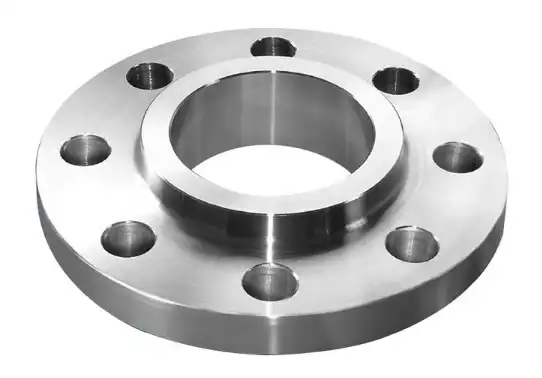
Understanding Carbon Steel Lap Joint Flanges
Lap joint flange CS solutions are the result of decades of improvement in the manufacturing process. This two-piece assembly splits the tasks of structure and sealing in a way that works in the real world. The stub end, which is forever soldered to the pipe, is responsible for sealing and contacting fluids. The backing flange, on the other hand, gives mechanical support and gripping force without ever hitting the process medium.
The Two-Piece Design Architecture
Lap joint flange CS units made of carbon steel have a short end with a rounded curve that fits against the back flange face. Before installing the short end, the backing flange slides over the pipe and then turns on its own to line up the bolt holes with the matching flanges. Because of this split, engineers can choose expensive alloys for only the wetted stub end and cheap carbon steel for the backing plate. The stub end perfectly meets the pipe plans, keeping the wall thickness the same all the way through the system. Backing flanges meet the standards set by ANSI B16.5, ASME B16.47, or EN 1092, which means they can be used on a wide range of projects around the world.
Material Properties and Standards Compliance
Carbon steel is very strong mechanically at normal temperatures, and it's easy to get because supply lines are already set up. ASTM A105 carbon steel, which is the most popular standard, works well in pressure classes from 150# to 2500#. When used as directed, these materials can handle heat up to 450°C. Manufacturers like Audi that are ISO 9001 approved use strict quality control procedures to make sure that the metallurgical features are always the same. Special licenses for making tools ensure that production sites meet government safety standards, which is an important consideration for EPC contractors when managing liability on large projects.
Industry Application Scope
Lap joint flange CS designs are used in oil and gas sites where piping systems need to be taken apart often for cleaning or inspection. Chemical processing companies use the adaptability of the material to control acidic media in a cost-effective way. Power production systems gain from the benefits of alignment during the installation of complex turbine pipes. For large-diameter transmission lines, water conservation projects call for carbon steel lap joints because they need to be as cost-effective as possible. Applications in shipbuilding, like how much lighter it is than heavy weld neck options. Each area likes how the design allows for thermal growth without putting stress on the pipes.
Core Benefits of Carbon Steel Lap Joint Flanges
Industrial buying teams are always pressured to cut back on capital costs without putting the stability of the system at risk. When it comes to installation speed, lifecycle costs, and operating freedom, lap joint flange CS assemblies are clear winners. Knowing about these benefits helps engineers make specs that are accurate and work with the limitations of the project.
Advantages of Installation Flexibility and Alignment
Because lap joint flange CS units rotate freely, one of the most time-consuming parts of assembling pipes is no longer necessary. With traditional stiff flanges, you must cut and fit the pipe carefully, and if the bolt holes don't line up, you may need to do more work. Our experience from more than 300 placements around the world shows that lap joint designs require 20–30% less work in the field than welded neck designs. Technicians can change the flange direction after welding the stub end, so small size differences don't require expensive repairs. This adaptability is very helpful for retrofit projects where the current infrastructure sets the connecting points. The loose joint also makes it easier to change the gaskets during maintenance shutdowns, which cuts down on the costs of downtime by a large amount.
Cost-effectiveness for both labor and materials
When you compare full stainless steel parts to carbon steel backing flanges, it's easy to see how material cost efficiency works. If a project needs to be resistant to corrosion, it can use carbon steel backing flanges and unusual alloy stub ends (Inconel 625, SS316L, or Duplex 2205). This saves 40–60% on material costs compared to all-alloy options. Facilities like Oudi's Cangzhou plant can make 16,000 tons of goods every year, which keeps prices low through economies of scale. Installation labor savings add to the benefits of the materials—less time spent welding, no need for alignment rework, and easier bolt-up processes all have a direct effect on project budgets. When you look at the total cost of ownership over 20 years, the initial investment in lap joint systems often pays off more than alternatives that seem cheaper but require more installation and upkeep.
The ability to last and work well in industrial settings
When properly designed and kept, carbon steel lap joint flange CS units can handle harsh working conditions. Most industrial uses can be met by pressure rates between Class 150 (285 psi) and Class 600 (1440 psi). However, engineers should be aware that these systems only last about 10% as long as weld neck designs do when they are subjected to heavy cyclic loading. For carbon steel types, the temperature performance goes up to 450°C, making them ideal for systems that use steam, hydrocarbons, or thermal fluids. In corrosive environments, protective coats like hot-dip galvanizing, epoxy paints, or special polymer finishes make things last longer. The stub-end shape increases rust resistance where fluids touch it, while the backing lip is exposed to less harsh environments. To make sure that parts meet the standards for quality before they are shipped, our quality control procedures include hydrostatic testing, measurement verification, and surface finish checking.
Comparing Carbon Steel Lap Joint Flanges with Other Flange Types
To choose the best lap joint flange CS setups, you need to know how the performance of different designs compares. Based on its pressure grade, fitting conditions, and cost, each type of flange is best for a certain job. This comparison makes it clear when lap joint kits are the best deal.
Weld Neck Flanges vs. Lap Joints
The curved hub form of weld neck flanges gives them the most structural strength. This is because stress moves from the flange to the pipe over time. Weld necks are better for important steam lines, high-pressure hydrocarbon systems, and uses with a lot of thermal cycles because they are better at resisting wear in high-pressure cyclic services. Some structural strength is lost when carbon steel lap joints are used, but installation freedom and lower material costs make up for it. The weld neck requires careful pipe preparation and skilled welding, while the lap joint flange CS stub ends can accommodate small differences in size. Lap joints are better for projects that need to be serviced often, but weld necks are better for fixed installations that will be used in harsh circumstances.
Lap Joint Assemblies vs. Slip-On Flanges
Slip-on flanges fit over the ends of pipes and need to be double-fillet welded on the inside and outside. This makes a fairly strong joint that can be used in low-pressure situations. They look like lap joint flange CS units, but they don't have the machined radius at the hole that makes them work with a stub end shape. Using a slip-on flange with a stub end can lead to dangerous stress buildup that can cause the part to fail early. True lap joint systems give you more rotational freedom than slip-ons, which makes them better when it's hard to line up the bolt holes. The difference in installation work isn't very big, but the operational benefits of lap joints make up for the slightly higher price in most commercial settings.
Looking at Different Flange Configurations
Blind flanges are different from lap joints because they don't have any holes in them. They seal pipe ends or vessel valves. Threaded flanges make it easy to connect small-bore sensor lines, but they aren't strong enough for large-diameter or high-pressure applications. Socket weld flanges are used for lines with a small diameter (usually less than 2 inches) that go into a socket before being fillet welded. Each design meets a different set of engineering needs; the key is to match the type of flange to the needs of the application. When alignment flexibility, material optimization, or easy servicing access are more important than maximum pressure capacity or fatigue resistance, lap joint designs are the best choice.
Procurement Guide for Carbon Steel Lap Joint Flanges
Comparing unit prices is only one part of a successful lap joint flange CS buying process. Business buyers have to check a supplier's skills, make sure they follow certification rules, make sure deliveries are reliable, and check the quality of expert help. Strategic ties with qualified makers pay off in the long run by ensuring consistent product quality and quick service.
Criteria for Qualifying a Supplier
ISO 9001 approval is a basic way to make sure that companies keep their quality management systems well-documented. Special Equipment Manufacturing Licenses, which are needed in many places for pressure vessel parts, show that manufacturing sites are regulated by the government. Ask for mill test records (MTRs) that show the chemistry, mechanical qualities, and heat treatment of each production lot of the material. When planning big projects, manufacturing ability is important. For example, Oudi, which makes more than 16,000 tons of goods a year, can handle large orders without affecting delivery times. Exporting to different markets, like Europe, the Americas, the Middle East, and Southeast Asia, shows that you know how to deal with different foreign rules and paperwork. When doing a technical capability assessment, you should look at the production equipment (such as forging presses, CNC machining centers, and heat treatment ovens) and inspection equipment (such as spectroscopy, ultrasound testing, and dimensional CMM verification).
Thoughts on Specifications and Customization
Depending on the needs of the project, standard lap joint flange CS units can be made to ANSI B16.5 (NPS 1/2" through 24"), ASME B16.47 (NPS 26" through 60" for large-diameter uses), DIN 2642-2673, JIS B2220, or BS 4504. There are 150#, 300#, 600#, 900#, 1500#, and 2500# pressure classes. MSS SP-43 (short pattern) or ASME B16.9 (long pattern) rules say how long stub ends should be. There are different types of face finishes, from toothed (125–250 AARH) for normal gasketing to a smooth finish for specific sealing needs. In addition to basic A105 carbon steel, you can also choose A350 LF2 for low-temperature use or A694 for high-strength needs. Customizations like special measurements, unique drilling patterns, or built-in features that make fitting easier can often be made for large orders without having to pay a lot for tools. Talk to the engineering teams of makers directly about your technical needs to get the best specs before you finalize your purchase orders.
Lead times and planning for logistics
Standard-sized lap joint flange CS products from trusted sources usually ship in 3–4 weeks for orders less than 50 tons. Lead times can go up to 6 to 8 weeks for larger orders or orders that are made to order, based on production plans. Optimizing containers lowers the cost of shipping. A normal 40-foot container can hold about 26 tons of flanges, based on how the sizes are distributed. Damage during shipping can be avoided by properly packing; flanges should come with their sealing faces protected and clearly marked with heat numbers that can be traced back to MTRs. Plan delivery times around the building plans of the project to cut down on the amount of storage space needed on-site and the costs that come with it. Setting up framework deals with qualified suppliers gives you priority when allocating production and stable prices for projects that have more than one part and last for years.
Installation and Maintenance Best Practices
The service life is increased, and expensive mistakes are avoided by using the right installation methods and proactive maintenance schedules for your lap joint flange CS systems. Following the manufacturer's instructions and industry standards will keep the system running smoothly for as long as it's supposed to.
How to Install and Specifications for Torque
First, make sure that the materials, sizes, and pressure values of the stub end and backing flange match the project requirements and the features of the mating flange. Check the gasket fitting surfaces for damage and make sure the stub-end faces meet the finish standards (usually a notched 125–250 AARH finish). Before soldering the stub end, place the backing flange over the pipe and make sure there is enough space for the stub end radius. Once the stub-end weld is done and checked, move the backing flange to line up the bolt holes with the matched flange. Choose the right gasket material for the job. Depending on the temperature, pressure, and chemical interaction needs, you can choose compressed asbestos-free materials, spiral-wound materials with inner rings, or PTFE. Follow the ASME PCC-1 rules for the right bolt torque and use a cross-pattern tightening procedure to make sure that the gasket is compressed evenly. For Class 150 flanges, carbon steel screws usually need torque values between 50 and 150 ft-lbs. For Class 600 flanges, they need torque values between 200 and 600 ft-lbs. This depends on the bolt diameter and the state of the grease.
Protocols for Inspection and Preventive Maintenance
Set regular review times based on the difficulty of the service—every three months for harsh or high-cycling conditions and once a year for average service conditions. Surface rust, coating wear, or mechanical damage to flange edges and bolt threads should be easy to spot with the naked eye. Around gasket surfaces, look for signs of leaks like staining, crystalline deposits, or process fluid leftovers. Check the size of the flange gap to see if the seal has lost its force or the bolt has loosened up. Ultrasonic thickness testing checks how much rust is happening on the ends of stubs, giving early warning before wall loss threatens the pressure integrity. To account for gasket fitting and thermal effects, retorque the bolts after the first start-up, which usually takes 24 to 48 hours in working conditions. Keep track of all the things you find during inspections and upkeep tasks so you can compare performance over time and figure out when to replace something.
How to Fix Common Flange Problems?
Leaks at lap joint flange CS assemblies are usually caused by a failed gasket, incorrect bolt force, or broken sealing surfaces, not by problems with the flanges. Check that the seal material is right for the job and that the torque on all the bolts hits the right level on all of them. Check the finish on the stub end face for scratches, rust pits, or weld spatter that could stop the seal from working properly. If the leak keeps happening even after proper assembly, it could mean that the flange face is bending because of too much pipe load. Check that the pipe is properly supported near the joint. If corrosion is showing up on stub ends more than on other parts, it means that the material you chose might not be right for the process climate. You might want to upgrade to metals that are more resistant. Bolt failure suggests either over-torquing during assembly or fatigue from excessive vibration or thermal cycles. Address root causes by improving pipe support or adding vibration-damping systems.
Conclusion
Because they are made of two separate pieces, lap joint flange CS units are very useful for industrial pipe systems. The circular backing flange makes installation easier in the field by making it easier to line up bolt holes. This cuts down on labor costs on complicated projects by a significant amount. Material optimization—using carbon steel backing flanges with alloy stub ends—cuts component costs greatly while keeping corrosion resistance where fluid contact happens. These systems are good for situations where installation flexibility, easy upkeep, and cost-effectiveness are more important than maximum fatigue life or high pressure values. To specify something correctly, you need to know the pros and cons of different options like weld neck and slip-on, choose sources with the right credentials, and install it according to the right steps. Lap joint setups work reliably in the oil, chemical, water conservation, power production, and shipbuilding industries when used correctly and within the limits of their design.
FAQ
Are carbon steel lap joint flanges suitable for high-pressure applications?
When properly defined, lap joint flange CS systems work well in pressure classes up to 2500#, but they don't resist fatigue as well as weld-neck designs. They work well in high-pressure services that don't change frequency, but they need to be carefully looked at for uses that have a lot of temperature changes or vibrations. Talking to manufacturers with a lot of knowledge can help you choose the right pressure class based on your working conditions and safety factor needs.
How do carbon steel lap joints perform in elevated-temperature environments?
ASTM A105 carbon steel flanges can safely handle temperatures up to 450°C. This means they can be used in most industrial heating systems, such as steam systems, thermal oil circuits, and moderate-temperature hydrocarbon handling. For products above this range, like chromium-molybdenum alloys, you should indicate a better grade. The choice of material for the stub end is more important than the choice of material for the backing plate, since hot process fluids only touch the stub end directly.
What is the price difference between carbon steel and stainless steel lap joint flanges?
Depending on the market and the metal grade, carbon steel backing flanges are usually 40–60% less expensive than stainless steel parts of the same size. The combination method, which uses a carbon steel backing flange and a stainless steel stub end, is the best value because it only uses expensive, corrosion-resistant material where it comes into contact with fluid. This approach for optimizing materials works especially well for large-diameter or large-quantity orders, where price differences become very noticeable.
Partner with Oudi for Reliable Lap Joint Flange CS Solutions
Oudi has worked in specialized production for more than 25 years and has done work on industrial pipe projects in more than 40 countries. We are a licensed provider of lap joint flange CS and have strict international standards that we follow with our ISO 9001 quality management systems and special equipment manufacturing licenses. Our 66,600-square-meter factory in Cangzhou makes 16,000 tons of steel every year using high-tech casting, cutting, and testing tools that make sure the dimensions are correct and the material stays strong. We offer full specs in carbon steel, stainless steel, alloys, and other materials that meet ANSI, JIS, DIN, and BS standards. Our technical support teams help you get the best specifications, and our reliable export services get your goods to markets in Europe, the Americas, Africa, and the Asia-Pacific. You can talk to our sourcing experts about your project needs, get detailed quotes, or set up material certifications and sample evaluations by emailing oudi-04@oudiguandao.com. We are ready to help you meet your buying needs by providing you with high-quality goods at reasonable prices and quick service.
References
1. American Society of Mechanical Engineers. (2020). ASME B16.5: Pipe Flanges and Flanged Fittings: NPS 1/2 through NPS 24 Metric/Inch Standard. ASME Press.
2. Becht, C. (2018). Process Piping: The Complete Guide to ASME B31.3 (4th ed.). American Society of Mechanical Engineers.
3. Ellenberger, J. P. (2016). Piping and Pipeline Calculations Manual: Construction, Design, Fabrication, and Examination (2nd ed.). Butterworth-Heinemann.
4. Nayyar, M. L. (2019). Piping Handbook (8th ed.). McGraw-Hill Education.
5. Smith, P. R. & Zappe, R. W. (2021). Valve Selection Handbook: Engineering Fundamentals for Selecting the Right Valve Design for Every Industrial Flow Application (6th ed.). Gulf Professional Publishing.
6. Manufacturers Standardization Society. (2017). MSS SP-43: Wrought Stainless Steel Butt-Welding Fittings. Manufacturers Standardization Society of the Valve and Fittings Industry.

Need help finding the right solution with our experts. Please contact us.

SINCE 1998 Your Reliable Pipeline Manufacturer



