Certified ASME B16.9 Cap Supplier Worldwide
When buying industrial pipe parts, people who work in procurement in the oil and gas, petrochemical, and power generation industries have to make a big choice: they have to find an approved ASME B16.9 pipe cap provider who can offer quality and dependability. These standardized pipe end closures are more than just terminal fittings; they're important safety measures that keep the system clean, keep the pressure intact, and make sure that strict industry settings obey the rules. Since 1998, Oudi Pipe Manufacture has served over 300 customers in more than 40 countries. To meet the high standards that B2B buyers expect, we combine strict quality control with low prices. This guide tells you everything you need to know to choose, get, and install approved butt-weld pipe caps that keep your important infrastructure investments safe.
Understanding ASME B16.9 Pipe Caps: Specifications, Standards, and Uses
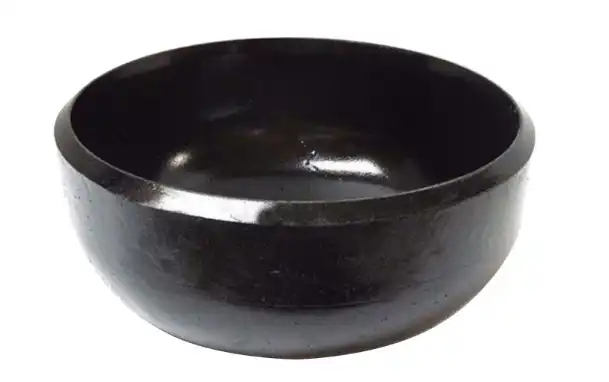
ASME B16.9 pipe cap components are wrought parts that are made in a workshop and are designed to close off the ends of a pipe system permanently or temporarily. These butt-weld caps are different from threaded or socket-weld caps that are covered by ASME B16.11. They are made to be welded directly to the ends of pipes, making them stronger and more leak-proof in high-pressure situations.
Dimensional Standards and Tolerance Requirements
It sets exact size requirements for pipe caps from NPS 1/2" to 48" in the ASME B16.9 standard. Each cap has a standard bevel end preparation, which is usually 37.5° ± 2.5°. This makes full penetration welding easier and makes sure that the caps fit up consistently when they are installed in the field. The wall thickness is based on classifications from Schedule 10 to XXH, which meet the related pipe schedules to keep the system's pressure ratings consistent. To keep alignment problems from lowering the quality of the weld or causing stress concentrations, concentration limits are strictly controlled.
Material Composition and Grade Selection
Most industrial uses are for carbon steel grades, and ASTM A234 WPB is the most common material for mild temperature services up to 400°C. This standard calls for a maximum carbon content of 0.30%, balanced manganese levels, and controlled phosphorus and sulfur levels to ensure the metal can be welded well without having to be heated first. When steel is worked, either hot-formed or cold-formed and then normalized, the grain structure is aligned. This gives the steel a tensile strength of over 60,000 psi and better fatigue protection than cast options.
Stainless steels like ASTM A403 WP304/316 can be used in places where corrosion is a problem, like chemical handling and offshore uses. Alloy steel types like ASTM A234 WP11 and WP22 are used in power production systems that work at high temperatures and need to be very resistant to creep. Material choice has a direct effect on service life. Matching grades correctly can keep parts from breaking down early, which costs a lot more than the original investment in the part.
Core Industrial Applications
These caps are critical for oil and gas transportation pipes during hydrostatic testing and at temporary termination places during phased construction. The butt-weld connection can handle loads and forces inside the pipe that would be too much for threaded connections. Caps are used on all of the process pipes in refineries and petrochemical plants because the smooth inside surface prevents turbulence and erosion-corrosion when working with volatile fuels. In thermal power plants, these fittings are used in high-pressure steam lines and feedwater systems that must comply with the ASME B31.1 code. The wide range of applications includes water treatment infrastructure, ships, and boiler making. All of these need caps that are resistant to corrosion and maintain their structural integrity.
Comparing ASME B16.9 Pipe Caps: Materials, Types, and Alternatives
Knowing the differences between the various pipe cap standards and ways of making them helps procurement teams ensure that the guidelines they use are the best ones for their individual needs.
ASME B16.9 vs. ASME B16.11: Fundamental Differences
ASME B16.9 covers butt-welding fittings for NPS 1/2" and larger because welding is the most cost-effective way to join high-pressure systems. ASME B16.11 covers socket-welding and threaded fittings for NPS 2" and smaller because they are used in lower-pressure situations or when they need to be taken apart. The butt-weld design eliminates the crack that comes with socket welds, which cuts down on leak lines and places where contamination can gather in corrosive or clean service.
Seamless vs. Welded Construction
Before they are made, seamless pipe caps are solid billets that are cut and shaped without lengthwise welds. This way of building gives the most even strength and gets rid of the weld line as a possible weak spot. This makes seamless caps better for the most demanding high-pressure or cycle loading situations. The prices for buying things show that the costs of making them are higher.
Soldered caps are made from plate or coil stock that is shaped and soldered along the length of the cap before the end is closed. Modern automatic welding and heat treatment after welding create fittings that are stable and can be used in most industrial settings. They are also 15–25% cheaper than seamless versions. Quality providers check all weld lines with X-rays or ultrasounds to make sure they are free of flaws and meet code requirements.
Carbon Steel vs. Stainless Steel Trade-offs
The cost-to-strength ratio of carbon steel caps is very good; they survive corrosion well in normal conditions, and they are easy to weld with standard electrodes. In slightly corrosive environments, surface coats make things last longer. But chloride contact, acidic condensates, or high-purity needs may require stainless steel options, even though they cost 3–5 times more.
Stainless steel types are better at resisting rust, keeping their mechanical qualities over a wider range of temperatures, and not wearing down the coating on the outside. In chloride conditions, where carbon steel would break quickly, the austenitic microstructure of types 304 and 316 keeps them from stress corrosion cracking. When repair costs and downtime are added to the total cost of ownership, life-cycle cost analysis often shows that the initial investment is worth it.
How to Select and Source Certified ASME B16.9 Pipe Caps Globally?
To find the right provider, you need to carefully look at their qualifications, skills, and the business terms that work with your project's schedule and quality standards.
Essential Certification and Quality Management
Suppliers with a good reputation keep ISO 9001:2000 quality management certification as a minimum requirement. This indicates that they have organized process controls in place from receiving the raw materials to the final inspection. National officials give special equipment manufacturing licenses to make sure that pressure tank and pipe codes are followed, which is necessary for legal operation in controlled industries. Material Test Reports (MTRs) that meet EN 10204 Type 3.1 or 3.2 standards allow tracking each part back to approved hot lots of raw materials, chemical analyses, and mechanical test results.
At Oudi, our quality method includes several levels of inspections. The first level uses XRF spectrometers to confirm the chemistry of the material before any cutting can begin. You can guarantee field fit-up success by checking the dimensions against ASME B16.9 pipe cap. The specifications set the limits for tensile strength, yield qualities, and toughness. Non-destructive tests using X-rays or ultrasound can find problems below the surface that the naked eye can't see. This all-around method removes goods that don't meet standards before they reach customer facilities.
Evaluating Supplier Types and Sourcing Channels
Original Equipment Manufacturers (OEMs) like Audi are in charge of the whole production process and can offer direct prices, full customization, and quality control. With factory-direct ties, you don't have to pay markups to distributors, and you can get technical help while you're making specifications. Our annual production of 16,000 tons makes sure that we are always available, even for big projects with tight deadlines.
Authorized wholesalers help buyers who need smaller amounts or local stock, but they may charge more and have fewer technical resources to handle complicated projects. Importers and trade companies add another layer of complexity to the supply chain, which could make it harder to find out where the goods actually came from and make guarantee claims more difficult.
Bulk Purchasing Strategies and Lead Time Management
Container-load numbers lead to big price cuts per unit. Depending on the mix of sizes, 20-foot containers can usually hold 18–22 tons of fittings. Combining needs from different project stages improves freight efficiency. But buyers must weigh the costs of keeping goods against the savings from bulk purchases, especially for sizes usable in all their facilities.
Standard sizes in popular materials ship within 15 to 25 days from reputable sources that keep a quantity on hand. Lead times can reach 35 to 50 days for custom specs, rare alloys, or measurements that aren't standard. This means that early planning for procurement needs to be in sync with building plans. Delays and extra work that cost a lot of money can be avoided by making sure that the buy order is clear about the material grade, size range, end preparation details, testing requirements, and marking preferences.
Installation and Quality Assurance of ASME B16.9 Pipe Caps
By making sure that design performance translates to operational reliability, good installation practices and testing processes protect your investment.
Pre-Installation Inspection and Preparation
When the fittings are delivered, check them for damage from shipping, make sure the markings match the requirements in the buy order, and look over the material certificates that come with them. Before welding starts, verify that important measurements, like inside lengths and bevel angles, are within the limits set by ASME B16.9. Keeping things stored in clean, dry places keeps the surface from getting dirty, which could cause weld flaws.
Welding Procedure and Joint Preparation
To get rid of mill scale, rust, oils, and moisture that cause porosity or slag spots, clean the pipe ends and cap bevel surfaces very well. Carefully align the parts, making sure that the concentricity stays within the spec range to avoid stress stens. Root gap and land sizes must match approved welding methods that are right for the type of material and wall thickness.
When the base metal temperature is above 50°F, carbon steel caps usually bond with E7018 low-hydrogen electrodes or ER70S-6 wire for GMAW methods. Wall thicknesses below 1 inch don't need to be heated up. Preheating to 200–300°F may be needed for thicker parts or joints that are tight. To keep stainless steel types from becoming sensitive and rusty, they need low-carbon filler metals and careful control of how much heat is put into them.
Post-Weld Inspection and Testing
Visual inspection finds breaks in the surface, makes sure the reinforcing shapes are correct, and confirms that the whole thing is fused. In vital service uses, X-rays show interior porosity, lack of fusion, or slag inclusions. Liquid penetrant testing is better than X-rays at finding surface-breaking cracks in stainless steel installations.
Before the system is put into service, the joints are checked for soundness by applying 1.5 times the design pressure, or as required by the code. When checking with pneumatics, you need to be cautious because of the dangers of stored energy. When possible, hydraulic methods are better. All test results are written down and added to a permanent record of the system's quality, which is needed to meet regulations and plan for future upkeep.
Why Partner with a Certified ASME B16.9 Cap Supplier: Value and Support?
It takes a lot more than comparing unit prices on a worksheet to find the right manufacturing partner. Long-term value comes from technical know-how, quick service, and an ability that has proven effective in a variety of industry settings.
Technical Support Throughout the Procurement Cycle
Experienced sellers work like an extension of your engineering team, helping you choose materials based on real-world service conditions instead of general requirements. We help check pressure-temperature ratings, see if different materials are compatible, and come up with other options when standard goods don't exactly meet special needs. This consultative method stops specification mistakes that cost a lot of money and only show up during installation or testing.
Global Supply Chain Reliability
Our long-term presence in Europe, North and South America, Africa, Southeast Asia, and the Middle East shows that we are exceptionally proficient at logistics and can handle foreign shipping rules, customs processes, and paperwork needs. Packaging shipped in containers keeps goods safe during ocean freight while also making the most of the space available. Flexible Incoterms let you choose how to split costs, whether you want them to be FOB origin or shipped duty-paid.
Demonstrated Performance Across Critical Industries
Since 1998, working with oil and gas companies, chemical processors, power generation providers, and building builders has given you a sense of the problems you might face in real life. Our parts work effectively in deserts that are over 50°C hot; on platforms that are exposed to salt spray and shaking; and in arctic facilities that need materials that have been tried for impact resistance because the materials are brittle. Client relationships that last decades show the trust that can be gained by providing consistent quality and quickly fixing problems that arise out of the blue.
Continuous Improvement and Innovation
To make exceptional products, you need to spend money on high-tech production and testing tools. Precision forming machines, automatic heat treatment ovens with programmable thermal cycles, and state-of-the-art NDT equipment run by trained techs are all in our building. We make sure that our product line meets not only today's requirements but also tomorrow's difficulties by keeping up with new materials like duplex stainless steels and changing code requirements.
Conclusion
Getting certified ASME B16.9 pipe cap parts is a smart purchase choice that affects the safety of the system, compliance with regulations, and long-term operating costs. By learning about measurement standards, material features, manufacturing methods, and a supplier's abilities, you can make choices that are best for your application. Good fitting methods and thorough quality-control procedures turn specification agreements into real-world performance. Working with a well-known manufacturer that offers full certifications, expert support, and proven global delivery skills lowers risks and raises the total cost of ownership. International industrial supply lines are very complicated, so they need suppliers who can both make great products and provide quick service. These are qualities we've developed over the past 25 years of working with a wide range of industries in six countries.
FAQ
What certifications should I verify when selecting an ASME B16.9 pipe cap supplier?
Make sure they have ISO 9001 quality control approval and special equipment manufacturing licenses for pressure parts and can give you EN 10204 Type 3.1 material test reports. These qualifications show that the company has strict quality controls and the legal right to make pressure pipe parts that meet code requirements.
Can carbon steel ASME B16.9 caps handle high-temperature applications?
Carbon steel caps made to ASTM A234 WPB can be used safely up to 400°C in places that don't corrode. Alloy steel types like WP11 (chromium-molybdenum) or WP22 are needed for higher temperatures because they keep their strength and don't creep at high temperatures common in power generation systems.
How does material selection affect the lifespan of pipe caps?
Carbon steel works well in dry, non-corrosive conditions, but it can rust quickly in acidic or salt environments. Stainless steel types are much better at resisting rust, and they often last 3–5 times longer, even though they cost more at first. Matching the right grade to the right service conditions stops breakdowns before they happen and lowers the costs over the life of the product.
Partner with Oudi for Your ASME B16.9 Pipe Cap Requirements
Oudi has been making things for more than 20 years and can help you with your next project. They use quality systems that are ISO 9001 approved and offer low factory-direct prices. The pipe caps in our extensive range are made to strict ASME B16.9 standards and come in sizes NPS 1/2" through 48". They are made from carbon steel, stainless steel, and alloy steel. We are your reliable ASME B16.9 pipe cap provider, and we offer full material traceability, strict inspection standards, and expert help throughout the whole procurement process. Get in touch with our team at oudi-04@oudiguandao.com to get full quotes that are made to fit your needs, volume needs, and shipping plan. Our global logistics network and yearly capacity of 16,000 tons make sure that we are always available when your building schedule calls for it, whether you need a single container or long-term supply deals that cover multiple facilities.
References
1. American Society of Mechanical Engineers. (2018). ASME B16.9: Factory-Made Wrought Buttwelding Fittings. New York: ASME Press.
2. American Society for Testing and Materials. (2020). ASTM A234/A234M: Standard Specification for Piping Fittings of Wrought Carbon Steel and Alloy Steel for Moderate and High Temperature Service. West Conshohocken: ASTM International.
3. Harvey, J.F. (1991). Theory and Design of Pressure Vessels (2nd Edition). New York: Van Nostrand Reinhold.
4. Becht, C. & Sims, J.R. (2005). Piping System Fundamentals: Design and Operation of Industrial Piping Systems. New York: ASME Press.
5. European Committee for Standardization. (2015). EN 10204: Metallic Products – Types of Inspection Documents. Brussels: CEN.
6. Nayyar, M.L. (2000). Piping Handbook (7th Edition). New York: McGraw-Hill Professional.

Need help finding the right solution with our experts. Please contact us.
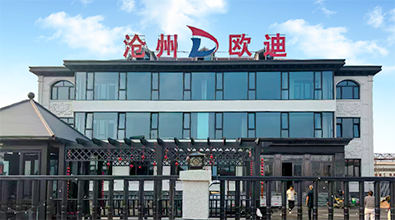
SINCE 1998 Your Reliable Pipeline Manufacturer