How to Reduce Costs on Carbon Steel Elbows?
To find a cost-effective carbon steel elbow procurement strategy, you need to know a lot about how the market works, what materials are needed, and how to choose a seller. The fastest way to do this is to work with qualified makers who offer factory-direct pricing, make sure that order amounts are optimized to get big savings, and make sure that elbow specs are exactly matched to system needs instead of being over-engineered. By cutting out middlemen, buyers can usually save 15 to 30 percent on costs while still meeting ISO 9001 quality standards. Examining the benefits of regional manufacturing, particularly in well-established production hubs that utilize new tools and simplified processes, can make products more affordable while maintaining their quality and compliance with ANSI, JIS, DIN, or BS standards.
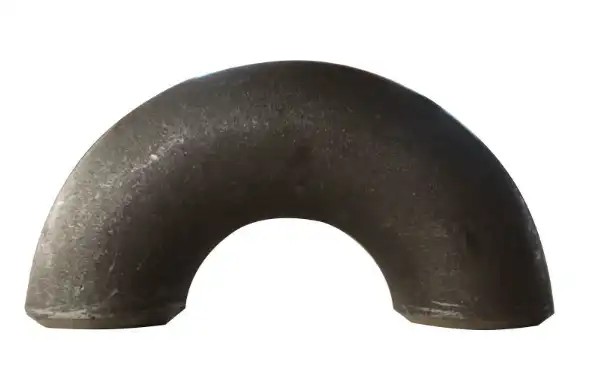
Understanding the Cost Factors of Carbon Steel Elbows
Carbon steel elbows are important parts of industrial pipe systems in the natural gas, water conservation, chemical, and oil and gas industries. Their price structure is based on several interconnected factors that procurement workers need to carefully look at to maintain a cost-effective carbon steel elbow inventory. The main thing that determines cost is the makeup of the material. The amount of carbon and alloys added directly affects both price and function. Different ways of making things, like continuous joining, hot pressing, or welding, cause big price differences and change the way things are built and how much pressure can be applied.
Material Grade and Carbon Content Impact
There are big price differences when you choose between normal carbon steel grades and specific alloys. Standard carbon steel elbows usually have between 0.05 and 0.30% carbon in them, which makes them strong enough for most industry uses at a price that is difficult to beat. Higher carbon rates or alloyed versions make the material pricier, but they make it more resistant to rust and keep its temperature better. A lot of the time, procurement managers discover that defining the minimum acceptable grade instead of premium products saves a lot of money without affecting performance in moderate-pressure settings.
Manufacturing Process Considerations
Seamless carbon steel elbows are pricier because they are more structurally sound and better at letting fluids flow through them. Weld joints could become weak under high pressure, but the continuous material makeup gets rid of those threats. These bends cause less commotion and pressure drop, which means the system works better and lasts longer. When you compare the two options, welding elbows made by hot forming or cold forming have lower initial costs while still meeting performance standards for uses that don't need very high pressure ratings. By understanding these trade-offs, you can make smart choices that balance the initial investment with the long-term value of the business.
Dimensional Specifications and Wall Thickness
Size factors like diameter, bend radius, and wall thickness from the SCH10 to SCHXXS plans are directly related to the amount of material needed and the difficulty of making the product. Costs go up proportionally as the width of the elbow increases bigger because they need more raw materials and specialized tools. Choosing the right wall thickness is a great way to save money because many systems work just fine with normal schedules instead of the extra-heavy ones that are often required by overly cautious engineering practices.
Analyzing Causes of High Costs in Carbon Steel Elbow Procurement
Several regular factors lead to higher buying costs, which careful buyers can lower by using strategic sourcing methods for a cost-effective carbon steel elbow. Quality assurance and affordable pricing are always at odds with each other, but this balance can be managed with the right source review and standard alignment.
Order Quantity and Volume Pricing
As order volumes go up, per-unit costs go down by a lot, and most makers offer tiered price systems that encourage buying in bulk. There could be a 20–40% price difference between an order for 100 units and one for 1,000 units because of differences in how the production is set up and how much the materials cost. Companies that need more than 16,000 tons of goods a year have the most negotiating power when it comes to prices. However, even buyers with low volumes can save money by using consolidated buying strategies or consortium purchasing arrangements.
Regional Manufacturing Cost Disparities
The site of production greatly affects how prices are set. Asian manufacturing hubs, especially well-established industrial zones in China, provide businesses a competitive edge by combining supply lines, hiring skilled workers, and building factories with a lot of space. These areas have lower operating expenses and can support high-tech tools and strict quality control systems. Manufacturers with ISO 9001 certification and special equipment licenses can make goods that meet international standards at prices that are usually 30 to 50 percent less than the same goods made in the West. However, buyers need to think about shipping costs and wait times.
Hidden Costs in Certification and Compliance
In addition to unit prices, procurement funds need to include costs for tests, certification paperwork, and following the rules. Material traceability, nondestructive testing records, and compliance certificates for ANSI, JIS, DIN, or BS standards are needed for products that will be used in oil, gas, or chemicals. Reliable suppliers with well-established quality management systems include all necessary paperwork in their normal prices. Less qualified suppliers, on the other hand, may charge extra fees or send incomplete certification packages that cause problems later on and cause projects to be delayed.
Practical Principles to Reduce Costs Without Compromising Quality
Strategic methods to buying allow for big price cuts while keeping the quality standards that are necessary for a cost-effective carbon steel elbow system. These concepts require upfront analysis, but they deliver long-term financial gains throughout the supply chain.
Specification Optimization and Right-Sizing
Over-specification is one of the most common reasons that buying costs increase unnecessarily. A lot of the time, engineering teams choose safe pressure rates, high-end material grades, or wall thicknesses that are much thicker than what the system actually needs. By carefully studying the pressure, temperature, and corrosion environments, it is possible to choose the right-rated elbows instead of overbuilt parts. Elbows rated for 1500 PSI are rarely needed for a system that works at 600 PSI, but these kinds of requirements are common in purchase papers. Working with experienced providers to look over system factors and suggest the best specs can cut costs by 15 to 25 percent while still ensuring excellent performance margins.
Supply Chain Optimization Strategies
When you deal directly with certified makers, you skip the markups and middlemen fees that can add 20 to 40 percent to the end price. Factory-direct sourcing has other benefits as well, such as the ability to customize, get expert help, and communicate more easily. Forming relationships with makers who can consistently produce 16,000 tons per year guarantees a steady supply and better prices for customers who buy from them again and again.
Buying in bulk is still the easiest way to cut costs, but you have to weigh the savings on each unit against the costs of keeping the inventory. You can usually achieve this balance by negotiating minimum order numbers that match your needs every three or six months. Logistics for delivery also affect the total landing costs. For example, when makers offer consolidated shipping choices and flexible schedules, freight costs are much lower than when packages are small and made often.
Certified Factory Partnerships
When you choose providers with quality control systems that have been checked, ISO 9001 approval, and manufacturing licenses for special equipment, the total cost of ownership goes down because there are fewer defects and no need for rework. When manufacturers use modern tools and thorough inspection procedures, from checking the quality of the raw materials to nondestructive testing of the finished product, they can ensure uniform quality and avoid costly project delays and part replacements. Investing in qualified providers pays off in the form of fewer guarantee claims, more reliable systems, and easier compliance with regulations.
Case Studies: Successful Cost Reduction in Carbon Steel Elbow Procurement
Using strategic buying principles in the real world shows that cost-effective carbon steel elbow optimization is possible in a wide range of industry settings. As you can see, these cases show how to match financial goals with technical needs in real life.
Factory-Direct Bulk Purchasing
For a multi-phase installation, a project to build an electric power plant needed 2,500 carbon steel joints of different sizes. At first, area wholesalers gave the procurement team quotes that were about $45 per unit. They found a certified manufacturer with proven quality systems and the ability to ship directly. Then, they arranged a factory-direct deal at $28 per unit for the whole order, which saved them 38%. The manufacturer gave full certifications for the materials, test reports that met ANSI standards, and shipping plans that were staggered to match the stages of building. In addition to lowering costs right away, the relationship also provided better prices for future jobs and quick technical help during installation.
Material Specification Optimization
Based on current plant standards, an increase in a chemical processing facility called for 304 stainless steel elbows to be used throughout the new piping system. A thorough study of corrosion showed that 70% of the new system could handle fluids that aren't very toxic and are safe for use with carbon steel. Together with the engineering team at their source, they changed the specs so that carbon steel joints with the right protective coatings would be used in areas with low corrosion and stainless steel would only be used in important areas with high corrosion. This change to the specifications cut the cost of buying elbows across the whole project by $47,000 while keeping all safety and performance standards.
Strategic Supplier Evaluation
In the past, a company that built ships got elbows from different sources based on quotes for each job. This led to inconsistent quality and price changes. After putting in place a systematic process for evaluating suppliers that included checking certifications, figuring out production capacity, and looking at total costs, they decided to buy 80% of their yearly 400-ton elbow needs from a single qualified maker. The relationship cut costs by 22% through bulk pricing, made it easier to keep track of goods with just-in-time shipping plans, and improved quality consistency, which cut the need for 65% more installation work.
Summary and Key Takeaways for Procurement Managers
Instead of just comparing prices, strategic analysis is the best way to cut down on the cost of a cost-effective carbon steel elbow. Material properties and production methods have a direct effect on both the initial prices and the long-term performance of a system. This is why it is important to make well-informed specification decisions. By precisely aligning requirements, you can avoid over-engineering and save money while still leaving enough room for error. Having factory-direct ties with ISO 9001-certified companies that make a wide range of products cuts out middlemen and ensures consistent quality. Bulk buying strategies take advantage of lower prices for larger quantities, but they need to be coordinated with project timelines and the ability to keep track of supplies. Procurement professionals who excel in their roles maintain communication with their suppliers, monitor the condition of regional markets, and adjust their purchasing strategies to achieve the best balance between cost-effectiveness and reliability in sectors such as oil, chemicals, natural gas, and water conservation.
FAQ
How can I verify the quality of carbon steel elbows from a new supplier?
Genuine carbon steel elbows from reputable manufacturers have specific marks on the material, such as grade names, heat numbers, and stamps that identify the maker. Ask for all the paperwork you can, like copies of your ISO 9001 certification, material test records, and the results of any nondestructive testing. Check to see if your sellers have the right licensing to make special tools and that they have full inspection systems in place, from receiving the raw materials to checking out the finished goods. Reputable makers are happy to give you factory audit chances and lists of references from past customers in the chemical, oil, gas, and water conservation industries.
What are typical lead times for orders of bulk carbon steel elbows?
When bought from manufacturers who keep ready-to-use raw materials on hand, standard carbon steel elbows in popular sizes and schedules usually take three to five weeks to be made and quality checked. Orders that are more than 100 tons or need special specs may take 6 to 8 weeks longer, based on the production schedule and the cost of getting the materials. Manufacturers with a yearly capacity of 16,000 tons can usually meet pressing needs by speeding up the processing, but such actions may have an effect on the price. Setting up framework deals with chosen providers lets you plan output around more predictable lead times.
Are carbon steel elbows suitable for high-pressure applications?
When properly defined based on pressure ratings, wall thickness schedules, and temperature conditions, carbon steel elbows work consistently in high-pressure systems. Seamless carbon steel elbows work especially well in high-pressure settings because they are made of a single piece of material and don't have any weld gaps that could be stress spots. Standard carbon steel can handle pressures of up to 2500 PSI when used in the right way, while alloy steel versions can handle tougher situations. When evaluating an application, pressure rates, temperature cycles, corrosion environments, and safety factor needs should be taken into account to determine whether carbon steel or other materials, such as stainless steel, offer the best cost-performance balance.
Partner with Oudi for Cost-Effective Carbon Steel Elbow Solutions
To get big savings on purchases, you need to work with a maker that offers a cost-effective carbon steel elbow solution with low factory-direct prices, well-established quality systems, and a wide range of products. Cangzhou Oudi Pipe Manufacture Co., Ltd. offers this exact mix, drawing on more than 20 years of experience making pipe fittings out of carbon steel, stainless steel, and alloy steel. Our annual production capacity of 16,000 tons meets the needs of large orders, and our ISO 9001 certification and special equipment manufacturing licenses make sure that the quality of every shipment is the same. We have over 300 customers in 40 countries who work in the oil, chemical, natural gas, and water conservation industries. The goods we sell are in line with ANSI, JIS, DIN, and BS standards and come with full testing and approval paperwork. Our engineering team works with your procurement experts to find the best specs, find ways to cut costs, and make sure the supply chain is reliable by offering flexible delivery times. Get a full price on cost-effective options for carbon steel elbows that are tailored to your project needs by emailing our team at oudi-04@oudiguandao.com. You'll also learn how working with a well-known source adds value to the whole procurement process.
References
1. American Society of Mechanical Engineers. (2019). ASME B16.9: Factory-Made Wrought Buttwelding Fittings. New York: ASME Press.
2. Davis, J.R. (2006). Corrosion of Carbon Steels. In Corrosion: Understanding the Basics (pp. 267-302). Materials Park, OH: ASM International.
3. International Organization for Standardization. (2015). ISO 9001:2015 Quality Management Systems—Requirements. Geneva: ISO.
4. Kumar, S., & Wilson, M. (2018). Strategic Sourcing in Industrial Procurement: Cost Reduction Through Supplier Partnerships. Journal of Supply Chain Management, 54(3), 78-94.
5. Mohitpour, M., Golshan, H., & Murray, A. (2007). Pipeline Design and Construction: A Practical Approach (3rd ed.). New York: ASME Press.
6. Zhang, L., & Anderson, P. (2021). Manufacturing Process Optimization in Pipe Fitting Production: Quality and Cost Analysis. International Journal of Advanced Manufacturing Technology, 112(5), 1547-1562.

Need help finding the right solution with our experts. Please contact us.

SINCE 1998 Your Reliable Pipeline Manufacturer



