Chemical-Grade Carbon Steel Elbows – Key Benefits
Choosing the right pipe parts isn't just a technical choice for people who are in charge of fluid transport systems in harsh chemical processing settings; it's also an investment in the safety and efficiency of operations. Chemical industry carbon steel elbows have become necessary parts for plant managers and procurement workers who need solid, low-cost options that can work in harsh circumstances. These special fittings make it easy to change the direction of pipes while keeping the structure strong under high pressure, changing temperatures, and exposure to chemicals that break down metals. Because of this, they are essential in facilities around the world that refine oil, process gas, treat water, and make industrial chemicals.
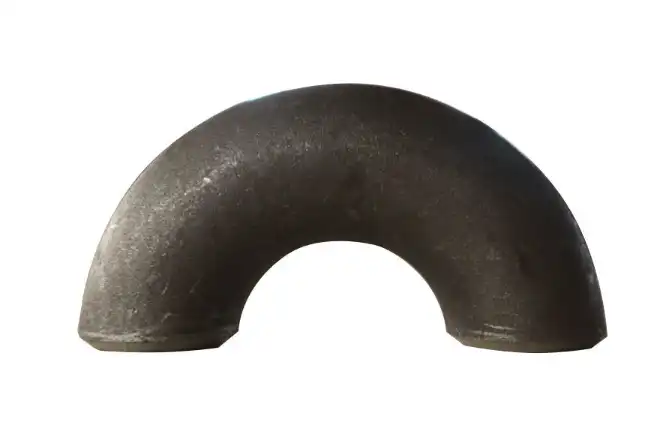
Understanding Chemical-Grade Carbon Steel Elbows
What Makes Chemical-Grade Elbows Different?
Chemical industry carbon steel elbows made for chemical uses are made according to strict rules that set them apart from other industrial parts. These parts have been tested and found to meet strict foreign standards such as ASTM, ISO 9001, ANSI, JIS, DIN, and BS. Before production starts, we get the best raw materials and make sure they have the right mechanical qualities by testing them thoroughly to find out their tensile strength, yield capacity, and ductility scores.
The way the elbows are made has a big effect on how well they work in chemical conditions. Seamless elbows are made by hot-pushing methods that get rid of weld gaps and make the fitting's grain structures the same all the way through. This method makes parts that can handle more pressure and cuts down on places where harmful chemicals could get in and cause them to fail. When you use straight-seam technology to make welded bends, you can save money while still getting good performance for many chemical transport uses. We use hot forming techniques to shape the material at high temperatures, which improves chemical bonds and makes sure the measurements are correct.
Common Configurations and Their Applications
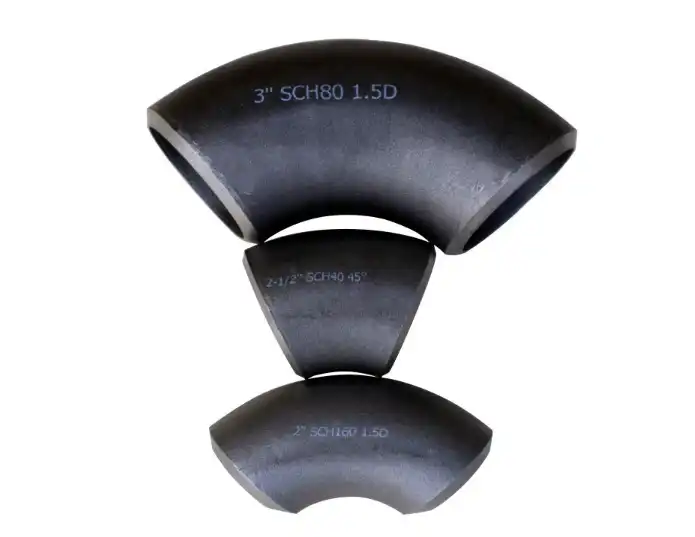
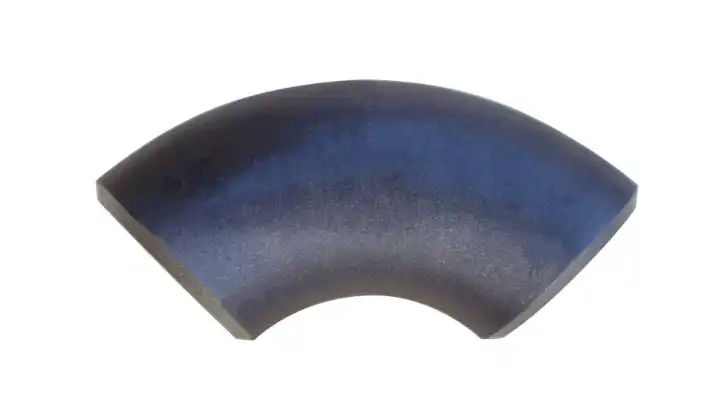
To work with complex plant plans, chemical pipe systems need to be able to handle different curve angles and radius requirements. The 90-degree elbow lets you change directions perpendicularly. Short-radius versions are available for tight installation areas where the bend radius is the same as the pipe width. Long radius 90-degree bends make flow changes smoother and reduce turbulence and pressure drops. This is especially important when moving chemicals or slurries that are thick and sticky.
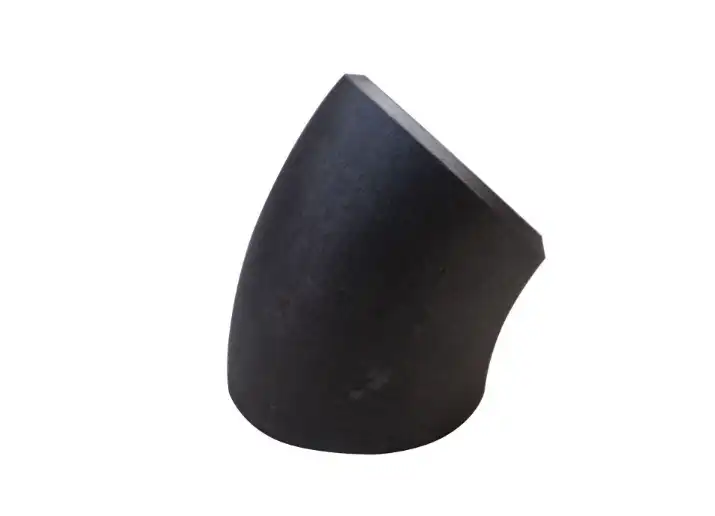
The 45-degree elbow is used in situations where the flow needs to be moderately changed in direction while still being easier than tighter angles. These fittings lower the stress levels where pipes meet and stop fluids with particles from wearing away the pipe. Reducing elbows combine changes in direction and diameters, combining two fittings into one part that makes installation faster and lowers the number of places where leaks could happen.
Different connection methods are used for different systems. Butt-welded (BW) elbows are most common in high-pressure chemical uses. This is because the welded joint spreads stress evenly across the pipe wall. Socket-welded (SW) fittings are good for lines with a smaller diameter and where installation needs to be easy. Threaded connections work well for low-pressure secondary systems that will need to be taken apart for repair.
Key Benefits of Using Carbon Steel Elbows in Chemical Industry
Superior Mechanical Strength Under Pressure
When chemicals are processed, they are often under high pressures that require strong pipe parts. Chemical industry carbon steel elbows have a very high tensile strength, which can be anywhere from 415 MPa to 550 MPa based on the grade and heat treatment. Because of this, they can handle internal pressures higher than 2,000 psi in many situations. This makes them good for high-pressure reactor feed lines, distillation column connections, and pressurized storage transfers.
The material's ability to bend adds an extra safety cushion. Instead of breaking apart in a terrible way through brittle fracture, carbon steel deforms plastically under extreme stress, showing visible signs of failure before it happens completely. In chemical plants, where sudden breaks could let dangerous materials out, this trait is very useful. The temperature range that normal carbon steel grades can handle is from very cold temperatures to about 425°C, which is enough for most chemical processes.
Cost-Effectiveness Without Performance Compromise
Every purchase choice is affected by budget, but it's especially true for big projects that need hundreds of fits. Compared to stainless steel and unique alloys, carbon steel elbows for the chemical industry are a much better deal in terms of cost. The cost of materials is usually 40–60% less than the cost of stainless steel parts that are the same. This can save a lot of money on large pipe networks.
These perks at the start of the cost last for the whole duration of the product. Chemical industry carbon steel elbows used in chemical service can last between 15 and 25 years if they are properly kept with protection coatings and regular inspections. When low purchase prices, long work lives, and low upkeep needs are added together, the total cost of ownership comes out in the positive. This financial efficiency has a direct effect on how much money chemical companies make without losing safety or dependability.
Carbon steel joints are easy to find, which makes managing the supply chain easier. Unlike exotic metals, which may have long lead times and few suppliers, carbon steel parts are made all over the world to the same high-quality standards. We keep up a production capacity of 16,000 tons per year, which means that we always have enough supplies for both planned projects and last-minute backups.
Enhanced Corrosion Resistance Through Surface Treatment
Raw carbon steel has a middling resistance to rust, but protective surface processes make it much more resistant. Zinc layers are added to galvanized coats, and they give up their lives to protect the steel underneath from rusting. Epoxy coatings make walls that can't be broken down by water or chemicals. This is especially useful in water treatment applications where chlorine and other disinfectants are present.
Special coats like fusion-bonded epoxy or polyurethane linings make things last a lot longer in harsh chemical settings with acids, caustics, or solvents. These processes turn chemical industry carbon steel elbows into corrosion-resistant parts that can be used in tough situations for a lot less money than similar parts made of unusual alloys. The best performance is guaranteed when the right treatment is chosen based on the chemical exposure profiles.
We use non-destructive testing methods like ultrasound and radiographic screening to keep a close eye on quality throughout the whole production process. Before parts leave our plant, this thorough process finds internal flaws, checks that wall thickness is regular, and makes sure that measurements are correct. This kind of care for quality assurance gives you faith that the fits will work well in real-world situations.
Carbon Steel Elbow vs Alternative Materials – Making the Right Choice
Material Performance Comparison
To choose the right elbow materials, you have to weigh a lot of performance factors against business needs, project costs, and performance factors. Chemical industry carbon steel elbow has the best strength-to-cost ratio. Its mechanical qualities are good enough for most chemical uses, and it is still affordable. Stainless steel is better at resisting rusting than carbon steel. This is especially useful in places that are very acidic or chloride-rich, where carbon steel would rust quickly even with protective coats. When exposed to high temperatures or certain chemicals, alloy steels that contain chromium, molybdenum, or nickel have better qualities.
In the decision matrix, you have to look at the properties of the fluid, the working temperatures, the pressure requirements, and the projected service life. Elbows made of carbon steel work great with natural gas, oil products, steam, process water, and many organic chemicals. Stainless steel or metal options may be worth the extra money for uses that involve strong acids, high-chloride brines, or constant temperatures above 425°C.
Seamless Versus Welded Construction
Choosing the right manufacturing method affects both cost and effectiveness. When hot-pushing is used to make seamless elbows, the material properties are the same all the way through the joint, so there are no weld-line weaknesses. This way of building works well for important jobs where stopping leaks is very important, like in dangerous chemical transfer lines and high-pressure reactor connections. Since there are no horizontal gaps, there are no places where corrosion could start or weak spots where stress could build up.
For bigger diameter uses and lower-pressure services, welded elbows made from plate or pipe pieces are cheaper. With today's welding methods and post-weld heat treatment, joints are almost as strong as the base metal. This means that welded construction is fine for many chemical pipe systems. We use strict welding methods and check all welded seams with X-rays to make sure they meet the same quality standards as smooth options when the job calls for it.
Decision Criteria for Optimal Selection
When choosing materials and building methods for elbows, procurement teams should look at a number of technical factors. The design pressure and temperature of a pipeline set the basic material needs, and safety gaps are built into the specs. Chemical compatibility data sheets help choose materials by showing how quickly certain process fluids can corrode and break down materials.
Regulatory compliance requirements, such as the ASME B31.3 process pipe rules and industry-specific standards, limit the types of materials that can be used in some situations. Certification paperwork that shows you've met these standards shields you from legal problems and makes sure your insurance coverage stays valid. We keep our ISO 9001:2000 quality management certification and licenses to make special tools, which show that we are dedicated to meeting world quality standards.
Procurement Considerations for Chemical-Grade Carbon Steel Elbows
Supplier Evaluation and Certification Verification
Comparing price quotes is not the only way to find trusted providers. Verifying quality management licenses gives you peace of mind that the manufacturing processes have the right rules and paperwork in place. Systematic quality management practices are shown by ISO 9001 certification, while industry-specific badges show that a company knows how to make parts for tough uses.
A manufacturing capacity review should look at how advanced the production equipment is, what inspection technology is available, and how qualified the technical staff is. We have state-of-the-art making tools and full testing facilities that can check mechanical properties, check dimensions, and do non-destructive testing. This investment in infrastructure makes sure that the standard of the product stays the same no matter how much is made.
A supplier's history of serving global markets shows how mature their operations are and how well they can handle the challenges of international transportation. We know what paperwork, packaging, and shipping needs to be done to make sure goods get to their destination safely and that customs clearance goes quickly because we've worked with over 300 customers in 40 countries across Europe, North and South America, Africa, Southeast Asia, and the Middle East.
Logistics and Order Management
Timelines for projects rely on accurate shipping schedules that line up the supply of parts with building milestones. Expected lead times depend on how complicated the order is. Standard specs can usually be met from stock, but custom designs need time to be manufactured. We keep our production flexible so that we can meet both pressing replacement needs and planned project outputs.
Planning to buy things is affected by minimum order amounts, especially for smaller tasks or restocking maintenance items. We have fair MOQ terms that strike a mix between making things quickly and giving customers options. Bulk buying choices offer discounts for big projects, which lowers costs and makes the project more profitable overall.
Custom manufacturing lets you meet special needs that can't be met by standard catalog goods. Together with our customers, our research team comes up with solutions that meet specific size needs, material grades, or performance standards. This consultative method makes sure that the best parts are chosen based on the real working conditions, rather than forcing applications to work within the limits of what's available on the market.
Maintenance and Best Practices for Carbon Steel Elbows in Chemical Plants
Routine Inspection Protocols
Proactive repair programs keep parts working longer and stop them from breaking down when they're least expected, which can stop activities. Visual inspections should be done every three months to check the outside of things for damage from contact, covering wear, or rust formation. Pay special attention to the elbow extrados (outer bend radius) and intrados (inner bend radius) because that's where erosion from fluids full of particles tends to gather and where rusting usually starts.
Non-destructive testing methods give information about the inside state of pipes without taking them apart. Ultrasonic thickness measurement keeps track of how much a wall is losing thickness, which lets repair plans be made ahead of time before the critical minimum thickness is reached. An X-ray can show internal rust spots or crack growth that you can't see when you look at the surface. We suggest that important service lines be inspected by NDT once a year and general process pipes be tested every two years.
Writing down what was found during a check makes historical records that show patterns of wear and tear and help with choices about when to replace something. This data-driven method makes the best use of maintenance funds by replacing parts based on their real state instead of random time intervals. This keeps costs down by avoiding both wasteful replacements and failures while the parts are still in use.
Corrosion Prevention Strategies
Protective coating care keeps the barrier between carbon steel elbows used in the chemical industry and their rust-prone surroundings in good shape. If the coating gets damaged by impact, temperature cycles, or natural wear and tear, it needs to be fixed right away to stop localized corrosion from starting. To keep the security intact, touch-ups should use covering materials that work with the original system.
Managing process parameters has a big effect on rusting rates. Keeping the pH level within certain ranges, stopping air from getting into systems that deal with water-based fluids, and keeping temperature changes within the limits set by the designers all help to increase the life of parts. Chemical inhibitor programs add substances that stop corrosion to process lines. This adds another layer of protection on top of physical coats.
Cathodic protection systems keep underground or submerged pipe parts from corroding electrochemically. Controlled electrical current is sent through these systems, which changes the electrochemical potential of steel surfaces so that rust processes can't happen. Cathodic protection is usually only used on straight pieces of pipe, but in serious situations, it can also be used on joint fittings.
Replacement Indicators and Service Life Optimization
Knowing when elbows have hit the end of their useful life keeps them from breaking in terrible ways and keeps you from having to replace parts that still have life left in them. If the wall thickness is less than the necessary design standards, it needs to be replaced right away, no matter how it looks from the outside. Changes in shape, bulge, or deformation that can be seen are signs of material wear or creep damage that needs to be taken out of service.
Obviously, if a leak grows, the whole thing needs to be replaced. But regular inspections should find damage before it gets through the wall. When planned shutdowns happen, an internal inspection shows erosion patterns, rust damage, and deposit buildup that an outward inspection can't see. This thorough evaluation helps set priorities for repair work and make budgets for planned turnaround activities.
When you set something up correctly, you set it up for the best possible service life. Making sure the right way to weld, the right way to heat treat welded parts, and the right way to align things so that stress doesn't build up are all things that add to long-term stability. We offer expert help and installation instructions to make sure that our parts work as intended for the whole time they are in use.
Conclusion
Chemical industry carbon steel elbows combine mechanical strength, cost-effectiveness, and a history of working well in a wide range of situations. Because they can withstand high pressure, can be shaped in different ways, and are less expensive than other materials, they are the first choice for chemical processing plants all over the world. By choosing the right materials for the job, checking the quality of the suppliers' work, making sure they have the right certifications, and setting up preventative maintenance plans, these important parts will last for decades and keep working safely and reliably. In a field where safety and keeping operations running smoothly are very important, it is very important to work with makers who have a lot of experience and know both the technical needs and the facts of procurement.
FAQ
Why are carbon steel elbows preferred in chemical industry applications?
For transporting oil, gas, and many chemicals, chemical industry carbon steel elbows are the best choice because they are strong, don't rust thanks to protective coatings, and are cheap. Their ability to handle high pressure makes them good for high-pressure processes, and the cost of the materials is still much lower than options made of stainless steel. Surface treatments that are done right can make things last longer in fairly corrosive settings.
How does carbon steel compare to stainless steel for chemical piping?
When it comes to cost-effectiveness and mechanical strength, chemical industry carbon steel elbows are the best choice for most fuel and process water uses. Stainless steel is better at resisting rust in places that are very salty or high in chlorides. The choice relies on the chemicals that will be exposed, with carbon steel being the best choice when protective coatings offer enough rust protection at a much lower cost.
What certifications should I verify when sourcing chemical-grade elbows?
Some important certifications are ISO 9001 for quality management systems, ASTM for material requirements, and compliance with ANSI, JIS, DIN, or BS norms that apply to your area. Special equipment production licenses show that you follow the rules. Each shipment should come with material test results and dimensional inspection certificates. These show that the goods meet the standards and let you track them back to the production runs they came from.
Partner with Oudi for Your Chemical Industry Carbon Steel Elbow Requirements
The chemical handling industry needs pipe parts that are reliable even in the toughest situations. Since 1998, Oudi has been making chemical industry carbon steel elbows for the chemical industry. They use advanced production techniques and strict quality control to make sure that every fitting meets international standards. Our annual capacity of 16,000 tons serves projects of all sizes, from emergency replacements to full-scale plant building plans. We maintain our ISO 9001 certification and licenses to make special tools, demonstrating our dedication to quality and excellence.
If you need help choosing the best elbow configurations, materials, and coatings for your chemical exposure profiles and working conditions, our scientific team is here to help. We have a wide range of products that meet ASTM, ANSI, JIS, DIN, and BS standards. These include seamless elbows for high-pressure uses that need to be done correctly and cost-effective soldered fittings for general service lines. Email us at oudi-04@oudiguandao.com to talk about your needs and get competitive prices and full technical specs. Oudi provides reliable quality and quick service that helps your business run smoothly and safely.
References
1. American Society of Mechanical Engineers. "ASME B31.3 Process Piping: Design, Materials, and Fabrication Requirements." ASME Press, 2020.
2. Davis, J.R. "Corrosion of Carbon Steel in Chemical Processing Environments: Material Selection and Prevention Strategies." ASM International Handbook, 2019.
3. European Committee for Standardization. "EN 10253 Butt-Welding Pipe Fittings: Technical Delivery Conditions for Steel Fittings." CEN Publishing, 2018.
4. Gupta, R.K. and Singh, M. "Comparative Performance Analysis of Piping Materials in Petrochemical Applications." Journal of Industrial Materials Engineering, Vol. 34, No. 2, 2021.
5. International Organization for Standardization. "ISO 9001:2015 Quality Management Systems Requirements and Implementation Guidelines." ISO Central Secretariat, 2015.
6. Mohitpour, M., Golshan, H., and Murray, A. "Pipeline Design and Construction: A Practical Approach for Material Selection and Installation." ASME Press, 2022.

Need help finding the right solution with our experts. Please contact us.

SINCE 1998 Your Reliable Pipeline Manufacturer



