Socket Weld Tee vs Butt Weld – Which Is Better?
Which one you choose between socket weld and butt weld joints depends on the needs of your application. Socket weld pipe tees work exceptionally well in high-pressure, small-bore situations where installation speed and joint stability are very important. They make fitting easier and sealing more reliable. Butt weld tees are the most common type of pipe used in high-pressure, large-diameter situations that need the most power and smooth flow inside. Both types are crucial in the oil, chemical, and power production industries. But knowing the technical differences between them helps buying managers make choices that save money and improve system performance.
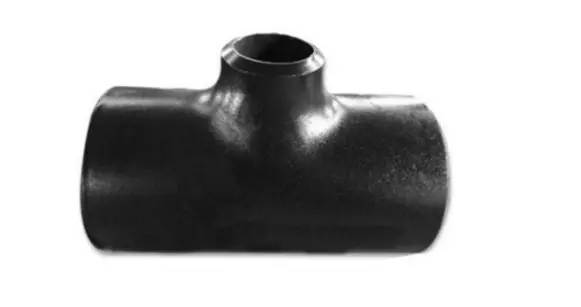
Understanding Socket Weld Tee and Butt Weld Tee
Design Fundamentals of Socket Weld Connections
Socket weld pipe tees have a hole that pipe ends can fit into before fillet welding around the outside diameter. These parts are made using forging methods that form dense grain structures that are strong against mechanical shock. They are governed by ASME B16.11 standards. The hole depth is usually between 9.5 mm and 12.7 mm, which helps with alignment and gets rid of the need for tack welding during installation.
Butt Weld Construction Principles
Butt weld tees connect pipes by touching them end to end, and full-penetration welds go around the whole joint. The dimensions of these fittings meet ASME B16.9 standards, and they can fit pipes with diameters ranging from 0.5 inches to several feet. For the welding process to work, the gaps and beveling must be precisely controlled. This makes sure that the internal paths are smooth and there is less chance of flow turbulence and damage in high-speed situations.
Material Standards and Pressure Classifications
It comes in three different grades: alloy steel (ASTM A182 F11/F22), stainless steel (ASTM A182 F304/F316, A403), and carbon steel (ASTM A105, A234 WPB). Most socket weld valves have pressure values of 3000, 6000, and 9000, which match pipe schedules 80, 160, and XXS. Though butt weld tees can fit a wider range of diameters, they have different thickness requirements based on the needs of the pipe wall. Knowing these details about the materials helps buying teams guess how well they will work in a wide range of temperatures, from very cold to 550°C steam.
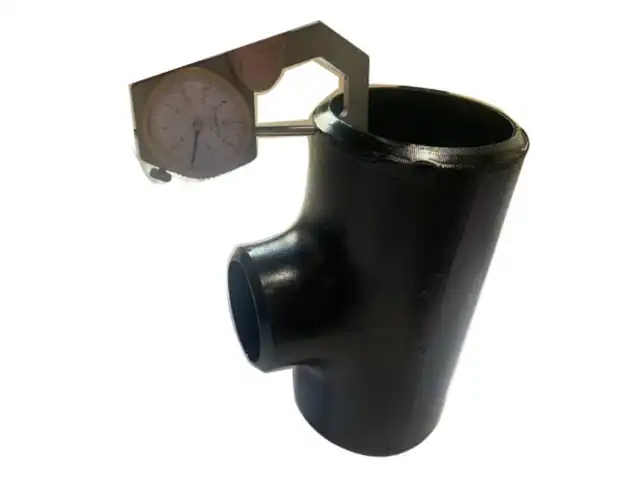
Technical Comparison – Socket Weld Tee vs Butt Weld Tee
Strength and Pressure Handling Capabilities
Butt weld tees are stronger because they fuse the whole pipe wall thickness. Because full-penetration welds spread stress out widely, these fittings can handle pressures above 10,000 PSI in demanding situations like offshore drilling platforms. The constant flow of metal grains makes it very resistant to wear, even when loaded and unloaded many times, which is common in compressor discharge lines.
Fillet welds hold the pipe's outside to the socket edge, which is how socket weld pipe tee joints work. The weld is good enough for Class 9000 use, but it doesn't go all the way through the pipe wall. This design works well in small-bore monitoring systems and sampling circuits where changes in temperature and shaking are bigger problems than changes in raw pressure.
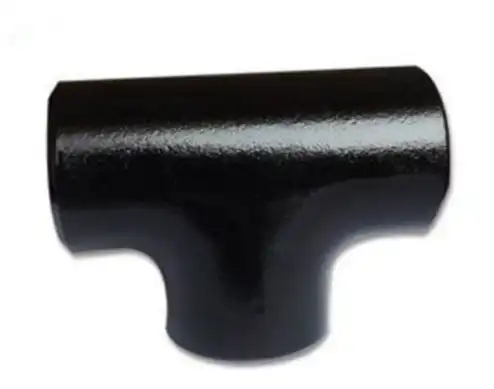
Installation Efficiency and Labor Requirements
Installing with a socket welder moves much faster than using a butt welder. The socket automatically aligns the parts, so welders can finish joints without having to go through complicated fit-up steps or use backing rings. This is helpful for installation teams who have to work in tight areas or crowded pipe racks where moving large-diameter pipes is challenging. A skilled machinist can make a socket weld joint in about half the time it takes to make a butt weld joint of the same size.
For stainless steel use, butt welding needs a lot of careful preparation, such as pipe cutting, beveling, alignment, and often cleaning. However, this investment leads to better weld quality with less flow blocking. Butt weld tees are better for slurry services and situations where pressure drop needs to be kept to a minimum because they don't have internal shoulders.
Inspection and Quality Assurance Protocols
Butt-weld parts need a lot of non-destructive testing, like X-rays, ultrasonic tests, or magnetic particle inspection, based on what the code says. These inspection methods cost more and take longer to plan, but they provide written proof of the soundness of the weld, which is needed for insurance purposes and to follow the rules in hazardous fluid services.
The external border is usually looked at visually and tested with a liquid penetrant as part of socket weld checks. Even though these methods aren't as thorough as butt weld NDT, they are good enough for most small-bore uses to check the strength of the joint. Procurement managers need to know that in some places, even socket welds in poisonous or flammable services have to be x-rayed, which could take away their installation edge.
Practical Decision Factors for Procurement Managers
Cost Analysis Across Project Lifecycle
When you first buy socket weld pipe tees, they are cheaper, especially for diameters below two inches. The forging method used to make Class 3000 and 6000 fittings, which are often kept in stock by wholesalers, creates economies of scale. Installation saves make this benefit even stronger. Less work and easier tooling needs mean 30–40% lower installed costs compared to options that butt weld in the right situations.
Butt weld tees are very expensive, especially when they are made of rare metals and have big sizes. But in harsh environments, their long service life and low upkeep needs often make the expense worth it. The smooth internal hole stops degradation in rough service and keeps pressure from dropping in long pipeline runs. This saves money on operations that add up over decades of use.
Application Suitability Guidelines
When working with pipes that are NPS 2 or smaller, socket weld joints are most common because it's harder to get good butt welds. They are great at making high-pressure steam trap assemblies, chemical injection skids, and networks of instrumentation tubes in factories and on offshore sites. The hermetic closing feature stops rogue emissions in volatile organic compound services that have to follow environmental rules.
Butt weld tees are needed for pipes with a bigger diameter and for uses that need smooth internal flow paths. Butt weld connections are used for main steam lines and feedwater systems that work above 2400 psi in power plants. In the same way, butt weld valves are the only ones used on long-distance natural gas transmission pipes to reduce internal turbulence and allow smart pigging operations.
Material Selection and Environmental Factors
Carbon steel socket weld tees work great for processing hydrocarbons up to 400°C and are a good value for refineries and industrial plants. For corrosive media like acids, chlorides, and high-purity water lines, you need certain types of stainless steel. Catalytic reforming units use alloy steels like F22, which can handle hydrogen service and high-temperature creep.
Environmental factors have a big effect on the choice of relationship. Offshore bases that are always shaking prefer socket welds for small-bore secondary systems, while butt welds are used for main process lines. To keep things from breaking easily, cryogenic LNG plants need materials that have been tested for impact and full-penetration welds. Knowing these specifics about the application helps buying teams choose the right fitting types that meet performance needs and stay within budget.
Addressing Common Comparison Questions
Socket Weld Installation Advantages
Socket weld pipe tees are very useful for repair jobs and maintenance turnarounds where time constraints force people to make decisions. The self-aligning socket lets a single user install it without having to set up complicated staging or alignment tools. When they are short on time and need to replace corroded fittings, maintenance teams working in running units like how easy this is. The external fillet weld also makes repairs easier because it's possible to remove and re-apply faulty welds without having to cut out whole pieces of pipe.
Butt Weld Performance Benefits
Butt weld links have the best strength and flow properties of any type of connection. Because there are no internal cracks, there are no entrapment zones where corrosive deposits can build up. This makes the product last longer in settings with sour gas and salt. Butt welds are the only way to get a smooth internal shape for pigging processes in pipeline systems. Full-penetration welds also allow stress-relieving heat treatment, which is necessary for thick-walled pressure tanks and service at temperatures above 480°C.
Material-Specific Considerations
Forgings made from ASTM A105 carbon steel socket weld tees work well in oil and gas gathering systems, boiler feedwater uses, and general plant utilities. Their forged grain structure makes them more resistant to pressure than cast options. Socket weld fittings made of ASTM A182 F316 stainless steel don't crack when exposed to salt stress corrosion in coastal areas, and they can handle temperatures up to 550°C in chemical reactors. Knowing these things about the material helps buyers match the fitting requirements to the real-world conditions instead of over-specifying based on the highest scores.
Procurement and Supply Chain Tips
Sourcing Strategies and Supplier Evaluation
To find excellent socket weld pipe tee and butt weld tee manufacturers, you need to check their output skills and quality control certifications. Suppliers with ISO 9001 certification and licenses to make special tools show that they are dedicated to maintaining quality control. Before accepting vendors for important projects, procurement teams should ask for material test results, records of dimensional inspections, and proof that they follow the ASME code.
Established companies that can make more than 16,000 tons of goods a year offer supply chain stability that smaller producers can't match. This level of production makes sure that there is enough money to buy raw materials, invest in high-tech testing tools, and handle extra orders during times when the project needs to move faster. Buyers working on several foreign projects benefit from providers who have successfully exported goods in Europe, North America, and the Middle East, where regulations are different from those in other regions.
Lead Time Planning and Order Optimization
Standard socket weld tees in popular sizes and pressure classes usually ship within two to three weeks from makers who keep stock. Lead times are extended to six to ten weeks for custom specs that need unique materials, non-standard sizes, or more testing. Early on in the project development process, procurement managers should find long-lead items and place advance orders to avoid plan delays during the building phases.
By taking advantage of volume savings and better shipping plans, buying in bulk can save you a lot of money. Combining orders from different stages of a project lowers the cost per unit and makes it easier to keep track of quality paperwork. But buyers have to weigh the costs of keeping goods against the savings they can get by buying in bulk. This is especially true for exotic alloy parts that can't be used in a lot of different projects.
Certification Verification and Quality Assurance
Tough rules for new inspections keep project supplies from getting low-quality fittings. Material test results that can be linked to heat numbers, dimensional inspection records that show compliance with ASME B16.11 or B16.9, and positive material identification testing for alloy proof should all be required by procurement standards. Independent lab testing of samples gives you more trust, especially when looking for new sources or adding fittings to services that are very important.
Factory checks are a great way to learn about a company's skills and quality mindset. Procurement teams can figure out how reliable a seller is without just looking at paper certifications by watching the production process, inspection methods, and traceability systems. When manufacturers allow customer checks and third-party reviews, they show that they are open and honest, which lowers the risk of buying things from other countries.
Conclusion
To choose between socket weld pipe tees and butt weld tees, you have to weigh the technical needs against the costs of the project and the facts of installation. Socket weld pipe tees are a cheap way to fix small-bore, high-pressure systems where fast fitting and reliable seals are important. Butt weld tees work great in extreme-condition situations with big diameters that need the most strength and smooth flow inside. To be successful in procurement, you need to understand these technical differences, check the credentials of the seller, and make sure that the fitting specifications match the real working conditions instead of over-specifying to be safe.
FAQ
Can socket weld tees handle high-pressure applications reliably?
When placed correctly according to the ASME B31.3 code, socket weld pipe tees work consistently in high-pressure systems up to Class 9000 ratings. For small-bore uses, their cast structure makes them very strong. But for best pressure control and code compliance, pipe sizes above NPS 2 usually need butt weld joints.
What drives the specification of butt welds over socket weld fittings?
Butt weld tees are needed when the smoothness of the internal flow affects how well the system works, like when pigging operations or moving slurry is happening. Butt weld standards are also affected by large diameter needs above NPS 2, high temperature cycling above 500°C, and places that require full-penetration welds for dangerous services. When stress concentrates in thick-walled, high-pressure pipe systems, better strength distribution can handle it better.
How does material choice affect socket weld tee performance?
Material choice has a big effect on how well something resists rust, how well it works at high temperatures, and how strong it is. Carbon steel socket weld tees work well for processing hydrocarbons in general, while types made of stainless steel stop salt stress corrosion in coastal areas. In high-temperature reforming situations, alloy steels can handle hydrogen embrittlement and creep. By matching the material's specs to the real process conditions, early failures can be avoided and lifetime costs can be kept as low as possible.
Partner with Oudi for Your Pipe Fitting Requirements
Picking the correct socket weld pipe tee provider is important for the project's success and not just for saving money on the original purchase. Oudi has been making things for 25 years and has ISO 9001 certification and special equipment licenses that ensure the quality of all of their parts, whether they are made of carbon steel, stainless steel, or alloy steel. Our annual production capacity of 16,000 tons keeps projects on schedule while we keep tight quality control, from inspecting the raw materials to testing the finished products. We provide fittings that meet ASME B16.11 and B16.9 standards to the oil, chemical, and power production industries in North America, Europe, and the Middle East for more than 300 users in 40 countries. Talk to our team at oudi-04@oudiguandao.com about your needs, ask for material certifications, and get reasonable quotes from a reputable socket weld pipe tee maker with a track record of reliable global supply chains.
References
1. American Society of Mechanical Engineers. (2021). ASME B16.11: Forged Fittings, Socket-Welding, and Threaded. ASME Press.
2. American Society of Mechanical Engineers. (2020). ASME B16.9: Factory-Made Wrought Buttwelding Fittings. ASME Press.
3. American Petroleum Institute. (2019). API 570: Piping Inspection Code – In-service Inspection, Rating, Repair, and Alteration of Piping Systems. API Publishing Services.
4. Becht, C. (2018). Process Piping: The Complete Guide to ASME B31.3 (4th ed.). ASME Press.
5. Nayyar, M. L. (2020). Piping Handbook (8th ed.). McGraw-Hill Education.
6. Singh, A. & Kumar, R. (2022). Comparative Analysis of Socket Weld and Butt Weld Joint Integrity in High-Pressure Piping Systems. Journal of Pressure Vessel Technology, 144(3), 031503.

Need help finding the right solution with our experts. Please contact us.

SINCE 1998 Your Reliable Pipeline Manufacturer



