Chemical Industry Carbon Steel Elbow Procurement Guide for Plants
Chemical industry carbon steel elbow products are essential parts of process infrastructure that plant managers and sourcing specialists look for when they need reliable pipe solutions. In pipeline systems that handle corrosive chemicals, petroleum products, and process gases at high temperatures and pressures, these valves change the flow paths. Chemical processing plants around the world can make smart buying choices that balance performance, safety, and budget by knowing their requirements, selection criteria, and methods for evaluating suppliers.
Understanding Carbon Steel Elbows in Chemical Plants
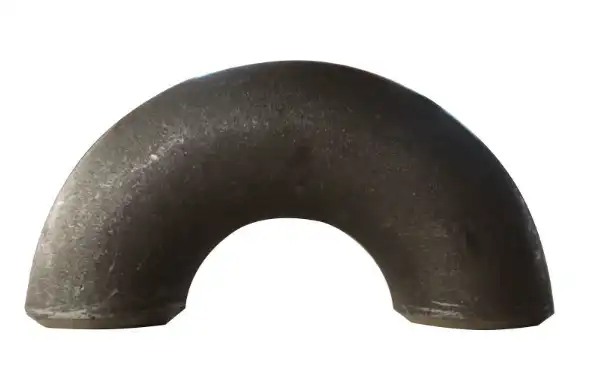
Chemical industry carbon steel elbows are important parts of chemical plant pipe systems that change the direction of flow. They let gases and fluids move through complicated plant plans while keeping the flow steady and the structure strong.
What Defines a Carbon Steel Elbow
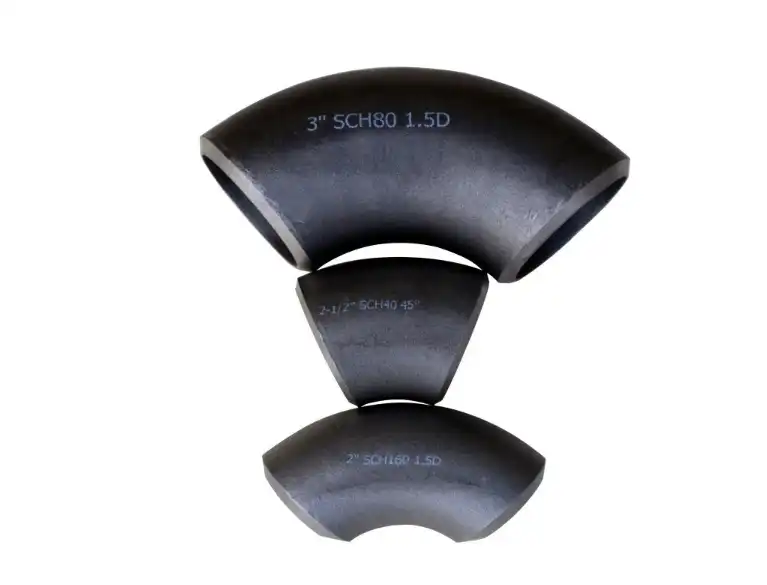
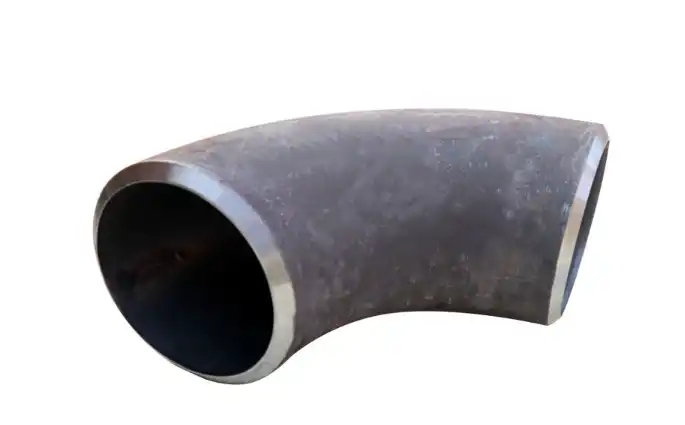
A Chemical industry carbon steel elbow is a pipe fitting made from ferrous metals that mostly contain iron and carbon (0.05% to 2.1% by weight). It is used to change the direction of a pipeline at certain points. You can connect these parts using either butt welding or socket welding. They are strong enough to withstand pressures of more than 4,000 PSI in some types. Chemical companies count on these parts because they have high tensile strength (between 48,000 and 80,000 PSI, depending on the grade), reliable thermal expansion, and the ability to be welded, which makes installation easier in the field. Unlike stainless steel versions, carbon steel versions work well in situations where average rust protection is enough. This means they can be used in chemical settings that aren't very corrosive and in hydrocarbon handling.
Common Types and Manufacturing Methods
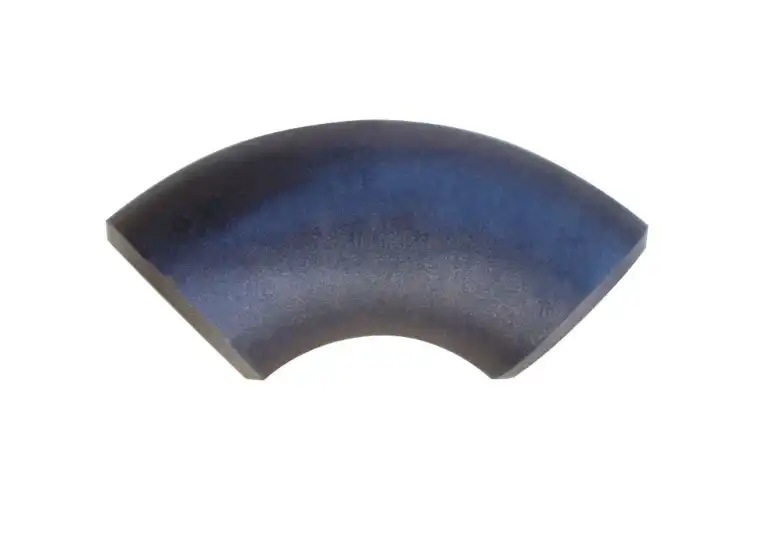
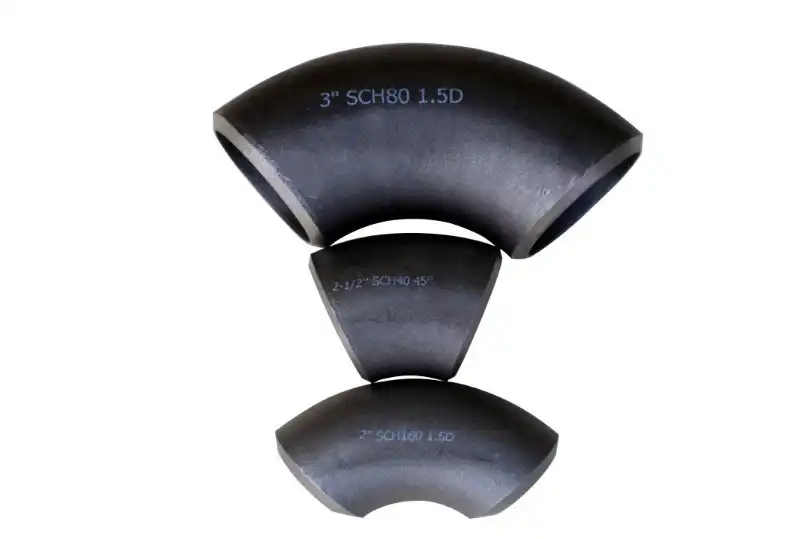
When they are made, chemical-grade elbows come in two main styles. When solid pipe stock is heated and shaped with mandrels or pushing equipment, seamless elbows are made. This creates walls that are all the same width and have no longitudinal gaps. This way of making things gives better resistance to pressure and wear, so seamless choices are better for important process uses and high-pressure steam lines. On the other hand, welded elbows are made from flat plate or coiled steel that is rolled and joined using electric resistance welding (ERW) or submerged arc welding (SAW). They are cheaper for bigger diameter uses where the pressure is moderate. The shape of these parts changes depending on what they are used for. Long radius elbows have a centerline-to-face dimension that is 1.5 times the standard pipe diameter. This makes the flow changes smoother and reduces pressure drop and erosion, which are important in chemical transfer lines that deal with abrasive slurries. Short radius elbows, whose central dimensions are the same as the pipe diameter, can be used in places where room is limited, but they cause more turbulence. Angle shapes usually come in 45-degree and 90-degree forms. 45-degree bends offer gradual changes in direction that lower hydraulic losses in long pipeline runs.
Pressure Ratings and Chemical Compatibility
According to ASME B16.9 standards, the name of a pressure class is based on ratings for typical wall thicknesses at different internal pressures. These ratings include Schedule 40, Schedule 80, and Schedule 160. Schedule 80 elbows are often used in chemical plants that work with high-temperature liquids because they can handle both pressure stress and heat expansion without shrinking the walls. ASTM A234 WPB grades are used for general chemical uses between -20°F and 650°F. A420 WPL6 grades are used for low-temperature service down to -50°F, which keeps chemicals from breaking easily in cold storage systems. Chemical industry carbon steel elbow products still have good corrosion protection in many chemical conditions, especially those with hydrocarbons, some alkalis, and non-oxidizing acids in small amounts. In neutral pH conditions, the material naturally forms an oxide layer that protects it and slows down its breakdown. When plants work with stronger chemicals like sulfuric acid or chlorine compounds, they use protective coatings, cathodic protection systems, or higher-quality alloys to make the equipment last longer and avoid unexpected shutdowns.
How to Select the Best Carbon Steel Elbow for Chemical Processing
To choose the right elbow specifications, you need to look at the process factors, the working environment, and long-term maintenance issues that have a direct effect on the safety and efficiency of the plant.
Material Grade Selection Criteria
Chemical compatibility testing is the first step in choosing a material grade. ASTM A234 WPB is the standard grade for general chemical service. It has a maximum carbon content of 0.30%, which makes it easy to weld and gives it a tensile strength of about 60,000 PSI. Plants that work in cold areas or with liquefied petroleum gases need A420 WPL6 types that are tougher at low temperatures. This is proven by Charpy impact tests at -50°F. For high-temperature uses like steam reforming or thermal oxidizer exhaust systems, you need A234 WP11 or WP22 alloy steel types with molybdenum and chromium added to them so they don't bend or rust above 650°F. Tolerances in chemical makeup have an effect on how well a field works. To keep hot cracking from happening during welding and to lower the risk of hydrogen-induced cracking in sour gas settings with hydrogen sulfide, the sulfur and phosphorus contents should stay below 0.035% each. A manganese makeup of between 0.29% and 1.06% makes the material stronger and tougher. This is especially helpful in dynamic loading situations where temperature cycling or vibration stresses can damage the fit.
Pressure and Temperature Considerations
To match the pressure class to the running conditions of the system, the design pressure must be calculated using the highest allowable working pressure plus the safety factors required by the ASME B31.3 Process Piping Code. For a chemical reactor circulation loop that works at 450 PSI and sometimes goes up to 600 PSI, Schedule 80 fittings designed for 1,000 PSI at working temperature are usually enough to make sure nothing breaks. As temperatures rise, temperature derating factors lower the amount of stress that can be used. For long-term high-temperature work, thicker walls or better metal types are needed. Calculations of thermal expansion affect the choice of curve for long pipeline runs. When the temperature of carbon steel goes up by 100°F, it grows by about 6.5 microinches per inch. This causes large amounts of linear movement in hot process lines. The right placement and anchoring of the elbows allow for this movement through expansion loops or flex joints, which keeps stiff links from being overstressed.
Seamless vs. Welded Construction
When deciding between seamless and welded elbows, you need to look at factors like price, pressure intensity, and cyclic loads. When you use seamless construction, there is no lengthwise weld line, so there is no place where stress could build up and no weak link in high-pressure or fatigue-sensitive situations. Chemical companies use seamless elbows for important services like high-pressure steam heads, emergency relief pipes, and process streams that start up and shut down a lot, which can cause thermal fatigue. Welded Chemical industry carbon steel elbow products are a cost-effective way to solve problems with bigger bores (12 inches or more), where making things without seams would be too expensive. Modern welding technologies and non-destructive testing methods make sure that the quality of the weld passes strict code requirements. This means that welded choices can be used for many moderate-pressure chemical transfer tasks. There is a small change in wall thickness and a chance of mechanical discontinuity because of the seam. Quality-conscious plants check for these problems with X-ray or ultrasound inspections.
Procurement Process: Buying Carbon Steel Elbows for Chemical Plants
To make sure that quality is maintained, suppliers are trusted, and costs are kept as low as possible while still meeting project deadlines and following the rules that guide operations in the chemical industry, buying must be done efficiently.
Identifying Certified Manufacturers
Before choosing a supplier, make sure they have quality management certifications that show they are committed to systematic process controls and ongoing growth. Getting ISO 9001:2015 approval means that a company follows written steps for controlling the design, keeping an eye on production, and taking corrective actions. These are important steps that make sure the quality of the products is always the same. To make sure they have the right skills, chemical plant buying teams should make sure that the certification scope includes making pipe fittings and not just metal fabrication in general. Specialized licenses for making parts give you even more peace of mind. In some places, making parts for pressure vessels and pipes requires special equipment and permits from the government. These permits make sure that the production facilities, testing equipment, and staff skills meet the rules. These authorizations show that a maker has put money into compliance infrastructure and agrees to be audited on a regular basis. This lowers the risk of buying goods that aren't up to par, getting into important plant systems.
The production potential evaluation looks at how big the factory is and how advanced the technology is. A production capacity of more than 15,000 tons per year means that the company has been around for a while, has stable supply lines, and can buy in bulk, which helps them keep their prices low. Advanced tools like CNC mandrel bending machines, automated ultrasonic testing systems, and spectroscopy analyzers for positive material identification show that the company has the technical know-how to make parts that meet exact size and material property requirements. We at Oudi keep up a 16,000-ton yearly capacity with the help of full inspection equipment that meets all American, Japanese, German, and British standards for discovery.
Evaluating Quality Assurance Systems
Quality control methods require a close look when evaluating a seller. Reliable makers use full inspection systems that cover the whole process, from accepting raw materials to releasing produced goods. At key points in the manufacturing process, hold points are recorded and followed. Material tracking methods should be able to connect each fitting to the original mill test records that prove the source steel's chemical make-up and mechanical qualities. Non-destructive examination (NDE) tools set quality-focused providers apart from cheap sellers. Ultrasound testing finds flaws inside the material, like inclusions or laminations that weaken its pressure integrity. Liquid penetrant screening, on the other hand, finds cracks on the surface that can't be seen with the naked eye. Radiographic testing creates lasting film records that show how well the weld was done in elbows that have been fused. Specifications for buying things should require NDE levels and acceptance factors that are in line with ASME Section V standards. For each output lot, test reports should be given.
Dimensional checking methods make sure that the product meets the ASME B16.9 tolerances for outside diameter, wall thickness, centerline radius, and angle accuracy. Statistical process control methods that sample production batches give concrete proof of consistent manufacturing and find trending problems before they affect goods that don't meet standards. At Oudi, our quality management system is based on ISO 9001:2000 standards. There are strict controls in place from the time we receive raw materials to the time we give finished goods. These controls include full inspection methods and non-intrusive flaw detection that make sure every part meets the requirements for user detection.
Understanding Pricing Structures
The prices of carbon steel elbows are affected by the cost of materials, the difficulty of production, and changes in the market. Procurement managers need to understand these factors to negotiate effectively. Changes in the price of steel commodities affect the cost of base materials, which make up about 40 to 50 percent of the total cost of fittings in common designs. Value-added processes in manufacturing include forming, heat treatment, testing, and creating quality paperwork. Because the process is more complicated, smooth elbows sell for 20–40% more than soldered ones. Volume savings are important for big projects or contracts that are renewed every year. When an order is for more than 10 tons, prices often go down by 8 to 15 percent as makers spread out setup costs and make the best use of their production schedules. Using the same sizes and plans across all plant designs increases volume advantage and makes managing supplies easier.
The need for customization changes how prices change. It costs more per unit when you use non-standard angles, special types of materials, or stricter testing standards than the minimums required by code, but it may be worth it in the long run to avoid operating problems. Instead of just looking at the initial buy price, procurement teams should look at the total cost of ownership, which includes work for installation, expected service life, and maintenance needs.
Top Brands and Trusted Suppliers of Carbon Steel Elbows for the Chemical Industry
Partnering with well-known makers who consistently deliver high-quality goods lowers the risk of buying things and helps plants run at their best for a long time.
Oudi: Proven Excellence Since 1998
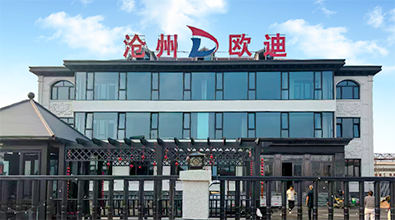
Cangzhou Oudi Pipe Manufacture Co., Ltd. has been working with clients in the chemical business around the world for more than 20 years, building a name for quality work and quick customer service. Our 66,600-square-meter facility is in the specialized fitting manufacturing district of Mengcun Hui Autonomous County. It has easy access to suppliers of raw materials and is close to Tianjin Port, which makes it easy to ship goods to customers in Europe, the Americas, Africa, Southeast Asia, and the Middle East. Our product line includes a wide range of fittings made to meet American, Japanese, German, and British standards. These include elbows made of carbon steel, stainless steel, alloy steel, and both seamless and soldered steel. ASTM A234 WPB grades are available for general chemical service, low-temperature grades are available for cryogenic uses, and high-temperature alloys are used in thermal processing settings. This variety lets purchasing teams get whole piping systems from a single approved seller. This makes managing vendors easier and makes sure that the quality is the same for all types of fittings.
Oudi has made a lot of investments in modern production and inspection facilities, which shows in their technical skills. Our hot-forming equipment makes elbows with tight dimensional tolerances and uniform wall distribution. Full testing facilities, such as ultrasonic flaw detection, radiographic examination, and mechanical property verification, make sure that every part meets performance standards. The annual production capacity of 16,000 tons ensures stable volume for large-scale chemical plant projects while still being adaptable to meet the individual needs of different uses.
Evaluating Vendor Trustworthiness
In addition to credentials and claims of skills, procurement teams should look at real-world success indicators that show how reliable a Chemical industry carbon steel elbow operation is. Metrics for tracking on-time shipment rates and order accuracy are objective ways to measure how reliable a supply chain is. Manufacturers who keep 95% or more of their deliveries on time show that they can plan their production well and stick to customer schedules. Service-oriented suppliers are different from transactional suppliers in how quickly they respond to technical help requests. Having access to technical tools that can help with choosing materials, figuring out pressure classes, and making sure that special requirements are met adds value beyond just supplying products. When suppliers include mill test records, material certificates, and dimensional inspection reports with every package, it makes it easier to check the goods upon receipt and keep track of them, which is what quality management systems need.
Long-term relationship potential arises when manufacturers show that they are financially stable and invest in ongoing growth. Companies that are increasing their production capacity, improving their testing equipment, or looking for advanced certifications are on a growth path that will help them meet the needs of demanding industrial clients. Being close to big chemical industry hubs or established distributor networks makes it easier to get help quickly and streamline operations. Oudi has built long-lasting relationships with more than 300 customers in more than 40 countries by delivering high-quality products on time and being proactive with customer service. Our belief in "quality for survival, credibility for development" leads all of our interactions with customers, from the first question to long-term, repeat purchases that span multiple plant projects and expansions.
Conclusion
To successfully buy Chemical industry carbon steel elbows for the chemical industry, you need to find a balance between technical standards, quality assurance, and source reliability in order to get parts that keep operations safe and processes running smoothly. Knowing the types of materials, their pressure levels, and how they are made lets you make an informed choice that fits the needs of your purpose. Partnering with qualified makers who can show they have good quality control, enough production capacity, and a history of on-time delivery lowers buying risks and raises lifecycle costs. The evaluation framework shown here gives procurement professionals useful criteria for evaluating vendors and making buying choices that support the reliability goals and project schedule promises of chemical plants in a variety of processing environments.
FAQ
1. What Industry Standards Govern Carbon Steel Elbow Manufacturing?
ASME B16.9 measurement standards say that angles, curves, and wall thicknesses must be within certain ranges for Chemical industry carbon steel elbows used in chemical processes. For wrought carbon steel and alloy steel fittings, material specs follow ASTM A234 and spell out the limits of chemical makeup and the necessary mechanical properties. Quality assurance in manufacturing is in line with ASME Section V, which sets the rules for non-destructive testing and acceptance. Chemical companies should include these standards in their purchase orders to make sure that the parts they buy meet accepted technical standards and that the system stays intact while it is running.
2. How Does Corrosion Resistance Compare Between Carbon and Alloy Steel?
Carbon steel is resistant to rusting well in neutral pH and hydrocarbon environments, but it breaks down quickly in acidic acids and chloride-containing solutions. Alloy steel types that contain chromium and molybdenum are better at resisting sulfidation, hydrogen attack, and oxidation at high temperatures. This makes them ideal for use in high-temperature chemical reactors and hydrotreating units in refineries. When choosing materials, they should be in line with the temperature and chemical exposure conditions that are written down in process hazard studies.
3. Can Custom Dimensions Be Manufactured for Complex Pipeline Layouts?
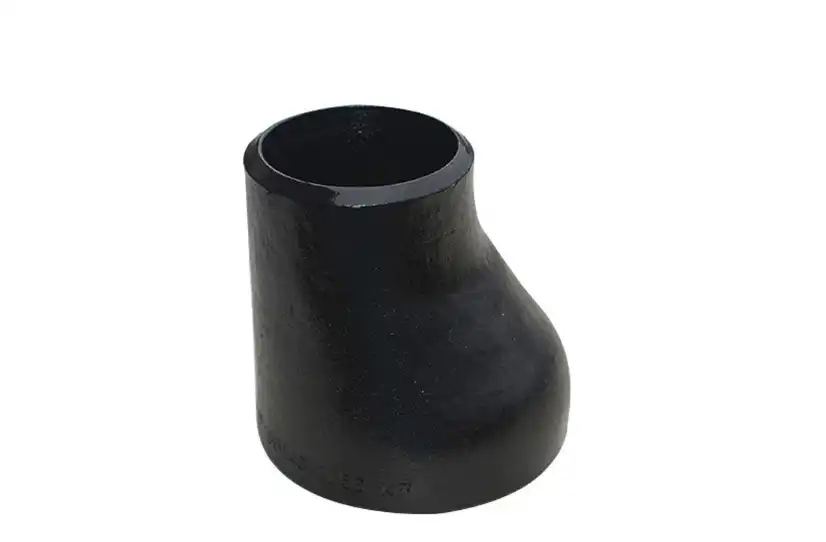
Reliable makers can make elbows with custom dimensions, such as angles that aren't standard, radii that aren't standard, and reducing designs that connect pipes of different sizes. For custom specs, you need thorough drawings that show the sizes, types of materials, and testing methods that must be used. Because of engineering review and custom tooling, lead times are 2 to 4 weeks longer than for regular goods. Early in the design process, procurement teams should talk to suppliers to make sure the project is feasible and to include manufacturing limitations in the optimization of pipe layout.
Partner with Oudi for Your Chemical Industry Carbon Steel Elbow Needs
Managers of chemical plants and procurement engineers need to be able to rely on Chemical industry carbon steel elbow providers who know how to meet the strict performance standards and paperwork requirements needed in the process industry. Oudi has been making specialized products for over 20 years and works with oil, chemical, and gas processing plants all over the world. They offer quality-assured goods that are backed by full certifications and quick expert support. Our large stock of ASTM-compliant carbon steel elbows in both seamless and welded configurations meets the needs of urgent projects, and our custom manufacturing services can meet the specific needs of specialized uses.
Please get in touch with our experienced sales team to feel the Oudi difference. Please email us at oudi-04@oudiguandao.com to talk about your unique needs, get competitive quotes for your future projects, and ask for full product specifications. Our dedication to quality excellence and customer happiness makes us the best carbon steel elbow manufacturer for chemical industry use, whether you need standard catalog items or unique solutions. Get in touch with us right away to start a relationship that will improve the efficiency of your plant by providing you with high-quality plumbing parts and dedicated service support.
References
1. American Society of Mechanical Engineers. (2020). ASME B16.9: Factory-Made Wrought Buttwelding Fittings. New York: ASME Press.
2. ASTM International. (2021). ASTM A234/A234M: Standard Specification for Piping Fittings of Wrought Carbon Steel and Alloy Steel for Moderate and High Temperature Service. West Conshohocken: ASTM International.
3. Jones, D.R. and Humphries, M.J. (2019). Material Selection for Chemical Process Industries: A Practical Guide. Houston: Gulf Professional Publishing.
4. National Association of Corrosion Engineers. (2018). Corrosion Control in the Chemical Process Industries (Third Edition). Houston: NACE International.
5. Singh, R.K. (2021). Pipeline Engineering and Construction: Practical Approach. Reston: American Society of Civil Engineers Press.
6. Zargar, A. and Bailey, T.M. (2022). Industrial Piping Systems: Design and Material Selection Best Practices. New York: McGraw-Hill Education.

Need help finding the right solution with our experts. Please contact us.
SINCE 1998 Your Reliable Pipeline Manufacturer