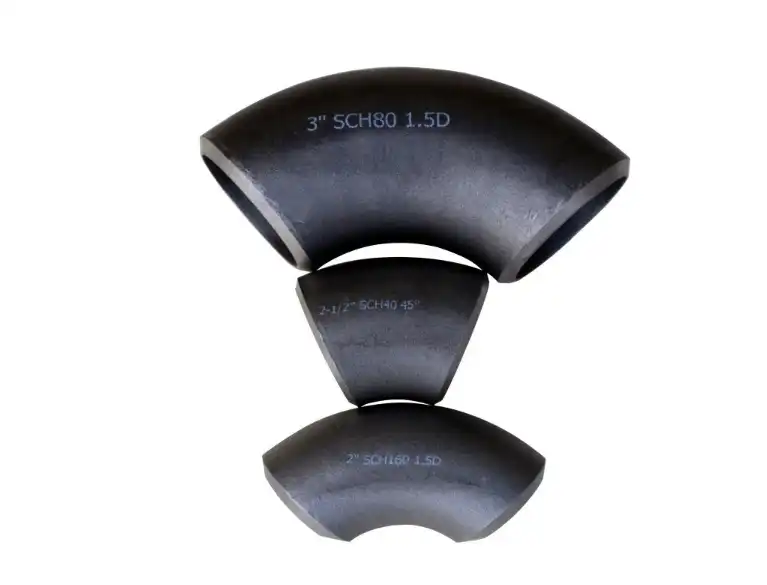
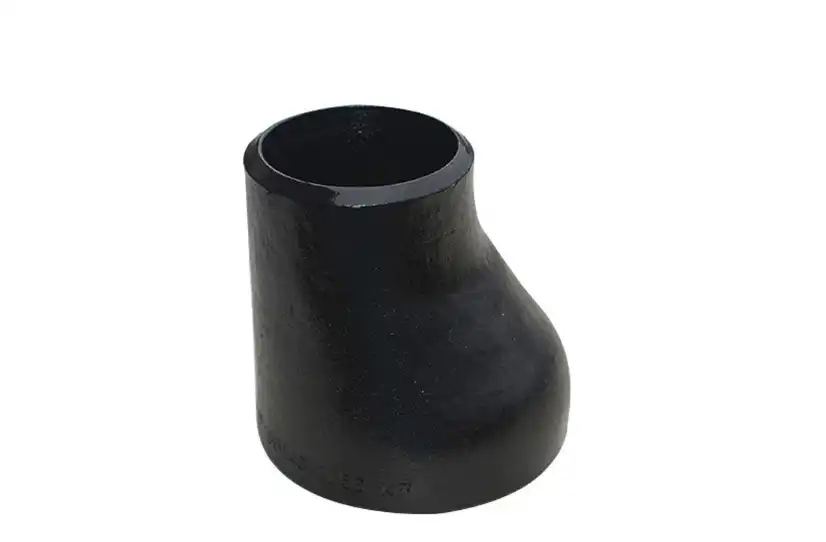
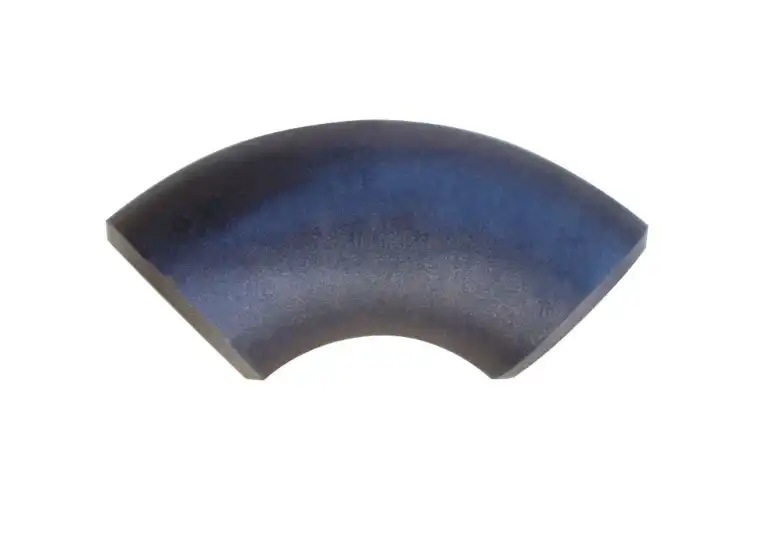
Top Chemical Industry Carbon Steel Elbows for Process Plants
The Chemical industry carbon steel elbow is an important part of handling fluid transport systems in chemical processing plants. It changes the flow of fluid while keeping the structure strong in difficult conditions. These special fittings make it possible to change the direction of pipes very precisely. They can handle the harsh chemicals, high temperatures, and high pressures that are common in modern process plants. To choose the right elbow, you need to know about the different types of materials, how they are made, and how well they work with the infrastructure that is already there. This information has a direct effect on plant safety, working uptime, and long-term repair costs.
Understanding Carbon Steel Elbows in the Chemical Industry
Carbon steel elbows are the most important part of pipe systems in chemical plants. They are made to last in the harsh conditions that are common in process industries. Unlike general-purpose fittings, these parts have to meet strict performance standards while still being cost-effective for large-scale setups.
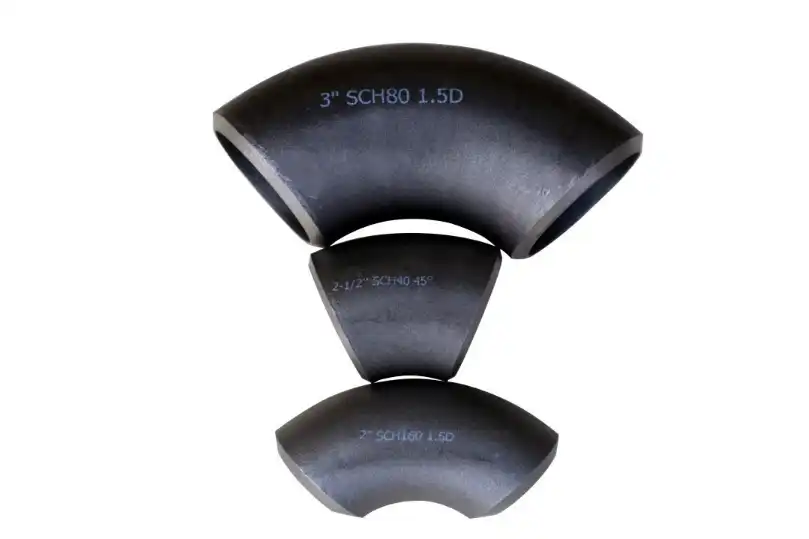
Material Grades and Standards Compliance
The most common type of material used in chemical processes is ASTM A234 WPB, which is a carbon steel standard made for mild to high temperatures. This grade is perfect for process lines that handle acids, alkalis, and hydrocarbon mixtures because it is easy to weld and has mechanical qualities that can handle pressures up to 3000 PSI. Another important standard is ASTM A105 forged carbon steel, especially for socket welding and threaded joints that need higher strength margins. Following the rules in ASME B16.9 ensures that all makers use the same measurements, and API 5L controls the materials used to make pipeline-grade steel. These standards make a single framework that gives engineers the confidence to describe parts, knowing that certified goods will work well together, no matter where they come from.
Manufacturing Methods: Seamless vs. Welded Construction
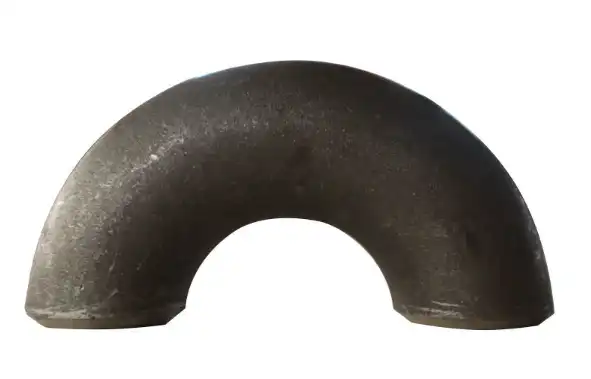
In our shop at Oudi, we make both seamless and straight-seam elbows using hot forming techniques. In hot pushing methods, heated pipe stock is pushed through dies to make the curved shape without any longitudinal welds. This makes seamless bends. This method gives better pressure ratings and even wall thickness distribution, which is important for service lines that are very important and failure would have bad results. When used in low-pressure situations, straight-seam welded elbows are cheaper, and the lengthwise weld seam is tested with X-rays to make sure it's free of flaws. Which of these production methods you choose depends on your specific pressure class needs. Seamless construction is suggested for pressures above 1500 PSI or where cyclic loading is expected.
Corrosion Resistance Characteristics
Even though stainless steel is better at resisting rust, Chemical industry carbon steel elbow products are still the best choice for many chemical uses because they offer the best value for money. If you use the right coatings or cathodic protection systems with a carbon level between 0.05% and 0.30%, the metal will be resistant to rust. When used in slightly acidic conditions, bare carbon steel usually works well, and its corrosion rates can be planned for in upkeep plans. Epoxy-lined carbon steel elbows are helpful for chemical plants that deal with streams that are very acidic or high in chloride. These elbows combine the structural strength of carbon steel with the chemical protection of polymer barriers. This combination method gives performance similar to stainless steel at about 40% of the cost of the material—an important thing to think about when outfitting whole process units.
Comparison and Selection Criteria for Carbon Steel Elbows
When making a procurement choice, it's important to look at a lot of different factors that affect both the original prices and the performance over the whole lifespan. Engineers can make standards work best for their needs by understanding the trade-offs between different setups.
Carbon Steel vs. Stainless Steel: Cost-Benefit Analysis
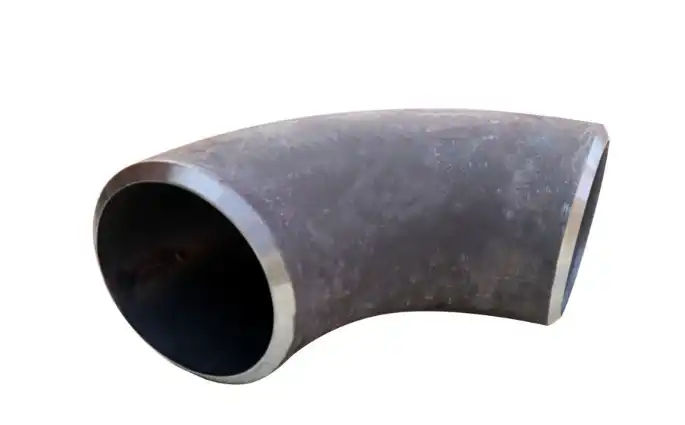
Most of the time, carbon steel elbows are 60–70% less expensive than stainless steel equivalents. This difference grows quickly when working on big projects. A 4-inch Schedule 40 carbon steel elbow costs about $25 to $40 USD, while a 316 stainless steel elbow with the same shape costs about $120 to $180 USD. This gap could save more than $50,000 compared to a process unit that needs 500 elbows. The equation for longevity changes depending on how it is used. When the pH level is neutral and the moisture level is managed, carbon steel can last more than 30 years with little upkeep. When working with strong oxidizers, high-chloride streams, or situations where rust products are not suitable, stainless steel becomes a good investment. Due to cleanliness standards, pharmaceutical and food-grade chemical plants often have to use stainless steel, even though it costs more.
Seamless vs. Welded Elbow Performance
When you compare seamless elbows to welded ones of the same schedule, they offer about 15 to 20 percent better burst pressure values because they don't have any weak spots caused by longitudinal welds. This performance gap is very important in systems with a lot at stake, where pressure spikes from starting up the pump or closing a valve could go above the design pressures. When pressure changes aren't too big, welded bends work well in non-critical situations. Welds made with modern manufacturing methods are almost as strong as the base material, which has been proven by damaging testing processes. Before being sent out, Oudi's straight-seam elbows are checked for weld strength using acoustic and hydrostatic tests.
Radius Considerations: Long vs. Short Radius Elbows
When compared to short radius elbows, long radius elbows have a central radius that is 1.5 times the standard pipe diameter. This makes the flow smoother, and the pressure drop less noticeable. This shape is good for chemical plants that pump thick fluids or slurries because it makes the flow lines smoother, which uses less energy and reduces damage. Short radius elbows, whose central radius is the same as the pipe diameter, work well in tight spaces where route freedom is more important than hydraulic efficiency. At the same flow rates, the difference in pressure drop between Chemical industry carbon steel elbow designs can reach 30–40%, which affects the size of the pump and the cost of running it. When designing a system, it's important to think about both room limitations and the total cost of energy over its lifetime. For example, long radius elbows are often used on main process lines, while short radius fittings are saved for other systems.
How to Choose the Right Carbon Steel Elbow for Your Chemical Plant
Systematic selection technique lowers the risks of buying and ensures that the new system will work with the old one. Using a structured evaluation method can help buyers find their way through the many specs that are offered.
Defining Operating Parameters
First, write down the exact service conditions, such as the type of fluid, the range of working temperatures, the design pressure, and the speed of the flow. Chemical compatibility guides that material sellers offer show which chemicals are safe to use. Process lines that deal with sulfuric acid concentrations above 80% may need metals that are better than carbon steel. This is especially true when the temperatures are high. When choosing a pressure class, you need to think about both steady-state situations and short-term events like water hammer or heat expansion. When engineers set schedule rates, they usually include a safety factor of 1.5 to 2.0 times the highest expected working pressure. This gives them enough room for unplanned events.
Certification and Quality Verification
Suppliers with a good reputation give full material test reports (MTRs) for each production lot that include records of the chemical makeup, mechanical qualities, and heat treatment. ISO 9001:2015 approval shows that a company uses organized quality management methods, and Special Equipment Manufacturing Licenses show that they follow the rules for making pressure-retaining parts. Our dedication to quality is shown by our ISO 9001 approval and Special Equipment Manufacturing License from the People's Republic of China. Before it can be shipped, every elbow goes through measurement checking, non-destructive testing, and hydrostatic proof testing. This several-step checking process makes sure that the goods that come to your building exactly match the details written in your buy order.
Supplier Evaluation Criteria
Check a supplier's technical skills and output ability as well as their certifications. CNC machining centers and automated welding systems are examples of advanced production tools that show the ability to hold tight tolerances and produce consistent quality. When planning big projects, the yearly production capacity is important. Oudi's annual output of 16,000 tons makes sure that we can support major plant expansions without affecting shipping schedules. Exporting to important industrial markets shows that a provider knows how to deal with foreign logistics, customs paperwork, and quality standards. Our history of working with more than 300 customers in 40 countries shows that we can meet a wide range of legal standards and customer needs.
Procurement Guide for Carbon Steel Elbows in Chemical Plants
Strategic buying practices find the best mix between lowering costs and making sure the supply chain works as planned. This is especially important for big projects with tight deadlines.
Sourcing Channels and Supplier Selection
By working directly with makers, you can avoid the markups that distributors add and get access to technical knowledge during the development of specifications. Digital B2B sites make it easier to find suppliers, but it's still important to check their qualifications. Before you place a big order, make sure you see proof of their certifications, production sites, and quality control methods. Oudi still has control over its own imports and exports, which speeds up the buying process by getting rid of middlemen. Our sales team works directly with engineers to make sure that specs are clear, that the best options are suggested, and that you have the technical information you need to support your approval processes.
Bulk Purchasing Strategies
When you make a volume pledge, you can get better prices. For orders over 50 tons, you can usually get discounts running from 10 to 25 percent. To meet these standards, chemical plant building projects can combine the needs of several process units. Staggered shipping schedules work with phased building timelines and get better prices by committing to them up front. Lead times for normal configurations are usually between 4 and 6 weeks from the time the order is confirmed until it is loaded at the port. However, for special configurations, this time can be up to 8 to 12 weeks. Keeping a planned inventory of popular sizes lowers the risk of missing deadlines, especially for fast-track projects where delays in getting materials can affect other parts of the critical path.
Cost Optimization Without Compromising Quality
Standardizing on fewer standards lowers unit costs by letting production runs last longer and making it easier to keep track of supplies. A plant that is built around standard angles (45° and 90°) and Schedule 40 and Schedule 80 configurations gets a better price than one that needs a lot of different custom angles and wall thicknesses. Analysis of material replacement can sometimes show ways to lower requirements without affecting safety. A line that was originally designed for Schedule 80 based on conservative pressure predictions might work well with Schedule 40 after a thorough hydraulic study, which would save a lot of money on a large number of fittings.
Installation and Maintenance Best Practices for Carbon Steel Elbows
When you put the Chemical industry carbon steel elbow correctly and do regular upkeep, you can make it last longer and avoid costly unplanned shutdowns.
Installation Procedures for Process Piping
Butt-welded elbows need to have sharpened ends that are ready to match the pipe next to it. Usually, this means a 37.5° included angle with a 1.6mm root face. Welding methods must be done according to ASME Section IX, with trained welders and written weld procedure specifications (WPS). Before welding, heating the metal to 150–200°C stops hydrogen cracking in thicker wall sections. This is especially important for heavy and Schedule 80 layouts. For socket-welded elbows, the gap must be carefully managed. The pipe must be fully put into the socket and then removed 1.6 mm before welding so that it has room to expand during the welding process. This space keeps stress from building up at the weld root, which could cause cracks to form during heat cycles.
Corrosion Monitoring Protocols
Ultrasonic thickness testing at set times keeps track of how much material is being lost, which lets you plan maintenance based on data. Setting standard measures right after commissioning gives you a way to compare things in the future. Chemical companies usually do inspections every year for the most important services and every two years for the less important ones. Barrier protection is provided by external coats like epoxy, polyurethane, or fusion-bonded epoxy systems. This makes the service life longer in harmful environments. Damage from mechanical hits or UV degradation can be found through regular checks of the coating, before it starts to corrode the base. Touch-up fixes with compatible coating systems stop wear and tear for a lot less money than replacing.
Preventive Maintenance Strategies
Thermal cycle causes metals to expand and contract, which can put stress on bonded joints, especially where two different metals meet. Visual checks done on a regular basis during planned shutdowns find early signs of trouble, such as surface cracks, darkening, or weeping at weld seams. If you take care of these warning signs before a through-wall fails, you can avoid having to make emergency fixes and possible safety issues. Over time, vibrations from pumps or turbulent flow can wear down welds. This is especially true at bends with small radii, where flow separation causes pressure fields that move back and forth. These damaging forces can be lessened by putting sound dampeners on pump discharge lines and making sure that the pipe supports are spaced correctly. The expert team at Oudi gives you support spacing suggestions that are based on the sizes and working pressures of your pipes.
Conclusion
When choosing the right carbon steel elbows for chemical process plants, you have to weigh the benefits of technical performance against the costs. When properly defined for temperature, pressure, and corrosion conditions, material types like ASTM A234 WPB work reliably in a wide range of chemical settings. Different types of manufacturing, like seamless and welded construction, have different benefits based on the seriousness of the application. Dimensional standards make sure that everything works together everywhere. Working with approved makers who keep up with full quality systems lowers the risk of buying things and helps plants stay reliable over time. Following ASME standards for proper installation and careful maintenance tracking can increase the service life of components, lowering the total cost of ownership. As the needs for chemical processing change, working with experienced sources becomes more important for managing complicated specifications and making sure projects are delivered on time.
FAQ
1. What carbon steel grade is best for chemical plant applications?
ASTM A234 WPB is the standard for chemical service in the industry. It has the right amount of mechanical strength and rust protection for most process uses. This grade is good for about 80% of chemical plant pipe systems because it can handle temperatures from -29°C to 427°C and pressures up to 3000 PSI. For more demanding jobs, better materials like chrome-moly metals may be needed.
2. How can I ensure corrosion resistance in acidic environments?
Carbon steel works well in slightly acidic (pH 5-7) situations without extra protection. For better protection against stronger acids, you can add internal linings, external coats, or switch to metals that don't rust. When choosing a material, you should look at corrosion rate tables for the chemical you are working with at the right temperature and concentration.
3. What factors affect lead times for bulk elbow orders?
Delivery times depend on how much can be made, how readily available materials are, and how complicated the specifications are. Standard sizes ship in 4 to 6 weeks, but custom sizes that need special tools may take 10 to 12 weeks. Oudi can meet accelerated plans when project deadlines call for it, thanks to its 16,000-ton annual capacity and large store of raw materials.
Partner with Oudi for Your Chemical Industry Carbon Steel Elbow Requirements
Chemical plant managers and buying workers looking for a reliable Chemical industry carbon steel elbow maker will find that Oudi is in a unique position to meet their needs. Our dedication to quality is shown by our ISO 9001:2015 certification and Special Equipment Manufacturing License. Additionally, our history of manufacturing since 1998 shows that we have consistently delivered high-quality products. We can make elbows that are seamless or welded in ASTM A234 WPB grades and equivalents, and our products meet the dimensions required by ANSI, DIN, JIS, and BS. Our yearly capacity of 16,000 tons guarantees steady availability, even for big capital projects. We back this up with detailed material test results and proof of non-destructive testing. Our engineering team works together to make sure that the specs are best for your unique service conditions, whether you need 45-degree, 90-degree, or custom angle configurations. Email us at oudi-04@oudiguandao.com to talk about your needs with skilled experts who know what a chemical plant needs. Find out why over 300 customers in 40 countries trust Oudi as their carbon steel elbow supplier for important process uses by asking for a full quote today.
References
1. American Society of Mechanical Engineers (ASME). ASME B16.9: Factory-Made Wrought Buttwelding Fittings. New York: ASME Press, 2018.
2. ASTM International. ASTM A234/A234M: Standard Specification for Piping Fittings of Wrought Carbon Steel and Alloy Steel for Moderate and High Temperature Service. West Conshohocken: ASTM International, 2020.
3. Nayyar, Mohinder L. Piping Handbook, 8th Edition. New York: McGraw-Hill Education, 2016.
4. Becht Engineering Company. "Corrosion of Carbon Steel in Chemical Process Environments: A Practical Guide." Journal of Process Industry Corrosion, vol. 45, no. 3, 2021, pp. 127-158.
5. Liu, Henry, and Paul F. Schwer. "Manufacturing Methods and Quality Control for Carbon Steel Pipe Fittings." Welding Journal, vol. 98, no. 6, 2019, pp. 234-241.
6. Singh, Rajinder. Pipeline Integrity Handbook: Risk Management and Evaluation. Houston: Gulf Publishing Company, 2017.

Need help finding the right solution with our experts. Please contact us.
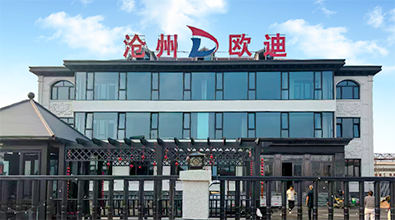
SINCE 1998 Your Reliable Pipeline Manufacturer