Chemical Industry Carbon Steel Elbow Standards and Certifications Guide
When designing piping systems for chemical processing facilities, selecting the right chemical industry carbon steel elbow requires more than considering bend angles and dimensions. The integrity of your entire operation depends on components that meet rigorous international standards and carry proper certifications. These elbows serve as critical directional connectors in pipelines transporting corrosive chemicals, high-pressure fluids, and volatile substances. Without verified compliance documentation, even minor fitting failures can lead to catastrophic leaks, production shutdowns, or safety hazards that cost millions in damages and regulatory penalties.
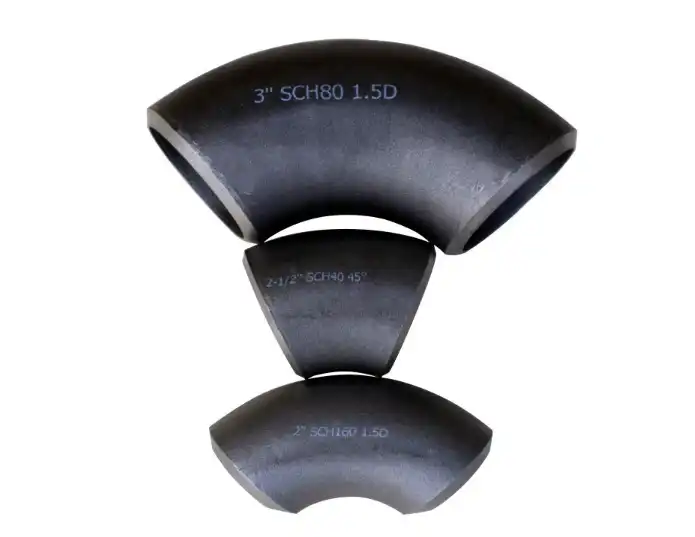
Understanding Carbon Steel Elbows in the Chemical Industry
Carbon steel pipe elbows are important parts of chemical plant plumbing networks because they change the direction of flow and let fluids get around obstacles, connect equipment, and work with limited space. Unlike straight pipes, these fittings change the flow of media at certain angles, usually 45 degrees or 90 degrees, while keeping the pressure and flow characteristics that are important for the efficiency of the process.
What Does a Carbon Steel Elbow for the Chemical Industry Mean?
A carbon steel elbow is made up of bent pipe pieces made from carbon steel alloys, which are mostly iron and carbon with small amounts of manganese, silicon, and other materials. The carbon percentage is usually between 0.05% and 2.0%, which gives it the power and flexibility needed for tough chemical uses. The two main types of construction for these fittings are seamless elbows, which are made by pushing or bending heated pipe stock into shape, and welded elbows, which are made by joining pieces that have already been formed. Most of the time, seamless versions are stronger and more reliable because they don't have any weld gaps that could break under repeated stress or chemical attack.
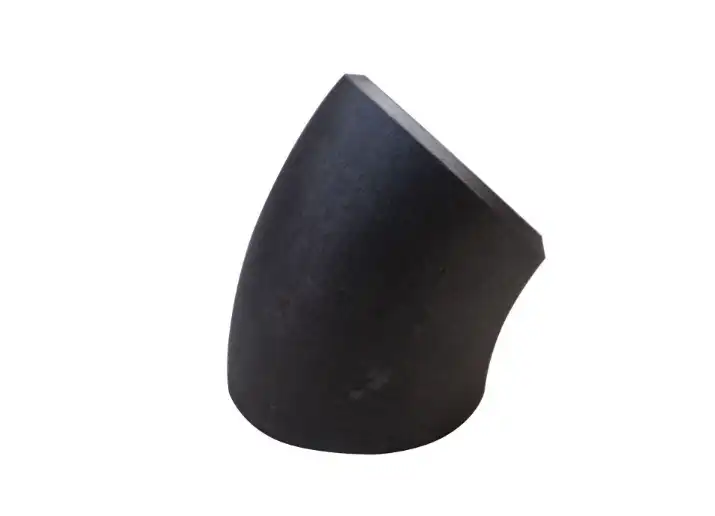
Manufacturing Methods and Quality Implications
The way the elbows are made has a big effect on how well they work in chemical conditions. To do hot pressing, carbon steel pipe blanks are heated to between 900°C and 1100°C and then pushed through special dies that make the bend radius. This way of making elbows makes them smooth, with a regular wall thickness and grain structure. To make welded elbows, on the other hand, pipe pieces are cut at exact angles and then joined together using butt welding or socket welding. Welded versions are cheaper, but the heat-affected areas near the edges may not be as resistant to rust as the base material, so they need to be checked for quality more often.
Key Applications in Chemical Processing
Carbon steel elbows for Chemical industry carbon steel elbow are used in process systems at chemical plants to move acids, solvents, petrochemicals, and cleaning agents around. These fittings are used in pipes that carry cleaned wastewater by water treatment plants. Their rust resistance, which is often improved by coats on the inside, ensures the system's long-term stability. When it comes to chemical delivery networks, 45-degree elbows are very useful because they reduce noise and wear better than 90-degree bends because they change directions more slowly. Because carbon steel is a metal, these parts can withstand temperatures up to 425°C and pressures higher than 400 bar as long as they are properly defined and approved.
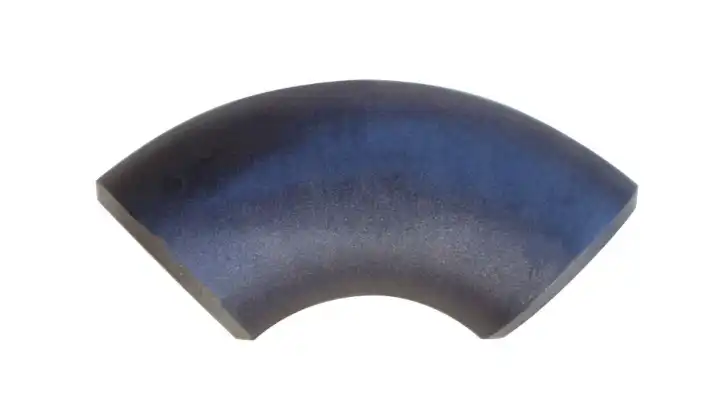
Essential Standards and Certifications for Carbon Steel Elbows
Compliance with internationally recognised standards represents the foundation of safe chemical plant operations. These specifications establish dimensional tolerances, material compositions, pressure ratings, and testing protocols that guarantee component reliability under specified service conditions.
Primary International Standards Governing Carbon Steel Elbows
The main North American standard for factory-made metal butt-welding parts is ASME B16.9. This standard covers elbows, tees, and reducers. This standard lists the sizes, limits, marking rules, and types of materials that can be used in pressurised pipe systems. Chemical purchase teams use ASME B16.9 tables to make sure that the elbow bend radii, wall thicknesses, and end preparations are correct for the pipes they are buying.
ASTM A234 spells out the technical standards for parts made of worked carbon steel and alloy steel for use at normal and high temperatures. This material standard lists the basic requirements for chemical makeup, mechanical properties, heat treatment, and acceptable tests. ASTM A234 must be followed at all times when chemical plants work above 200°C or with high-pressure steam vapour.
ISO 9001:2015 approval shows that companies have quality management systems with written steps for planning, making, inspecting, and always making things better. Even though ISO 9001 certification isn't specific to pipe fittings, it does guarantee that sellers have structured quality controls in place from the time they buy the raw materials to the time they deliver the finished product.
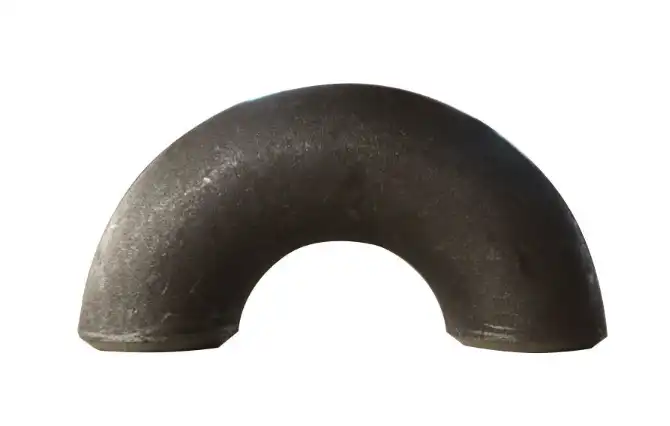
Critical Certification Documents for Chemical Industry Procurement
In addition to standard compliance, buyers in the chemical business must check several proof papers before accepting orders from suppliers. Material test records (MTRs) show the chemical analysis results and mechanical property information for every production lot, along with heat numbers that can be used to find them. Manufacturers like Oudi have strict paperwork systems that connect each elbow to the approval of its source material. This makes it possible to fully trace the elbows in case of quality investigations.
Independent proof that goods meet certain standards can be found in third-party inspection certificates from groups like TÜV, Lloyd's Register, or Bureau Veritas. These inspectors watch the manufacturing process, look over the quality control records, and do tests on samples to make sure the rules are followed. For chemical companies in areas that are controlled, third-party approval is often enough to meet the standards for regulatory paperwork during site checks.
Nondestructive testing (NDT) uses methods like ultrasound testing, radiography examination, and magnetic particle inspection to find problems inside a document without hurting any of its parts. Chemical industry standards usually require 100% NDT for important service uses where failure would have bad results.
How to Choose the Right Carbon Steel Elbow for Your Chemical Plant
Selecting appropriate fittings for Chemical industry carbon steel elbows requires matching component specifications to process parameters while considering lifecycle costs and supplier capabilities.
Defining Technical Requirements Based on Process Conditions
Temperature and pressure ratings form the foundation of elbow selection. Chemical processes operating at elevated temperatures require materials with adequate creep strength and oxidation resistance. ASTM A234 Grade WPB serves most moderate-temperature applications up to 400°C, while Grade WP11 chrome-moly alloy elbows extend service capability to 590°C. Pressure class selection depends on system design pressure and applicable piping codes, with common chemical plant ratings including Class 150, 300, and 600.
Corrosion resistance considerations influence both material selection and surface treatment specifications. While carbon steel offers excellent mechanical properties at reasonable cost, certain chemicals attack carbon steel aggressively. Internal lining systems, epoxy coatings, or upgrading to corrosion-resistant alloys may be necessary for highly corrosive media. Experienced suppliers like Oudi provide technical consultation to help procurement teams evaluate material compatibility based on chemical composition, concentration, and operating temperature.
Comparing Carbon Steel with Alternative Materials
Stainless steel elbows provide superior corrosion resistance for aggressive chemicals but carry substantially higher material costs—often three to five times that of equivalent carbon steel components. Chemical plants frequently specify stainless steel for final product pipelines where contamination concerns exist, while using more economical carbon steel for utility systems handling cooling water, steam, or non-corrosive process streams.
Evaluating Supplier Qualifications and Capabilities
Supplier assessment extends beyond price comparison to encompass quality systems, technical expertise, and supply chain reliability. Manufacturers with Special Equipment Manufacturing Licenses demonstrate compliance with national safety regulations governing pressure vessel and piping component production. Oudi's ISO 9001 certification and special equipment licenses reflect our commitment to quality management and regulatory compliance that protects your procurement decisions.
Production capacity matters when planning large projects or maintaining inventory for ongoing maintenance needs. Suppliers operating at scale can offer better pricing, shorter lead times, and consistent quality through established manufacturing processes. With 16,000-ton annual capacity, Oudi maintains sufficient production volume to support both large EPC projects and smaller replacement orders without compromising delivery schedules.
Installation, Maintenance, and Technical Support for Chemical Industry Elbows
Proper installation and ongoing maintenance maximise elbow service life while preventing premature failures that disrupt operations.
Welding and Installation Best Practices
Butt-welding elbows to adjacent piping requires qualified welders following approved welding procedures that specify filler materials, preheat temperatures, interpass temperatures, and post-weld heat treatment when necessary. Proper joint preparation—including beveling, cleaning, and alignment—ensures sound welds that maintain pressure integrity. Socket-welding elbows require gap maintenance between fitting shoulder and pipe end to accommodate thermal expansion while providing adequate penetration for fillet welds.
Inspection and Corrosion Monitoring Protocols
Routine visual inspections identify external corrosion, mechanical damage, or coating degradation that signals potential problems. Chemical plants typically implement risk-based inspection programs that prioritise high-consequence locations for more frequent and detailed examination. Ultrasonic thickness testing measures remaining wall thickness to predict when corrosion rates may necessitate component replacement before failure occurs.
Testing Methods Ensuring Installation Integrity
Hydrostatic pressure testing subjects completed piping systems to pressures exceeding design ratings, verifying leak-tight integrity before introducing process chemicals. Non-destructive examination of field welds using radiography or ultrasonic testing detects internal defects that could propagate during service. These quality assurance steps, though adding project costs, prevent far costlier failures during operation.
Market Insights—Top Certified Carbon Steel Elbow Suppliers and Brands for Chemical Industry
Understanding supplier landscape dynamics helps procurement professionals make strategic sourcing decisions that balance quality, cost, and supply security.
Leading Manufacturers Serving Chemical Industry Markets
Oudi has built a strong name among clients in the chemistry business by consistently delivering high-quality work backed by a wide range of certifications and technical skills. We've been making American, Japanese, German, and British standard pipe fittings that meet a wide range of foreign requirements from our 66,600-square-meter plant in Cangzhou's fitting production hub since 1998. We make elbows out of carbon steel, stainless steel, and alloy steel to meet the requirements of ANSI, JIS, DIN, and BS. These elbows come in a range of angles, curves, and sizes.
Quality testing skills set different providers apart so they can meet the needs of difficult Chemical industry carbon steel elbow chemical industry uses. Oudi keeps up-to-date inspection tools that allow them to do full measurement checking, mechanical property testing, and nondestructive examination all in-house. This all-around quality control, from getting the raw materials to sending out the finished goods, makes sure that all of them always meet foreign standards and customer requirements. We strictly follow full inspection routines and NDT examination, which gives chemical plant quality assurance programs the proof that their paperwork can be tracked.
Supply Chain Considerations for Strategic Sourcing
Export knowledge has a big effect on how reliable a seller is for overseas buying. Oudi has created transportation networks that cover Europe, North and South America, Africa, Southeast Asia, and the Middle East. These networks serve more than 300 users in more than 40 countries. This global service system makes sure we know how to handle different regions' paperwork needs, shipping processes, and customer service standards.
Minimum order amounts and wait times affect plans for purchases, especially when it comes to managing repair supplies. Suppliers with a lot of production ability can easily handle both big project orders and smaller packages of supplies. Because Oudi's manufacturing schedule is flexible, we can match the needs of large EPC contractors with ongoing supply deals for plant maintenance departments. This way, we can keep our inventory available without requiring large minimum orders.
Balancing Cost and Quality in Supplier Selection
In competitive bidding situations, price is still important, but when you look at the total cost of ownership, the lowest bid is rarely the best deal. When poor quality causes early failures, it costs a lot more than the initial purchase price saves because of unplanned downtime, buying new parts quickly, and possible safety incidents. It is acceptable to charge more for certified providers with a track record of reducing risk compared to options that aren't certified.
Having technical help skills makes a product more valuable over its entire lifespan. During the planning process, suppliers that offer technical advice can help improve specs. During installation and testing, questions can be answered by quick customer service. Oudi's expert team helps with choosing materials, making sure they are the right size, and fixing problems. They go above and beyond just delivering products; they really work with you to make sure the job is a success.
Conclusion
Navigating chemical industry carbon steel elbow procurement requires understanding how international standards, certification requirements, and supplier qualifications intersect to ensure safe, reliable piping systems. The complexity of matching elbow specifications to process conditions, evaluating material alternatives, and verifying compliance documentation demands expertise that develops through experience and continuous learning. Certified suppliers who maintain rigorous quality systems, offer comprehensive product ranges, and provide technical support deliver value that transcends initial purchase price, contributing to lifecycle cost optimisation and operational reliability that defines successful chemical plant operations.
FAQ
1. What certifications should I verify when procuring carbon steel elbows for chemical plants?
Request material test reports documenting chemical composition and mechanical properties, manufacturer ISO 9001 certificates demonstrating quality management systems, and NDT reports for critical service applications. Third-party inspection certificates from recognised bodies provide independent verification. Special Equipment Manufacturing Licenses indicate compliance with national pressure equipment regulations.
2. How do seamless and welded elbows differ for chemical industry applications?
Seamless elbows manufactured through hot forming exhibit uniform grain structure and consistent wall thickness without weld seams that could become corrosion initiation points. Welded elbows cost less but feature heat-affected zones near welds with potentially different corrosion resistance. High-pressure, high-temperature, or highly corrosive applications typically justify seamless elbow specifications.
3. What installation mistakes cause carbon steel elbow failures in chemical service?
Inadequate weld preparation, improper filler material selection, and skipping post-weld heat treatment when specifications require it create weak joints prone to premature failure. Insufficient support causing excessive stress concentration at elbows accelerates fatigue cracking. Neglecting pre-service hydrostatic testing allows undetected defects to cause leaks during operation.
Partner with Oudi for Certified Chemical Industry Carbon Steel Elbow Solutions
Oudi delivers the quality assurance, technical expertise, and supply reliability that chemical industry procurement demands. As an established chemical industry carbon steel elbow manufacturer serving global markets since 1998, we understand the critical importance of compliance documentation, dimensional precision, and material traceability in your applications. Our ISO 9001-certified quality management system and Special Equipment Manufacturing License demonstrate our commitment to standards that protect your operations and satisfy regulatory requirements.
Whether you're specifying components for new chemical plant construction or sourcing replacement fittings for maintenance programs, our experienced team provides personalised consultation matching elbow specifications to your process conditions. Contact us at oudi-04@oudiguandao.com to discuss your requirements, request product catalogues, or obtain quotations backed by complete certification documentation. Let Oudi's proven track record serving chemical processors across 40+ countries bring reliability and peace of mind to your next piping project.
References
1. American Society of Mechanical Engineers. (2018). ASME B16.9: Factory-Made Wrought Buttwelding Fittings. New York: ASME Press.
2. ASTM International. (2020). ASTM A234/A234M: Standard Specification for Piping Fittings of Wrought Carbon Steel and Alloy Steel for Moderate and High Temperature Service. West Conshohocken: ASTM International.
3. Gupta, S.K. (2019). Piping Materials Guide. New York: McGraw-Hill Education.
4. Nayyar, M.L. (2021). Piping Handbook (8th ed.). New York: McGraw-Hill Education.
5. Smith, P.R. & Zappe, R.W. (2017). Valve Selection Handbook: Engineering Fundamentals for Selecting the Right Valve Design for Every Industrial Flow Application (6th ed.). Oxford: Gulf Professional Publishing.
6. Mokhtab, S., Poe, W.A. & Mak, J.Y. (2019). Handbook of Natural Gas Transmission and Processing: Principles and Practices (4th ed.). Oxford: Gulf Professional Publishing.

Need help finding the right solution with our experts. Please contact us.

SINCE 1998 Your Reliable Pipeline Manufacturer



