Socket Weld Pipe Tee Supplier Selection and Buying Guide
Selecting the right socket weld pipe tee supplier involves more than comparing prices. These specialized fittings play a critical role in connecting three pipes at precise angles within demanding industrial systems, from chemical processing plants to high-pressure steam networks. Socket weld tees feature recessed socket ends where pipes insert before fillet welding, providing permanent, leak-proof joints for small-bore piping typically under 4 inches in diameter. Understanding dimensional tolerances, material grades, and manufacturing quality separates reliable installations from costly field failures. This guide walks you through technical specifications, supplier evaluation criteria, and procurement strategies to ensure your projects receive components that deliver safety, longevity, and value.
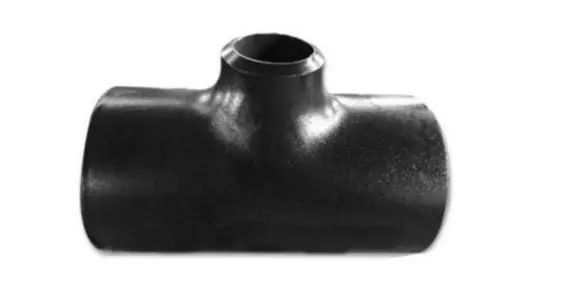
Understanding Socket Weld Pipe Tees: Dimensions, Types, and Technical Specifications
What Defines a Socket Weld Pipe Tee
A socket weld tee creates a 90-degree branch connection within piping systems, with socket-style ends that accept pipe insertion followed by fillet welding. Governed primarily by ASME B16.11 standards, these forged fittings range from ½ inch to 4 inches in diameter. The socket design eliminates the need for pipe end beveling, streamlining installation compared to butt-weld alternatives. Reducing tees accommodate different branch sizes, enabling flexible system design. The recessed socket depth and bore diameter must meet strict tolerances—undersized sockets prevent proper pipe insertion, while oversized variants compromise weld engagement and joint strength.
Material Options and Pressure Ratings
Material selection directly impacts performance across operating conditions. Carbon steel variants offer cost-effectiveness for moderate environments in water conservancy and construction applications. Stainless steel grades resist corrosion in chemical processing and offshore installations where chloride exposure threatens integrity. Alloy steel compositions withstand extreme temperatures in power generation and petrochemical facilities. Pressure class ratings from 3000 to 6000 PSI determine suitability for high-pressure steam lines, hydraulic systems, and gas distribution networks. Our Cangzhou facility manufactures all three material categories with certifications matching ANSI, JIS, DIN, and BS standards, ensuring compatibility across international projects.
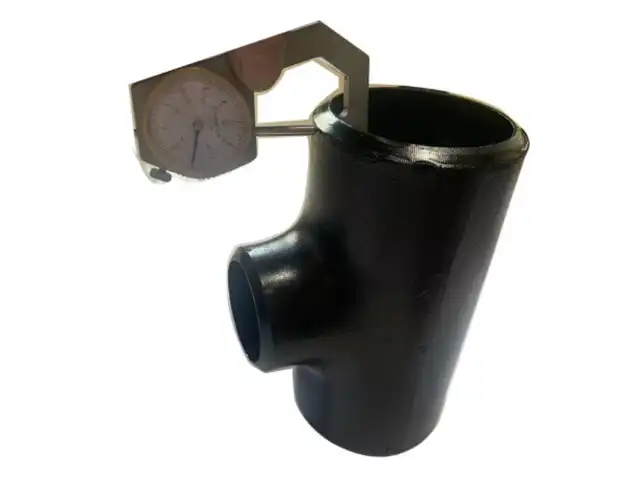
Critical Quality Control Checkpoints
Manufacturing defects can trigger catastrophic failures under operational stress for Socket Weld Pipe Tee. Dimensional verification confirms socket bore diameter and depth align with ASME B16.11 tolerances using precision measurement tools. Positive Material Identification (PMI) through spectrographic analysis validates chemical composition matches Material Test Certificates per EN 10204 3.1 requirements, preventing cross-contamination in multi-alloy systems. Non-destructive testing methods detect invisible flaws—ultrasonic examination identifies internal forging bursts or voids, while Magnetic Particle Inspection reveals surface micro-cracks that propagate under pressure cycling. Visual inspection catches sharp edges or machining burrs within sockets that impede proper pipe seating. Since 1998, we've maintained ISO 9001:2000 certification and implement full inspection protocols from raw material receipt through finished goods release, with advanced detection equipment meeting comprehensive user testing requirements.
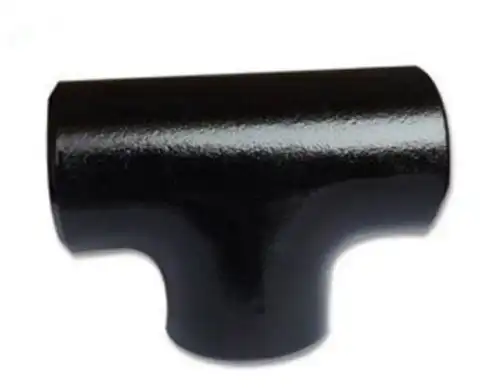
Comparing Socket Weld Pipe Tee to Other Pipe Tee Types: Making the Right Choice
Socket Weld Versus Butt Weld Construction
Understanding the technical distinction between socket weld and butt weld tees guides appropriate application selection. Socket weld fittings slide over pipe exteriors without requiring beveled ends, forming fillet welds at the socket rim. This design accelerates installation and reduces labor costs but creates a small expansion gap between the socket shoulder and pipe end—typically 1/16 inch—to accommodate thermal expansion. Butt weld connections join pipes end-to-end with beveled edges, creating smooth interior profiles without flow disruption. Butt welds deliver superior strength, fatigue resistance, and corrosion performance in high-pressure environments, though skilled welders need more time for proper alignment and penetration.
Performance in Specialized Environments
High-pressure systems above 2500 PSI often favor butt weld construction for maximum joint integrity, particularly in critical oil and gas applications. Socket welds excel in small-bore piping under 2 inches where frequent direction changes occur, common in instrumentation tubing and auxiliary process lines. Corrosive chemical environments present challenges—the socket gap creates crevice corrosion risks in aggressive media, making stainless steel material selection and proper gap maintenance essential. Threaded tees offer removable connections but leak under vibration. Slip-on flanged tees simplify alignment but add weight and cost. Our engineering team evaluates your specific parameters—operating pressure, temperature cycling, media composition, and maintenance access—to recommend optimal fitting types from our comprehensive inventory serving over 300 customers across 40 countries.
Material Selection for Durability
Carbon steel grades like A105 provide economical solutions for water systems, structural applications, and low-corrosion environments within construction and shipbuilding projects. Stainless steel 304 and 316 variants combat oxidation in chemical processing, food-grade installations, and coastal facilities where salt exposure threatens carbon steel integrity. Alloy steel compositions containing chromium and molybdenum resist hydrogen sulfide attack in sour gas service and maintain mechanical properties at elevated temperatures in boiler systems and power generation equipment. With annual production capacity reaching 16,000 tons, we maintain extensive material inventories ensuring rapid fulfillment whether your project demands standard carbon steel or specialized alloy compositions.
Supplier Selection Criteria: What to Look for When Buying Socket Weld Pipe Tees
Quality Certifications and Compliance Documentation
Verification of quality management certifications forms the foundation of supplier evaluation for Socket Weld Pipe Tee. ISO 9001 certification demonstrates systematic quality control processes, though the specific manufacturing license issued by regulatory authorities confirms legal authorization to produce pressure-retaining components. Our facility holds both ISO 9001:2000 certification and the People's Republic of China Special Equipment Manufacturing License, validating our technical capability and regulatory compliance. Material Test Certificates per EN 10204 3.1 provide traceability linking finished fittings to raw material heat numbers and chemical analysis results. API certifications indicate adherence to petroleum industry standards when specifications require such documentation. Reputable suppliers readily provide certification copies and third-party inspection reports without hesitation.
Manufacturing Capabilities and Technical Resources
Advanced production equipment directly correlates with dimensional consistency and defect reduction. Our Mengcun facility houses modern forging presses, CNC machining centers, and heat treatment furnaces that maintain tight tolerances across production runs. Inspection capabilities matter equally—spectrometers for PMI testing, ultrasonic flaw detectors, magnetic particle inspection equipment, and calibrated dimensional tools enable comprehensive quality verification. Technical staff expertise ensures proper interpretation of complex specifications spanning multiple international standards. We've invested in capabilities serving diverse requirements from European DIN specifications to Japanese JIS standards, supporting EPC contractors and end-users managing multi-national projects across Africa, Southeast Asia, and Middle Eastern markets.
Supply Chain Reliability and Lead Times
Consistent production capacity prevents project delays caused by supplier shortages. Our 16,000-ton annual output supports both large-scale infrastructure construction and ongoing maintenance procurement. Minimum order quantities affect smaller buyers—flexible MOQ policies accommodate varied project scales without forcing excessive inventory carrying costs. Lead time transparency enables realistic scheduling, with standard products shipping within weeks while custom specifications require additional manufacturing time. Geographic positioning influences logistics—our location near Tianjin Port facilitates container loading for international shipments to North American, South American, and European destinations. We maintain self-managed import-export authority, streamlining customs documentation and reducing shipping delays that plague buyers relying on intermediary trading companies.
Post-Purchase Support and Warranty Coverage
Product testing verification provides peace of mind beyond certification documents. Third-party inspection services can witness testing at our facility before shipment, confirming dimensional accuracy and mechanical properties meet purchase order specifications. Warranty terms covering manufacturing defects protect against premature failures, though clear understanding of coverage limitations—excluding installation errors or improper material selection—prevents misunderstandings. Technical support availability assists with specification interpretation and installation guidance. Our sales team maintains communication throughout the procurement process, from initial inquiry through delivery confirmation, with contact accessible via oudi-04@oudiguandao.com for prompt responses to technical questions or expediting requests.
Procurement Guide: Ordering Socket Weld Pipe Tees Efficiently and Cost-Effectively
Evaluating Price Points and Value Propositions
Price comparison requires examining total cost beyond unit pricing. Lower quoted prices sometimes reflect substandard materials, inadequate testing, or dimensional variances causing installation problems and early replacement. We balance competitive pricing with certified quality, leveraging efficient production processes and direct manufacturer relationships, eliminating distributor markups. Bulk order discounts reward larger commitments—projects requiring hundreds of fittings across multiple sizes benefit from volume pricing tiers. Our diversified marketing approach serves both single-project buyers and long-term supply agreements with maintenance contractors managing ongoing facility needs.
Strategic Procurement Planning
Minimum order quantity implications affect purchasing strategy. Consolidating requirements across project phases or multiple facilities reaches MOQ thresholds more economically than piecemeal ordering. Lead time alignment with construction schedules prevents costly work stoppages—ordering critical-path fittings early while staging delivery to avoid excessive on-site storage. Custom specifications including special alloys, non-standard dimensions, or additional testing extend manufacturing timelines, requiring advance procurement planning. We work with project managers to develop delivery schedules matching installation sequences, utilizing our 66,600 square meter facility for staging when beneficial.
Building Long-Term Supplier Relationships
Partnership approaches deliver advantages beyond transactional purchasing. Volume commitments across multiple projects secure preferential pricing and priority production scheduling during high-demand periods. Technical collaboration improves specification accuracy—our engineering team reviews complex requirements, identifying potential issues before manufacturing begins. Payment term negotiations balance cash flow management with supplier risk mitigation. Our 25-year operating history since 1998 reflects the stability valued by procurement professionals managing critical supply chains. Customers across petroleum, chemical, and power generation sectors return for subsequent projects based on consistent quality and responsive service, building relationships extending beyond individual transactions.
Installation, Application, and Maintenance Insights for Socket Weld Pipe Tees
Proper Installation Procedures
Correct socket weld installation for Socket Weld Pipe Tee prevents joint failures and ensures design life expectancy. The pipe end must be cut square and deburred to seat properly against the socket shoulder. After full insertion, the pipe withdraws 1/16 inch, creating the essential expansion gap accommodating thermal movement—failure to maintain this gap causes stress cracking during temperature cycling. Fillet welding forms around the socket rim using techniques appropriate for the base material and thickness. Welders qualified per ASME Section IX standards execute consistent penetration without undercutting or excessive reinforcement. Avoiding common errors like incomplete gap maintenance, inadequate preheat for alloy materials, or improper amperage settings prevents premature failures requiring expensive rework.
Application-Specific Considerations
Chemical processing environments demand corrosion-resistant materials and careful media compatibility evaluation. Stainless steel grades combat acidic or chloride-rich solutions that rapidly degrade carbon steel. High-pressure steam systems require pressure class ratings exceeding operating conditions with safety margins, alongside materials maintaining strength at elevated temperatures. Vibration-prone installations near rotating equipment benefit from socket weld's permanent connection versus threaded alternatives loosening under cyclic loading. Our components serve petroleum refineries, natural gas distribution networks, water treatment plants, and boiler installations—applications where reliability directly impacts safety and operational continuity.
Maintenance Best Practices
Periodic visual inspection identifies corrosion, mechanical damage, or support degradation before failures occur. Leak detection during system pressure testing catches weld defects requiring repair. Thermal cycling systems undergo periodic non-destructive examination at critical joints, with ultrasonic or radiographic methods detecting crack initiation. Proper pipe support prevents excessive stress concentrations at fitting locations. Documentation tracking installation dates and operating conditions guides predictive replacement before end-of-life failures. Our customers in shipbuilding and electric power generation implement preventive maintenance protocols extending system longevity while minimizing unplanned downtime costs.
Conclusion
Successful socket weld pipe tee procurement balances technical requirements with supplier capabilities and total cost considerations. Understanding dimensional tolerances, material properties, and pressure ratings ensures component selection matching application demands. Evaluating certifications, manufacturing capabilities, and supply chain reliability identifies trustworthy suppliers capable of consistent quality delivery. Strategic procurement planning incorporating volume discounts, lead time management, and long-term partnerships optimizes cost-effectiveness. Proper installation following ASME standards and ongoing maintenance maximizes fitting performance and system safety across demanding industrial environments.
FAQ
1. How do I choose between socket weld and butt weld tees for my application?
Socket weld tees suit small-bore piping under 2 inches in low-to-moderate pressure systems where installation speed matters. Butt weld construction serves high-pressure applications above 2500 PSI, large-diameter piping, and corrosive environments requiring smooth internal profiles without crevice gaps. Evaluate operating pressure, pipe size, corrosion potential, and budget constraints against each connection type's strengths.
2. What certifications should I verify when selecting a supplier?
Confirm ISO 9001 quality management certification and jurisdiction-specific manufacturing licenses for pressure equipment. Request Material Test Certificates per EN 10204 3.1 providing chemical composition traceability. API certifications apply for petroleum industry projects. Ensure the supplier provides non-destructive testing reports documenting internal soundness.
3. What lead times should I expect for custom socket weld tee orders?
Standard dimensions in common materials typically ship within 2-4 weeks. Custom specifications requiring special alloys, non-standard sizes, or additional testing extend timelines to 6-8 weeks. Communicate requirements early and confirm production schedules accommodating critical project deadlines.
Partner with Oudi for Reliable Socket Weld Pipe Tee Supply
At Oudi, we've spent over two decades perfecting forged fitting manufacturing serving the petroleum, chemical, natural gas, and power generation sectors. Our ISO 9001:2000 certified facility produces 16,000 tons annually of carbon steel, stainless steel, and alloy steel socket weld pipe tees meeting ANSI, JIS, DIN, and BS standards. We maintain the Special Equipment Manufacturing License and implement rigorous quality control from raw material verification through finished goods inspection using advanced PMI, ultrasonic, and dimensional testing equipment. Located near Tianjin Port with self-managed export authority, we efficiently serve customers across Europe, the Americas, Africa, Southeast Asia, and the Middle East. Our engineering team provides technical support throughout your procurement process, from specification review through delivery confirmation. Contact us at oudi-04@oudiguandao.com for quotations, technical consultation, or to discuss how our comprehensive fitting inventory and flexible manufacturing capabilities support your next project with competitive pricing and certified quality you can trust.
References
1. American Society of Mechanical Engineers. (2016). ASME B16.11: Forged Fittings, Socket-Welding and Threaded. New York: ASME Press.
2. Becht, C., & Roberts, K. (2018). Piping System Design and Engineering: A Practical Guide. Houston: Gulf Professional Publishing.
3. Ellenberger, J. P. (2020). Piping and Pipeline Calculations Manual: Construction, Design, Fabrication and Examination. Oxford: Butterworth-Heinemann.
4. Nayyar, M. L. (2019). Piping Handbook (8th ed.). New York: McGraw-Hill Education.
5. Singh, R., & Soraghan, C. (2021). Pipeline Integrity Management Systems: A Practical Approach. Cambridge: Woodhead Publishing.
6. Smith, P. R., & Zappe, R. W. (2017). Valve Selection Handbook: Engineering Fundamentals for Selecting the Right Valve Design (6th ed.). Oxford: Gulf Professional Publishing.

Need help finding the right solution with our experts. Please contact us.

SINCE 1998 Your Reliable Pipeline Manufacturer



