What Certifications Are Required for a Socket Weld Pipe Tee?
When sourcing industrial pipe fittings for high-pressure applications, procurement professionals must verify that socket weld pipe tees meet stringent international certification standards. These certifications typically include ASME B16.11 for dimensional compliance, ASTM material specifications such as A234 for carbon steel and A403 for stainless steel variants, and ISO 9001 quality management system credentials. Additionally, depending on your operational environment, you may require specialized certifications like API 6A for upstream petroleum service or PED compliance for European markets. Understanding these requirements protects your investment, ensures regulatory adherence, and safeguards operational integrity across critical piping systems in oil, chemical, natural gas, and water conservancy industries.
Understanding the Importance of Certifications for Socket Weld Pipe Tees
Over my years working with industrial procurement teams, I've witnessed how proper certification dramatically reduces field failures and costly downtime. Certifications aren't just paperwork—they represent verified manufacturing excellence and regulatory compliance that directly impact your operational safety.
Why Certifications Matter in High-Pressure Piping Systems
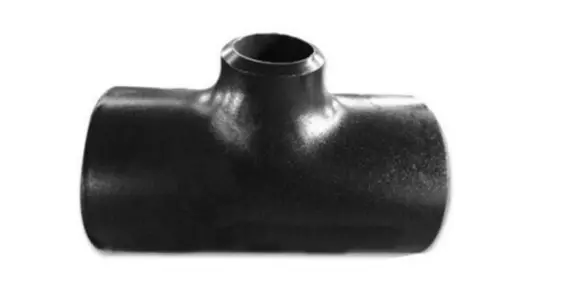
Socket weld fittings join small-bore pipes, usually less than 2 inches in diameter. They do this by fillet welding the pipes together, making solid joints that won't leak. While vibrations can cause threaded connections to leak, these welded joints must not fail in the face of hydraulic pressure, temperature cycling, or toxic media. Certifications show that makers follow the right metalworking methods, heat treatment schedules, and size limits so that the products work well in these tough circumstances.
Using parts that aren't approved has effects that go beyond instant safety risks. Products that don't follow the rules can lead to fines from the government, denied insurance claims, and delays in projects during inspection checks. Certification groups like ASME and ASTM impose standards that were created after decades of industry experience and failure analysis. This gives buyers peace of mind that parts will work as expected for as long as they are used.
The Role of Third-Party Verification in Supply Chain Confidence
Third-party certification gets rid of the conflict of interest that comes with self-certification. Independent inspectors check the steps used in manufacturing, test materials at random, and make sure that everything can be tracked, from the mill certificates for raw materials to the paperwork for final products. This kind of confirmation is especially helpful when buying from foreign sources, since it can be hard to do direct plant checks. Material Test Certificates that meet EN 10204 3.1 standards are written proof that the chemical make-up and mechanical traits meet the requirements. They create an audit trail that meets the needs of both internal quality assurance teams and external regulatory inspectors.
Key Certifications and Standards Required for Socket Weld Pipe Tees
Navigating the certification landscape requires understanding which standards apply to your specific application conditions and geographic market requirements.
ASME B16.11: The Foundation for Socket Weld Fitting Design
The ASME B16.11 standard sets exact measurements for the socket depth, hole width, and wall thickness of cast parts used for Socket Weld Pipe Tee socket weld and threaded connections. This standard makes sure that the pipe is inserted at the right level and that there is enough space for it to expand in order to avoid thermal stress breaking. Manufacturers who say they follow ASME B16.11 promise to keep limits that allow uniform weld quality and mechanical power across pressure levels from Class 3000 to Class 9000.
The socket depth specs have a direct effect on how well the fitting goes. Not enough depth stops the weld from properly engaging, and too much depth costs too much in materials and could limit flow. The standard calls for a 1/16-inch expansion gap between the pipe end and socket shoulder to account for thermal expansion during operation. This keeps stress from building up and cracking the fillet weld when temperatures change, which can happen in steam, hot oil, and chemical processing.
ASTM Material Standards: Ensuring Metallurgical Integrity
The material specs are very important for how well a fitting works in acidic and high-temperature environments. ASTM A234 specifies chemical makeup limits, tensile strength standards, and impact toughness values for parts made of carbon steel and alloy steel that will be used at mild and high temperatures. Grade WPB is still the best material for regular service because it works reliably up to 800°F and is easy to weld.
For uses involving stainless steel and high-alloys, ASTM A403 must be followed. This standard covers austenitic types like 304L and 316L that are often asked for their ability to fight rust. These guidelines say that solution annealing is the only way to get the right microstructure and rust protection. This stops sensitisation that could cause intergranular attack in bonded zones. Handheld XRF spectrometers are used for Positive Material Identification testing, which makes sure that the chemical makeup matches the material certificates. This checks for grade mix-ups before they are installed.
ISO 9001 and Quality Management System Certifications
In addition to product-specific standards, ISO 9001 approval shows that a company is dedicated to consistent quality by using written processes, corrective action systems, and methods for ongoing growth. This approval shows that a provider has strong internal controls over getting raw materials, managing production processes, following review methods, and keeping track of documents.
Since getting ISO 9001 certification, Oudi has kept it up by putting in place strict quality control measures from the time we receive raw materials until we check the finished product. Our quality control system includes high-tech detection tools that can check for errors in measurements, do chemical analysis, and test without damaging the part. This makes sure that every fitting meets the standards for shipment before it leaves. We've been able to serve over 300 customers in 40 countries with uniform product quality and full paperwork for how the products were made.
Industry-Specific Certifications: API and PED Compliance
Upstream oil and gas applications often require API 6A certification for wellhead and pressure control equipment, which includes stringent performance testing under extreme pressure and temperature conditions. While less common for standard socket weld tees, this certification becomes relevant for high-pressure injection systems and subsea applications.
European market access requires Pressure Equipment Directive compliance for fittings exceeding specified pressure-volume thresholds. PED certification involves conformity assessment procedures that verify design calculations, material traceability, manufacturing quality, and final inspection documentation align with European safety requirements. This certification opens access to EU markets while demonstrating adherence to internationally recognized safety principles applicable even outside European jurisdictions.
How to Verify and Choose Certified Socket Weld Pipe Tee Suppliers
Selecting qualified suppliers for Socket Weld Pipe Tee demands more than reviewing certification claims on websites or marketing materials. Rigorous verification protects procurement investments and ensures supply chain reliability.
Authenticating Certification Documentation
Ask for full certification packages that include pictures of the original certificates, material test reports with heat numbers, and records of factory inspections. Real certificates have registration numbers that can be checked, logos of accrediting bodies, and end dates that can be compared to databases of awarding organisations. Be wary of general certificates that don't give specifics about the goods or allow heat to be tracked—these usually mean that the company is just following the rules without really checking the quality.
Material Test Certificates should list specific heat numbers that are stamped on fittings. This way, they can be directly linked to raw material mill certificates. This record chain shows where the material came from and lets someone else check its chemical make-up and mechanical features. When manufacturers refuse to provide specific tracking paperwork, it raises questions about how they control quality and the validity of their certification.
The Value of Factory Audits and Third-Party Inspection
Direct plant checks show things about a company's manufacturing skills that licenses alone can't. You can be sure that a seller will always give qualified goods if you look at their production equipment, testing tools, heat treatment facilities, and quality control processes. Many sellers hire third-party inspection companies to do pre-shipment checks. These companies make sure that the dimensions are correct, the quality is good, and the paperwork is complete before they authorise payment and shipment.
Customers and outsiders are welcome to check and inspect our Mengcun plant. We know that these trips help build trust, which is important for long-term partnerships. We keep up-to-date forging equipment, CNC machining centers, and a full range of NDT tools, such as ultrasound testing and magnetic particle inspection, which can find flaws inside the metal that can't be seen. This openness shows that we trust the way our products are made and are dedicated to providing goods that meet or go beyond approval standards.
Evaluating Supplier Track Record and Market Reputation
Longevity and market position of a supplier show that they consistently provide good service and keep customers happy. Companies that have been in business for decades have built names that are hard for new companies to quickly copy. They have been able to do this by providing steady quality and customer service. Referrals from customers, especially end-users who have used similar products, can tell you a lot about how well a product works in real life and how quickly a supplier responds to problems.
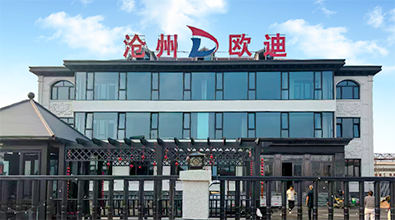
Since 1998, Oudi has become an expert in pipe fittings made of carbon steel, stainless steel, and alloy steel by continuously investing in technology and training staff. Our yearly production capacity of 16,000 tonnes allows for both spot access for pressing needs and custom production runs for unique needs. We are a trusted partner for buying teams working on complicated pipe projects in the oil, chemical, power production, and water infrastructure industries because we have the knowledge, ability, and certifications to do so.
Certification-Related Considerations in the Procurement Process
Strategic procurement extends beyond identifying certified suppliers to aligning certification requirements with operational needs and contractual protections.
Matching Certifications to Application Requirements
Different operating environments demand specific certification combinations. High-temperature steam service requires material certifications demonstrating elevated temperature strength retention, while sour gas applications need NACE compliance for sulfide stress cracking resistance. Pressure ratings must account for both operating pressure and potential surge conditions, with appropriate safety factors built into specification selection.
Corrosive media applications demand careful material selection backed by appropriate ASTM specifications. While carbon steel fittings serve general hydrocarbon and water service economically, chloride-containing environments require 316L stainless steel to prevent pitting and crevice corrosion. Understanding these material-environment interactions helps procurement teams specify appropriate certifications that ensure long-term reliability rather than focusing solely on lowest initial cost.
How Certification Requirements Affect Lead Times and Pricing
Comprehensive certification documentation requires additional manufacturing time for testing, inspection, and paperwork preparation. Rush orders may limit certification options if material heat availability or inspection scheduling creates bottlenecks. Procurement teams should communicate certification requirements early in the quotation process, allowing suppliers to schedule production and inspection activities appropriately.
Certification costs reflect real value through reduced failure risk and regulatory compliance assurance. While uncertified fittings may appear cheaper initially, the total cost of ownership, including potential failure consequences, replacement logistics, and production downtime, typically favors certified products. Volume commitments and long-term supply agreements often justify supplier investment in maintaining comprehensive certification portfolios tailored to customer requirements.
Building Quality Assurance into Purchase Contracts
Detailed purchase specifications should explicitly reference applicable standards, required certification documentation, and acceptance criteria. Contract language should address material traceability requirements, third-party inspection rights, and consequences for non-conforming deliveries. Clear specifications minimize disputes and establish objective criteria for verifying compliance.
We recommend including provisions for witness testing, where customer representatives observe critical manufacturing or inspection steps. This transparency builds confidence while catching potential issues before products leave the manufacturing facility. At Oudi, we accommodate witness inspection requests and provide detailed manufacturing schedules enabling customer planning for these verification activities.
Practical Installation and Compliance Tips for Certified Socket Weld Pipe Tees
Proper installation practices preserve the integrity that certifications guarantee, while ongoing maintenance ensures continued compliance throughout the product lifecycle.
Installation Best Practices Aligned with Certification Standards
Socket weld installation for Socket Weld Pipe Tee requires careful attention to the expansion gap specified in ASME B16.11. Installers should fully insert the pipe into the socket, mark the insertion depth, withdraw the pipe 1/16 inch, and then complete the fillet weld. This gap accommodates thermal expansion without creating stress concentration at the weld root. Failure to maintain this gap represents one of the most common installation errors leading to premature cracking.
Proper welding procedures matched to base material grades ensure weld metal properties meet or exceed fitting specifications. Qualified welding procedures should reference appropriate filler metal selections, preheat requirements for higher carbon equivalent materials, and post-weld heat treatment when specified. Documentation of welder qualifications and procedure compliance creates records demonstrating installation quality aligns with design intent.
Routine Inspection and Preventive Maintenance Programs
Periodic visual inspection identifies surface corrosion, mechanical damage, or weld deterioration before failure occurs. High-consequence systems warrant non-destructive examination using ultrasonic or radiographic techniques to detect internal degradation invisible to visual assessment. Inspection frequency should reflect service severity, with corrosive or high-temperature applications requiring more frequent assessment than benign service conditions.
Preventive maintenance programs should document inspection findings, track degradation trends, and establish replacement criteria before failures impact operations. This proactive approach maximizes asset life while maintaining safety margins. Maintaining complete as-built documentation, including material certificates and installation records, facilitates future maintenance planning and regulatory compliance verification.
Addressing Certification Discrepancies and Non-Compliance Issues
When inspection reveals certification discrepancies or suspect material quality, immediate isolation and investigation prevent potential failures. Contact suppliers promptly with specific concerns and supporting evidence, requesting corrective action plans and replacement material. Reputable manufacturers stand behind their certifications and work collaboratively to resolve legitimate quality concerns.
Our customer service team responds quickly to technical inquiries and quality concerns, leveraging our comprehensive traceability systems to investigate issues and implement corrective measures when warranted. This responsiveness reflects our commitment to customer satisfaction and recognition that addressing concerns promptly builds stronger long-term relationships than defensive reactions to criticism.
Conclusion
Certification requirements for socket weld pipe tees encompass multiple standards addressing dimensional compliance, material properties, and quality management systems. ASME B16.11 establishes dimensional specifications, while ASTM material standards verify metallurgical integrity. ISO 9001 certification demonstrates manufacturing process control, and industry-specific credentials like API and PED compliance address specialized application requirements. Successful procurement demands rigorous verification of supplier certifications through documentation review, factory audits, and third-party inspection. Matching certification requirements to specific operating conditions ensures appropriate material selection and performance characteristics. Proper installation following certified procedures and ongoing maintenance preserves the reliability that certifications promise, protecting operational integrity throughout the product lifecycle.
FAQ
1. Is ASME certification mandatory for socket weld pipe tees?
ASME B16.11 certification is not universally mandatory by law, but it represents the recognized industry standard for dimensional and design compliance in North American markets. Most engineering specifications reference ASME standards, making compliance a practical requirement for project acceptance. Regulatory bodies like OSHA indirectly enforce ASME compliance through requirements that pressure systems meet recognized engineering standards.
2. What risks come with purchasing uncertified socket weld fittings?
Uncertified fittings carry substantial risks, including improper dimensions preventing correct installation, questionable material properties leading to premature failure, and regulatory non-compliance exposing companies to penalties and liability. Insurance claims may be denied if failures involve non-compliant components. The cost savings from uncertified products rarely justify these operational and legal risks, particularly in critical service applications where failure consequences extend beyond component replacement costs.
3. How often should socket weld fitting certifications be reverified?
Initial certification verification occurs during procurement, but ongoing compliance monitoring depends on service conditions and regulatory requirements. Industries like nuclear power require periodic recertification and aging management programs. Most applications benefit from inspection during planned maintenance outages, with detailed examination intervals based on service severity and degradation mechanisms.
Partner with Oudi for Certified Socket Weld Pipe Tee Excellence
Oudi brings over two decades of manufacturing expertise and comprehensive certification credentials to serve as your trusted socket weld pipe tee supplier. Our ISO 9001-certified quality management system and Special Equipment Manufacturing License from the People's Republic of China demonstrate our commitment to rigorous quality control throughout production. We manufacture socket weld tees meeting ASME B16.11 dimensional standards across carbon steel, stainless steel, and alloy steel materials compliant with ASTM A234, A403, and other international specifications. Our 16,000-ton annual capacity serves diverse industries including petroleum, chemical processing, natural gas infrastructure, and power generation across 40 countries. Advanced inspection equipment, including ultrasonic testing and spectroscopic analysis, ensures every fitting meets certification requirements before shipment. We welcome factory audits and third-party inspections, providing complete material traceability documentation with every order. Contact our team at oudi-04@oudiguandao.com to discuss your specific certification requirements, request detailed product specifications, or arrange a facility visit to our Cangzhou manufacturing complex.
References
1. American Society of Mechanical Engineers. ASME B16.11: Forged Fittings, Socket-Welding and Threaded. New York: ASME Standards Committee, 2016.
2. ASTM International. ASTM A234/A234M: Standard Specification for Pipe Fittings of Wrought Carbon Steel and Alloy Steel for Moderate and High Temperature Service. West Conshohocken: ASTM International, 2019.
3. ASTM International. ASTM A403/A403M: Standard Specification for Wrought Austenitic Stainless Steel Piping Fittings. West Conshohocken: ASTM International, 2018.
4. International Organization for Standardization. ISO 9001:2015 Quality Management Systems—Requirements. Geneva: ISO Central Secretariat, 2015.
5. European Parliament and Council. Directive 2014/68/EU on the Harmonisation of the Laws of the Member States Relating to the Making Available on the Market of Pressure Equipment. Brussels: Official Journal of the European Union, 2014.
6. Manufacturers Standardization Society. MSS SP-79: Socket-Welding Reducer Inserts. Vienna: MSS Standards Practice Committee, 2013.

Need help finding the right solution with our experts. Please contact us.
SINCE 1998 Your Reliable Pipeline Manufacturer