Choosing Elbows for High Heat Applications
When industrial pipelines are working in very hot conditions, choosing the right elbow fittings is crucial to prevent the system from breaking down and to keep operations running smoothly. High-temperature carbon steel elbows have become a reliable choice for harsh thermal settings, like those in power plants, chemical factories, and boiler systems. These special parts are essential for places that need to keep working well even when temperatures are high. They are very strong mechanically and can handle a lot of heat. Once procurement teams know everything there is to know about elbows, from the types of materials used to the licensing standards, they can purchase parts that are safe and effective.
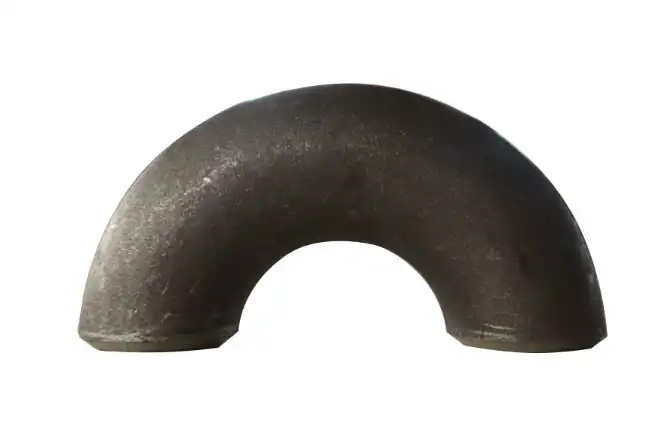
Understanding High-Temperature Carbon Steel Elbows
What Makes Carbon Steel Elbows Ideal for Heat?
High-temperature carbon steel elbows are made from carefully graded carbon steel alloys that keep their shape under high temperatures. In contrast to regular pipe fittings, these elbows go through controlled heat treatment processes that improve the structure of their grains. This makes them more resistant to thermal expansion and contraction, so they don't crack or bend. The carbon percentage is usually between 0.15% and 0.30%. This range is ideal for welding and strengthening the metal, which is important for thermal applications.
Temperature and Pressure Specifications
Most high-temperature carbon steel elbows work well between 400°F and 1,000°F, but some types can handle even higher temperatures based on the alloying elements they contain. Pressure values depend on the width of the wall and the radius of the bend. Seamless versions usually can handle higher pressures than welded versions. Our factory makes elbows with sizes ranging from 1/2" to 48", which meet ANSI standards for pressure classes from 150 LB to 2500 LB.
Core Industrial Applications
In chemical processing plants, these bends help move toxic materials at high temperatures without damaging the pipes. Power plants use them a lot in steam distribution systems, which need to be very durable because they are exposed to heat for a long time. These fittings move crude oil through high-temperature breaking units in oil plants. They are excellent for water treatment because they don't change temperature during the purification process. They are also important for shipbuilding and boiler making because they can safely route superheated fluids.
How to Choose the Right High-Temperature Carbon Steel Elbow?
Evaluating Operating Conditions
Before choosing the right High-temperature carbon steel elbows, you should carefully look at how your system works. Temperature changes have a big effect on the choice of materials. For example, places with steady high temperatures need different grades than places where temperatures change quickly. Pressure needs determine the thickness of the wall; fittings that aren't defined properly could fail catastrophically, while overbuilt parts lose money. Chemical compatibility is also important, since some process fluids speed up rusting even in materials that can handle high temperatures.
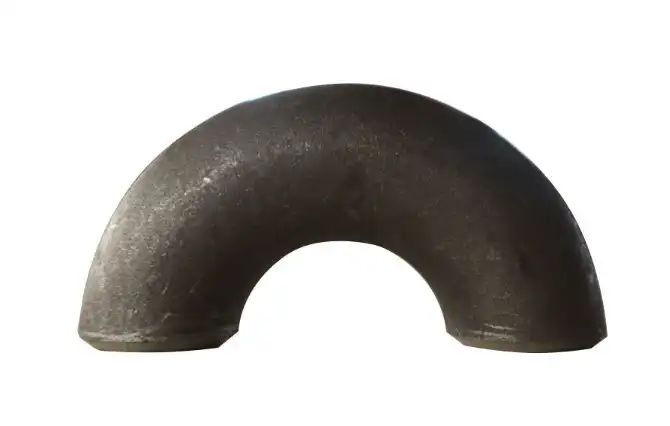
Understanding Elbow Configuration Options
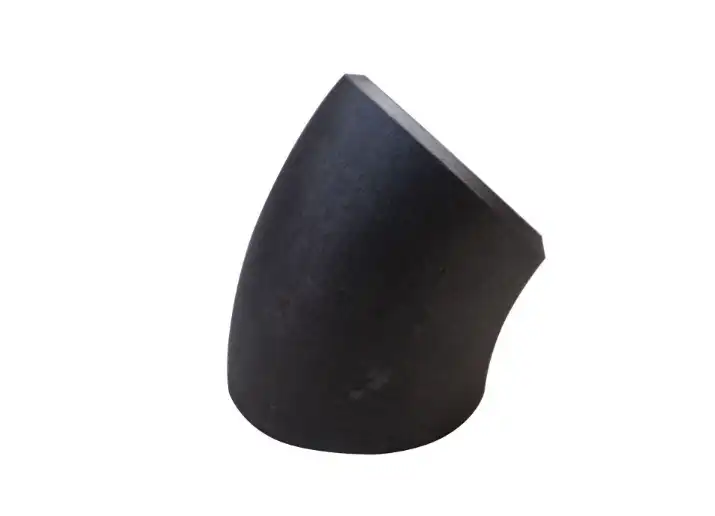
The difference between 90-degree and 45-degree elbows affects how flow works and how much space is needed. A high-temperature carbon steel elbow with a 90-degree bend makes sharper changes in direction, which is beneficial for small plans where room doesn't allow for gradual turns. These fittings keep the pipe's width the same all the way around the bend, which keeps the flow speed constant. On the other hand, 45-degree high-temperature carbon steel elbows allow for smoother flow changes with less turbulence, which makes them ideal for situations where minimizing pressure drop is more important than saving room.
Another important decision is between short-radius and long- radius designs. When the installation room is restricted, short-radius elbows are the best choice because they bend tightly with a radius equal to the pipe's nominal diameter. They can handle modest flow rates as well. Long radius models bend more slowly because their radius is 1.5 times the width of the pipe. This lowers flow resistance and erosion, making them the best choice for systems that move things quickly.
Seamless Versus Welded Construction
Seamless elbows are made from solid steel billets using hot-forming methods. This gets rid of join gaps that could become weak spots when heated up. This way of building is more expensive, but it is stronger and more reliable for high-pressure, high-temperature situations. Welded elbows connect rolled steel plates or strips, which can save you money in situations where the pressure and temperature needs are modest. Both types are made at our plant, so clients can find the best balance between cost and performance needs.
Certification and Compliance Requirements
Elbows in charge of buying things should make sure that they meet the ASTM A234 standards for carbon steel fittings. These standards describe the chemical and mechanical qualities of steel that are good for high temperatures. API 5L approval makes sure that it works with the needs of the oil business, and ASME B16.9 compliance makes sure that the measurements are correct. Our ISO 9001:2000 quality management system and People's Republic of China special equipment manufacturing license show that we are dedicated to maintaining quality throughout the whole production process.
Comparison of High-Temperature Carbon Steel Elbows and Other Materials
Carbon Steel Versus Stainless Steel
If you only need moderate rust protection, high-temperature carbon steel elbows are a great way to save money. They usually cost 40 to 60 percent less than stainless steel versions of the same thing, but they are just as strong at high temps. However, stainless steel does very well in places with both high heat and harsh chemicals, as it has better rust protection above 1,000°F. When it comes to maintenance, carbon steel fittings need protective coats to keep the surface from rusting, while stainless steel fittings don't need much care.
The original buying price is only one part of the total cost of ownership calculation. The lower cost of buying High-temperature carbon steel elbows more than covers the costs of regular upkeep in many industry settings, especially where replacement cycles are planned. Stainless steel is worth the extra cost when its longer life cuts down on costs related to downtime or when the risk of process contamination from rust products cannot be allowed.
Seamless Construction Benefits and Limitations
Seamless high-temperature carbon steel elbows don't have the lengthwise weld line that welded ones do. This makes the fitting less stressed overall. This building method works great when there are repeated changes in temperature that could weaken the weld zone during cycle loads. The production method makes the wall thickness consistent, which makes it better at handling pressure. But because seamless production requires more expensive tools, these parts are only cost-effective for very important uses where failure would have serious effects.
The best use for welded elbows is in situations where the working conditions are mild. With modern welding methods, you can make joints that are stable and work well in steady-state temperatures. When properly defined, the cost lets projects that are trying to stick to a budget put resources elsewhere without sacrificing safety.
Procurement Best Practices for High-Temperature Carbon Steel Elbows
Supplier Verification and Quality Assurance
To find reliable providers, you need to look at more than just price quotes on their trustworthiness. Check to see if the makers have the right quality certifications. For example, our ISO 9001:2000 certification makes sure that quality control is carried out in a planned way, from inspecting raw materials to testing the finished product. Manufacturing licenses for specialized tools show that you know how to follow the rules and are technically competent. Ask for proof of the heat treatment methods and the results of any mechanical tests to make sure that the specifications match the real performance characteristics.
When judging the stability of a supply chain, production potential is important. Our yearly output of 16,000 tons ensures a constant supply and cuts down on lead times that could cause project schedules to slip. Modern production tools allow for exact control of dimensions, which cuts down on fitting problems during installation that waste time and materials.
Understanding Pricing Structures and MOQs
Different sellers have different minimum order amounts based on how much it costs to make the goods. Because makers keep stock of popular requirements, standard dimension elbows usually have lower MOQs. For non-standard angles, wall thicknesses, or heat treatments, or custom designs, you may need to place more orders to cover the costs of setting up the tools. Clear price plans take into account different types of materials, the difficulty of the dimensions, and the need for approval, which lets you accurately plan your budget.
Volume pricing makes it possible to get the best deals on supplies when several projects have the same requirements. Putting together orders from different sites lowers the cost per unit and makes working with suppliers easier. But inventory holding costs need to be taken into account in the economic analysis so that capital isn't wasted on too much stock.
Custom Versus Standard Specifications
Standard elbows are good for most situations because they are easy to find, work well, and don't cost too much. Custom specs are useful when specific working conditions call for custom solutions, such as special metal compositions for high temperatures, proprietary coatings for better corrosion resistance, or odd-shaped needs for retrofit projects. Our expert team works with clients to come up with unique solutions that solve specific problems and make things easier to make.
Geographic Sourcing Considerations
Established providers in the US and Europe offer benefits like shorter shipping times, easier contact, and knowledge of regional standards because they are close by. But producers in other parts of the world—especially those with a lot of experience exporting to 40 or more countries, like our facility—offer reasonable prices and quality that has been proven. Customers in North and South America, Europe, Africa, Southeast Asia, and the Middle East buy our goods, which show they can meet a wide range of foreign standards, such as ANSI, JIS, DIN, and BS requirements.
Ensuring Product Performance and Longevity
Installation Techniques for Optimal Performance
When installed correctly, elbows last longer and don't break down before they're supposed to. Carefully align the pipe pieces before welding so that you don't create stress points that get worse when the temperature changes. Keep the gaps at the right sizes and use the right welding techniques for the grade of carbon steel. Support the pipes well near the bends so that they don't get too heavy, which increases heat pressures. Before putting the system into service, purge the lines well to get rid of any contaminants that could cause rust.
Protective Coatings and Surface Treatment
High-temperature carbon steel elbows are protected from rust by coatings on the outside, especially in damp or marine settings. Galvanization is a cheap way to protect against mild conditions, while epoxy and polyurethane coats are better for more severe ones. When process fluids are acidic, special treatments may help the inside surfaces. However, when choosing a covering, it's important to think about the highest and lowest temperatures that could cause it to break down.
Heat Treatment and Material Enhancement
Normalizing heat treatment smooths out the structure of the grains, which improves their mechanical qualities and relieves any stress left over from production. Stress-relief annealing makes things less likely to crack from stress rust in places where it can happen. Our manufacturing method uses the right heat treatment techniques for the material grades and service conditions, which are confirmed by metallurgical tests.
Maintenance Strategies and Monitoring
Visual checks done on a regular basis find surface rust before it weakens the structure. Ultrasonic thickness readings keep track of wall loss caused by internal wear and tear or rust, which lets repair be planned ahead of time. Keep an eye on system performance signs like pressure drop across bends to find flow problems caused by scale buildup. Cleaning should be done on a regular basis to get rid of deposits that speed up localized rusting through under-deposit processes.
Conclusion
When choosing high-temperature carbon steel elbows, you have to weigh the costs and the scientific needs. When properly designed and bought from qualified makers, these fittings work reliably in a wide range of industrial settings. Procurement teams can make smart choices when they know about the properties of materials, the different setup options, and the approval standards. Consistent product quality and supply chain stability are ensured by working with providers who have proven quality systems, enough production capacity, and experience working with customers in other countries. As long as businesses need strong parts that can work in harsh temperatures, carbon steel elbows will remain a cheap option that has been used for decades and proven to work well in the field.
FAQ
What temperature range can high-temperature carbon steel elbows withstand?
Good high-temperature carbon steel elbows usually work well from 400°F to 1,000°F, and some types are even made to work at even higher temperatures. The real limit varies on the amount of carbon in the metal, the alloying elements used, and the heat treatment methods used during production. When you operate above the rated temperature, there is a chance that microstructural changes will happen that weaken the material and speed up rusting. Check the material's specs and certifications to make sure that the temperature values meet the needs of your application.
How do I choose between seamless and welded carbon steel elbows?
Seamless construction works best in high-pressure, high-temperature situations where extra strength and dependability are worth the extra cost. Weld joints are not present, so there are no possible weak spots when heat loading happens over and over again. For moderate working situations where properly executed welds work well, welded elbows are a cost-effective option. When making this choice, you should think about the pressure levels, the seriousness of temperature cycling, and the severity of the failure consequences. Based on your unique working conditions, our technical team can suggest the right types of construction.
What certifications should I require when purchasing online?
For high-temperature carbon steel elbow fittings, make sure they meet ASTM A234 standards. For dimensional standards, make sure they meet ASME B16.9 standards. If it applies to your business, ask for API approvals. Having an ISO 9001 quality management license means that work is controlled in a planned way. Ask for mill test results that list the chemicals used and the mechanical features of the material. Check to see if the company that makes the special tools has the right licenses to do so. With these qualifications, you can be sure that the goods you buy meet international quality standards and government rules.
Partner with Oudi for Reliable High-Temperature Carbon Steel Elbow Solutions
At Oudi, we know how important it is to use high-temperature carbon steel elbows that are properly sized and rated for safety and efficiency in tough industrial settings. We have been making high-quality pipe fittings for over 300 customers in over 40 countries since 1998. Our name has been built on steady quality and technical know-how. Our ISO 9001:2000-certified factory uses cutting-edge production tools and strict testing procedures to make sure that every high-temperature carbon steel elbow meets the strict requirements of ANSI, JIS, DIN, and BS. Our wide range of products, which includes carbon steel, stainless steel, and alloy steel, lets you choose the right one for your thermal and pressure needs, whether you need standard 90-degree setups or unique 45-degree solutions. Contact our team at oudi-04@oudiguandao.com to talk about the details of your project and get reasonable quotes from a reliable High-temperature carbon steel elbow source that wants to help you achieve operational excellence.
References
1. American Society of Mechanical Engineers. (2018). ASME B16.9: Factory-Made Wrought Buttwelding Fittings. New York: ASME Press.
2. Davis, J.R. (Ed.). (2006). Corrosion of Weldments. Materials Park, OH: ASM International.
3. Gupta, S.K. (2015). Piping Materials Guide. Cambridge, UK: Woodhead Publishing.
4. Mohitpour, M., Golshan, H., & Murray, A. (2007). Pipeline Design & Construction: A Practical Approach (3rd ed.). New York: ASME Press.
5. Smith, P.R., & Zappe, R.W. (2004). Valve Selection Handbook: Engineering Fundamentals for Selecting the Right Valve Design (5th ed.). Burlington, MA: Gulf Professional Publishing.
6. Spedding, P.L., & Hand, N.P. (1997). Prediction of Pressure Drop in Two-Phase Flow Through Pipe Fittings. Transactions of the Institution of Chemical Engineers, 75(Part A), 752-762.

Need help finding the right solution with our experts. Please contact us.

SINCE 1998 Your Reliable Pipeline Manufacturer



