CNC Machined Carbon Steel Elbows for Accuracy
When industrial plumbing systems need to be completely reliable, they can't do without precision-machined elbow fittings. CNC machined carbon steel elbows are the best way to combine excellent manufacturing with the needs of engineers. They provide precise measurements that normal fits just can't match. These carefully designed parts make sure that they work well with complicated pipe networks. This makes installation easier and improves the overall performance of the system. Whether you're looking for parts for natural gas distribution systems or chemical processing plants, knowing what makes precision-machined elbows different will have a direct effect on the success and life of your project.
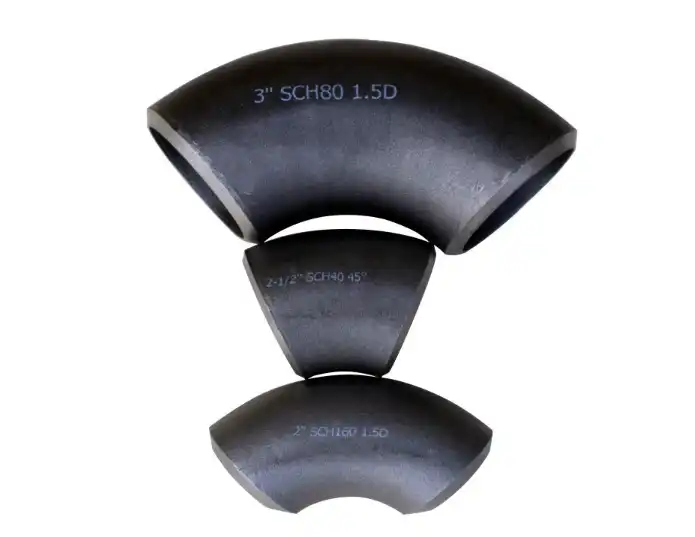
Understanding Precision-Machined Carbon Steel Elbows
When it comes to how they are made and the quality they produce, precision-machined elbow fittings are very different from regular pipe fittings. Traditional methods like hot forming or casting produce excellent results, but they aren't always the same. CNC machining, on the other hand, gives the exactness and reliability that modern industrial uses need more and more.
What Makes CNC Machining Superior for Elbow Production?
With CNC technology, manufacturers can produce parts from raw carbon steel with errors of just a few thousandths of an inch. This amount of control eliminates the problems with inconsistent dimensions that arise when elbows are made the old-fashioned way. When you connect a Precision-machined elbow to your pipe system, the sharpened ends line up properly, which makes it easy to do full-penetration welds. The areas that were machined have a uniform finish quality, which is crucial for bonding and the inspections that follow.
At Oudi, we work with materials like ASTM A234 WPB carbon steel, which is simple to weld and has the right mechanical qualities for systems under pressure. These grades of carbon steel are strong for their weight, which makes them cost-effective while still keeping their structural integrity in harsh working circumstances. Compared to stainless steel or alloys, carbon steel provides more cost-effective performance in situations where middling corrosion protection is needed.
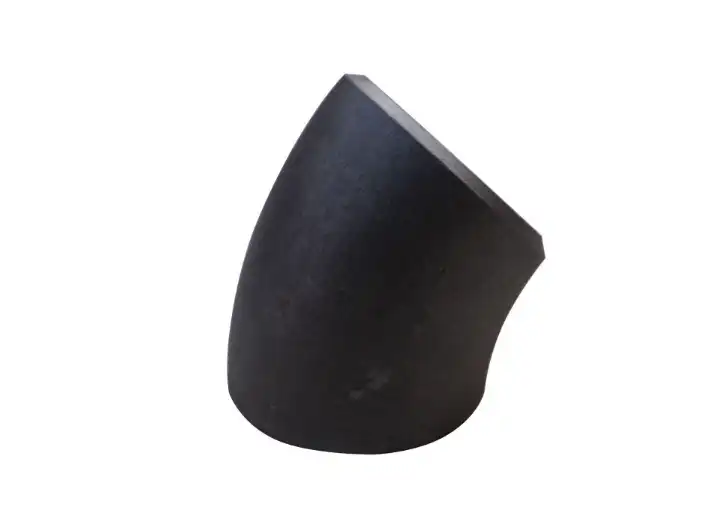
Dimensional Accuracy and Its Operational Impact
Precision in measurements directly affects how quickly and reliably a system is installed. When the center-to-face measurement of an elbow exactly matches the specs, fit-up changes take less time. The consistent internal diameter makes sure that the flow features stay reliable. This stops pressure drops or turbulence zones that happen out of the blue and speed up wear. This accuracy is especially useful in long-radius bends that are meant to have low flow resistance, since even small changes from the usual 1.5x nominal pipe size can cause performance problems.
Our way of making things at Oudi makes sure that the wall thickness is the same all the way through the fitting. This fixes a common problem with cast or forged elbows where the material isn't distributed evenly. When wall thickness stays the same, stress is distributed in a reliable way during pressure cycles. This increases service life and lowers the risk of catastrophic failure. When you order Precision-machined elbow parts, you're putting in reliability—each elbow works the same as the one before it, which makes managing inventory and planning for replacements easier.
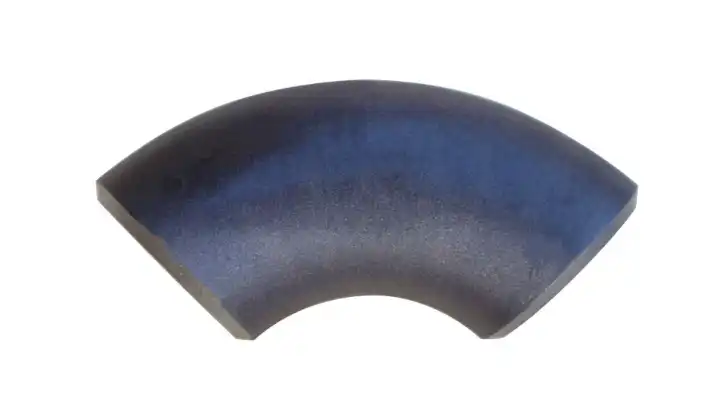
The CNC Machining Process for Carbon Steel Elbows
Learning about how precision-machined elbow components are made helps purchasing teams understand the differences in quality and make smart decisions about where to buy things. The process starts with digital correctness and stays that way through all the stages of production.
From CAD Design to Physical Component
Engineers begin by making CAD models that include all the necessary angles, curves, wall thicknesses, and bevel shapes. This digital model goes straight into CNC programming software, which turns it into toolpath directions that control how the machine moves. The technology gets rid of the mistakes that people make when they try to understand things, which cause variations in hand-machining processes.
During production, multi-axis CNC tools carry out these plans very consistently. Turning operations set the outer diameter and wall thickness. Milling operations set the exact angles that describe the elbow shape. Drilling and boring are used to prepare weld bevels to exact specs. This keeps the land size within the normal 1.6 mm range, which stops burn-through during root-pass welding.
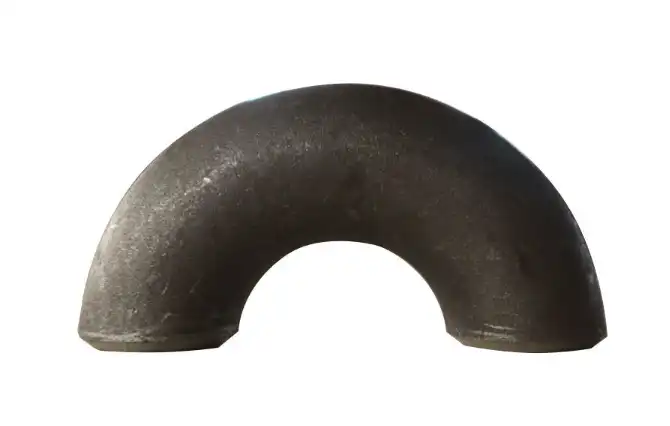
Quality Verification and Testing Protocols
We don't just rely on final inspection; we use thorough inspection methods throughout the whole production process. Coordinate measuring tools check the accuracy of the dimensions against the original CAD model. They can find differences before they get worse. Surface finish gauges ensure that areas meet certain roughness levels. This affects both the quality of the welding and the flow features.
When required by the specs, heat treatment comes after the making steps. This controlled heat processing removes any remaining stresses from the cutting process, making the material flexible and strong again. If you don't heat treat carbon steel elbows properly, they can become weak and break easily when they are loaded and unloaded over and over again. Our facilities follow strict rules for controlling temperature and time that are in line with ASTM standards. These rules are backed up by our ISO 9001:2000 certification and licenses to make special equipment.
Comparing Manufacturing Methods
Forged elbows are better for grain flow, but they are difficult to control for tight tolerances, especially when the geometry is complicated. Cast elbows let you be flexible with your design, but they come with the risk of porosity and need a lot of non-destructive testing. Welded elbows made from pipe pieces have seam flaws that can't be avoided. CNC machining gets around these problems by cutting away material from solid stock. This makes monolithic parts that don't have any splits or breaks in the material and are all the same size.
How to Choose the Right Precision-Machined Elbow for Your Application?
When choosing the right precision-machined elbow, you have to weigh technical needs against useful ones. The choices you make when writing the specifications will effect how well the system works for many years to come.
Material Selection Criteria
For most industrial pipe needs, carbon steel is still the best choice, but the type you choose is important. ASTM A234 WPB is useful for a wide range of tasks at average temperatures. ASTM A420 low-temperature carbon steel keeps your system from breaking when it's close to or below freezing. Knowing the harsh temperatures, chemicals, and changing pressures in your working area will help you choose the right material.
In places where people process chemicals, better metals may be needed, but carbon steel works well with many common chemicals. The most important thing to think about is comparing the rate of rust to the projected service life. Accepting mild rust with planned replacement can be cheaper than asking for rare materials, especially when the cost of precision machining stays pretty steady across common carbon steel grades.
Radius and Angle Configuration
With a 1.5x NPS central radius, long-radius elbows reduce flow resistance and pressure drop the most. This makes them the most common choice, unless room restrictions make another choice necessary. The gentle curve keeps systems that deal with rough fluids or air full of particles from wearing down. When the installation room is limited, short radius options at 1.0x NPS can be used instead of long radius options. However, the higher turbulence these options cause speeds up wear and raises pumping costs over the system's lifetime.
Angles between 45 and 90 degrees are the most common ways to change direction, but special angles can be used to solve specific planning problems. Precision cutting can meet these unique needs without requiring the purchase of expensive tools, such as those used for forging or casting. This approach makes small production runs affordable. When planning complicated pipe routes, giving accurate angles cuts down on the need for changes that are made in the field and lower the quality of the installation.
Balancing Cost Against Long-Term Value
Precision-machined elbows are pricier up front than standard joints, but the total cost of ownership figure frequently favors the more expensive choice. Better fit-up accuracy cuts down on installation time, which saves money on labor costs right away. Over the life of the system, upkeep costs go down because there are fewer leaks and longer service times. You can confidently order in bulk without worrying about how the different production lots will fit together, because the dimensions are always the same.
Custom cutting is worth the extra cost when your application needs non-standard shapes or when you can't get standard parts from a supplier. Our annual production capacity of 16,000 tons at Oudi gives us the steady volume that big projects need while still letting us handle unique orders.
Applications and Benefits of CNC Machined Carbon Steel Elbows in Industry
Precision-machined elbow fittings are critical in many industries where the safety and continuation of operations depend on the dependability of the pipe system. Because these parts are more accurate, they lead to measured changes in performance.
Oil and Gas Pipeline Systems
Pipeline networks that go for thousands of miles can't handle fitting problems. Precision-machined elbow joints make links that don't leak and can withstand changes in pressure and temperature without breaking down. The accuracy of the measurements makes sure that a radiographic check shows full weld penetration, meeting regulation standards without having to wait for rework. The integrity that these fittings provide is essential for moving volatile hydrocarbons—it's not a choice.
Chemical Processing Facilities
Chemical companies use processes that run all the time, and unexpected shutdowns cost millions of dollars. Precision-machined elbows reduce the number of fitting mistakes that cause parts to break down early and require immediate repair. The consistent internal geometry keeps flow patterns predictable, avoiding dead zones where materials could build up or respond in ways that are hard to predict. Process engineers choose these parts because they know they will work exactly as planned for the whole time they are in use.
Power Generation Applications
Power plants need to be reliable, which is measured in years of nonstop operation. Precisely made bends handle the temperature and pressure changes that these systems require, whether they are moving high-pressure steam in fossil fuel plants or coolant around factories. The precise measurements make sure that the support gaps and load distribution are correct, which stops the fatigue breakdowns that happen when stresses aren't distributed correctly.
Water Conservancy and Municipal Infrastructure
Precision-machined bends make fitting faster, which is beneficial for large-scale water distribution systems. When parts line up correctly on the first try, construction plans get tighter. The smooth inside surfaces keep friction losses to a minimum, which lowers the amount of energy needed to pump millions of gallons of water every day. Over the decades that infrastructure is in use, these practical saves add up to a lot.
Measurable Performance Advantages
Precision-machined elbows cut installation time by 20–30% compared to traditional fittings, which has a direct effect on building plans and labor costs. When measurement accuracy gets rid of fit-up gaps that are hard for welders to fill, leak rates go down by a measurable amount. Maintenance intervals get longer because proper alignment cuts down on wear caused by vibrations. According to engineering principles, the data shows that precision production has practical benefits that make the investment worth it.
Procurement Guide: Buying and Partnering with Precision Machined Elbow Suppliers
To find the best suppliers of precision-machined elbow solutions, you need to know more about their services than just comparing prices. The bond with your fitting supplier is as important to your job's success as the parts themselves.
Evaluating Supplier Credentials
Quality badges are important signs of trustworthiness. ISO 9001 approval shows that quality management systems are standardized, and special equipment manufacturing licenses show that pressure-containing parts comply with regulations. At Oudi, we keep both licenses and strict internal standards that we've built up over 25 years of making. When looking at possible sellers, ensure that their certifications are up-to-date and cover the goods you want to buy.
The level of technical skill is also important. Is the provider in possession of high-tech inspection tools that can prove the accuracy they claim? Can they give you certificates for the materials that can be linked to mill test reports? There are coordinate measuring machines, surface finish testers, and nondestructive testing tools in our buildings that ensure all of the dimensions and metal requirements are met before the goods are shipped.
Understanding Lead Times and Order Quantities
Precision cutting takes longer to make than regular manufacturing, but the difference becomes smaller when you add in quality checks as part of the whole process. Lead times usually range from four to eight weeks, but they rely on the amount and level of customization needed. By planning ahead, you can meet these deadlines without having to rush production, which raises costs and risks mistakes.
The economics of setup-intensive manufacturing mean that minimum order amounts are necessary. At Oudi, we can handle orders of all kinds, but when you order more, the cost per unit goes down because of savings of scale. When planning big projects, lining up supply dates with building stages saves money on warehouse storage costs and makes the best use of working capital.
Cost-Value Analysis Framework
To compare provider quotes, you need to look at more than just the top price. What inspection paperwork will accompany the delivery? Does the seller guarantee that the measurements will be correct? What can be done if the parts don't fit? When cheap parts break or cause installation delays that throw off project plans, hidden costs show up.
Think about the total cost of delivery, which includes freight and clearing customs. Because we've exported goods to over 300 customers in 40 countries, we know how complicated foreign operations can be and can give you accurate estimates of what the goods will cost when they arrive at their destination. This openness gets rid of budget shocks that make it difficult to plan purchases.
Building Strategic Supplier Relationships
One-time deals don't see the value that smart relationships bring. When suppliers know what your application needs and what level of quality you expect, they can give you better results with less supervision. We have long-term client connections because we take time to understand their problems and provide solutions that work for them. As your projects get harder, that institutional information is worth more and more.
Conclusion
Precision-machined elbow fittings are not just an item to be bought; they are an investment in the stability of the piping system. The precise measurements that CNC making provides get rid of the problems with installation and performance that come with using regular parts. When your operations depend on the integrity of a pipeline, like when moving hydrocarbons, processing chemicals, or spreading water, making sure that the parts are precisely machined guards against breakdowns that stop operations and put people at risk. The higher cost of these parts at first pays for itself in shorter installation times, longer service lives, and less need for upkeep. If you choose providers with a history of making quality certifications and international experience, you can be sure that the parts you receive will always meet your needs.
FAQ
What precision factors distinguish CNC machined elbows from standard options?
All of the measurements of precision-machined elbow units are accurate to within a thousandth of an inch. This includes the wall thickness, angles, radii, and bevel shape. With this level of accuracy, the installation will be perfectly aligned, the weld will be prepared perfectly, and the flow features will be reliable. Standard elbows made by forging or casting have bigger differences in size between pieces, which makes them harder to fit and less reliable in terms of performance.
How do long radius and short radius configurations affect system performance?
Long radius elbows have a central radius that is 1.5 times the standard pipe size. This makes changes in direction more gentle, which lowers pressure drop and flow turbulence. In most cases, this arrangement stops degradation and makes the product last longer. Short radius elbows with 1.0x NPS dimensions can fit in tight areas, but they cause more turbulence and pressure loss, so they should only be used when long radius installation is not possible because of lack of room.
Can precision-machined elbows accommodate custom specifications?
CNC production is great at making unique angles, radii, and sizes without having to spend a lot of money on tools like casting or forging does. Because of this, small production runs can be done affordably even when standard designs don't work for your needs. Custom requirements can add two to three weeks to normal lead times, but it depends on how complicated they are.
What documentation should accompany precision-machined elbow delivery?
You can expect material certifications that can be linked to mill test results, records of dimensional inspections that have been checked by coordinate measuring machines, and heat treatment certifications when the specs say that the material needs to be heated. This paperwork gives the people in charge of inspections the quality proof they need and helps you keep your own records.
Partner with Oudi for Precision-Machined Elbow Excellence
Every precision-machined elbow that Oudi makes is the result of 25 years of experience making pipe fittings. Our ISO 9001:2000 certification and special equipment manufacturing licenses back up the quality control systems that make sure the materials are correct in size and shape. No matter if you're designing infrastructure for oil pipelines, chemical processing plants, or city water systems, our precision-machined carbon steel elbows will work as expected. We work with over 300 customers in more than 40 countries and have the export knowledge and organizational skills that projects that involve other countries need. Our yearly production capacity of 16,000 tons strikes a good mix between consistent volume and the ability to meet unique needs. Get in touch with our team at oudi-04@oudiguandao.com to talk about your needs for a precision-machined elbow with a reliable maker and provider that is dedicated to engineering excellence. We want to show you how 25 years of experience in production can help you get parts that go above and beyond what you expect.
References
1. American Society of Mechanical Engineers (2019). ASME B16.9: Factory-Made Wrought Buttwelding Fittings. ASME International.
2. Boyer, H.E. & Gall, T.L. (2018). Metals Handbook: Properties and Selection of Carbon and Alloy Steels. ASM International Publishers.
3. Nayyar, M.L. (2020). Piping Handbook: Seventh Edition. McGraw-Hill Professional Engineering.
4. Parisher, R.A. & Rhea, R.A. (2021). Pipe Drafting and Design: Third Edition. Gulf Professional Publishing.
5. Smith, P.R. & Zappe, R.W. (2017). Valve Selection Handbook: Engineering Fundamentals for Selecting the Right Valve Design. Elsevier Technical Publications.
6. Swindeman, R.W. (2019). Elevated Temperature Properties of Carbon Steels in Pressure Vessel Applications. Oak Ridge National Laboratory Technical Report Series.

Need help finding the right solution with our experts. Please contact us.

SINCE 1998 Your Reliable Pipeline Manufacturer



