Industrial Socket Weld Tees for Secure Connections
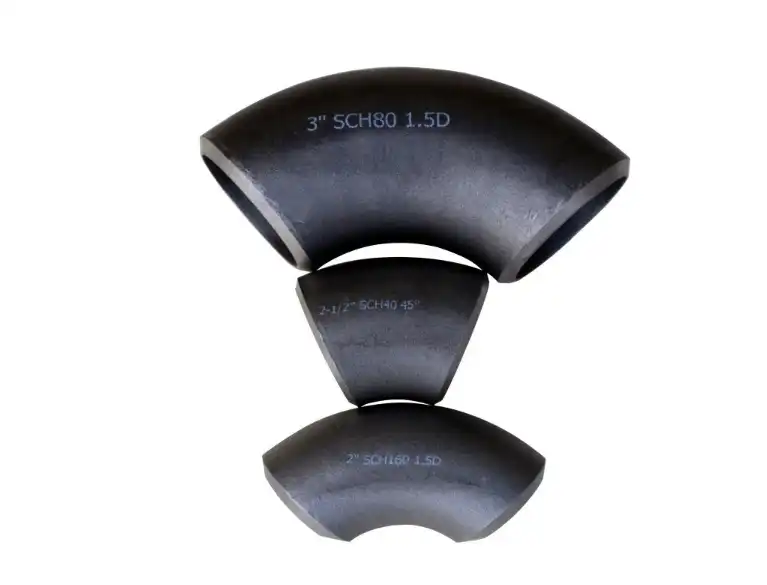
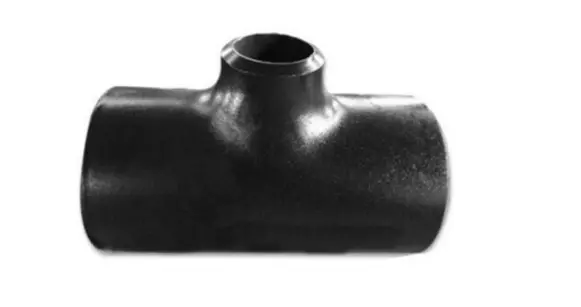
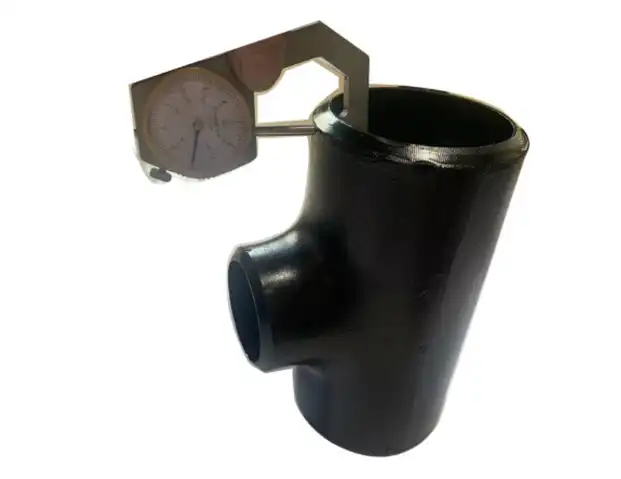
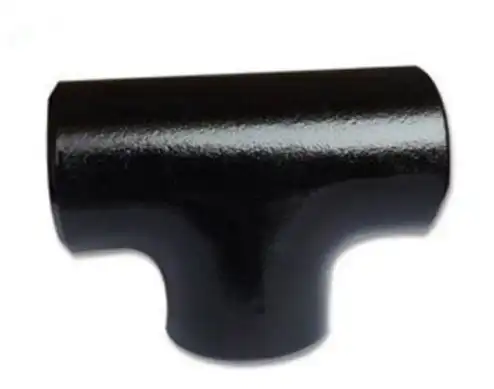
When pipe systems need to be completely reliable, like in dangerous or high-pressure settings, industrial socket weld pipe tees are a must. A socket weld pipe tee is a cast fitting that splits a pipeline in half at a right angle. It has recessed holes that hold the pipe ends before the last fillet welding. This design gets rid of common weak spots in threaded connections and makes them more structurally sound than cast options. This makes them important parts in places like oil pipelines, chemical plants, and power plants where leak-free performance is a must.
Understanding Socket Weld Pipe Tees: Specifications, Dimensions, and Materials
What Makes Socket Weld Fittings Different?
Socket weld pipe tees are different because of how they are made and how they are connected. Butt weld fittings need pipe ends to be cut and full-penetration welds to be done. Socket weld designs, on the other hand, have a recess that fits the pipe end and only needs an outward fillet weld. Because of this basic difference, they are especially useful for small-bore pipe systems (NPS 2 and below), where it can be hard to get reliable weld penetration with butt joints. Even though threaded bolts are easy to install, they can't handle the vibrations and changes in temperature that happen a lot in industrial settings without leaking over time.
Industry Standards and Pressure Ratings
The socket weld pipe tee standard, ASME B16.11, says what the socket depths, dimensional limits, and fillet weld requirements are. Our factory in Oudi makes fittings with Class 3000, 6000, and 9000 pressure ratings that are perfectly matched to pipe schedules 80/XS, 160, and XXS. These pressure classes show the highest pressure that can be used at room temperature. For example, Class 3000 fittings are usually rated for 3000 PSI. Schedule 40 pipes are usually used in low-pressure situations, while Schedule 80 and larger schedules are used in high-pressure places where safety must be a top priority.
Material Selection and Performance Characteristics
The choice of materials has a direct effect on the system's stability and service life. Fittings made of carbon steel that meet ASTM A105 standards have great tensile strength and can be welded together easily for general use in water and oil systems. If you need to deal with toxic substances or high temperatures, ASTM A182 F304 or F316 stainless steel choices are the best choices. The chromium-nickel content in 316 stainless steel keeps pitting and fissure rust from happening in chemical processing plants that work with acidic chemicals. Alloy steel types like ASTM A182 F11 and F22 are used in high-temperature steam applications because they maintain their mechanical properties at temperatures above 500°C, where carbon steel would begin to creep and deform.
We use a forging method that makes a continuous grain flow throughout the fitting body. This gets rid of the flaws and holes that are common in cast products. This advantage in the way the metal is made means that it has higher impact strength and fatigue resistance. This is especially important in systems that are subject to pressure spikes or hydraulic beating.
Comparing Socket Weld Pipe Tees: Choosing the Best Fit for Industrial Needs
Butt Weld vs. Socket Weld: Understanding the Trade-offs
Butt weld tees work best in situations with a bigger diameter than NPS 2. This is because their smooth internal profile reduces pressure drop and gets rid of debris traps. Their installation, on the other hand, needs exact pipe preparation, such as beveling and fit-up alignment, which raises the cost of field labor. Socket-weld pipe tees solve this problem because they have a built-in guide surface that places the pipe properly. This means that you don't have to do any spot welding during assembly. When compared to butt weld options in small-bore systems, this trait cuts installation time by about 30%.
When welders don't have an X-ray to check the weld penetration on small-diameter butt joints, internal weld beads often stick out into the flow path. The fillet weld design stops this from happening. Any internal bulge can start erosion in slurry services, so this smooth internal shape is very useful at those times.
Threaded Connections: When They Fall Short?
NPT threaded tees look good from a cost point of view, and they don't need any welding tools. However, their limits become clear in the kind of conditions that are common in industrial sites. Mechanical deformation and thread sealant are needed for thread contact. When heat expansion cycles loosen the link, leak paths are made. Threaded joints need constant repair because vibrations from nearby spinning equipment wear them out over time. Over 300 customers in 40 countries have told us over and over that Socket Weld Pipe Tees get rid of these annoying maintenance problems in instrument connections, sample systems, and chemical entry points.
Material Matching for Specific Environments
To choose between carbon steel, stainless steel, and alloys, you need to know what you will be using them for. Duplex stainless steel grades are good for offshore oil platforms that are in chloride-rich environments because they blend the corrosion protection of austenitic stainless with the strength of ferritic structures. Refineries that handle sour crude oil that contains hydrogen sulfide must choose materials that don't crack when exposed to sulfur stress. Our technical team helps procurement managers make these kinds of material choices by making sure that the materials they choose are compatible with current piping standards and relevant codes, such as ASME B31.3 for process piping.
When you buy in bulk, you can save a lot of money by sticking to the same size and material choices. When more than one similar process skid is used in a project, orders for standard fittings can be grouped together to save money. At our 66,600-square-meter manufacturing plant, we can customize standard sizes to fit specific needs. However, custom orders usually need to be placed in larger amounts and take longer to ship.
Installation, Welding Procedures, and Maintenance Best Practices
Step-by-Step Installation Guidelines
Preparing the pipes is the first step in a proper fitting. Use a pipe cutter or saw to cut the ends of the pipes straight, and remove any burrs that might get in the way of inserting the socket. Find out how deep the socket is and mark the pipe to allow for the required expansion gap. ASME B16.11 says that there must be a 1/16-inch gap between the pipe end and socket bottom to allow for heat expansion and stop root cracking. Insert the pipe until it reaches the bottom of the socket, then pull it out to create a gap for the socket weld pipe tee.
The welding factors depend on the make-up of the base material. Fittings made of carbon steel usually use E7018 electrodes that need to be heated up above 50°F. For 304 base material, low-carbon filler metals like ER308L are needed to keep the material from becoming sensitive and to prevent intergranular corrosion from happening. The fillet weld should make a shape that is smooth and slightly convex, with no undercuts or too much support. Some common mistakes are not going deep enough into the root, which causes stress to build up, and adding too much weld, which adds leftover pressure.
Quality Verification and Testing
During the production process, we inspect many things, from the raw materials to ensure they are the right size to the finished product. Each batch of products goes through a non-destructive test that checks for pressure stability. This test includes eye inspection, measurement gauging, and hydrostatic testing. Our building has advanced detection equipment that meets the needs of users who want third-party approval. Customers can ask for extra tests, like positive material identification or x-rays of important welds, to make sure that all the parts can be tracked back to their source for safety-critical uses.
Maintenance Strategies for Extended Service Life
Regular care makes fittings last longer and stops them from shutting down without warning. External areas should be checked visually for rust, especially in the weld heat-affected zone where changes in the microstructure may speed up the attack. Using soap solutions or ultrasound ways to find leaks finds small seepage problems before they become system failures. When socket weld pipe tees leak, the right way to fix it is to remove the whole weld, prepare the surface, and then re-weld using qualified methods. Patch welding over existing flaws makes weak spots that are likely to fail quickly.
Following the ASME Section IX welding standards makes sure that employees have shown they can weld the materials and joints used in your building. All repair work that involves welding on pressurized systems must follow safety rules, such as OSHA's rules for entering tight spaces and getting a hot work permit.
Procurement Insights: Buying Industrial Socket Weld Pipe Tees with Confidence
Evaluating Supplier Credentials
Choosing the right supplier has a big effect on the success of the project and the long-term dependability of the system. ISO 9001:2000 certification shows that a seller has recorded quality control systems that can be followed from receiving raw materials to sending finished goods. Our company has special equipment production licenses, which show that we are allowed by the government to make pressure-retaining parts. By checking these credentials, procurement teams can avoid buying fake goods that have gotten into industry supply lines and could damage safety-critical parts of the socket weld pipe tee system.
Feedback from current customers gives you more information about how well a company is doing than what they say in their marketing materials. We have long-term partnerships with companies in the oil, chemical, natural gas, and water conservation businesses in Europe, the Americas, Africa, Southeast Asia, and the Middle East. These relationships show that we consistently provide high-quality products on time. Checking references with similar end-users in your business will show you if a seller understands the needs of your application and offers good technical support.
Minimum Order Quantities and Lead Times
Our 16,000-ton-per-year plant is very efficient, which lets us be flexible with order sizes. When stock allows, standard catalog items made of popular materials like ASTM A105 carbon steel and A182 F316 stainless steel usually ship within standard wait times. Custom specs, rare metals, or sizes that aren't standard all require manufacturing wait times that change based on the state of the production queue and the time it takes to get materials. Early communication of project plans by procurement managers lets suppliers book factory slots and get long-lead materials.
Figuring out the MOQ helps buyers make the best decisions about what to buy. Due to setup costs, single-piece purchases cost more per unit, but when you combine orders, you can get bulk prices. When you place an annual blanket order with planned releases, you can balance the costs of keeping inventory with the price per unit. This is especially helpful for repair operations that need to keep restocking standard sizes.
Negotiation Strategies for Bulk Orders
When you commit to a certain amount of volume, you can get better prices and special service during times when capacity is limited. When hiring suppliers like Oudi for multi-phase projects, it's best to set up deals with total volume commitments but flexible release dates. This way, you can protect against price changes while keeping your working capital efficient. Negotiations about payment terms should find a balance between the buyer's financial policies and the supplier's need for cash flow. For foreign transactions, letter of credit methods should be used to protect both parties.
Inspection requirements, material documents, dimensional limits, and marking requirements should all be made clear in the technical specs. When requirements aren't clear, disagreements over what counts as an acceptable result in expensive rework. Before production starts, our technical team works with the procurement and engineering teams to make sure that all needs are clear. This way, there are no mistakes that slow down the project.
Advantages and Industrial Applications of Socket Weld Pipe Tees
Key Performance Benefits
Socket weld pipe tees offer measurable benefits that directly lower the total cost of ownership. The full-penetration fillet weld that makes an airtight seal around the pipe diameter is what makes them leak-proof. This closing integrity stops rogue emissions in chemical plants that work with volatile organic compounds. This helps facilities stay in line with environmental rules and keep workers safe. When compared to butt weld alternatives, installation speed cuts down on work hours. This is especially helpful during turnaround projects where tight schedules directly affect profits.
Over decades of service life, maintenance perks add up. The strong forged design doesn't break easily when hit or heated and cooled, which can happen with cast fittings or threaded connections. When fixes are needed, the external weld position lets the problem be inspected and fixed without taking the system apart. Because of these qualities, socket weld pipe tees are perfect for hydraulic systems that need to be very reliable, high-pressure steam services, and chemical transfer that can damage pipes.
Critical Industry Applications
Socket weld pipe tees are used a lot in oil and gas operations for connecting instruments, sample systems, and high-pressure injection points. Offshore platforms use these parts in salt water, which breaks down weaker materials through galvanic rust and chloride contact. Refinery fluid catalytic cracking units work at temperatures above 900°F and pressures above 500 PSI. They need steel or metal parts that can handle these high temperatures without losing their strength. Socket weld pipe tees work well in these tough situations and can fit in tight spaces needed for installing process equipment.
Chemical processing plants that use acids, caustics, and solvents need parts made of stainless steel and unusual alloys that can't be damaged by certain types of attack. To meet FDA approval standards, pharmaceutical companies need to use clean finishes and be able to track all of their materials. In power plants, socket weld pipe tees are used in boiler feedwater systems, condensate return lines, and steam trap connections. Their zero-leakage performance saves expensive turbine equipment from damage caused by water hammer.
Municipal utilities and water treatment plants are using socket weld pipe tees more and more for chlorine pumping systems, chemical feed skids, and high-pressure pump pipes. The longer service life and low upkeep needs fit within infrastructure budget limits while protecting public health through reliable cleaning system operation.
Future-Proofing Your Piping Infrastructure
Buying high-quality fittings that go beyond the basic code standards gives you room for changes in working conditions in the future. Systems that were originally made for mild pressures can safely handle increases in capacity if they are equipped with higher-class fittings. Socket weld pipe tees are widely sold around the world, which means that new parts will always be easy to find even after a facility has been used for decades. As businesses accept tighter rules for health and safety and the environment, socket weld pipe tees make it possible for facilities to comply with the new rules with little cost.
New technologies in non-destructive testing make it possible to check on the state of old pipe systems. For example, socket-weld pipe tees make it easy to reach the outside of pipes for ultrasonic thickness measures and phased-array exams. This compatibility with modern maintenance strategies increases the useful life of assets while maximizing the number of inspections based on their real state instead of timid plans based on time.
Conclusion
Industrial Socket Weld Pipe Tees are designed solutions for important pipe uses where failure would have serious effects that call for high-quality parts. Their cast construction, leak-proof design, and ease of fitting make them valuable at all stages of a project's lifecycle, from buying them to using them for decades. When working with toxic chemicals, high-temperature steam, or high-pressure fuels, it is important to choose materials that are best for the job. Knowing the technical details, the right way to put it, and how to keep it in good shape lets you make smart buying choices that balance the initial cost with the total cost of ownership.
FAQ
What pressure ratings are available for socket weld tees?
As per ASME B16.11, socket weld tees for pipes are made with pressure values of 3000, 6000, and 9000, which match pipe schedules 80/XS, 160, and XXS. The highest working pressure and temperature conditions determine which class to use. According to material-specific pressure-temperature charts, Class 3000 fittings can handle most industrial applications up to about 3000 PSI at room temperature. As the temperature rises, the pressure number drops. Higher classes give you a safety cushion for services that come and go or for future capacity growth.
Can socket weld tees be used with different pipe schedules?
When you match the fitting class to the pipe plan, the wall thickness at the weld joint will be aligned correctly. Using a Class 3000 fitting with Schedule 80 pipe ensures that the metal thickness is appropriate for maintaining the strength of a fillet weld. When fittings and pipes don't fit together properly and the fitting wall is much thinner than the pipe wall, stress builds up and there are possible failure places. When selecting fittings for non-standard pipe plans, always check that the sizes are compatible and look at the ASME B16.11 dimensional tables.
How do I verify material certifications for imported fittings?
You can trust suppliers who provide material test results linked to the heat numbers on each fitting. These certified mill test records list the chemical make-up and mechanical qualities that a lab checked. Third-party inspection agencies can use X-ray fluorescence scanners to positively identify materials and make sure that the makeup of alloys matches what is written on the paperwork. Suppliers who have ISO 9001 certification and special equipment manufacturing licensing keep quality systems in place so that materials can be tracked throughout the production process.
Partner with Oudi for Reliable Socket Weld Pipe Tee Solutions
We have been making precision-engineered parts that meet the strict needs of industry clients around the world since 1998. Our factory in Cangzhou is ISO 9001-certified and makes socket weld pipe tees that meet ASME, DIN, JIS, and BS standards. These are made from carbon steel, stainless steel, and alloys. We know what procurement managers need in terms of quality and supply efficiency because we can produce 16,000 tons per year, have high-tech inspection tools, and have exported to over 40 countries before. Talk to our team at oudi-04@oudiguandao.com about your needs and find out why Oudi is the trusted socket weld pipe tee provider for companies in the oil, chemical, power, and building sectors.
References
1. American Society of Mechanical Engineers. (2016). ASME B16.11: Forged Fittings, Socket-Welding, and Threaded. New York: ASME International.
2. American Society of Mechanical Engineers. (2020). ASME B31.3: Process Piping. New York: ASME International.
3. American Society for Testing and Materials. (2018). ASTM A105/A105M: Standard Specification for Carbon Steel Forgings for Piping Applications. West Conshohocken: ASTM International.
4. American Society for Testing and Materials. (2019). ASTM A182/A182M: Standard Specification for Forged or Rolled Alloy and Stainless Steel Pipe Flanges, Forged Fittings, and Valves. West Conshohocken: ASTM International.
5. Nayyar, M.L. (2019). Piping Handbook, 8th Edition. New York: McGraw-Hill Education.
6. Singh, R. (2017). Applied Welding Engineering: Processes, Codes, and Standards, 3rd Edition. Oxford: Butterworth-Heinemann.

Need help finding the right solution with our experts. Please contact us.
SINCE 1998 Your Reliable Pipeline Manufacturer