Need Custom Pipe Elbows for Your Project?
When the system of your pipeline needs to be precise, reliable, and long-lasting, custom carbon steel elbows are a must. These special fittings make sure that fluid flows smoothly through oil factories, chemical plants, water treatment facilities, and natural gas networks. They are used where pipes change direction. Not like off-the-shelf parts, custom-fabricated elbows can be made to fit specific project needs, such as exact angles, diameters, pressure ratings, and material grades that work perfectly with your needs. Customized solutions that meet strict international standards like ANSI, ASME, DIN, and JIS are especially helpful for industries that work with toxic materials or high temperatures. Our team at Oudi has been designing pipe fittings for more than twenty years that make difficult manufacturing problems simple to solve.
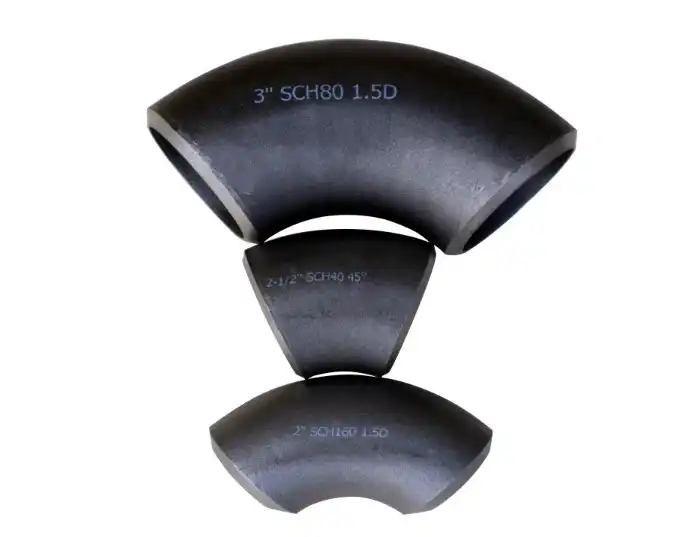
Understanding Custom Carbon Steel Elbows: Definition, Types, and Benefits
What Makes Carbon Steel Elbows Essential in Industrial Piping?
Custom carbon steel elbows are precision-engineered joints that change the flow in pipeline systems while keeping the pressure at the right level and reducing turbulent flow. In fields where pipe networks have to go around equipment, buildings, and changes in elevation, these parts are critical. The main ingredients in carbon steel are iron, carbon, and trace elements. This combination provides a great balance between strength and cost-effectiveness, making it the best choice for high-pressure uses in chemical processing, government water distribution, and oil extraction.
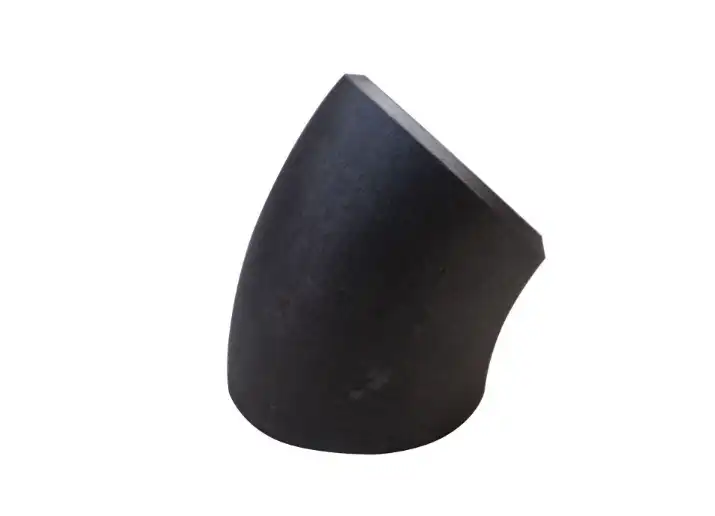
Exploring Different Types and Configurations
The different shapes and sizes of carbon steel elbows make them very useful for a wide range of tasks. Engineers can choose the right part for their projects when they know about these differences.
Radius classifications have different styles, such as long radius and short radius. Long radius elbows have a central radius that is 1.5 times the standard pipe diameter. This lowers friction losses and smooths out flow patterns, making them perfect for situations where keeping the pressure the same is important. Short radius elbows, whose centerline radius is the same as the pipe diameter, can be used in tight areas where fitting room is more important than flow efficiency. Due to limited space, water treatment plants and offshore sites often use short-radius designs.
Angle variations give different pipeline systems the ability to change directions. The 90-degree elbow makes turns that are perpendicular to each other. This is common in vertical ladders and equipment links. The 45-degree curve makes it possible for softer changes in direction, which in high-speed systems lowers pressure drop and corrosion. To make complicated routes possible while keeping the flow properties the same, chemical processing plants often use more than one 45-degree fitting.
Manufacturing methods have a big impact on how well something works. When hot-formed methods are used to make seamless elbows, the gaps are not welded, so they are stronger and more reliable even when temperatures and pressures are very high. These fittings are put through a lot of tests and are only used in important oil and gas exploring situations where failure would have dire results. Welded elbows, which are made from plate or formed pipe pieces, are a cheap way to connect pipes in low-pressure areas like water networks and HVAC systems in buildings.
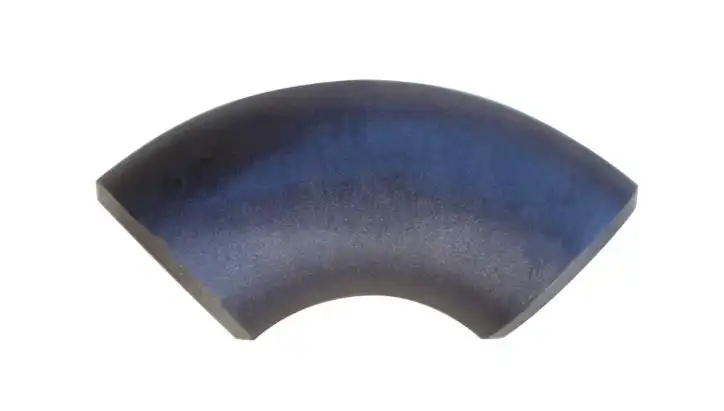
Connection styles determine how to add things and how well the system works. To join pipeline sections with butt-welded elbows, skilled welding is needed to make lasting, leak-proof links that can handle high-pressure situations. Socket-welded versions make installation easier in systems with smaller diameters, and threaded elbows make it simple to put together and take apart parts that need a lot of upkeep.
Together, these design decisions give real practical benefits. Engineers can define accurate dimensional limits, wall thicknesses, and material grades with custom manufacturing, which gets rid of the compromises that come with standard components. Projects that work with abrasive slurries benefit from thicker walls in areas that wear quickly, which greatly increases the service life compared to general options. It is possible to fine-tune pressure levels so that they perfectly match the needs of the system. This way, costs don't go up too much or down too little, and safety isn't compromised. When elbows are made to fit the specs of existing pipelines, they are fully integrated. This cuts down on installation time and the number of possible leak spots.
How Are Custom Carbon Steel Elbows Made? A Step-by-Step Process?
Raw Material Selection and Quality Verification
Getting the right materials is the first step to making exceptional products. Reliable producers get custom carbon steel elbow raw materials that meet the requirements of ASTM A234 and ASME B16.9 standards. These standards set limits on the steel's chemical composition and mechanical qualities. Mill test results linked to raw material certificates show steel's carbon content, tensile strength, and chemical makeup. During project approval and regulatory compliance checks, this paperwork is crucial.
Primary Forming Techniques
It takes a lot of complicated shaping steps to turn raw material into a working elbow. Most seamless elbows are made by hot pressing, which involves heating lengths of steel pipe to about 1000°C and pushing them through dies that slowly bend the material to the right angle and radius. This process keeps the wall thickness even and the purity of the grain structure, which makes fittings that can resist harsh working circumstances. The controlled temperature setting keeps material stress from building up in places that could hurt its long-term dependability.
Precision plate cutting and forming come before welding processes for metal projects. Computer-controlled cutting makes sure that the sizes are correct, and mandrel bending keeps the cross-sections round all the way around the curve. Welding experts trained to international standards join pieces together using methods that suit the type of material and thickness. After welding, you can apply heat to the material again to reduce any remaining pressures and restore any qualities that the heat changed.
Dimensional Customization and Machining
Advanced machining skills are needed to get project-specific measurements. With tolerances measured in fractions of millimeters, CNC equipment makes end preparations for welding, such as beveling angles, land widths, and matching internal diameters. Custom wall thicknesses are based on an engineering study of the working conditions and take into account specific pressure needs or corrosion limits. Following ANSI B1.20.1 guidelines for thread machining for threaded links ensures a leak-free system.
Comprehensive Quality Control Testing
Quality verification is more than just looking at something. Nondestructive testing methods check the quality of goods without breaking them. Ultrasonic testing finds problems below the surface, changes in wall thickness, and laminations that could affect how well something works. An x-ray shows the quality of the weld by finding gaps, partial fusion, or slag inclusions. In hydrostatic pressure testing, each elbow is put under pressures that are higher than their rated values. This makes sure that the structure is solid before it is shipped. Conformance to standard sketches is guaranteed by using calibrated measuring tools to check the dimensions.
These strict guidelines make sure that every custom elbow that leaves the factory meets or beats customer standards. Our ISO 9001:2000-certified quality management system controls every step of the production process at Oudi, from receiving the raw materials to the final inspection. The People's Republic of China gave us a license to make special tools, which shows that the government trusts our technical skills and quality standards.
How to Choose the Right Carbon Steel Elbow for Your Pipeline Project?
Evaluating Critical Project Parameters
Accuracy in specifications affects the success of a job. Operating pressure sets the minimum width of the wall and the grade of the material that must be used. The ASME B31.3 process pipe code gives ways to figure out how pressure, temperature, the amount of stress that a material can take, and its dimensions are related. Extreme temperatures change the materials that can be used for a custom carbon steel elbow. For example, when temperatures are high, the maximum stress that can be applied is lowered. When temperatures are very low, materials must be impact-tested and resistant to brittle failure.
Corrosion prevention methods are affected by the environment. External coatings and cathodic protection systems are needed for buried pipes. Above-ground installations in marine environments benefit from alloy types that don't rust. It is important to make sure that the chemicals inside the pipe are safe for carbon steel. Some acids and chlorides can speed up rusting, which could mean that different materials or protection coatings are needed.
Material Comparison: Carbon Steel Versus Stainless Steel
Cost-performance research helps people make important choices. Carbon steel elbows are more cost-effective in neutral or slightly corrosive settings where oxidation is limited by protective coatings or controlled atmospheres. Thick-walled fittings can handle wellhead pressures of more than 10,000 psi in oil and gas production, where mechanical strength is important. Stainless steel alternatives have chromium oxide layers on the surface that make them naturally resistant to corrosion. This means that coatings are not needed in food preparation, medicinal manufacturing, and marine installations. The higher price of the material—usually three to five times the price of carbon steel—must be supported by a lifecycle study that looks at how much it will cost to maintain, how often it will need to be replaced, and the risk of contamination.
Seamless Versus Welded: Application Guidelines
When choosing a manufacturing method, performance needs and price limits must be balanced. In high-pressure steam systems used in power plants, sour gas pipes carrying hydrogen sulfide, and petrochemical plants handling volatile hydrocarbons, failure would be very bad, so seamless elbows are expensive. Since there are no longitudinal welds, there are no weak spots that could be affected by repeated loads and heat expansion. Welded elbows work well in low-pressure settings like water distribution networks, building services, and air storage tank pipes, where choosing the cheapest option is what matters most.
The choice of radius affects how well the hydraulics work and how easy it is to install. Long radius configurations lower pressure drop by about 30% compared to short radius versions at the same flow rates. This means that over the life of a project, pumping activities will use less energy. When room is limited, like in underwater manifolds, flexible process skids, and retrofit projects in existing facilities, short-radius fittings make it possible to set up pipes in small spaces.
Procurement Guide: Buying Custom Carbon Steel Elbows with Confidence
Identifying Qualified Suppliers
Verification of approval is the first step in evaluating a supplier. ISO 9001 approval shows that quality management systems are in place, and special equipment manufacturing licenses show that pressure tank parts for a custom carbon steel elbow are made in accordance with the rules. Ask for copies of certificates and check their accuracy with the organizations that issued them. Customer references can tell you a lot about how reliable delivery is, how quickly technical help responds, and how well problems are solved. Talk to procurement managers at companies that are similar to yours to get honest feedback about how well your suppliers are doing.
Assessing production potential keeps the supply chain from breaking down. Manufacturers whose annual output is more than 10,000 tons usually keep extra supplies and extra equipment, which lowers the risk of lead times changing. Oudi can handle both big infrastructure projects and smaller custom orders with its annual capacity of 16,000 tons. Its advanced inspection equipment makes sure that quality is uniform no matter the batch size.
Understanding Pricing Dynamics and Lead Times
The cost of carbon steel elbows changes based on the market for raw materials, the difficulty of production, and the number of orders. Standardized sizes in large amounts have the lowest unit costs because of economies of scale in production. Custom specs mean extra costs for engineering, tools, and setup, but these costs are spread out over bigger orders, so the extra cost per piece goes down as the order size goes up. Ask for detailed quotes that break down the prices of materials, assembly, testing, and shipping so that you can easily compare them.
Lead times depend on how customized the product is and how quickly it needs to be made. Most of the time, standard setups ship two to four weeks after they are ordered or when they are made. Orders that are very specific and need special materials, custom measurements, or a lot of tests may take eight to twelve weeks. Planning when to buy things around the plan of the project saves money on expediting fees and delays in building.
Navigating International Trade Documentation
For export deals, you need a lot of paperwork. Material test results confirm that the chemical make-up and mechanical qualities of a substance meet engineering standards and building code requirements. Certificates of conformance prove that the goods made meet the requirements that were given. Commercial paperwork, packing lists, and bills of lading make it easier to clear customs and move freight. Manufacturer's data records that follow the rules in ASME Section VIII may be needed by contract for pressure-retaining parts. These reports should include design calculations, material traceability, and quality control results.
Working with exporters who have a lot of knowledge makes foreign buying easier. Because Oudi handles its own import and export, there are no middlemen to get in the way. Instead, you can talk directly to technical experts who know both the products they sell and the rules for trade. Over 40 countries in Europe, the Americas, Africa, Southeast Asia, and the Middle East are among our customers. This shows that we know how to sell.
Installation and Maintenance Tips to Maximize the Life of Your Custom Carbon Steel Elbows
Proper Installation Techniques
For a job to go well, a custom carbon steel elbow needs to be stored and handled in a way that keeps damage from happening. To keep elbows from deforming, store them on padding supports, cover the protective end caps to keep out dirt and dust, and change your inventory so that the first items that come in are used first. Before installing fittings, check their measurements, look for damage from shipping, and make sure that the markings on the materials match the specs.
Welding methods that are approved by the appropriate rules protect the integrity of the joint. The type of material, its thickness, and the temperature of the environment all affect how much preheating is needed. For example, ASTM A234 WPB valves usually need preheating when the base metal temperature drops below 50°F or the wall thickness goes over certain limits. Keep the temperatures between passes within the allowed ranges, and use post-weld heat treatment as needed. Welders who are qualified and follow the right steps reduce the chances of defects that shorten the service life of a piece.
Accurate alignment keeps stress from building up at junctions. To get smooth inside surfaces and parts that fit together well, use alignment clamps or internal line-up tools. Too much misalignment causes bending forces when the system is under pressure and when it heats up, which could lead to early wear failures. Before mounting, measure the gap size and angle alignment, and make any necessary changes before finishing the welds.
Maintenance Strategies for Extended Service Life
Regular testing programs find wear and tear before they cause problems. External corrosion, coating degradation, mechanical damage, and support problems can all be seen during a visual check. In places that are likely to rust, ultrasonic thickness studies measure how thick the walls are still and look at how they change over time to figure out when they need to be replaced. Radiographic or ultrasonic crack identification looks at places with a lot of stress. For example, the inside areas of knees are under a lot of stress from bending and pressure.
Corrosion protection makes fittings last longer. Touch up paint-damaged areas with compatible coating systems that were mentioned during the initial building to keep the protective covering's integrity. Check the structure-to-electrolyte potentials of underground pipes to make sure they meet protective standards, and make sure the cathodic protection system is working properly. You can stop internal rust by using chemical cleaning programs, injecting corrosion inhibitors, or installing internal linings during turnarounds.
Degradation rates are affected by how operations are run. Avoid high speeds that can cause flow-induced erosion as much as possible, especially in slurry services where solids in the fluid accelerate metal loss. When you can, try to limit the frequency and size of thermal cycles. Over time, damage builds up as a result of repeated expansion and contraction. Write down the pressures, temperatures, and flow rates that were present during operation so that you can check if they match the original design values for service intensity.
Conclusion
When choosing and using a custom carbon steel elbow, you have to balance technical needs with cost concerns and the supplier's abilities. When properly defined, made to exacting standards, and kept throughout their working lifetimes, these important piping parts will give you decades of reliable service. Knowing the different kinds of elbows, how they are made, and how to choose the right one helps engineers and buying workers make smart choices that improve the results of projects. Working with well-known makers who have tested quality systems, modern production tools, and experience supplying products all over the world lowers the risks of procurement and guarantees access to technical knowledge. Infrastructure investments are protected by using the right construction methods and proactive upkeep programs, which stop expensive unplanned outages and safety incidents. This article describes a complete method that can be used to build good pipelines in a wide range of industry settings.
FAQ
What differentiates carbon steel from stainless steel elbows in practical applications?
Carbon steel elbows are very strong and easy to weld because they only have a few alloying elements besides iron and carbon. They work well in places where coatings, controlled environments, or accepted corrosion rates keep the metal from rusting. Stainless steel elbows have chromium in them, which forms passive oxide layers that don't rust without any coats. These are ideal for systems that handle food, chemicals that rust, and high-purity tasks that need to avoid contamination.
How do I determine the correct size and pressure rating for my pipeline?
For example, a 6-inch pipeline needs 6-inch elbows because that's the standard width of the linked pipeline. To choose a pressure grade, you have to figure out the highest working pressure, use safety factors based on codes like ASME B31.3, and pick wall thickness schedules or pressure classes that meet your needs. Temperature derating factors lower the pressures that can be used at high temperatures, which needs to be analyzed by engineers and written down in the design calculations.
What are typical lead times and minimum order quantities?
Standard versions usually ship three weeks after they are in stock or production has started. Custom specs that need unique measurements, materials, or testing that isn't standard can take up to ten weeks, based on how hard they are to make. Minimum order numbers depend on the maker and the complexity of the product. For example, standard sizes may not have minimums, but highly customized elbows may need minimum quantities to cover the costs of setting up production. Talking to suppliers early on in the planning process about what is needed sets realistic buying plans.
Ready to Source Custom Carbon Steel Elbows? Contact Oudi today.
Oudi can help you with even the hardest jobs because he has been making pipe fittings for more than twenty years. Our quality management system is ISO 9001:2000 approved, and we have a license to make special equipment. This makes sure that every handmade carbon steel elbow we make meets strict international standards. With the ability to produce 16,000 tons per year and high-tech inspection tools, we can guarantee consistent quality whether you're buying for a large infrastructure project or a specific industry use. Our engineering team works with you to figure out the best connections, material grades, sizes, pressure ratings, and connection types that meet all of your specific needs. We understand the paperwork, certification, and logistics needs of foreign projects because we are a trusted carbon steel elbow provider to more than 300 customers in 40 countries. You can talk to our technology experts about your pipeline needs and get specific quotes by emailing oudi-04@oudiguandao.com. Let Oudi's proven manufacturing skills and knowledge of global supply help your project succeed.
References
1. American Society of Mechanical Engineers. (2020). ASME B16.9: Factory-Made Wrought Buttwelding Fittings. New York: ASME Press.
2. ASTM International. (2019). ASTM A234/A234M: Standard Specification for Piping Fittings of Wrought Carbon Steel and Alloy Steel for Moderate and High Temperature Service. West Conshohocken: ASTM International.
3. Nayyar, M. L. (2016). Piping Handbook (8th ed.). New York: McGraw-Hill Education.
4. American Society of Mechanical Engineers. (2018). ASME B31.3: Process Piping. New York: ASME Press.
5. Ellenberger, J. P., & Chuse, R. (2004). Pressure Vessels: The ASME Code Simplified (8th ed.). New York: McGraw-Hill Professional.
6. Becht, C., & Sims, J. R. (2005). "Fatigue of Pressurized Piping Components at Elevated Temperatures." Journal of Pressure Vessel Technology, 127(3), 234-241.

Need help finding the right solution with our experts. Please contact us.

SINCE 1998 Your Reliable Pipeline Manufacturer



