Coated Carbon Steel Elbows – Are They Worth It?
Corrosion-resistant carbon steel elbows are often a good middle-ground choice when looking at pipeline parts for industry projects. These parts are made of strong, cheap carbon steel and have coatings that protect them and extend their life in corrosive conditions. Even though it costs more up front than options that aren't coated, the lower number of maintenance rounds and replacements often makes the investment worth it. Coated elbows provide measurable operating benefits that lead to long-term cost savings and improved system integrity in fields like oil and gas, chemical processing, and water treatment, where downtime costs a lot of money.
Understanding Coated Carbon Steel Elbows
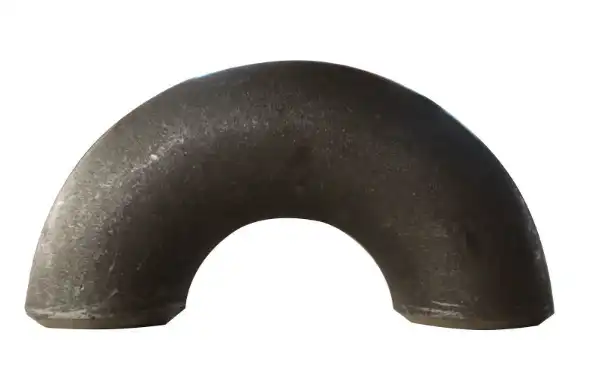
Corrosion-resistant carbon steel elbows are important parts of pipe systems because they can change the flow direction at different angles while keeping the structure strong under pressure. These butt-welding fittings are used in fields like city water distribution and refining gasoline, where fluids or gases have to go through complicated routes without slowing down the flow.
What Makes Carbon Steel Elbows Vulnerable?
Because carbon steel is mostly iron with a controlled amount of carbon, these parts can rust when they contact water, chemicals, or salty surroundings. Without protection, rust builds up faster, making pipe walls thinner and causing places where leaks could happen, which could put operations at risk. This weakness is especially strong in places like chemical plants, remote platforms, and sites near the coast where rough weather lasts all year.
Popular Coating Types and Their Functions
Several covering methods have been shown to make carbon steel elbows last longer. Epoxy coatings make thick barriers that are resistant to chemicals, which makes them perfect for use in chemical processes. Fusion-bonded epoxy (FBE) is better at sticking to surfaces and resisting impact, and it meets ASTM A153 guidelines for harsh settings. When parts are hot-dip galvanised, they are submerged in liquid zinc. This makes a protective layer that corrodes more quickly than the base metal. We use high-quality industrial black paint or special anti-rust oil at Oudi for most jobs. When customers ask for highly corrosive environments, such as sea shipping or acidic process streams, we suggest hot-dip galvanising according to ASTM A153 or custom epoxy systems made for those environments.
Material Properties Enhanced by Coatings
Quality finishes not only protect against rust, but they also make things more resistant to wear and temperature changes. Epoxy mixtures stay strong at temperatures ranging from -40°C to 120°C. Specialised high-temperature coats make this range even wider for use in steam systems and heat processing. Because the covering is flexible, it can handle cycles of heat expansion and contraction without cracking. This keeps the protective barrier in place even when temperatures change with the seasons. These qualities are especially useful in places that make electricity and heat networks for cities where temperatures change every day.
How Do Coated Carbon Steel Elbows Work to Prevent Corrosion?
When buying, experts understand how the security works; they can choose the right coating systems for the job. Electrochemical processes take place in carbon steel that cause iron atoms to rust when water and oxygen are present. Protective coats stop this process by making a barrier that can't be broken through. This keeps acidic agents from getting to the steel base.
Comparative Analysis of Coating Systems
Depending on the work setting, different coating methods have different benefits. Chemically, epoxy coats are very good at protecting against acids, alkalis, and solvents that are common in process industries. The cross-linked polymer structure stops absorption, so it works even after being exposed to harsh chemicals for a long time.
Galvanised coats protect in two ways: they act as a shield and a sacrifice. The zinc layer keeps steel from coming into direct contact with corrosive substances. When the coating is broken, the zinc layer corrodes more slowly, guarding the steel below through galvanic action. Because it can heal itself, galvanising is a great choice for outdoor structures and water line uses.
Coatings made of polyurethane are very good at protecting against rust and wear, which makes them perfect for moving slurry and other fluids that contain particles. Polyurethane is more flexible than hard coating systems, so it can handle impact and mechanical stress better. This makes it less likely that the coating will get damaged during installation and use.
Testing Standards That Ensure Quality
For coatings to work reliably, they must be put through strict testing procedures that mimic decades of use in a short amount of time. As per ASTM B117, coated samples are put through constant salt fog tests. The time-to-failure is measured, and results are compared to industry standards. Electrochemical impedance spectroscopy checks the features of layer barriers by measuring electrical resistance. This can find tiny flaws that can't be seen with the naked eye. Adhesion testing makes sure that the coating sticks well to the base, so it doesn't come off when heated or hit by something solid. We make sure the quality of everything at our plant, from inspecting the raw materials to checking the finished product. Our ISO 9001:2000 certification and special equipment manufacturing licenses show that we are committed to consistent quality.
Comparing Coated Carbon Steel Elbows With Alternatives
When choosing a material, you have to balance performance needs with fitting issues and price limits. Each option has its own pros and cons that affect how well it works in certain situations.
Stainless Steel: Premium Performance at Higher Cost
Because they contain chromium, which makes a passive oxide layer, stainless steel elbows are better at resisting rust. These fittings don't need any upkeep linked to coating, but they usually cost 300–500% more than coated carbon steel versions. The difference in prices is especially noticeable in large-diameter pipe systems, where the amount of materials used determines the total cost of the job. Stainless steel is most cost-effective in harshly acidic environments where coating systems need to be replaced often or in sanitary settings where the smooth surface and ease of cleaning make the extra cost worth it.
Galvanised Steel: Entry-Level Protection
Pre-galvanised steel valves offer basic protection from corrosion that works well in mild settings. Even though they are less expensive than epoxy-coated options, the thinner zinc layer doesn't give much protection in harsh conditions. This means that they are best used for HVAC systems, rainwater drainage, and other low-corrosion tasks. The layer is usually 50–80 microns thick, while industrial epoxy systems are 200–400 microns thick. This means that they won't last as long in harsh settings.
Certification Standards That Guide Selection
International standards give us a way to objectively judge the resistance to rust and the dynamic qualities of materials. ASTM standards spell out the chemical makeup, size limitations, and testing needs for carbon steel parts. ISO 9001 approval shows that companies handle quality in a planned way, and EN standards meet the needs of the European market. When buying from suppliers around the world, making sure they follow the right standards lowers the risk of poor quality and makes sure the products work with the project requirements. Our factory follows American, Japanese, German, and British standards, which makes it easy to work on foreign projects, no matter where they are located or what the building requirements are.
Procurement Considerations for Coated Carbon Steel Elbows
Unit pricing is only one part of successful buying. Reliability of suppliers, quality checks, and logistics planning are also important. To reduce danger and get the best total cost of ownership, industrial buyers need to look at a lot of different factors.
Supplier Certification and Reputation
Working with manufacturers who have recorded quality systems makes it less likely that you will get goods that aren't up to par. Getting ISO 9001 approval shows that you are dedicated to controlling processes and making them better all the time. Special equipment manufacturing licenses show that you have been permitted by the government to make pressure-retaining parts. Besides credentials, a supplier's track record shows how reliable they are and how good their customer service is. Companies that serve a wide range of foreign markets usually keep higher standards to meet the needs of different regulators. Since 1998, our facility has served more than 300 customers in more than 40 countries. As a result, we have become experts at meeting the needs of clients looking for globally compliant solutions by handling the complex web of different standards and licensing requirements.
Pricing Dynamics and Lead Times
The price per unit of treated Corrosion-resistant carbon steel elbows changes based on the size, type of treatment, and number of elbows ordered. Standard sizes in common materials can be shipped from stock with short wait times, but custom specs need to be manufactured, which adds 4 to 8 weeks to the delivery time. There are big savings for buying in bulk when you buy more than 100 pieces, and the way prices are set up encourages you to do this. When making purchases, balancing the number of orders with the cost of keeping goods in stock is the best way to maximise cash flow while keeping output going.
Export Logistics and Minimum Orders
When you ship something internationally, you have to deal with more paperwork for customs, combine your freight, and negotiate different payment terms. For exports, the minimum order quantity is usually between 500 kg and 1000 kg. This is because of the costs of freight and optimising containers. Knowing Incoterms makes it clear who is responsible for insurance, freight costs, and customs clearing, which keeps you from having to pay extra money than you planned. Experienced importers make these steps easier by helping with paperwork and coordinating freight, which makes buying things from other countries easier. Our transportation team handles export processes for Europe, the Americas, Africa, Southeast Asia, and the Middle East. This makes sure that your supplies get to your project site without any problems, no matter where they are.
Are Coated Carbon Steel Elbows Worth the Investment?
To figure out return on investment, you have to compare total lifetime costs, not just purchase prices. Coated elbows cost 20–40% more than bare carbon steel at first, but they usually pay for themselves within 3–5 years thanks to their longer service life and lower upkeep needs.
Operational Cost Reductions
Coating systems that stop corrosion get rid of the need for unexpected shutdowns to repair parts. Downtime costs in process industries can be anywhere from $10,000 to $250,000 per hour, based on the size of the facility and the value of the product. To avoid even one unexpected loss, it is worth spending a lot of money on corrosion protection. As inspections happen more often and fixes happen less often, maintenance work costs also go down. These savings add up over the decades that a facility is used. Systems that are properly coated often last 300–500% longer than options that aren't protected.
Real-World Performance Examples
Offshore platforms that use treated Corrosion-resistant carbon steel elbows in seawater service usually go 15 to 20 years without replacing a part, while alternatives that aren't protected well only last 5 to 7 years. Chemical plants that work with acidic streams report the same improvements in life when they use the right adhesive systems. The level of security varies a lot with how well the coating is applied and which formulations are chosen to match specific corrosive agents. This shows how important it is for the seller to have scientific knowledge.
Limitations and Complementary Strategies
Extreme conditions that can make coating systems less effective include temperatures above 150°C, slurries that are very rough, or places where chemical and mechanical pressures are mixed. In these situations, switching to stainless or alloy steel might save you money in the long run. Cathodic protection systems can be used in addition to coatings in buried or submerged sites to provide extra security in case the coatings get damaged. Defence-in-depth, which combines multiple security methods, makes assets last longer in the toughest environments.
Emerging Coating Technologies
Nanotechnology-enhanced coatings show better protective qualities by adding molecular-scale support. These new formulations look like they could help protect things longer in situations where regular coats are getting close to their limits. Bio-based epoxy solutions are better for the environment and still have the same level of corrosion protection as options made from petroleum. As rules about the environment get stricter and plans to reduce carbon emissions affect the choice of materials, these new developments make covered carbon steel elbows more competitive with options that were once thought to be better.
Conclusion
When chosen correctly and bought from reputable makers, coated carbon steel elbows offer measured value. The fact that these parts are strong, don't rust, and don't cost a lot of money makes them good for many industrial uses where operating reliability supports a small investment premium over basic materials. For success, it's important to match coating systems to the conditions of the surroundings, check the quality records of suppliers, and use buying methods that balance lowering costs with making sure they do a good job. Coated carbon steel fittings are still used in the oil and gas, chemical processing, power production, and water infrastructure industries because they are reliable and cost-effective ways to fix pipe systems that rust.
FAQ
How long do coatings on carbon steel elbows typically last?
Service life depends on the type of covering and how harsh the climate is. In normal industrial settings, epoxy solutions protect things for 10 to 15 years, while hot-dip galvanising protects things for 20 to 30 years when exposed to air. Immersion in corrosive media shortens these times, so choosing the right covering is very important for getting the desired life.
What temperature ranges can coated elbows withstand?
Standard epoxy resins work from -40°C to 120°C, which is a wide range of temperatures that are common in industrial processes. For steam systems, high-temperature formulas take this range up to 200°C. To keep coats from breaking, temperature cycling and thermal shock need special coatings that are more flexible.
Which certifications should I verify when purchasing?
Systematic quality management is confirmed by ISO 9001, and material test results make sure that the chemical make-up and mechanical features meet ANSI, DIN, JIS, or BS standards, as needed. Special equipment manufacturing permits show that a company has been approved by the government to make pressure components. This gives customers even more confidence in the company's manufacturing skills and quality control.
Partner With a Trusted Corrosion-Resistant Carbon Steel Elbow Manufacturer
Since 1998, Oudi has been making precision pipe fittings for clients in the oil, chemical, power generation, and building industries. Their goods meet world standards. Our yearly production capacity of 16,000 tons makes sure that projects of any size can get what they need. Our quality management systems are backed up by ISO 9001:2000 approval and special equipment licenses. If you need industrial black lacquer, anti-rust oil, hot-dip galvanising according to ASTM A153, or special epoxy formulas for your application, our engineering team can help you find the right coating system for your needs. Contact our experts at oudi-04@oudiguandao.com to talk about your Corrosion-resistant carbon steel elbow requirements and get reasonable quotes. We have decades of experience exporting to over 40 countries around the world.
References
1. Davis, J.R. (2006). Corrosion of Weldments. Materials Park: ASM International.
2. Schweitzer, P.A. (2010). Fundamentals of Corrosion: Mechanisms, Causes, and Preventive Methods. Boca Raton: CRC Press.
3. ASTM International. (2019). ASTM A234/A234M-19: Standard Specification for Piping Fittings of Wrought Carbon Steel and Alloy Steel for Moderate and High Temperature Service. West Conshohocken: ASTM International.
4. Revie, R.W. & Uhlig, H.H. (2008). Corrosion and Corrosion Control: An Introduction to Corrosion Science and Engineering, Fourth Edition. Hoboken: John Wiley & Sons.
5. European Committee for Standardisation. (2013). EN 10253-2: Butt-welding pipe fittings – Part 2: Non-alloy and ferritic alloy steels with specific inspection requirements. Brussels: CEN.
6. Munger, C.G. & Vincent, L.D. (1999). Corrosion Prevention by Protective Coatings, Second Edition. Houston: NACE International.

Need help finding the right solution with our experts. Please contact us.

SINCE 1998 Your Reliable Pipeline Manufacturer



