High Temperature Pipe Tee Price & Supplier Comparison 2026
In 2026, to get around in the High Temperature Pipe Tee market, you need to know both the detailed specs and what the suppliers can do. A High Temperature Pipe Tee is a special T-shaped fitting that is made to work in very hot temperatures (from 400°C to over 1100°C) and keep its shape under high pressure. In contrast to regular fits, these parts solve important problems like creep deformation, thermal fatigue, and fast oxidation by using advanced metal formulas and careful manufacturing. When buying from suppliers in the petrochemical, power generation, and industrial sectors, professionals must look at the material approvals, production capacity, and track records of regularly providing quality parts that meet ASME and ASTM standards.
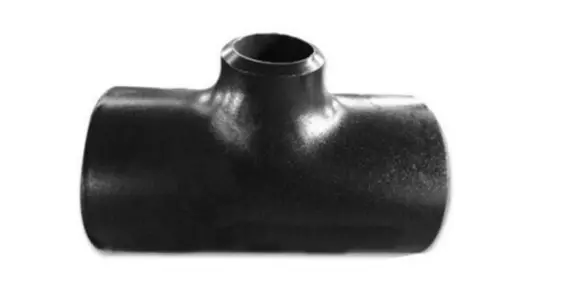
Understanding High Temperature Pipe Tees: Specifications and Materials
Defining High-Temperature Capability Through Metallurgy
A High Temperature Pipe Tee's qualities are mainly determined by the metals it is made of and how well it meets strict engineering standards. Chrome-molybdenum alloys like ASTM A234 WP91 and WP22 have a high creep-rupture strength, and high-grade stainless steels like 310S and 347H are very resistant to rust. Nickel-based metals, like Inconel 625, are better at resisting rust when the temperature goes above 850°C. Even at very high temperatures, these materials keep their high yield strength-to-weight ratios. This creates safety gaps that keep things from breaking suddenly during the thermal cycle.
Critical Technical Parameters for Industrial Applications
Compliance with specifications is based on temperature and pressure values. Fittings need to be within the size limits set out in ASME B16.9. Pay special attention to the wall thickness where branches meet, as this is where stress builds up. Service life is directly related to how well the material resists scaling, which is high-temperature oxidation that makes pipe walls thinner over time. Chromium-rich metals create protected oxide layers that slow down this degradation process a lot, allowing them to be used for longer periods of time before they need to be replaced.
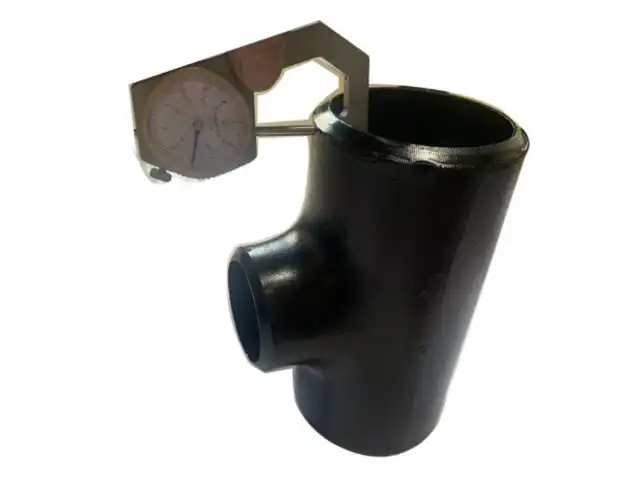
Flow Dynamics and Thermal Expansion Considerations
In systems with high temperatures, branch links have complicated flow patterns that cause turbulence and changes in pressure in certain areas. When tees are built correctly, they can handle thermal growth without putting too much stress on the pipes next to them. Engineers can choose fittings with the right amount of reinforcement at the crotch area, which is where mechanical loads and thermal pressures cause the toughest service conditions in the whole pipe system.
Comparing High Temperature Pipe Tees: Types, Materials, and Performance
Material Strength Differences That Matter
When you compare carbon steel to stainless steel for a High Temperature Pipe Tee, you can see some important trade-offs. Stainless steel types don't rust in steam or oxidising environments, which makes them perfect for chemical processes where the fluid makeup changes. When used within their temperature ranges, which are usually up to 425°C for standard grades, carbon steel choices are cheaper. This is where alloy steels come in. They can handle higher temperatures and cost a little more than a full stainless steel building.
Performance Under Extreme Conditions
Forged tees have better grain structure than seamless ones. This is especially useful in high-pressure heads where the mechanical stability can't be compromised. Forging smooths out the substructure of the material, getting rid of any weak spots that could cause cracks when the material is loaded and unloaded over and over again. For moderately high-temperature branch connections where pressure ratings stay within normal ranges, seamless tees work well. They also offer faster production times for uses that don't need as much strength.
Long-Term Durability and Maintenance Requirements
To figure out the total cost of ownership, you have to look at how often you repair things and how often you do upkeep. Premium metals don't change shape permanently when they are under constant high-temperature stress, which means they last years longer than standard materials. Because they last longer, there is less downtime for replacements and fewer emergency fixes, both of which have a big effect on operational costs over the life of a building. Instead of just looking at the original buy prices, procurement teams should figure out these lifecycle costs.
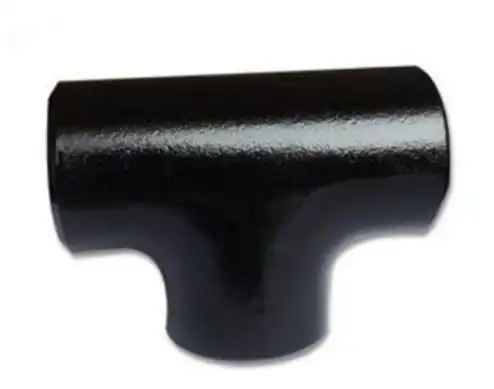
Price Factors and Supplier Landscape for High Temperature Pipe Tees in 2026
Material Costs and Manufacturing Complexity
Base material prices change with the prices of other commodities on the world market, but they are only one part of the end price. It's a lot harder to make things out of high-alloy compositions because they need controlled atmospheres for welding and exact heat treatment processes. Even though it takes longer and uses more energy, Post-Weld Heat Treatment (PWHT) is still needed for Chrome-Moly tees to get the right mechanical qualities and stop stress corrosion cracks.
Certification and Testing Investment
Protocols for quality control for High Temperature Pipe Tee have a big effect on how prices are set. Positive Material Identification with XRF or OES research makes sure that the chemistry of the metal meets the requirements. Radiographic or ultrasonic non-destructive testing can find problems inside a structure that can't be seen with the naked eye. Testing for hardness makes sure that the right amount of heat has been applied. This is especially important for P91 and P92 grades, where the wrong amount of heat can weaken the material over time. These steps of proof cost more, but they are necessary for safety-critical uses to have confidence.
Supplier Capabilities Across Global Markets
Since 1998, Oudi has put money into high-tech production tools and strict quality control systems, making us a reliable producer for tough jobs. With a capacity of 16,000 tonnes per year, we serve more than 300 users in more than 40 countries. The U.S., Europe, and the Middle East are some of our strongest areas. We keep our ISO 9001:2000 certification and licenses to make special equipment, which shows that we are committed to quality. Procurement teams can check this by looking at paperwork and third-party reports.
There are producers in Asia, Europe, and North America in the competitive scene, and each has its own strengths. Asian providers can often offer lower prices because of economies of scale and cheaper labour, and they can keep quality high because they use modern production facilities. European makers put a lot of emphasis on precise engineering and thorough documentation, which is helpful for projects that need to be able to connect everything back to the source. North American sources are closer to domestic projects, which makes operations easier and cuts down on shipping times.
Understanding Bulk Pricing Structures
Volume prices usually start at around 100 pieces, and the savings get bigger when you reach 500 pieces. Customisation requests for non-standard sizes or metal mixes may cancel out the benefits of volume discounts, necessitating thorough quotes that take into account changes to the tools and longer production schedules. Delivery times vary from four to twelve weeks, based on the supply of materials and the need for testing. This is why it is important to involve suppliers early on in the planning process.
How to Choose the Right High Temperature Pipe Tee for Your Application
Matching Materials to Operating Conditions
The choice of material for High Temperature Pipe Tee is based on how well it works with temperature, pressure, and fluids. High-chromium stainless steels or nickel alloys that don't carburise at high temperatures are good for petrochemical uses that use fuels that are toxic. Power plants that use very hot steam need materials that have been shown not to spread at the specific temperatures and pressures that will be present in the building. Talking to providers about the unique needs of an application can help you find the best material grades in terms of both performance and cost.
Evaluating Supplier Qualifications and Track Record
Certification paperwork is the first step in the verification process. ISO 9001 quality management systems and related production licenses provide a basic guarantee. Asking for mill test results for past orders shows that testing methods and material features are consistent. References from related industries can help you figure out how quick a seller is, how reliable their deliveries are, and how good their technical support is. Even though they cost money, site trips to manufacturing plants are a great way to learn about how things are made and how quality is valued.
Procurement Strategy for International Sourcing
For multinational projects to work, their sellers need to have exported goods before and know how to follow international rules. At Oudi, we make it easy to buy things across borders with our self-management import-export authorisation and established transportation networks in Europe, the Americas, Africa, and Asia. We offer paperwork packages that meet the needs of the target country. This cuts down on customs delays and compliance risks that can throw off project schedules. Our technical team works with your engineers to make sure that the standards are in line with the project's needs and local building rules.
Testing samples before placing big orders lowers the risk and lets you check the mechanical features, accuracy of measurements, and quality of the surface finish. By asking for witness points during production, you can make sure that important manufacturing steps are being done correctly. This is especially helpful for large orders or when working with a new source for the first time.
Conclusion
In 2026, choosing High Temperature Pipe Tee providers means carefully looking at their professional skills, quality systems, and business terms. What kind of materials are used affects how well they work, how long they last, and how reliable and risky a provider is. Lifecycle costs, not just the original buy amount, should be taken into account when setting prices. The best partnership combines proven production skills with quick technical help and open communication throughout the whole buying process. This creates value that goes beyond single transactions and into long-term supply relationships.
FAQ
What temperature limits apply to different alloy grades?
ASTM A234 WP91 can be used continuously up to 600°C, but its creep strength quickly decreases above that temperature. In oxidising settings, Grade 310S stainless steel can handle temperatures up to about 1050°C, and Inconel 625 can handle temperatures above 980°C and has great protection against both oxidation and corrosion in harsh chemical environments.
Why does Post-Weld Heat Treatment have to be done on some materials?
PWHT reduces the stresses that were put on the material during welding and fixes the qualities that were changed by the heat cycles of welding. Chrome-Moly alloys need this process more than others to stop brittle fracture and stress corrosion cracking. This makes sure that the welded joint has the same mechanical qualities as the base material for as long as it is used.
How does the correctness of the dimensions affect how well the method works?
Precise wall thickness at branch crossings stops stress buildup that speeds up failure. Dimensional uniformity makes sure that everything fits together correctly during installation, which lowers the risk of welding problems and the introduction of defects. Following the ASME B16.9 tolerances ensures that all the normal pipe parts will work with the system.
Partner with Oudi for Reliable High Temperature Pipe Tee Supply
Oudi has been making carbon steel, stainless steel, and alloy steel pipe parts that meet the exact needs of high-temperature industrial uses for more than 26 years. Our factory in Cangzhou uses high-tech tools for production and strict quality control measures at every step, from checking the raw materials to checking the finished product. This makes sure that every High Temperature Pipe Tee meets or beats international standards like ANSI, JIS, DIN, and BS. We are a reliable source for High Temperature Pipe Tee for projects in the oil, chemical, natural gas, power production, and water conservation industries around the world. Our technical team can be reached at oudi-04@oudiguandao.com for help with special applications, thorough quotes, and our 2026 price list. Let us show you how our quality systems, output capacity, and service method, which focus on the customer, can make your supply chain stronger and lower the risk of buying things for your important projects.
References
1. American Society of Mechanical Engineers. (2023). ASME B16.9: Factory-Made Wrought Buttwelding Fittings. New York: ASME Press.
2. ASTM International. (2024). ASTM A234/A234M: Standard Specification for Piping Fittings of Wrought Carbon Steel and Alloy Steel for Moderate and High Temperature Service. West Conshohocken: ASTM International.
3. Boyer, H.E. & Gall, T.L. (2022). Metals Handbook: Properties and Selection of High-Temperature Alloys for Industrial Applications. Materials Park: ASM International.
4. Viswanathan, R. (2021). Damage Mechanisms and Life Assessment of High-Temperature Components in Power Plants. Metals Park: ASM International.
5. Specification for Pipeline Transportation Systems for Liquid Hydrocarbons and Other Liquids. (2023). API Standard 5L, Forty-Sixth Edition. Washington: American Petroleum Institute.
6. International Organisation for Standardisation. (2023). ISO 9001:2015 Quality Management Systems—Requirements for Manufacturing Industries. Geneva: ISO Publications.

Need help finding the right solution with our experts. Please contact us.

SINCE 1998 Your Reliable Pipeline Manufacturer



