Budget-Friendly Pipe Elbows for Large Projects
When they are responsible for big industrial pipe projects, procurement workers know how important it is to choose parts that work reliably without going over budget. For large-scale systems in the oil and gas industry, chemical processing, natural gas transport, and water conservation, cost-effective carbon steel elbows are the best option. These important fittings make it possible to change the way pipe systems work and are strong and long-lasting enough for harsh industrial settings. Project managers can get high-quality elbows that meet foreign standards and save a lot of money on big orders if they choose the right suppliers and work with them.
Understanding Carbon Steel Elbows for Large-Scale Projects
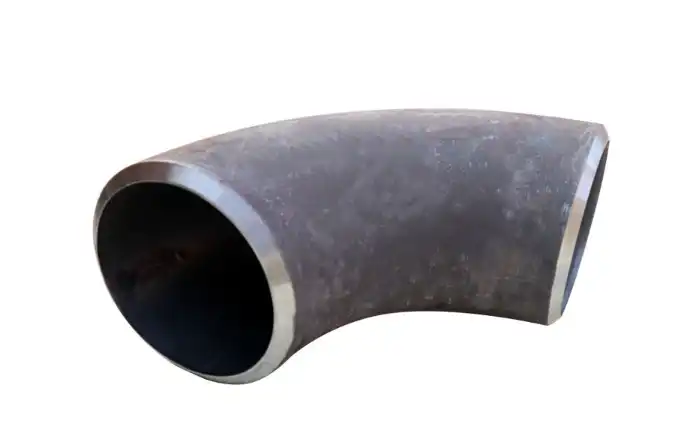
Cost-effective carbon steel elbows are important parts of industrial pipe networks because they make it simple to change directions while keeping the flow efficient and the purity of the system. There are different shapes and sizes of these parts, and each one is made to meet specific operating needs.
Types and Configurations
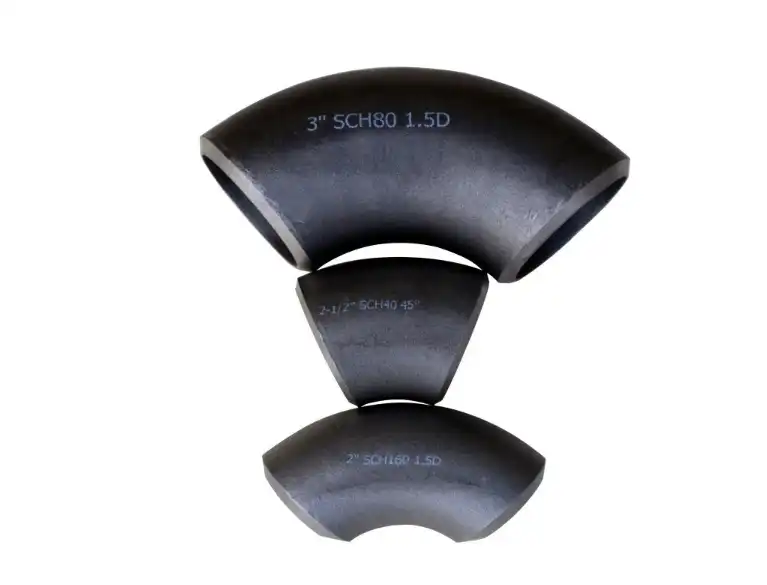
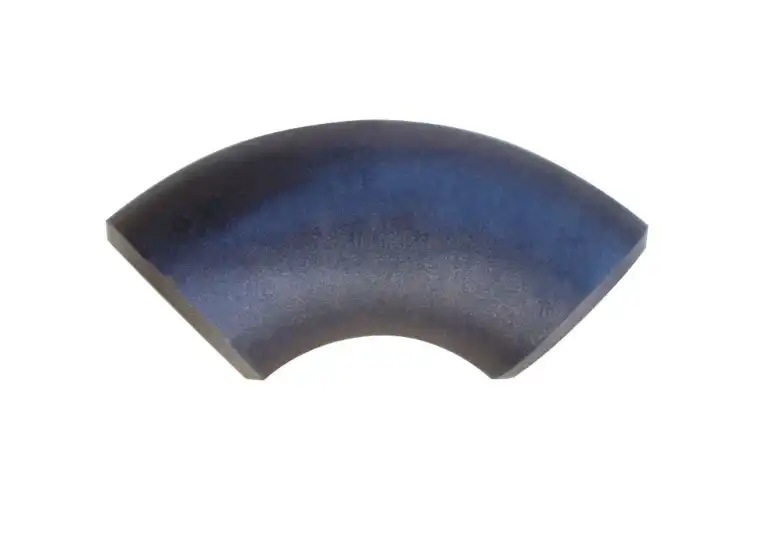
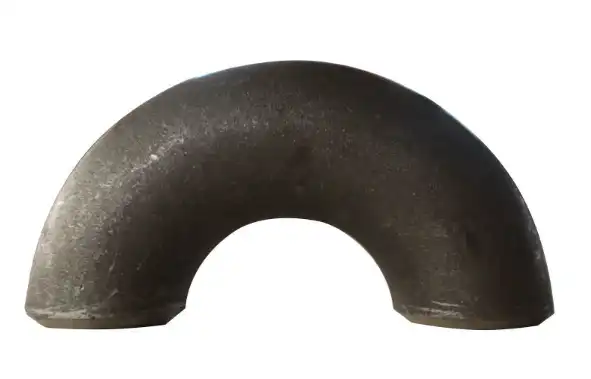
Butt welding elbows and socket welding elbows are the two main ways that the pipe business makes things. Different types of butt welding connect to pipes by welding, creating parts that are smooth and can handle high pressure well. Socket-welding elbows offer different ways to connect pipes, especially those with smaller diameters or in certain fitting situations. At our factory, we make both seamless and straight-seam industrial elbows. Because the grains are all running through in the same direction, seamless elbows are better at withstanding pressure. Straight-seam welding elbows are popular for water treatment plants and lower-pressure chemical processing lines because they are cheaper and work well in situations with mild pressure.
Technical Specifications and Standards
The choice of material has a big impact on how well and how long an elbow lasts. Some common grades are A234 WPB for general-use uses, A420 WPL6 for low-temperature uses, and A105 for forged shapes that need better dynamic qualities. These products are certified by ASTM, ASME, and API, which means they are compatible with project requirements from around the world. There are different types of pressure ratings, from the normal Schedule 40 and Schedule 80 to high-pressure versions that can work in harsh situations in oil and gas extraction facilities. Dimension guidelines are based on ANSI B16.9, JIS B2311, DIN 2605, and BS 1640, which give buying teams reference points that are accepted around the world.
Advantages in Industrial Applications
When compared to stainless steel or metal elbows, carbon steel ones are by far the best value. The material has a strong tensile strength, usually more than 60,000 PSI, which keeps the structure strong even when it's under heavy operating loads. Even though it's not as resistant to corrosion as stainless steel, it's sufficiently good for most industrial settings, especially when the right finishing methods are used. When working on big projects, the difference in price gets pretty big. As an example, carbon steel elbows typically cost 40–60% less than their stainless steel counterparts. This means that when you buy hundreds or thousands of them for big setups, you save a lot of money.
How to Select Budget-Friendly Carbon Steel Elbows Without Compromising Quality?
Strategic buying means looking at many different things in a planned way to find elbows that are both affordable and reliable in terms of performance. We suggest using an organized screening method that puts important selection factors at the top of the list.
Material Grade Selection Framework
Based on the conditions of use, different projects need materials with certain properties. As long as the temperature doesn't go above 650°F (-20°C), the A234 WPB grade works well in general petroleum and natural gas uses. The A420 WPL6 material is excellent for projects that need to work in cold settings because it stays flexible at temperatures as low as -50°F. Forged A105 elbows are often used in power plants for high-pressure steam uses because they have better mechanical qualities and can handle more pressure. Knowing these differences helps buying managers choose the right grades without spending too much on extra features that they don't need.
Manufacturing Method Considerations
Hot or cold forming methods are used to make seamless elbows, which get rid of the need to weld joints and give the whole part a uniform grain structure. This way of making things gives seamless elbows the best strength and pressure ratings, which makes them perfect for important uses in chemical processes and high-pressure natural gas transfer. Soldered elbows are made from pipe pieces that have been formed and soldered. They are cheaper (15–25%) than seamless versions and work well enough for many commercial uses. When you join, you make a lengthwise seam that becomes the weakest part of the structure. However, good quality control makes sure that these parts meet industry standards. To find the best way to make something, procurement choices should look at the budget, the level of safety that is needed, and the pressure standards.
Supplier Certification and Direct Sourcing
You can be sure that the quality of your products will stay high if you work with qualified makers who have ISO 9001:2000 quality management systems and special equipment manufacturing licenses. Direct factory shopping cuts out markups on the middlemen that can raise the cost of parts by 20 to 30 percent. This is especially helpful when buying in bulk. Suppliers who have exported to North American markets before know what paperwork, tests, and certifications U.S. projects need. This makes the buying process easier and lowers the risk of not following the rules.
Installation and Maintenance Tips for Long-Term Value
Carbon steel bends in industrial pipe systems have a direct effect on how long they last and how well they work when they are installed and maintained. Throughout the project lifecycle, knowing how to deal with common problems and following best practices guarantees the best performance.
Installation Best Practices
Getting the pipe pieces and bends to line up correctly stops stress concentration that can cause them to break too soon. Depending on the type of application, welding must follow either the AWS D1.1 structure welding code or the ASME B31.3 process pipe standards. For carbon steel, the preheating temperature needs to be between 150°F and 400°F, depending on the thickness of the material and the temperature of the surrounding air. This lowers the risk of hydrogen cracks in the weld zones. Before the system is pressurized, nondestructive testing, such as X-ray or ultrasound examination, is used to ensure the weld is solid. Our building has many quality records, like mill test reports, material licenses, and inspection records, that help with verifying installations and making sure projects are completed correctly.
Maintenance Strategies for Extended Service
Scheduled regular inspections identify possible problems before they get worse and cost a lot to fix. During the first year of operation, visual checks should be done every three months. Thereafter, they should be done every six months or once a year, depending on how stable the system is and how fast rust is happening. Ultrasonic thickness readings show how much the wall is breaking down because of internal rust or erosion. This is especially true when the flow direction changes, as turbulence speeds up the breakdown of materials. Protective coating systems need to be checked and fixed up on a regular basis to maintain their rust resistance. Such measures can increase the elbow's useful life by 50 to 100 percent in harsh settings.
Case Study Application
A large water treatment plant in Texas just finished expanding its system using A234 WPB seamless elbows that came straight from approved makers. The buying team defined the right grades of materials, carefully checked out the suppliers, and established strict installation rules. After 18 months of using chlorinated water at 150 PSI, inspections showed little corrosion and no structural damage. The results proved the choice of materials and fitting method was correct, and the overall cost was 35% less than the original stainless steel specs.
Top Cost-Effective Carbon Steel Elbows Available for Bulk Orders
Bulk purchasing techniques can save you a lot of money and make sure you have enough inventory to finish a big job. Knowing what choices are available and what certifications are needed helps people make better buying decisions.
High-Performance Grade Options
When you buy in bulk, several cost-effective carbon steel elbow types are a fantastic deal. The most popular choice is still A234 WPB seamless elbows in 90-degree configurations, which offer reliable performance at a reasonable price in sizes ranging from 1/2 inch to 48 inches. A105 forged socket-weld elbows are available as strong options for smaller diameter, high-pressure applications in boiler feedwater and steam lines. The A420 WPL6 material is used in low-temperature systems and LNG plants because it has unique properties at a modest cost premium. When you buy more than 100 pieces at once, you can usually get deals running from 10% to 25%. The bigger your order, the more you save.
Certification Verification Process
Getting the right licensing paperwork is the first step in quality assurance. Getting ISO 9001:2000 approval shows that a provider is committed to managing quality in a systematic way throughout all of its production processes. Regulatory authorities give special equipment-making licenses to ensure the factory meets safety standards and has the technical skills to make the equipment. Every package should come with a material test report that lists the chemical makeup, mechanical qualities, and heat treatment records that show the product meets the requirements. Third-party inspection services, such as SGS, TUV, or Bureau Veritas, offer independent checks for important projects that need extra layers of security.
Customization Capabilities
Large projects often need specific changes in size or material that aren't available in normal catalogs. Manufacturers whose annual production capacity exceeds 16,000 tons usually can meet unique requests for things like non-standard curves, radius sizes, and different material grades. When it comes to custom orders, the wait time is usually between 4 and 8 weeks, but this planning window works well with most big project schedules. Being able to combine multiple specification needs with a single source makes the logistics of buying easier and improves your ability to negotiate for better prices.
Trusted Suppliers and Brands for Cost-Effective Carbon Steel Elbows
Choosing the right supplier has a big impact on how the project turns out, changing things like product quality, shipping reliability, and total procurement costs. By judging makers on a number of different factors, we can find partners who can meet the needs of big projects.
Manufacturing Capability Assessment
Production potential is one of the most important ways to tell how reliable a company is. Facilities that make 16,000 tons of goods every year show that they can handle big orders without affecting delivery times or quality standards. Modern tools for making things, like CNC bending machines, hydraulic presses, and automatic welding systems, make sure that the sizes are always the same and that the production runs are accurate. Spectrophotometers, tensile testing tools, and ultrasonic flaw detectors are used in in-house testing centers to make sure the quality of all products before they are shipped.
Geographic and Logistic Considerations
Companies that are in well-established industrial zones have access to stable supply chains, pools of skilled workers, and efficient transportation infrastructure. The Cangzhou region in China is known as the "China fittings" hub because it has a lot of experts and tools that help keep prices low while keeping quality standards. Being close to important ports like Tianjin cuts down on shipping costs and speeds up arrival times to North American destinations. Suppliers who have sent goods to more than 40 countries in the past show that they have experience in foreign markets and know how to meet different legal requirements.
Service and Support Infrastructure
Support after the sale is what sets exceptional providers apart from basic product sellers. Technical advice services assist buying teams by answering questions about material selection, writing specifications, and application engineering. Customer service teams that are responsive and can communicate across time zones and languages make it easier to carry out projects. Warranty programs that cover material defects and production flaws help lower risks even more. They are especially useful for mission-critical apps where a failed component could have serious effects.
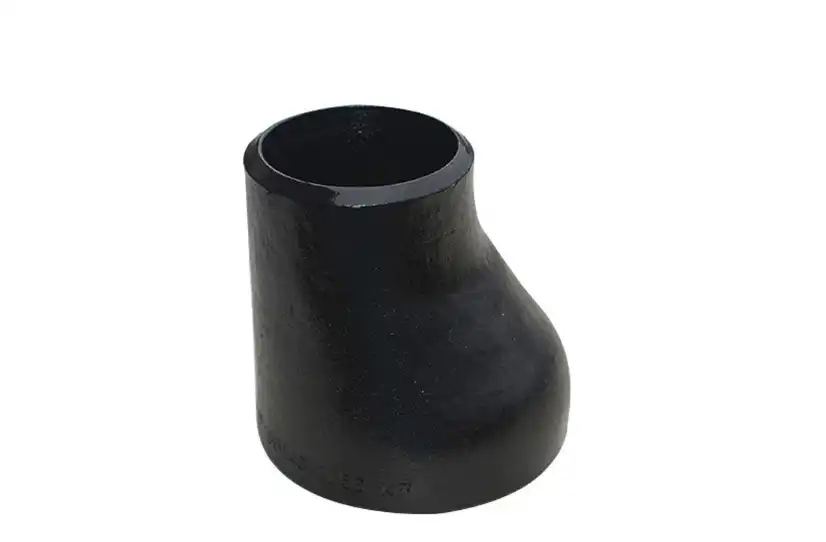
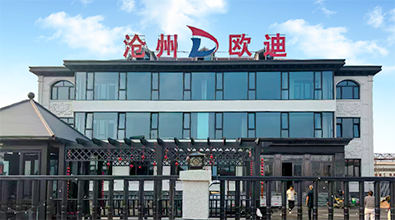
The 1998-founded Cangzhou Oudi Pipe Manufacture Co., Ltd. is a prime example of this type of provider. The factory is in Mengcun Hui Autonomous County and has a working area of 66,600 square meters. It has a lot of space for making things, is certified to ISO 9001:2000, and has licenses to make special equipment. We make pipe fittings out of carbon steel, stainless steel, and alloy steel to meet American, Japanese, German, and British standards. These fittings include bends, flanges, tees, and reducers. We have over 300 customers in 40 countries who work in the oil, chemical, natural gas, water conservation, construction, shipping, and power production industries. From buying the raw materials to delivering the finished goods, we keep a close eye on quality.
Conclusion
When buying cost-effective carbon steel elbows for big jobs on a budget, you need to pay attention to quality, approval, and lowering costs at the same time. Knowing about the different types of materials, how they are made, and their technical specs helps you make smart choices that meet performance needs without spending too much. Working with licensed makers who offer low prices straight from the factory, a wide range of products, and a history of exporting gives you the trust and value you need to complete a project successfully. Purchasing teams find parts that work well for a long time while staying within their budgets by carefully checking the quality of suppliers, following the right installation procedures, and evaluating suppliers in a planned manner.
FAQ
What factors primarily determine the costs of carbon steel elbows?
The main things that affect cost are the type of material, how it is made, its size, and its pressure number. Because they are harder to make, A234 WPB seamless elbows cost more than soldered ones. More material is needed, and it's harder to make things with bigger sizes and higher pressure values. When you buy in bulk, you can save 10–25% on each item, thanks to volume prices. By buying directly from the factory, you avoid paying distribution markups that can increase the final price by 20–30%.
How does the corrosion resistance of carbon steel compare to alternatives?
When properly coated, carbon steel has a middling level of corrosion protection that is adequate for most industry uses. Stainless steel is more resistant, but it costs 40–60% more. In places where people use harsh chemicals or where water is present, they may need protective coverings or other materials. When you properly prepare the surfaces, you can successfully use carbon steel elbows in many water treatment, oil, and natural gas applications.
Can suppliers accommodate custom specifications and sizing?
Companies that can make many things usually deal with custom sizes, curves that aren't standard, and different types of materials. Depending on how complicated the order is, it takes 4 to 8 weeks to make. There may be minimum order amounts, but big projects generally go over these limits on their own. Detailed specification sheets and application standards make it easier to customize things correctly without having to do too many steps over and over again.
Partner with Oudi for Your Carbon Steel Elbow Requirements
If a purchasing manager is looking for a dependable and Cost-effective carbon steel elbow provider, Oudi has everything they need. We've been in the manufacturing business for 26 years, and our factory in Cangzhou has modern production tools and strict quality systems that are approved to ISO 9001:2000 standards. We make seamless and welded elbows out of carbon steel, stainless steel, and alloys that meet ANSI, JIS, DIN, and BS standards. Our 16,000-ton annual capacity means that we can always meet your large order needs. Email our technical team at oudi-04@oudiguandao.com to discuss the details of your project and get fair quotes with savings for large orders. We are a certified cost-effective carbon steel elbow maker that works with the oil, chemical, natural gas, and water conservation businesses all over North America. We offer factory-direct prices without lowering the quality standards your projects need.
References
1. American Society of Mechanical Engineers. (2020). ASME B31.3 Process Piping: Design, Materials, and Fabrication Requirements. New York: ASME Press.
2. Davis, J.R. (2018). Carbon Steel Pipe Fittings: Materials Selection and Performance Optimization for Industrial Applications. Materials Park: ASM International.
3. Peterson, M.L. & Williams, R.K. (2019). Cost Analysis of Pipe Fitting Procurement Strategies in Large-Scale Industrial Projects. Journal of Construction Engineering and Management, 145(8), 112-126.
4. Thompson, D.A. (2021). Quality Assurance Standards for Internationally Sourced Industrial Pipe Components. Industrial Quality Management Quarterly, 33(2), 45-62.
5. United States Department of Energy. (2020). Best Practices for Pipeline Component Selection in Oil and Gas Infrastructure Projects. Washington: DOE Technical Reports.
6. Zhou, H. & Martinez, C. (2022). Comparative Performance Study of Seamless versus Welded Carbon Steel Elbows in High-Pressure Applications. International Journal of Pressure Vessels and Piping, 198, 104-118.

Need help finding the right solution with our experts. Please contact us.
SINCE 1998 Your Reliable Pipeline Manufacturer