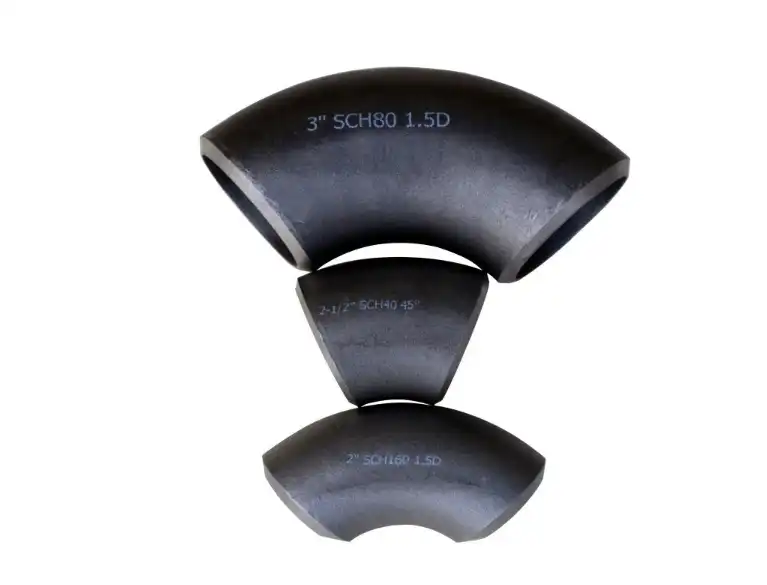
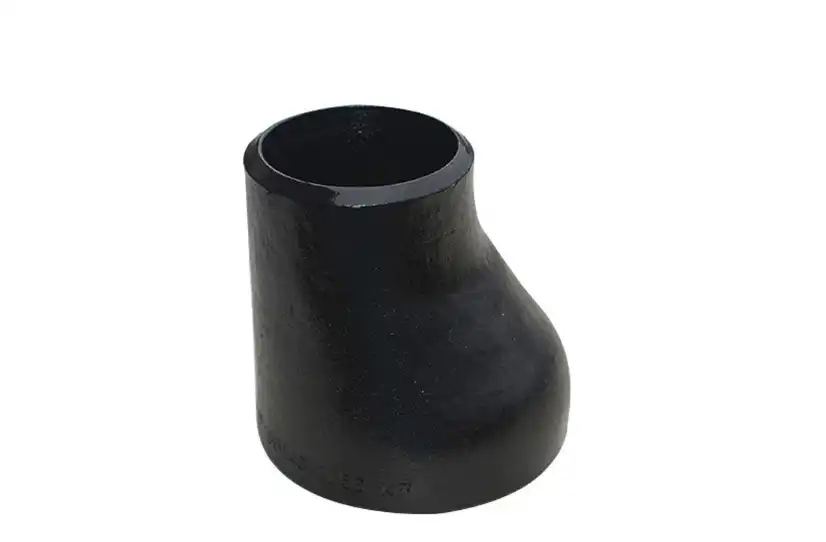
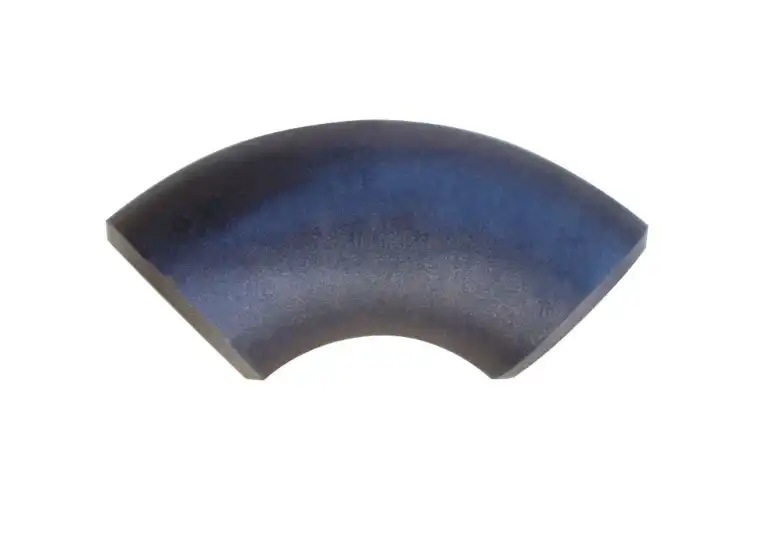
Compare galvanized carbon steel elbows versus stainless steel elbows for durability
The main difference between galvanized carbon steel elbows and stainless steel elbows for industrial use is how long they last. This has a direct impact on system security and long-term running costs. Because they are zinc-coated, galvanized carbon steel elbows are extremely corrosion-resistant. This makes them great for warmer weather, where saving money is very important. But elbows made of stainless steel are harder and less likely to rust. This is especially true in sea or chemically harsh environments, where the longer life makes up for the higher cost at first.
Introduction
An important part of industrial pipe systems is the pipe elbow, which lets gas or fluid move in different directions. They are used in a lot of different places, like oil refineries, chemical companies, and places that clean water. Choosing the right materials is an important strategic buying decision that will have an impact on the project's costs for the whole span of the system. This is because reliability has a direct effect on how well something works and how much it costs to maintain.
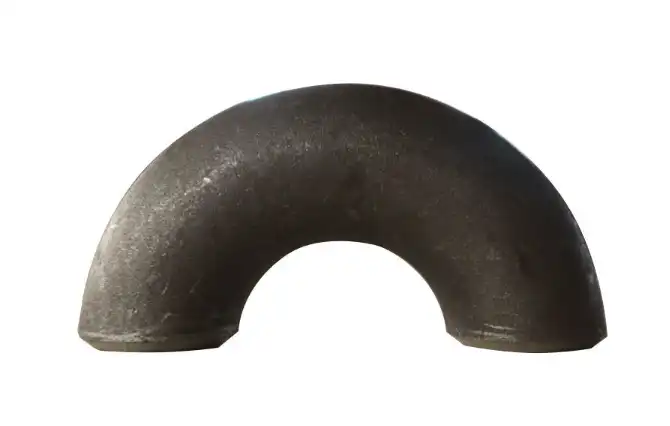
It's important for engineers and procurement managers who have to pick the best materials to know the differences between welded carbon steel elbows and stainless steel ones. In-depth research looks at things like durability, strength, maintenance needs, and buying options so you can make an educated choice that fits your budget and the needs of your business.
Pipe parts today have to be able to withstand changing temperatures, pressures, and harmful environments while still being physically sound for long periods of time. Choosing between stainless steel and polished carbon steel elbows can change how long a system lasts, how often it needs maintenance, and how much it costs to own the whole project.
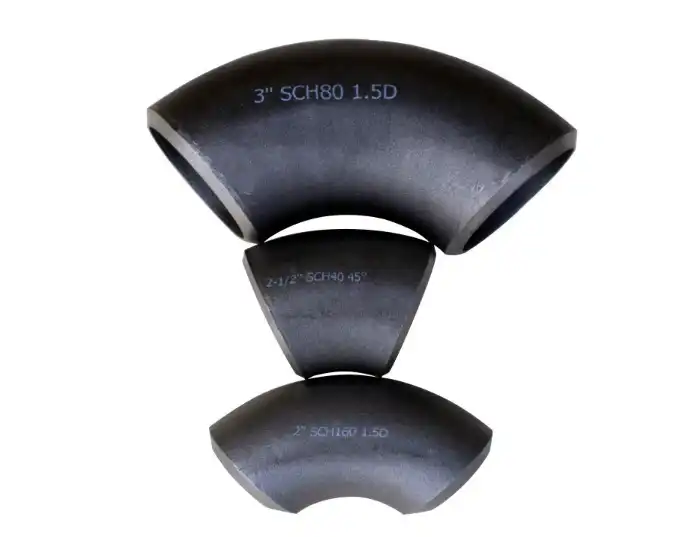
Understanding Galvanized Carbon Steel Elbows and Stainless Steel Elbows
Galvanized carbon steel elbow fittings are made of carbon steel parts that have been electro- or hot-dip galvanized to cover them in zinc to protect them. These parts are great when you need cheap defense against light corrosion. They work best in places where the climate is usually safe, like water supply systems, structural lines, and general industry.
A metal link is made between the zinc and the carbon steel base during the galvanization process. By making a shield, this keeps the metal below from rusting. Electro-galvanization makes coatings that are 5 to 25 microns thin, more uniform, and more accurate in size for threaded uses. Hot-dip galvanization makes coatings that are 45 to 85 microns thick.
Chrome, nickel, and other alloying elements in stainless steel make it naturally resistant to rust, so you don't need to protect them with anything else. When it comes to rust, Grade 304 stainless steel is very strong because it has 18–20% chromium and 8–10% nickel. If you compare this to Grade 316, molybdenum is added to it to make it stronger against chlorides and acidic conditions that are common in chemical processes and marine uses.
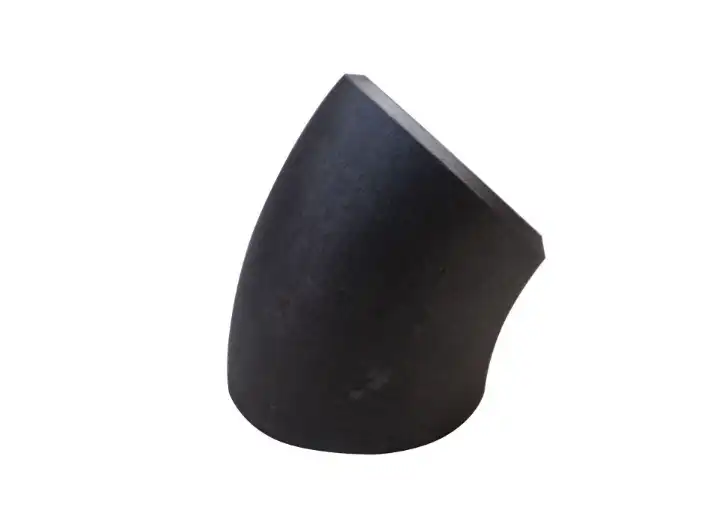
Manufacturing Processes and Quality Standards
Carbon steel elbows are hot-formed in ways like hot pushing and hot heating bends to get very accurate size limits. Seamless welding is used to join butt-welded elbows together. Socket-welded and threaded versions can be used for different fitting needs and pressure levels.
Procedures for quality control make sure that international standards are met. These include ASME B16.9 for butt welding parts, ASTM A234 for carbon steel materials, and ASTM B633 for electro-galvanized finishes. These guidelines say that things must have certain mechanical properties, size limits, and corrosion protection properties that determine how long they will last.
Accurate measures in manufacturing have a direct effect on how reliable parts are because they affect how well seals work, how stress is spread, and how long connections last. Modern factories use automated tools for shaping and thorough testing to keep quality high, even when they make a lot of things.
Durability Comparison: Galvanized Carbon Steel vs Stainless Steel Elbows
Durability is a term for a lot of different performance factors, such as how well something resists rust, how strong it is, how stable it is at different temperatures, and how often it needs to be maintained. All of these things have an effect on how long a part lasts and how well it works. The zinc covering on galvanized carbon steel elbow joints keeps the steel from rusting. When the pH level is low, between 6.5 and 12.5, this works well to keep the fittings from rusting.
But coats can come off when they touch metals that are not the same, either because of mechanical damage, chemical attack, or galvanic rust. Zinc coats can keep things safe for 15 to 25 years in rural areas, 10 to 15 years in cities, and 5 to 10 years in industrial settings, depending on how they are exposed and how thick the covering is.
It is better for elbows made of stainless steel not to rust because they make a passive chromium oxide film that fixes itself when it gets damaged. It is very strong in salt, acidic, and alkaline environments, where zinc coats would break down quickly because of this built-in defense system.
Mechanical Strength and Performance Characteristics
How long an elbow lasts depends on its mechanical properties, such as how well it can handle internal pressure, changing temperatures, and mechanical stress. Carbon steel plates have a very high tensile strength, ranging from 400 to 550 MPa depending on the grade. They are also very bendable, which makes them good for shaping.
More often than not, stainless steel grades have higher yield strengths and better wear protection than carbon steel grades. It takes at least 205 MPa of force to bend Grade 316 stainless steel, and it doesn't crack easily from stress rust, which can happen to treated carbon steel parts in some situations.
When temperatures change, thermal expansion factors can change the strength of a joint. Stainless steel is more stable in its shape and doesn't stress out as much at connection points. This trait is very helpful in steam systems and places with high temperatures, where heat stress can make things break too soon.
Environmental Resistance and Longevity
Things in the surroundings, like humidity, temperature changes, chemical touch, and air pollutants, have a direct effect on how long an elbow lasts and how long it meets service life standards. When it is dry and warm outside, galvanized coats are very good at keeping rust from forming in the air. That being said, they might break down faster in places with a lot of water or strong chemicals.
There are many places where stainless steel won't rust or corrode. Because of this, it is very useful in places like the ocean, chemical plants, and food-grade areas where there is a low chance of pollution. Germs can't grow on the top of the thing because it's not porous. It's now easier to clean really well.
Key Factors Influencing Elbow Selection for B2B Procurement
Before you buy something, you should think about a lot of things, such as the price, how it will be used, and any problems with the supply chain. Galvanized carbon steel elbows usually cost 40–60% less than stainless steel elbows at first, but you need to add up the costs of installation, maintenance, and repair when you work out the total cost of ownership.
The way in which materials are picked is affected by the standards that the industry sets for material approvals, pressure ratings, and environmental safety. For sour service settings, oil and gas operations usually need to follow NACE MR0175. On the other hand, pharmaceutical uses need to follow 3-A hygiene standards that favor building with stainless steel.
Things in the supply chain, like how stable a provider is, how much customizing is possible, and how long it takes to deliver, are very important to how well a purchase goes. Manufacturers that have been around for a while, are ISO 9001 certified, and have exported before can offer quality assurance and expert help. This lowers the risks of buying and ensures that projects are finished on time.
Cost Analysis and Economic Considerations
When you do an economic study, you need to look at the whole life of the system and the direct and indirect costs of each choice. The cost of supplies at the start is only 15–25% of the total cost of ownership. The prices of installation, maintenance, and downtime make up most of the economic impact over the 15–20-year service term.
Galvanized carbon steel elbows need to be checked and kept on a regular basis to make sure the coating is still in good shape and to fix any rust issues before they spread and damage the base. Based on how the finish is used and the weather, it should be maintained every two to five years. Most of the time, changing or replacing the paint costs twenty to thirty percent of what the original part cost.
Parts made of stainless steel don't need as much maintenance and can be repaired more often, which means that work stops less often and costs less. In the long run, a bigger initial investment usually pays off because it requires less maintenance and lasts longer. This is especially true in tough situations where reliability is key.
Technical Specifications and Performance Requirements
It's important that the material meets certain scientific standards for the job, such as being able to handle certain levels of pressure, temperature, and chemicals. There are standard pressure classes that range from 150 to 2500 ANSI rates. The material you choose affects the safety factor calculations and the highest working pressure that can be used.
If you want to choose a material, temperature is important. Galvanized coats can break down at temperatures above 200°C, but depending on the grade, stainless steel can stay physically sound at temps above 800°C. The effects of temperature cycling need to be looked into so that things don't break too soon from growth stress.
There are tests that make sure a material can handle process fluids and the situations it will be in the real world. The rust rate and full match charts help people pick the right material for the job based on the conditions and needs of the job.
Installation and Maintenance Best Practices for Galvanized Carbon Steel Elbows
The right way to place a galvanized carbon steel elbow has a big impact on how long it lasts and how stable the system is. It is important to pay close attention to surface preparation, fitting alignment, and connection integrity. Any oil, dirt, or chemical residue on the surface must be cleaned off before fitting. This will keep rust from starting in one place and make sure the cap fits properly.
When putting something together, it's important to make sure that all of the parts line up properly. If they aren't, there could be stress points that damage the protective coats or let water in. With the right torque specs, the seal is squished just enough without putting too much stress on the threaded joints or deforming the gasket surfaces in a way that makes them less durable in the long run.
Here are the essential installation considerations for maximizing elbow durability:
• Surface Preparation: Remove all contamination using appropriate cleaning solvents and ensure dry, clean surfaces before assembly. Inspect coating integrity and address any damage before installation to prevent corrosion initiation.
• Alignment Procedures: Make sure the pipes are lined up properly while the fittings are being put on to keep the coating from getting damaged and stress building up. Use the right support systems to keep the joints from putting too much stress on the building.
• Sealing Techniques: Use thread seals that can handle both metal surfaces and process fluids. Don't tighten too much, as that could hurt the end or cause stress peaks.
• Quality Verification: Before turning on the system, check the pressure to make sure the installation is solid and look for places where the system might be leaking.
If you follow these fitting rules, your investment in high-quality pipe parts will last for a long time and work well. When you pay close attention to the little things during installation, your system will last longer and need less maintenance over its service lifecycle.
Preventive Maintenance Protocols
A big part of maintenance plans should be regular checks to see if the coating is wearing off, there is mechanical damage, or there are changes in the environment that could affect how well the elbow works. In normal situations, visual checks should be done every 6 to 12 months. In hard or very extreme situations, checks need to be done more often.
Protocols for paperwork keep track of the results of inspections of Galvanized carbon steel elbow, the steps taken for maintenance, and performance trends that help plan upkeep and manage a part's life. By keeping careful records, you can find the best times to check and notice problems that keep happening, which could mean there are problems with how the system is built or how it works.
To stop base rust and make parts last longer, coating repair methods need to be able to fix limited damage fast. Touch-up painting with zinc-rich bases protects for a short time until the item is replaced. For valuable parts that are easy to get to, full re-galvanizing may be the best choice.
Making an Informed Decision: When to Choose Galvanized Carbon Steel or Stainless Steel Elbows
The conditions of the job, the performance standards, and the cost of the best elbow choice all play a role in choosing the right material. Galvanized carbon steel elbow options work well in places where costs are modest, and maintenance is not necessary.
If you need to stick to a budget and the job is in the country, or a town with mild weather, galvanized carbon steel is often a good choice. This is especially true when short-term worries about running the business are more important than long-term concerns about investing in cash. Most of the time, zinc parts work well and don't cost too much for these uses. People often use them in city water systems, building HVAC systems, and lines in general business.
Because it doesn't rust and lasts longer, stainless steel is the best material for projects that need to meet strict industry standards that call for certain qualities. Buildings made of stainless steel are often needed in chemical processes, making medicines, and naval applications for reasons of performance and safety.
Decision Criteria Framework
Structured decision models help procurement workers make better choices by comparing material options in a planned way based on things like cost, performance, sturdiness, and how easy they are to maintain. To help choose objectively what to read, weighted score methods can compare the benefits.
You have to look at things like the weather, chemical exposure, temperature ranges, and humidity levels when you do an environmental review. These can change how fast things break down and how long they are supposed to last. Corrosion rate data and records of past performance can help you figure out how long something will last and do economic analysis.
It's important to include the total cost of ownership in your budget. This includes the costs of getting the system, putting it in, keeping it up to date, and replacing it when it breaks down. Sensitivity analysis figures out when the extra money spent on better products in the beginning starts to pay for itself by lowering the costs of doing business.
Conclusion
When you look at how long welded carbon steel and stainless steel elbows last, you can see that different types of steel have different uses and benefits. Galvanized carbon steel elbows are a cheap choice for mild situations where the zinc layer protects against corrosion and extends the service life. Stainless steel is an alternative to steel that works better in tough conditions that need high rust protection and low maintenance. When buying things, it's important to think about things that are specific to the job, like the weather, performance needs, and economic limits, so that you can pick the materials that will last the longest and cost the least.
FAQ
What is the expected service life of galvanized carbon steel elbows compared to stainless steel elbows?
Galvanized carbon steel elbows can last between 15 and 25 years in normal situations. Stainless steel elbows, on the other hand, can last more than 50 years with little maintenance. Exposure to the environment has a big effect on how long something lasts. For instance, rusted parts don't last as long in tough chemical or sea environments, but stainless steel parts keep working fine.
Are galvanized carbon steel elbows suitable for highly corrosive environments?
Galvanized carbon steel elbows are bad for places that are very acidic because the layer breaks down when chemicals attack them. For things that will be in acidic solutions, chlorides, or temperatures above 200°C, stainless steel building is generally needed to make sure they don't rust and work well for a long time.
What are typical delivery times and order scalability for galvanized carbon steel elbows?
It takes between two and four weeks to get a normally coated carbon steel elbow in standard sizes and specs. These styles can be hard to make, so it may take up to 6 to 8 weeks. Established sellers keep popular sizes in stock and can handle big orders because they can make 16,000 tons of goods every year. It is also ISO-9001-certified, which means they always make sure the quality is the same.
Partner with Oudi for Premium Galvanized Carbon Steel Elbow Solutions
Oudi stands as a trusted galvanized carbon steel elbow manufacturer with over 25 years of experience serving global industrial markets through superior quality products and comprehensive technical support. Our ISO 9001 certified manufacturing facility produces 16,000 tons annually of premium pipe fittings that meet international standards, including ANSI, JIS, DIN, and BS specifications.
Our extensive product portfolio encompasses a complete range of carbon steel, stainless steel, and alloy steel pipe fittings with advanced galvanization processes that ensure optimal coating thickness and adhesion for extended service life. Quality control protocols include comprehensive testing from raw material verification through finished product inspection, ensuring consistent performance that meets your project requirements.
When you email our team at oudi-04@oudiguandao.com, you can tell us about your specific application needs and get solutions that are made to meet the long-term and cost-effective needs of your next project. You can get standard or special galvanized carbon steel elbow configurations from us at a fair price. We also provide full technical specs and approval paperwork.
References
1. American Society of Mechanical Engineers. "ASME B16.9: Factory-Made Wrought Buttwelding Fittings." ASME International Standards, 2018.
2. ASTM International. "ASTM A234: Standard Specification for Piped Fittings of Wrought Carbon Steel and Alloy Steel for Moderate and High Temperature Service." ASTM International Standards, 2019.
3. British Standards Institution. "BS EN 10224: Non-alloy Steel Tubes and Fittings for the Conveyance of Water and Other Aqueous Liquids." BSI Group Standards, 2020.
4. The International Standards Organization (ISO) is what this group is called. The 2015 ISO Technical Standards list the requirements for ISO 9001: Quality Management Systems.
5. American Association of Corrosion Engineers. NACE International Standards, 2021: "NACE MR0175: Materials for Use in H2S-Containing Environments in Oil and Gas Production."
6. Association for the Development of Zinc. As of 2017, ZDA Technical Publications put out a book called "Galvanized Steel in Contact with Other Materials."

Need help finding the right solution with our experts. Please contact us.

SINCE 1998 Your Reliable Pipeline Manufacturer