Top-rated manufacturers of high-pressure carbon steel elbows for industrial use
When searching for reliable High-pressure carbon steel elbow manufacturers, industrial professionals need suppliers who deliver exceptional quality, rigorous certifications, and proven track records in demanding applications. These specialized fittings serve critical roles in oil refineries, chemical processing plants, and power generation facilities where system integrity cannot be compromised. The most reputable manufacturers combine advanced manufacturing technologies, comprehensive quality control systems, and deep industry expertise to produce elbows that withstand extreme pressures while maintaining optimal flow characteristics. Selecting the right manufacturer directly impacts operational safety, system longevity, and overall project success in industrial piping applications.
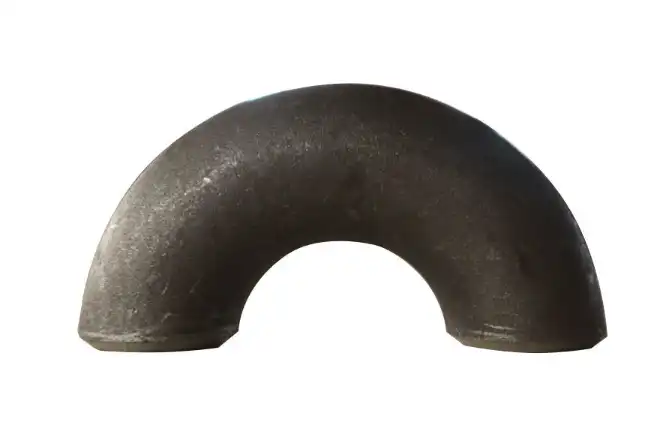
Understanding High-Pressure Carbon Steel Elbows
In industrial pipe systems, high-pressure carbon steel elbows are specialized solutions made to withstand high pressure. In contrast to regular pipe fittings, these parts are made using special techniques and materials that protect them from damage even in harsh working conditions.
Key Design Features and Material Properties
When carbon steel elbows are made for high-pressure uses, they have thicker walls, better material grades, and exact limits on their sizes. The carbon percentage is usually between 0.30% and 0.45%, which is the best range for strength and weldability. These fittings have very high tensile strength (often over 60,000 PSI), but they are still flexible enough to accommodate heat expansion.
Different types of materials have different amounts of carbon. Low-carbon grades are used for general purposes, while medium-carbon formulas are used in settings with high pressure. Normalizing and tempering are two types of heat treatment that improve mechanical qualities even more. This makes sure that the material works the same way even when the temperature changes, which is common in industrial settings.
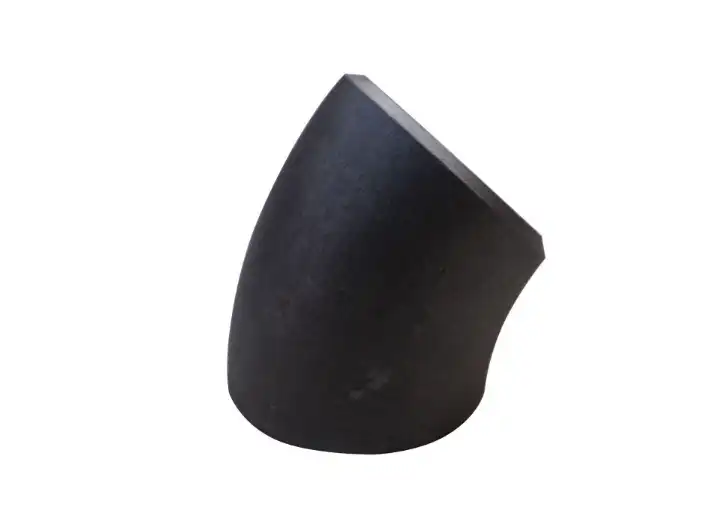
Seamless versus Welded Construction Advantages
The way that High-pressure carbon steel elbow goods are made has a big effect on how well they work. Seamless construction gets rid of weld gaps that could become stress concentration points. This makes the pressure ratings better and the safety margins bigger. The continuous material structure spreads stress evenly throughout the fitting, which lowers the chance of failure in serious situations.
Even though welded elbows are cheaper, they need extra quality control steps to make sure the weld strength meets the needs of high pressure. With advanced welding methods and post-weld heat treatment, they can work as well as smooth alternatives, which means they can be used in certain pressure ranges and when cost is an issue.
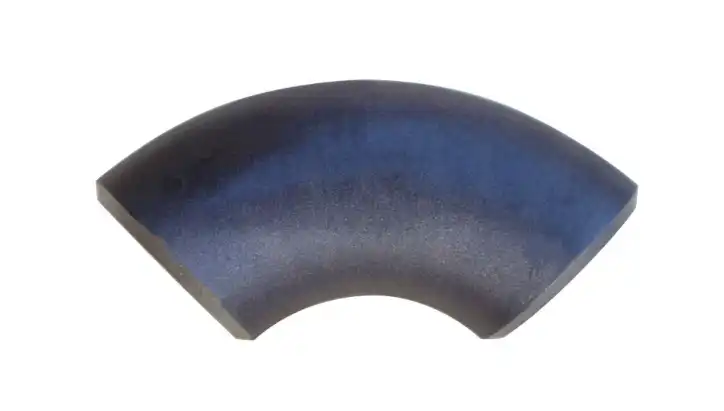
Standards Compliance and Certification Requirements
Specifications for high-pressure elbows are set by international norms. This makes sure that all markets around the world are safe and compatible. ASME B16.9 sets the size requirements for wrought steel fittings made in a plant, and ASTM A234 sets the material requirements for pipe fittings. The European EN 10253 guidelines give the same details for uses in different areas.
Compliance verification includes a lot of different tests, such as hydrostatic pressure testing, non-destructive examination, and proof of the material's approval. These strict rules make sure that High-pressure carbon steel elbow parts meet or go beyond the design standards for the situations they are meant to be used in.
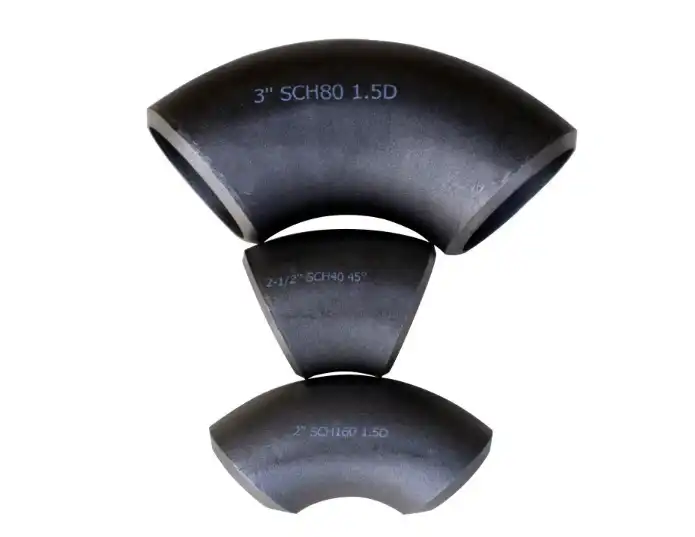
Top-Rated Manufacturers of High-Pressure Carbon Steel Elbows — Industry Leaders and Their Profiles
To find the best manufacturers, you have to look at a lot of things, like their certifications, output skills, quality control systems, and records of how happy their customers are. The most trustworthy sellers consistently do well across all of these evaluation criteria, while also keeping prices low and shipping times reliable.
Essential Manufacturer Evaluation Criteria
Quality approvals are basic standards for companies that make high-pressure fittings. ISO 9001 quality management systems make sure that production methods are always the same, and API 5L certifications for oil and gas use prove that people know how to do things in that field. Pressure Equipment Directive (PED) compliance allows entry to the European market and shows that the maker is committed to meeting international quality standards.
Advanced manufacturing tools, engineering support services, and the ability to make custom designs for High-pressure carbon steel elbow applications are all examples of technical skills. Big companies spend a lot of money on CNC machine centers, automatic welding systems, and full testing labs to make sure that their products are always precise and of high quality. As part of engineering support, we offer CAD design services, stress analysis, and application-specific advice to help you choose the best fittings for difficult projects.
Production Scale and Capacity Considerations
Manufacturing capacity has a direct effect on how reliably deliveries happen and how low prices are. Large-scale makers gain from economies of scale, which let them keep quality standards high while keeping prices low. Annual production capabilities of more than 15,000 tons show that the manufacturing facilities and supply chain security are very good, which is important for big industrial projects.
Inventory management methods and smart buying of raw materials make sure that supplies are always available, even when the market changes. When manufacturers keep a wide range of popular sizes and pressure ratings in stock, they can meet urgent needs fast and offer reasonable lead times for standard specs.
Customer Service Excellence and Technical Support
Leading makers are different from commodity sellers because they offer excellent customer service. Full professional support includes application building, help with installation, and troubleshooting after the product has been delivered. Support for multiple languages and responsive contact channels makes it easier for people working on foreign projects to work together effectively.
Quality assurance includes more than just making things. It also includes services like shipping, packing, and paperwork. Customers' quality control needs and government regulations are met by detailed material test results, dimensional inspection certificates, and tracking documents.
How to Choose the Best High-Pressure Carbon Steel Elbow Manufacturer for Your Project?
To choose the best makers, you need to carefully look at their professional skills, quality control systems, and business terms that fit the needs of your project. In this step, product standards are matched to application needs while long-term source relationship factors are taken into account.
Project-Specific Requirements Analysis
Analysis of the application setting is used to choose the right material grades, pressure values, and size requirements. When compared to water treatment uses, petrochemical plants usually need higher pressure ratings and better corrosion protection. Operating temperature ranges affect the choice of material and the amount of heat treatment needed, which in turn affects the manufacturer's approval standards.
Flow High-pressure carbon steel elbows are very important in high-speed situations where minimizing pressure drop affects how well the system works. Because they don't have any weld breaks on the inside, seamless carbon steel elbows usually have better flow qualities and are better for uses that need a lot of flow.
Technical Due Diligence Process
Verification of material tracking makes sure that project specs and legal requirements are met. For each production lot, full material certificates should show the chemicals used, the mechanical qualities, and the conditions of the heat treatment. Quality assurance is increased by the results of non-destructive tests like ultrasound examination and liquid penetrant inspection.
Manufacturing process audits look at how well production systems and quality control systems work. Site visits let you directly check the powers of the tools, the skills of the staff, and the cleanliness standards of the building. Quality management system checks make sure that the standards are being followed and look for ways to make things better.
Procurement Strategy Considerations
When doing a commercial review, you have to weigh the quality standards against things like price competitiveness, payment terms, and delivery schedules. The initial buy price, shipping costs, possible quality problems, and the long-term dependability of performance are all parts of the total cost of ownership. Setting up ties with chosen suppliers can help you get better prices and faster service during times of high demand.
Diversifying your suppliers, setting up quality trust accounts, and making sure your contracts have clear language about performance promises are all ways to lower your risk. High-pressure carbon steel elbow uses require dependable performance, so the supplier's financial security and technical know-how are very important.
Innovations and Trends in Manufacturing High-Pressure Carbon Steel Elbows
Modern improvements in manufacturing are mostly about making things more precise, making materials last longer, and using environmentally friendly ways to make things. These changes have made it possible for products to work better while also being better for the world and saving money.
Advanced Manufacturing Technologies
Computer-controlled making methods make it possible to get surfaces that are perfectly smooth and accurate in size. Multi-axis CNC machining tools make it possible to achieve complicated shapes and tight tolerances that were not possible with traditional methods. Automated welding systems that use advanced methods like circular TIG welding make sure that the quality of the weld is always the same and that mistakes are less likely to happen.
Precision temperature control and atmosphere management during heat treatment can improve material qualities while reducing distortion. Better metallurgical results can be achieved with vacuum heat treatment and controlled atmosphere kilns. This is especially helpful for High-pressure carbon steel elbow uses that need the highest levels of strength and hardness.
Industry 4.0 Integration and Smart Manufacturing
Implementing the Internet of Things (IoT) makes it possible to watch production in real time and plan for future repair needs. During the manufacturing process, sensor networks keep an eye on important factors like temperature, pressure, and measures of size and shape. This makes sure that quality is always the same and problems are found quickly.
Data analytics programs find ways to improve processes and predict when equipment will need to be serviced. Machine learning programs look at old production data to find the best settings and lower the number of mistakes, which makes the product more reliable and lowers its cost.
Environmental Sustainability Initiatives
Sustainable manufacturing practices meet the needs of industry users who care more and more about the environment. Energy-efficient production methods, programs to cut down on trash, and recycling efforts all show that manufacturers care about the earth. Environmentally aware procurement workers are interested in lowering their carbon footprint by using green energy and making the best use of transportation.
By using more advanced forming methods to make materials more efficient, less raw material is used while the final performance stays the same. The ideas behind lean production try to cut down on waste and make the best use of resources. This helps the environment and keeps costs low.
Conclusion
To choose the best makers for High-pressure carbon steel elbow applications, you need to carefully look at their professional skills, quality systems, and business terms. Leading providers consistently show their quality by having strict certifications, using cutting-edge production technologies, and having a track record of happy customers. The best buying strategies find a balance between cost and quality needs while building long-term relationships with suppliers that meet ongoing business needs. When you know about new industrial technologies and industry trends, you can make smart decisions that meet the needs of both the current project and the future supply chain.
FAQ
What pressure ratings are available for high-pressure carbon steel elbows?
High-pressure carbon steel elbows typically accommodate pressure ratings from 150 PSI to 2500 PSI, with specialized applications reaching even higher pressures. Standard ANSI ratings include Class 150, 300, 600, 900, 1500, and 2500, each corresponding to specific pressure and temperature combinations. Seamless construction generally enables higher pressure ratings compared to welded alternatives due to uniform material structure and absence of potential weld defects.
How do carbon steel elbows compare to stainless steel alternatives for high-pressure applications?
Carbon steel elbows offer superior strength-to-cost ratios for most high-pressure applications, making them economically advantageous for large-scale industrial projects. While stainless steel provides enhanced corrosion resistance, carbon steel delivers adequate performance in non-corrosive environments at significantly lower costs. Proper surface treatments and coatings can enhance carbon steel corrosion resistance when environmental conditions require additional protection.
Can manufacturers customize elbow designs based on specific project requirements?
Reputable manufacturers routinely provide custom engineering services, including CAD design support, stress analysis, and specialized dimensional requirements. Custom capabilities encompass non-standard angles, reinforced designs for extreme pressures, and specialized end connections for unique applications. Advanced manufacturers maintain engineering teams capable of collaborating with customer technical staff to optimize designs for specific operational requirements while ensuring compliance with applicable standards.
Partner with Oudi for Premium High-Pressure Carbon Steel Elbow Solutions
Oudi stands ready to support your industrial piping projects with our comprehensive range of High-pressure carbon steel elbow products manufactured to the highest international standards. Our ISO 9001-certified facility combines advanced production technologies with rigorous quality control systems to deliver reliable performance in demanding applications. With over 25 years of manufacturing expertise and a proven track record serving more than 300 customers across 40 countries, we understand the critical importance of product reliability in industrial environments. Our experienced engineering team provides comprehensive technical support, including custom design services, material selection guidance, and application-specific consulting to optimize your piping system performance. Contact our specialists at oudi-04@oudiguandao.com to discuss your high-pressure carbon steel elbow requirements and discover how our manufacturing excellence can enhance your project success.
References
1. American Society of Mechanical Engineers. "ASME B16.9: Factory-Made Wrought Buttwelding Fittings." ASME International Standards, 2018.
2. ASTM International. "ASTM A234: Standard Specification for Piping Fittings of Wrought Carbon Steel and Alloy Steel for Moderate and High Temperature Service." ASTM Standards, 2019.
3. European Committee for Standardization. "EN 10253: Butt-welding pipe fittings for pressure purposes." CEN European Standards, 2016.
4. Petroleum Equipment Institute. "High-Pressure Piping Systems: Design and Manufacturing Guidelines for Industrial Applications." PEI Technical Publication, 2020.
5. International Organization for Standardization. "ISO 9001: Quality Management Systems Requirements and Implementation Guide for Manufacturing Industries." ISO Standards Collection, 2021.
6. American Petroleum Institute. "API 5L: Specification for Line Pipe and Related Fittings in Oil and Gas Applications." API Standards Department, 2018.

Need help finding the right solution with our experts. Please contact us.

SINCE 1998 Your Reliable Pipeline Manufacturer



