What are the best anti-corrosion coatings for carbon steel elbows?
Anti-corrosion carbon steel elbows, fusion-bound epoxy (FBE), polyurethane, and specialized industrial lacquers are the best finishes for carbon steel elbows that keep them from rusting. These protected systems keep materials from rusting and breaking down in harsh industrial settings. Hot-dip galvanizing gives great barrier protection with a zinc coating, and FBE is better for chemical defense in oil use. Polyurethane coats are great for covering uncovered pipes because they are resistant to UV light and last a long time. The choice is based on the surroundings, the chemicals that might be present, the temperature ranges, and the expected service life.
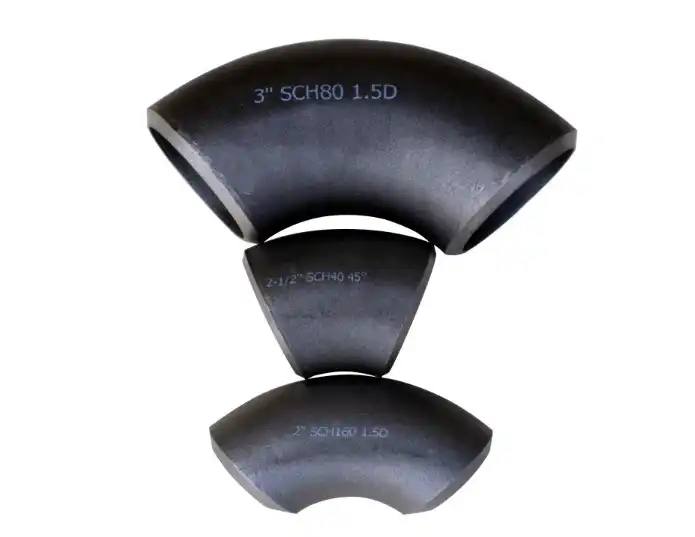
Understanding Anti-Corrosion Carbon Steel Elbows
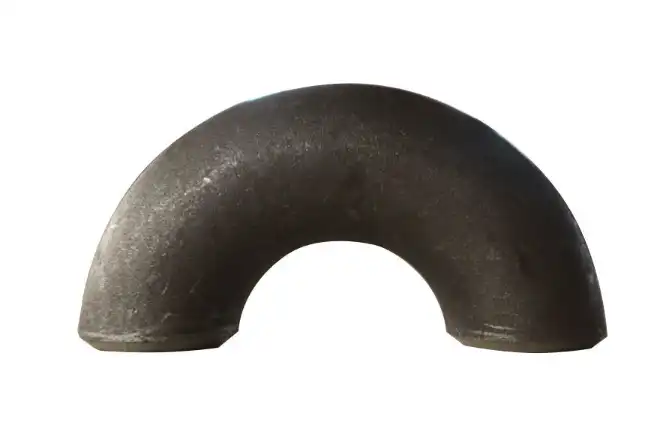
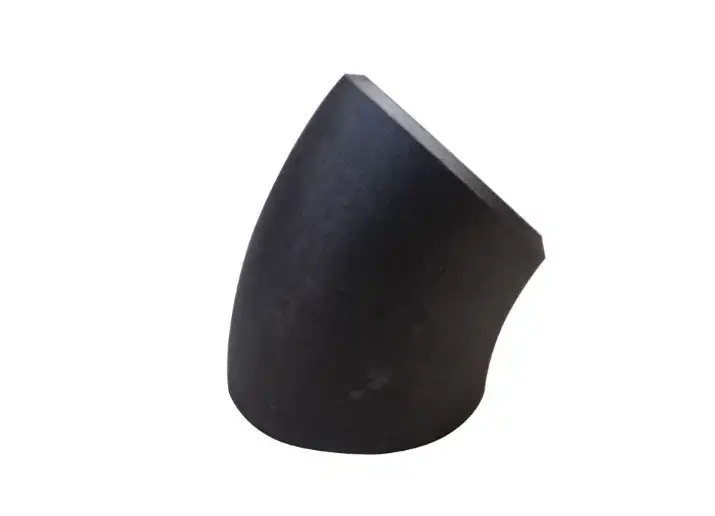
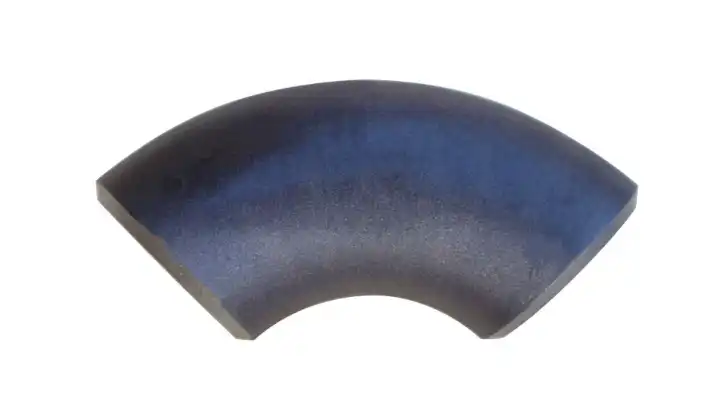
Anti-corrosion carbon steel elbows are important directional parts of industrial pipe systems because they are made to last in tough environments while still being structurally sound. These special fittings change the direction of fluid flow at set angles, usually 45°, 90°, or 180°, based on the needs of the system. Coating systems protect the carbon steel underneath from rust, chemical attack, and environmental damage as part of the basic design.
Essential Role in Industrial Pipeline Systems
Anti-corrosion carbon steel elbows make it easy for pipe networks in oil, chemical, water treatment, and power production plants to connect to each other without any problems. Carbon steel's natural strength makes it very resistant to pressure and very long-lasting mechanically. Protective coats make it last even longer. Without the right rust protection, carbon steel parts can break down quickly, which can cause systems to fail, pollute the environment, and cost a lot to repair.
Global Quality Standards and Certification Requirements
International standards for carbon steel pipe fittings include ASTM A234, ASME B16.9, and ISO 3419. These standards set the size limits, material requirements, and testing methods. These guidelines make sure that quality is the same throughout global supply chains and make it easier for producers to work together. To meet project requirements and government rules, procurement pros must make sure that appropriate standards are being followed and get the right certifications.
Impact on Safety and Operational Efficiency
The safety of a pipeline is directly affected by corrosion-resistant elbow joints, which keep pressure inside and stop leaks. Protected parts need less upkeep, don't shut down without warning as often, and make the whole system more reliable. When you choose the right anti-corrosion solutions, you can see how they affect the economy through lower lifetime costs and better operating consistency.
Overview of Anti-Corrosion Coating Types for Carbon Steel Elbows
Today's protective coating technologies offer a wide range of options that can be adjusted to specific operating needs and weather obstacles. When it comes to chemical protection, longevity, application methods, and cost, each coating technique has its own benefits. By knowing about these traits, you can make smart choices about which ones to choose that will give you the best long-term success and economic value.
Hot-Dip Galvanizing (HDG) Protection Systems
Hot-dip galvanizing makes a zinc layer that is metallurgically bound and acts as both a shield and a sacrifice for protection. Usually, the zinc covering is between 85 and 125 microns thick, which makes it very resistant to corrosion in both air and dirt. This method is in line with ASTM A153 standards and provides better bonding than mechanical coating methods.
Cleaning, fluxing, and submerging steel parts in liquid zinc at around 450°C are all steps in the galvanizing process. Under the zinc coating, this process makes several layers of zinc-iron alloy, which ensures strong adhesion and even coverage. Galvanized Anti-corrosion carbon steel elbow fittings demonstrate excellent performance in marine environments, industrial atmospheres, and underground installations.
Fusion Bonded Epoxy (FBE) Coating Technology
The FBE layer is a thermosetting polymer that is put on hot steel surfaces using electrostatic spraying. When the powder melts, it forms cross-links that make a barrier that is smooth, chemically resistant, and usually 300 to 500 microns thick. This layer is perfect for use on oil pipelines because it is highly resistant to chemicals and sticks well.
Application temperatures between 180°C and 250°C make sure that the powder melts and cures properly, making a covering structure that is thick and free of holes. FBE-coated parts don't break apart when they get a negative charge, and they have great insulating qualities for underground pipe systems. The coating keeps its flexibility while providing excellent protection against impact and temperature cycles.
Polyurethane Coating Systems
Polyurethane coats have great mechanical qualities and also keep their color better, and are more resistant to UV light. Because these coatings are so resistant to wear and tear, they can be used on exposed cable lines and in high-velocity fluid uses. When compared to single-component systems, two-component polyurethane systems are more resistant to chemicals and last longer.
Application versatility allows for spray, brush, or roller application methods, accommodating various project requirements and field situations. Polyurethane-coated parts keep their gloss and color even after being exposed to UV light for a long time without chalking or breaking down. The coating system sticks very well to steel surfaces that have been properly prepared, and it stays flexible even when heated and cooled many times.
Specialized Industrial Lacquer Applications
For mild corrosion conditions and short-term security needs, high-grade industrial lacquers are a cost-effective way to protect. By making a thick surface and controlling how much water can pass through, these coatings act as a barrier. Modern lacquer formulas include UV blockers and rust inhibitors to make them work better and last longer.
Industrial lacquers are good for field coating fixes and upkeep because they are easy to use and dry quickly. The coating system is chemically resistant to weak acids, alkalis, and salt solutions, and its mechanical qualities are also good. The best bonding and effectiveness are achieved by properly preparing the surface and applying the material.
Comparing the Best Anti-Corrosion Coatings: How to Choose Wisely
To choose the best coating systems, you need to look at a lot of factors, such as the climate, chemical exposure, mechanical pressures, and cost. Comparing performance based on a number of different factors helps people make smart choices that balance the initial investment with the long-term practical benefits. Depending on the needs of the product and the conditions of service, each coating method has its own benefits.
Performance Analysis and Environmental Suitability
Hot-dip galvanizing is the best way to protect metal from corrosion in the air, and it works well in country, urban, and coastal settings. The zinc coating protects exposed steel from corrosion and keeps its protective quality even if the coating gets slightly damaged. When the weather is mild, galvanized parts usually last between 25 and 50 years without needing any upkeep.
It is very hard for petroleum products, acids, and alkaline solutions to damage FBE surfaces, which makes them perfect for chemical processing and pipeline uses. The layer doesn't break down at temperatures up to 80°C and is very resistant to cathodic disbondment. However, FBE doesn't fight UV light very well and needs to be overcoated for use above ground.
Polyurethane systems work well in a lot of different areas, like chemical protection, UV stability, and mechanical longevity. These coats keep their look and protective qualities even when they are exposed. They also stick well and don't get damaged easily. Service life is usually between 15 and 25 years, but it depends on how well it is maintained and how harsh the surroundings are.
Cost Analysis and Lifecycle Considerations
Different methods have very different starting prices for coatings. Galvanizing usually has the lowest cost per unit area covered. Because they have specific uses and better chemical protection, FBE coatings cost more than other coatings. The starting cost of polyurethane systems is modest, but they provide great long-term value due to their long service life and low maintenance needs.
When doing a lifecycle cost study, you need to think about how often to maintain, how often to recoat, and how much it will cost to replace something over the expected service time. Most of the time, galvanized parts have the lowest total cost of ownership because they last longer, don't need as much upkeep, and can be recycled. FBE-coated systems justify higher initial costs through superior performance in challenging chemical environments and reduced system downtime.
Case Study: Offshore Platform Piping System
An offshore oil platform chose anti-corrosion carbon steel elbow fittings that don't rust and have two layers of coating: an FBE primer and a polyurethane finish. The FBE layer in this design gave great chemical resistance, and the polyurethane finish protected against UV light and gave the structure strength. The work lasted 20 years with little upkeep, which proved the paint selection method to be correct.
Parts needed for the job had to meet NACE MR0175 standards for sour service conditions with H2S exposure. The coating thickness needed to be 400–500 microns for the FBE primer and 100–150 microns for the polyurethane finish. Holiday testing, stickiness evaluation, and thickness verification were all part of quality control processes to make sure that the specifications were met and that the product would work reliably for a long time.
Procurement Guide for Anti-Corrosion Carbon Steel Elbows
Procurement strategies that work focus on qualifying suppliers, checking quality, and creating detailed specifications. To make sure a project is a success, global supply chains need to carefully look at things like manufacturing skills, certification compliance, and transport reliability. Setting clear lines of communication and quality standards stops confusion and ensures that specifications are followed.
Supplier Selection Criteria and Quality Verification
A manufacturing capacity review should look at things like certification compliance, production tools, and quality control systems. Getting ISO 9001:2015 quality management certification shows that you take a structured method to ensure quality and improve all the time. Special equipment manufacturing permits make sure that rules for pressure vessels and piping components are followed in different places.
As part of evaluating technical capabilities, testing tools, steel labs, and coating application systems are looked at. Modern production technology makes sure that measurements are correct, materials can be tracked, and the quality of the result is always the same. When evaluating a supplier, it's important to make sure that they can meet shipping dates and keep quality standards high, no matter how much they make.
To make sure the quality control is correct, the incoming material inspection methods, production process controls, and final inspection routines need to be looked over again. Radiographic, ultrasound, and magnetic particle inspection are all types of nondestructive testing that can be used to find flaws and make sure that specifications are met. Certificate of compliance paperwork ensures that important applications can be tracked and that the standard is high.
Specification Development and Order Processing
Specifications that are thorough must include standards for sizes, types of materials, finishing systems, and testing methods. The ASME B16.9 standard sets the sizes for factory-made cast buttwelding fittings, and the ASTM A234 standard sets the materials for carbon steel parts. When writing coating requirements, they should look to the right standards, like ASTM A153 for galvanizing or NACE standards for more specific uses.
Order specs should list when the goods should be delivered, how they should be packaged, and what paperwork is needed. Because of the way things move around the world, exports need the right paperwork, the right labels, and protected packing for long trips. Clear communication about lead times, quality hold points, and review requirements keeps things on schedule and makes sure that specifications are met.
Oudi Manufacturing Excellence and Global Reach
Cangzhou Oudi Pipe Manufacture Co., Ltd. demonstrates exceptional manufacturing capabilities through ISO 9001:2000 certification and People's Republic of China special equipment manufacturing licenses. Our facility spans 66,600 square meters and can produce 16 thousand tons of goods every year. This makes sure that global projects can rely on our supply chain support. Modern production tools and thorough quality control systems make sure that the standard of the products always meets the requirements.
Anti-corrosion carbon steel elbow in more than 40 countries, such as those in Europe, the Americas, Africa, Southeast Asia, and the Middle East, through our global network. Because of this, they have a deep knowledge of foreign standards, government rules, and logistics problems. Quality control methods include checking the raw materials, keeping an eye on the production process, and doing a full final review that can include nondestructive testing.
Maximizing the Lifespan and Performance of Anti-Corrosion Carbon Steel Elbows
For optimal performance over the entire service life, you need planned repair methods, early detection techniques, and strategies for proactive action. Scheduled regular inspections find possible problems before they damage the system or put workers at risk. Good maintenance habits make coatings last longer and keep parts from needing to be replaced too soon, which improves lifetime costs and operating reliability.
Inspection and Maintenance Best Practices
Protocols for visual inspection should look at the state of the coating, the quality of the surface preparation, and signs of external damage. The frequency of inspections depends on how bad the environment is. For example, sea and chemical processing applications need to be checked more often than applications with moderate weather. Documenting the state of the coating and how it breaks down lets you plan ahead for upkeep and your budget.
By measuring the width of the coating with magnetic or eddy current gauges, you can get a good idea of how much protection is still there. Holiday detection finds breaks in the coating that weaken the protected layer and need quick attention. Evaluation of the surface preparation makes sure that the covering sticks well and shows where upkeep or recoating is needed.
The cleaning process should get rid of contaminants without hurting the protective layers or the steel underneath. High-pressure water cleaning gets rid of salt layers and other surface dirt and grime effectively while protecting the coating's structure. For some contaminants, chemical cleaning may be needed, but it needs to be checked to make sure it won't damage current protection systems.
Early Detection and Corrective Actions
Corrosion tracking systems let you keep an eye on how well the protected system is working and find coating failure early. Electrical resistance probes and corrosion coupons give numbers about how fast rust is happening and how well the protection system is working. These tracking systems help plan maintenance and make sure that protection systems work well over long periods of time.
Surface preparation and touch-up steps fix damaged areas and return the protective structure. The right way to prepare a surface is to get rid of rust products and make the surface shape right for coating bonding. When you use coating materials and application methods that are compatible with your current safety systems, they will work well together and keep working well over time.
Recoating and Replacement Decision Criteria
The best choices for managing assets are based on economic research that compares the costs of refurbishing with the costs of replacing them. When the base is still in good shape, and the cost of removing the coating stays low, it becomes cost-effective to coat again. Things to think about when replacing something are the supply of parts, the cost of shutting down the system, and how well the anti-corrosion carbon steel elbow parts are expected to work in the long run.
Assessing the state of the substrate decides whether recoating or replacing it is possible. If there is a lot of wall thickness loss, mechanical damage, or dimensional changes, the part may need to be replaced instead of being coated again. These important choices are based on an engineering review of the remaining service life and safety factors, along with legal requirements and operating safety standards.
Conclusion
Anti-corrosion carbon steel elbow for carbon steel elbows, you need to look at a lot of factors, such as the climate, chemical exposure, technical needs, and cost. In mild conditions, hot-dip galvanizing is a cost-effective way to protect metal from corrosion caused by the air. FBE coatings work really well in chemical processing jobs that need really good chemical protection and in underground pipe systems. Polyurethane coats work well in a variety of situations and are resistant to UV light and wear. They are also long-lasting mechanically and physically. Using the right inspection and repair procedures will make sure that safety systems work at their best, and making sure that all global supply chains have qualified suppliers will ensure quality and dependability.
FAQ
What is the expected lifespan of different coating systems on carbon steel elbows?
In atmospheric environments, hot-dip galvanized coatings usually protect for 25 to 50 years, while FBE coatings protect for 20 to 30 years in underground pipeline use. Polyurethane coatings keep their protective qualities for 15 to 25 years, based on how harsh the climate is and how much UV light they are exposed to.
How do environmental factors affect coating selection decisions?
Chemical exposure, temperature ranges, UV rays, and air pollution all have a big effect on the choice of protection. Galvanized or polyurethane systems work best in marine settings, while FBE or other chemical-resistant coats are needed for chemical processing. Changing temperatures and amounts of mechanical stress also affect the choice of covering and the way it is applied.
Can anti-corrosion coatings be customized for specific project requirements?
Yes, covering systems can be made to fit your needs by changing the thickness, choosing the color, and making special formulas. Dual-layer methods that use two or more different types of coatings work best in complicated settings. Custom specs take into account different chemical exposures, temperature ranges, and artistic needs while still meeting safety standards.
What quality certifications should procurement teams verify when selecting suppliers?
ISO 9001 quality management certification, licenses to make special tools, and approvals from specific industries make sure that suppliers can do what they say they can do and that quality standards are always met. Third-party testing center accreditations and NACE coating expert licenses show that a company is technically competent and can maintain quality.
How does the coating application method affect long-term performance?
When compared to field uses, factory-applied coatings usually offer better quality control, equal thickness, and the best conditions for curing. When you use an electrostatic spray, the spread is even, and the glue sticks well. But when you use a brush or roller, the thickness can vary, and the glue may not stick well.
Partner with Oudi for Superior Anti-Corrosion Carbon Steel Elbow Solutions
Oudi's certified manufacturing methods and proven global supply chain skills make their exceptional anti-corrosion carbon steel elbow solutions perfect for tough industrial uses. Our ISO 9001:2000 certification and special equipment manufacturing licenses make sure that all of our product lines meet quality standards and government regulations. We know what the fuel, chemical, and water treatment industries need because we've been making things for more than 25 years and have helped more than 300 users in more than 40 countries. Get in touch with our technical team at oudi-04@oudiguandao.com to talk about your project details and find out why top makers of anti-corrosion carbon steel elbows trust Oudi for their most important pipeline parts.
References
1. NACE International. "Corrosion Control in Petroleum Production." NACE Press, Houston, Texas, 2019.
2. American Society for Testing and Materials. "Standard Specification for Carbon Steel Fittings, Wrought Buttwelding Type." ASTM A234/A234M-19, West Conshohocken, PA, 2019.
3. Shreir, L.L., Jarman, R.A., and Burstein, G.T. "Corrosion: Metal/Environment Reactions, Volume 1." Butterworth-Heinemann, Oxford, 2018.
4. Munger, Charles G. and Vincent, Liang D. "Corrosion Prevention by Protective Coatings." NACE International Press, Houston, Texas, 2020.
5. American Society of Mechanical Engineers. "Pipe Flanges and Flanged Fittings: NPS 1/2 through NPS 24 Metric/Inch Standard." ASME B16.5-2017, New York, NY, 2017.
6. Revie, R. Winston and Uhlig, Herbert H. "Corrosion and Corrosion Control: An Introduction to Corrosion Science and Engineering." John Wiley & Sons, Hoboken, New Jersey, 2021.

Need help finding the right solution with our experts. Please contact us.

SINCE 1998 Your Reliable Pipeline Manufacturer



