Comparison of carbon steel elbow vs stainless steel elbow for water treatment
The decision between carbon steel and stainless steel elbows is a big one when building water treatment systems. It affects how long the system lasts, how well it works, and how much it costs in the long run. For changing the direction of fluid flow in pipeline networks, water treatment carbon steel elbow parts are very important. Even when the pressure changes, they keep the building strong.

Understanding Carbon Steel and Stainless Steel Elbows in Water Treatment
Material Composition and Properties
An elbow made of carbon steel is mostly made up of iron and carbon. For the most part, they have between 0.05% and 2.0% carbon. The high pressure means that carbon steel elbows can be used in water treatment plants. This is possible because they are strong and easy to weld. The tensile strength of the material is very high, often hitting 400 MPa. This means it can handle the rough conditions in treatment plants for both cities and businesses.
Elbows made of stainless steel have at least 10.5% chromium in them. They also have nickel and other alloying elements that protect the steel by forming an oxide layer. Molybdenum is found in common types like 316L, which makes them less likely to rust in dirty water. This mix naturally keeps rust and chemical breakdown at bay, so it can handle rough water treatment situations for longer.
Standard Types and Specifications
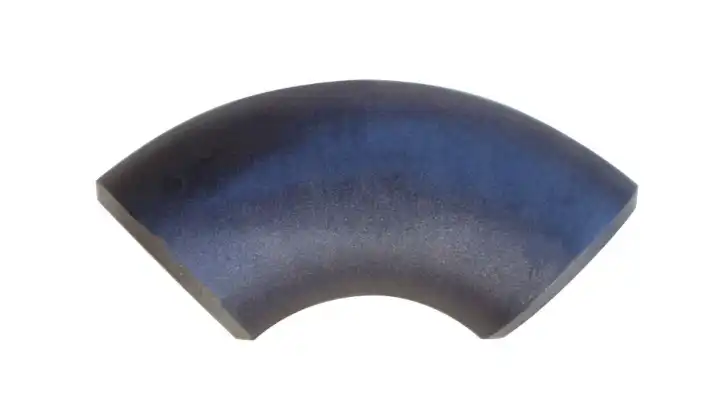
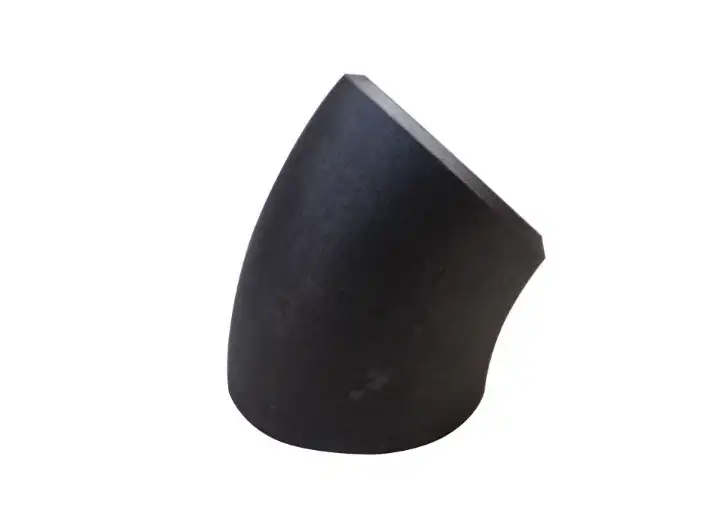
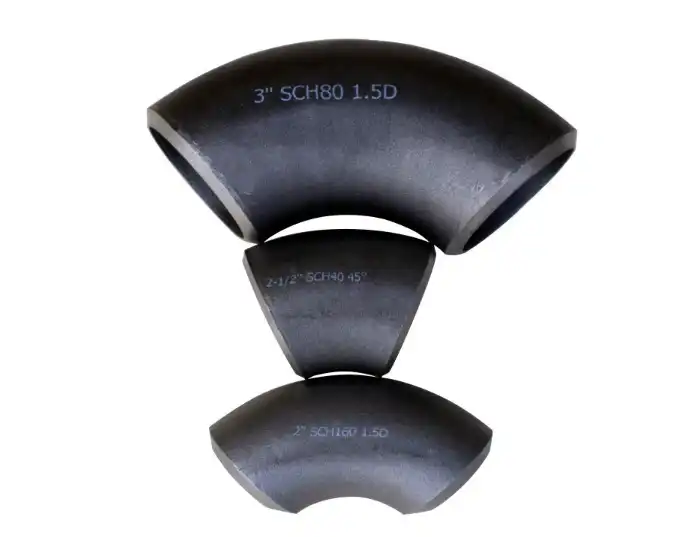
Water treatment carbon steel elbow products come in a range of sizes and styles, including 45-degree and 90-degree angles and short and long radius options. As a general rule, ASTM A234 WPB is used for butt-welding, and ASTM A105 is used for socket-welding parts. This set of rules makes sure that the new pipeline will connect to the old ones. They cover pressure classes from 150# to 2500#.
Elbows made of stainless steel follow the same ASTM A403 rules as wrought austenitic fittings. Most of the time, grades WP304L and WP316L are used to treat water. Ways of hot pressing are used during the production process to keep the grain structure whole. This makes sure that the fitting shape has the same mechanical qualities all the way through.
Certification and Performance Standards
Tough rules in the industry say that both types of materials must meet ASME B16.9 for sizes and limits and ASME B31.3 for design criteria for process pipes. Quality management systems that are approved by ISO 9001:2015 make sure that they meet foreign standards. Pressure tank parts can be made because they have special rights to make equipment.
The temperature range for carbon steel is -29°C to 427°C, and the pressure range is Class 150 to Class 2500. Most of the time, stainless steel models can handle a wider range of temperatures without losing their strength. Because of this, they can be used for many different types of water treatment in public, private, and specialized treatment sites.
Comparative Analysis: Carbon Steel Elbow vs Stainless Steel Elbow
Corrosion Resistance Performance
Carbon steel elbows need protective coats or cathodic protection systems to keep them from rusting in places where water is treated. It doesn't protect against rust very well at first, but the right surface treatments, like epoxy coats, galvanization, or fusion-bonded epoxy, can make it last a lot longer. Water treatment carbon steel elbow parts work well in neutral pH environments with controlled oxygen levels. This means they can be used in systems that send treated water to different places.
If you don't protect them in any other way, stainless steel elbows will not rust as easily as other materials. When the chromium oxide layer is damaged, it fixes itself on its own. This keeps chlorine, chloramine, and other cleaning chemicals from getting in. This built-in protection means that the coating doesn't need to be maintained, which saves money in the long run in tough water treatment settings.
Mechanical Strength and Durability
Carbon steel has a very high bending strength, usually more than 240 MPa. This means it can handle high pressures like those in reverse osmosis systems and networks that deliver a lot of water. Because the material is bendable, it can bend when the temperature changes and keep its shape when it is loaded over and over again. As long as the right design factors are taken into account, fatigue resistance is good enough for most water treatment jobs.
The mechanical strength of stainless steel is about the same as that of other metals. However, it wears less easily, especially when it is loaded and unloaded quickly. Because the steel has an austenitic structure, it is stronger when it is cold, so it can be used outside and handle temperature changes all year round. It is important to be careful that stress doesn't build up at the welded places when adding things that harden faster.
Cost Analysis and Economic Considerations
When you first buy them, carbon steel elbows generally cost 30–50% less than stainless steel parts that are the same. They are cheap, so they are a good choice for projects that need to save money. But the total costs over the lifetime must include fixes, new coverings, and the chance that something will need to be replaced early. In tough environments, carbon steel parts might need to be changed every 15 to 20 years. Stainless steel parts, on the other hand, generally last more than 30 years.
It's harder to do an economic study when you have to look at the costs of downtime, staffing needs, and how the system is affected. While stainless steel is a better choice when chemicals are tough to work with or when system availability is very important, water treatment carbon steel elbow installations that are properly maintained can achieve competitive lifecycle costs in controlled settings.
Decision Criteria for Choosing Between Carbon Steel and Stainless Steel Elbows
Environmental Factors and Water Chemistry
The pH level of the water has a big effect on the choices of materials. When the chlorine level is less than 2 parts per million and the pH is normal (6.5 to 8.5), carbon steel works best. It's possible for carbon steel surfaces to get pits if they haven't been cleaned, and acidic conditions make the rusting process go faster. These effects get worse when the weather changes, especially when doing things outside that can only be done at certain times of the year.
There is a lot of salt in the water, it's hot, and the pH level changes often. Grade 316L stainless steel does well in these conditions. It works even in chlorine water with levels above 4 parts per million, so it can be used for cleaning without thinking about breaking down. What aging and rust do to the two materials may be different when the flow speed is above 3 m/s.
Budget Constraints and Procurement Strategy
In order for project budgets to work, the initial capital costs and the ongoing costs of running the system must be added together. When you buy water treatment carbon steel elbow in bulk, you save money right away, which you can then use to buy other important parts of the system. Unit costs can be cut by 15 to 20 percent while quality and delivery times stay the same if you make deals with well-known sellers to buy in bulk.
Making an investment in stainless steel costs more at first, but it lasts longer and costs less to maintain. The total cost of ownership study should look at the energy costs that come with pressure losses, repairs, system downtime, and following rules, which might put long-term durability ahead of short-term savings.
Supplier Reliability and Lead Times
For normal setups, wait times can be shorter because carbon steel elbow suppliers that have been around for a while tend to keep more stock on hand. Most of the time, carbon steel products can be made faster than stainless steel products. This lowers the risk of buying them and speeds up the completion of projects. For quality to be consistent, the amount of approval of the service and the controls used in the production process are important.
When you buy stainless steel elbows, you need to be very picky about which sources you go with because the materials used must be able to be tracked, and the ways they are made are very specific. Lead times may be two to four weeks longer than for carbon steel options, so plans for projects need to be made ahead of time. On the other hand, premium companies often offer full material clearance packages that make it easier for regulators to approve.
Leading Suppliers and Brands of Carbon Steel Elbows for Water Treatment
Global Manufacturer Overview
There are only a few well-known companies in the water treatment business that have a track record of following the rules and keeping quality good. The people of Oudi, which is in China's most important fittings production hub, know how to treat water in the modern world. The company can produce more than 16,000 tons of goods each year and is ISO 9001:2015 certified, so it is big enough and has good quality control for big business and government tasks.
A lot of the time, foreign sellers have a lot of items that are compliant with ASTM, ASME, DIN, JIS, and BS codes. To make sure their water treatment carbon steel elbow products meet project needs, experienced manufacturers test them for hydrostatic pressure, check their dimensions, and analyze the materials they are made of.
Vendor Evaluation Criteria
To have good ties with suppliers, you need to check their quality control systems, licenses to make certain tools, and expert opinions. For important water treatment tasks, you need high-tech production tools like CNC machine centers, automatic welding systems, and the ability to test without damaging the thing being tested.
Being able to create is important for water treatment projects that need shapes, materials, or performance traits that aren't standard. The best companies have engineering support teams that can give technical advice, help with custom manufacturing, and give advice based on specific uses that make systems work better while staying within budget.
Procurement Best Practices
One way to save a lot of money is to buy in bulk. This will also make sure that you always have what you need for repairs. When you do master deals with qualified buyers, you get better prices, faster schedules, and quality rules that make it easier to buy at every stage of a project.
Some examples of important papers that need to be saved are material test records, dimensional inspection reports, and proof of pressure testing. Throughout the life of a water treatment plant, providers with full traceability systems and open conversation about quality help lower project risks and meet regulatory compliance goals.
Conclusion
If you need to choose between water treatment carbon steel elbows and stainless steel elbows for water treatment, you need to think about your scientific needs, the weather, and the cost. Carbon steel elbows are a good, low-cost choice for controlled settings that need regular upkeep. On the other hand, elbows made of stainless steel work better in places with strong chemicals. The right materials for the job will depend on the budget, the long-term goals of the business, and the purpose of the water treatment. At the end of the day, the choice is made by comparing the initial investment to the total costs over the life of the system. This is done by looking at how important the system is and how easy it is to keep up at each water treatment plant.
FAQ
What are the main differences between carbon steel and stainless steel elbows in water treatment applications?
Carbon steel elbows are better mechanically and cost less out of the box. But they need to be protected to keep them from rusting. It doesn't take extra care to keep stainless steel elbows from rusting, but they do cost more at first. The choice is based on the budget, the nature of the water, and how well the system can be maintained.
How long do carbon steel elbows typically last in water treatment systems?
There are places where carbon steel elbows can last 15 to 20 years if they are well taken care of and wear protective clothing. Service life is based on the type of water, how the temperature changes, and how well the repair program works.
What are typical lead times and minimum order quantities for bulk procurement?
It takes two to three weeks to get standard carbon steel elbows, and you need to buy at least 100 to 500 pieces, depending on the size and requirements. When you order something special, it could take up to 4 to 6 weeks. Popular sizes are usually kept in stock by sellers who have been around for a while, so they can send faster.
Which material performs better in high-chlorine water treatment environments?
If the chlorine level in the air is more than 2 parts per million, grade 316L stainless steel elbows work better than other types. Carbon steel needs special coatings or other ways to stay in shape when it comes into contact with dirty water.
Partner with Oudi for Premium Water Treatment Fittings
Oudi is a trustworthy company that has been making water treatment carbon steel elbows for more than 25 years and has worked on water treatment projects all over the world. For tough water treatment jobs, our factory makes high-quality elbows out of carbon steel and stainless steel that meet ASTM, ASME, and other standards. The factory is ISO 9001:2015 certified. We have good ideas that make systems work better while keeping within tight budgets. We can handle up to 16,000 tons a year, and we can try anything.
Email our team at oudi-04@oudiguandao.com to talk about your specific water treatment elbow needs. We give you unique prices, full technical specs, and fast shipping options. We also have strict quality control and are here for you after the sale. Let Oudi be your go-to company for cutting-edge pipe choices for treating water.
References
1. American Society of Mechanical Engineers. "ASME B16.9 - Factory-Made Wrought Buttwelding Fittings." ASME International Standards, 2018.
2. ASTM International. "ASTM A234 - Standard Specification for Piping Fittings of Wrought Carbon Steel and Alloy Steel." ASTM Standards, 2019.
3. Water Environment Federation. "Design of Municipal Wastewater Treatment Plants Manual of Practice No. 8." McGraw-Hill Professional, 2018.
4. Revie, R. Winston, and Herbert H. Uhlig. "Corrosion and Corrosion Control: An Introduction to Corrosion Science and Engineering." John Wiley & Sons, 2017.
5. American Water Works Association. "Steel Pipe Design and Installation Manual M11." AWWA Standards, 2020.
6. Chopra, O.K. and A.S. Rao. "Degradation of Piping Materials in Water-Cooled Nuclear Power Plants." Nuclear Engineering and Design, 2019.

Need help finding the right solution with our experts. Please contact us.

SINCE 1998 Your Reliable Pipeline Manufacturer



