Compare prices of different shipbuilding pipe elbow brands
When procurement managers compare the prices of different shipbuilding pipe elbow brands, they find that prices range from $15 to $50 for normal carbon steel elbows to $80 to $200 for more specialized stainless steel elbows. Top companies like Oudi, Shaw Group, and Anvil International offer reasonable prices that are based on the type of material, the need for approval, and the amount of work that needs to be done. The difference in prices is usually due to the quality of the making, approval (ASTM A234, ASME B16.9), and support services after delivery. Understanding these changes in prices helps buyers in the maritime industry find the best balance between cost-effectiveness and operating reliability. This makes sure that shipbuilding projects get the best value while still meeting the high-quality standards needed for marine settings.
Understanding Shipbuilding Pipe Elbows: Types and Specifications
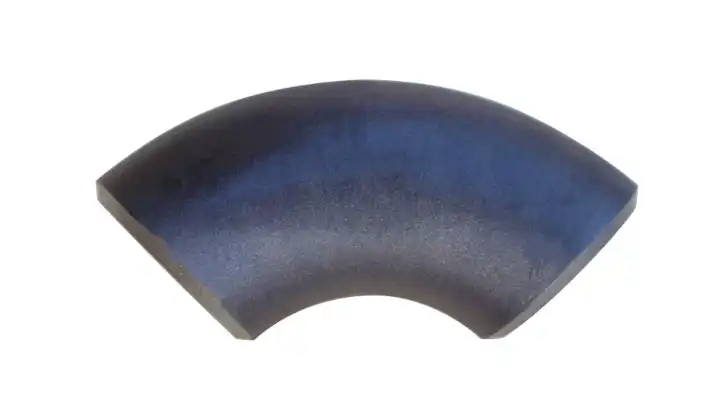
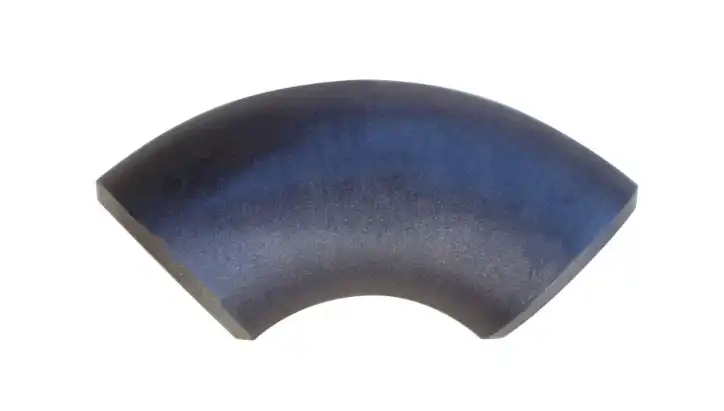
Shipbuilding pipe elbow components serve as critical directional connectors in marine piping systems that let fluid flow change directions at set angles. These special parts have to be able to handle the rough conditions at sea, such as rust from saltwater, very high and very low temperatures, and constant shaking from ships.
Material Classifications and Applications
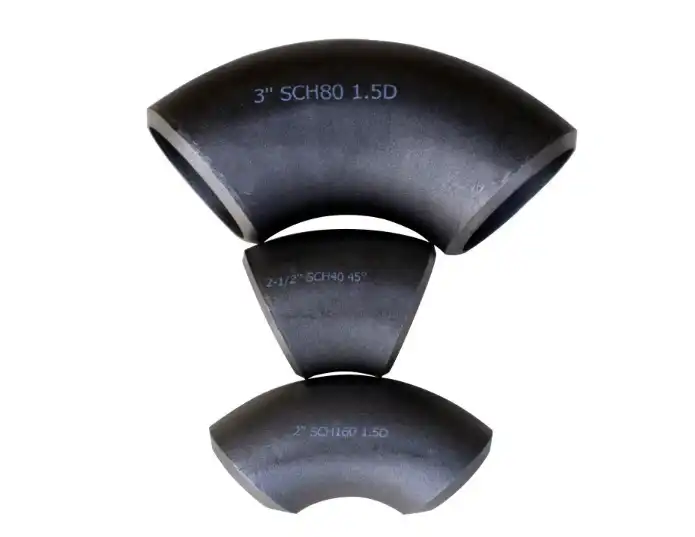
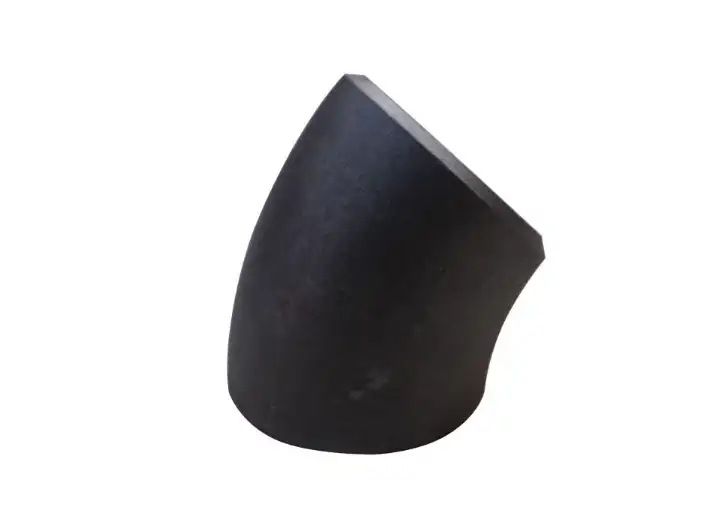
Marine-grade pipe elbows are made from three main types of materials, each of which is meant to meet particular operational needs. Carbon steel elbows, which usually meet ASTM A234 WPB standards, work well for a wide range of uses on ships, such as fuel lines and ballast systems. In hot forming methods, lines that are either seamless or bonded are heated and made into 45°, 90°, or 180° shapes.
Stainless shipbuilding pipe elbows, especially grades 316L and 304L, are better at resisting rust, which is important for systems that work in salt water and move chemicals. The process of making them includes either welding billets together without any seams or using a process called "seamless construction," which changes both the performance and price structures.
For high-pressure steam systems and specific naval uses that need higher strength-to-weight ratios, alloy steel elbows with chromium-molybdenum formulas are used. The price of these high-end products is higher, but they last longer in harsh settings.
Technical Specifications Affecting Performance
Pressure rates have a big effect on which elbow to buy and how much it costs. For marine uses, standard parts need to be rated between 150 and 600 PSI. Wall thickness requirements, which are based on ASME B36.10M standards, are closely related to how much the material costs and how much pressure it can handle. Long radius elbows (1.5D) make flow changes smoother and less turbulent, while short radius versions (1.0D) save room in tight shipboard installations.
Compliance with certification is another important requirement that affects both efficiency and cost. Marine applications usually need to be certified to American Bureau of Shipping (ABS), Lloyd's Register, or similar classification society standards. This adds to the cost of proof but makes sure that the application is safe to use and meets insurance requirements.
Price Comparison of Top Shipbuilding Pipe Elbow Brands
When marine industry procurement workers look at shipbuilding pipe elbow providers, they find that prices are not all the same. Cost differences are caused by factors like manufacturing capabilities, certification levels, and market positioning strategies.
Leading Manufacturer Price Analysis
Oudi Pipe Manufacturing has set prices that are low for carbon steel, stainless steel, and alloy steel. They can offer bulk discounts because they can produce 16,000 tons of steel each year. Their ISO 9001:2000 certification and special equipment manufacturing license make it possible for them to make things at a low cost while still meeting the high-quality standards needed for marine use.
European makers usually charge higher prices (20–35%) than Asian providers. This is because they have strict quality control and a wide range of certifications. Total cost study, on the other hand, shows that higher prices often make up for less upkeep and longer service intervals.
American makers put their products in the middle to high price range and stress that they follow ASME standards and have benefits in the domestic supply chain. As part of their pricing strategies, they often offer expert support services and faster shipping choices that are useful for shipbuilding projects that need to be finished quickly.
Cost Factors Influencing Price Variations
The quality of the raw materials has a big effect on the price of elbows. Certified mill test papers raise base prices by 5 to 15 percent while making sure that chemical makeup rules are followed. Different ways of making things also affect prices. For example, seamless elbows are 15–25% more expensive than welded ones because they can handle more pressure and don't have any weak spots in the join seams.
Manufacturers offer tiered discount systems, and the number of orders has a big impact on price talks. Bulk buys of more than 100 pieces usually get discounts of 10 to 20 percent. Long-term contracts can save you an extra 5 to 10 percent by guaranteeing a certain number.
Third-party inspection and licensing rules raise prices by 8–12% but are necessary for important marine uses to make sure the quality. These costs cover testing the materials, checking the sizes, and making the paperwork that marine classification groups need.
How to Choose the Right Shipbuilding Pipe Elbow for Your Project?
To choose the right marine pipe elbows, you need to take a close look at the project's operational factors, environmental conditions, and unique needs. These all have an impact on both performance and total ownership costs.
Project Requirements Assessment
Elbow selection is based on pressure and temperature factors, which need a thorough study of the system's working conditions, such as high pressures, thermal cycling, and emergency situations. Marine settings need parts such as a shipbuilding pipe elbow that can handle sudden changes in pressure caused by waves and thermal growth from heat sources in the engine room.
Elbow selection is based on pressure and temperature factors, which need a thorough study of the system's working conditions, such as high pressures, thermal cycling, and emergency situations. Marine settings need parts such as a shipbuilding pipe elbow that can handle sudden changes in pressure caused by waves and thermal growth from heat sources in the engine room.
Corrosion protection needs are very different depending on where they are used in ship systems. Areas that come into contact with saltwater need stainless steel or special coatings. On the other hand, carbon steel can be used in freshwater systems with the right safe treatments. When upkeep intervals and replacement schedules are taken into account, the difference in the original cost of the materials often turns out to be a good deal.
Flow characteristics affect the choice of elbow radius. For high-velocity uses, long radius designs are better, even though they cost more at first. Pressure drop estimates show that long radius elbows can cut the amount of energy needed for pumping by 15 to 20 percent. This saves money on running costs that more than make up for the higher price of the part over its lifetime.
Manufacturing Process Considerations
Seamless versus bonded construction is very important because it affects both function and cost. Seamless shipbuilding pipe elbow parts get rid of stress buildup at the weld seam, making the strength distributed evenly, which is important for high-pressure marine uses. Hot forming seamless pipes through mandrel pushing or induction bending is used in the production process. This makes parts with uniform wall thickness and better wear resistance.
Alternatives that are welded can be 20–30% less expensive than smooth options while still performing well enough for many naval uses. Modern welding methods, such as electron beam and friction welding, make joints that are very close to smooth in terms of performance. This means that welded elbows can be used in moderate-pressure situations.
The dependability of a part and its total cost of ownership are directly linked to the quality control methods used during production. When manufacturers use thorough inspection methods like ultrasound testing, dye penetrant examination, and pressure testing, they give parts with recorded performance characteristics that are needed for marine certification compliance.
Procurement Tips and Best Practices for Buying Shipbuilding Pipe Elbows
Getting marine pipe fittings right, including Shipbuilding pipe elbow, takes a strategic review of suppliers, quality control methods, and cost optimization techniques that make sure reliable component supply while keeping project costs low. Getting marine pipe fittings right, including Shipbuilding pipe elbow, takes a strategic review of suppliers, quality control methods, and cost optimization techniques that make sure reliable component supply while keeping project costs low.
Supplier Qualification and Certification Verification
Manufacturers that have been around for a while have a lot of certifications, such as ISO 9001 quality management systems, ASME Boiler and Pressure Vessel Code compliance, and approvals from marine classification societies. By checking these qualifications directly with certifying bodies, you can avoid buying parts that don't meet standards, which could delay projects and compromise safety.
Assessing a supplier's production capacity makes sure that they can meet project deadlines and number needs. Manufacturers whose yearly production capacity is more than 10,000 tons usually keep enough inventory on hand and make their production schedules flexible enough to meet the urgent delivery needs that come up in construction projects.
Both prices and transportation dependability are affected by where goods are sold and how well they can be moved. Suppliers with established distribution networks in major shipping ports can offer faster delivery and lower shipping costs, which is especially helpful for foreign shipbuilding projects that need to arrange the delivery dates of many parts.
Negotiation Strategies and Cost Optimization
By shipping pipe elbows in bulk, businesses can save a lot of money when they combine volumes from various projects. When you coordinate your elbow needs with other pipe fitting needs, you have more negotiating power and can get discounts from manufacturers for buying in bulk.
Talking about payment terms can help you save even more money, since makers often give discounts of 2% to 5% for early payment or approved letters of credit. These financial deals also make ties with suppliers stronger and make sure that orders are filled faster during times of high demand.
Long-term partnerships with qualified providers ensure capacity allocation and keep prices stable. These connections allow engineers to work together to help with unique requirements and give priority to urgent repair needs while the vessel is in operation.
Conclusion
Knowing how much different shipbuilding pipe elbow makers charge lets you make smart purchasing choices that balance how much something costs with how reliable it is in use. The choice of materials, the way they are made, and the credibility of the supplier all have a big impact on both the original prices and the long-term value propositions. A good purchase strategy focuses on carefully evaluating suppliers, making sure the quality of the goods is checked, and using smart buying methods that lower the total cost of ownership while still meeting marine industry standards.
FAQ
What are typical lead times for shipbuilding pipe elbow orders?
Standard shipbuilding pipe elbow lead times are 4 to 8 weeks for common specs. Lead times for unique materials or special certifications may be 10 to 12 weeks. Well-known companies like Oudi keep common sizes in stock so that pressing orders can be delivered in two to three weeks. You can pay an extra 15 to 25 percent above normal rates for faster handling.
How do seamless and welded elbows compare regarding cost and performance?
Seamless elbows cost 20 to 30 percent more than other types, but they last longer and can handle more pressure because the material qualities are more consistent. For moderate-pressure uses below 600 PSI, welded options are more cost-effective while still performing well enough. The choice is based on the unique pressure needs and the total cost of ownership, which includes how often repairs need to be done.
Can manufacturers provide custom specifications for unique shipbuilding requirements?
Manufacturers with a good reputation can make custom products for unique naval uses that require non-standard angles, material grades, and approval requirements. Custom orders usually come with a price increase of 10 to 15 percent and longer lead times of 10 to 14 weeks. Having engineering help with the development of specifications ensures that they meet marine standards and have the best performance qualities.
Partner with Oudi for Superior Shipbuilding Pipe Elbow Solutions
Oudi Pipe Manufacturing delivers exceptional value through our comprehensive shipbuilding pipe elbow product range, combining competitive pricing with ISO 9001:2000 approved quality management systems. Our yearly production capacity of 16,000 tons promises a stable supply chain support for maritime projects all over the world, and our special equipment manufacturing license ensures that we meet all international maritime standards. Talk to our expert team at oudi-04@oudiguandao.com about your project needs and find out why over 300 companies in 40 countries choose Oudi as their first choice for shipbuilding pipe elbows.
References
1. American Society of Mechanical Engineers. "ASME B16.9 Factory-Made Wrought Buttwelding Fittings." ASME International Standards, 2018.
2. International Organization for Standardization. "ISO 3419 Non-alloy and Alloy Steel Butt-welding Pipe Fittings." ISO Technical Committee, 2019.
3. American Bureau of Shipping. "Rules for Building and Classing Steel Vessels - Part 4: Vessel Systems and Machinery." ABS Publications, 2020.
4. Lloyd's Register. "ShipRight Design and Construction - Piping Systems." Lloyd's Register Group Limited, 2019.
5. Society of Naval Architects and Marine Engineers. "Marine Engineering Practices for Pipe Fitting Installation." SNAME Technical Publications, 2021.
6. Maritime and Port Authority. "Guidelines for Marine Piping System Certification and Quality Assurance." International Maritime Standards Board, 2020.

Need help finding the right solution with our experts. Please contact us.

SINCE 1998 Your Reliable Pipeline Manufacturer



