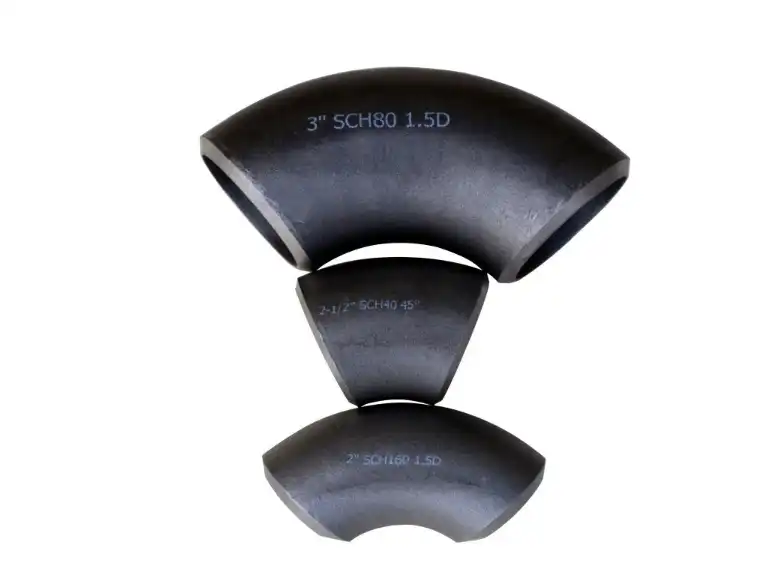
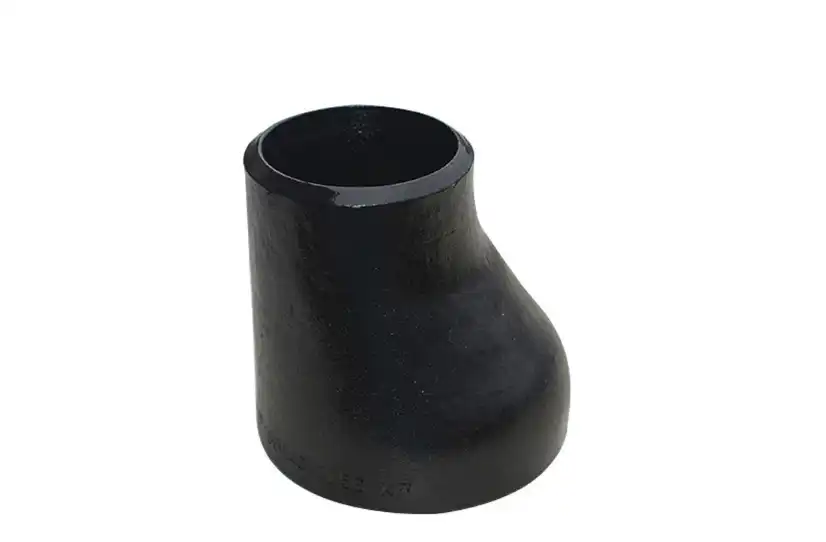
Concentric Reducer Carbon Steel Suppliers for Quality-Focused Projects
When engineers and procurement managers are searching for pipe fittings for oil, chemical, or natural gas systems, the selection of a supplier has a direct impact on project safety and budget. The concentric reducer carbon steel fittings are butt-weld fittings made to ASTM A234 WPB specifications and used to join pipes of various sizes along the same centerline axis. Since 1998, Oudi has been supplying these fittings to industrial customers in more than 40 Countries. We produce 16.000 tons per year and are ISO 9001 certified.
Understanding Concentric Reducer Carbon Steel: Specifications and Applications
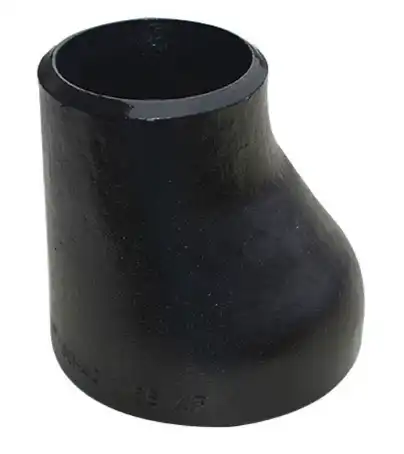
A carbon steel concentric reducer connects two differing bore-size pipe sections while maintaining both ends on the same central axis. The cone form allows for a symmetrical flow transition, which results in less turbulence and pressure loss in vertical pipe systems.
Design Standards and Dimensional Requirements
Most industrial projects need compliance with ASME B16.9, ANSI, DIN, JIS, or BS standards. ASME B16.9 sets the face-to-face length based on the greater pipe diameter, guaranteeing interchangeability between manufacturers. For wall thicknesses less than 22 mm, the normal bevel angles are 37.5° ± 2.5°. For larger walls, a compound bevel is used for deep-penetration welding. These dimension standards maintain system integrity and facilitate field assembly.
Material Grades and Pressure Ratings
Carbon steel grades such as ASTM A234 WPB and WPC are rated for service temperatures from −29°C to 538°C with Class 2500 pressure ratings depending on schedule. The grade choice is dependent on the operating pressure, kind of fluid, and range of temperature. Typically, engineers may design a heavier schedule for high-pressure steam lines or gas transmission to match the downstream pipe walls and to avoid stress concentrations at the weld junction.
Seamless vs. Welded Manufacturing
Seamless reducers, hot-formed from one billet, have a consistent grain structure for use in high-pressure and high-temperature duty. Welded (formed) reducers are manufactured from plate and are used for water conservancy and construction applications when the operating pressure is minimal. Oudi is involved in both categories and performs thorough inspection and non-destructive fault identification from the reception of raw materials to the shipping of the final products.
Comparing Concentric Reducer Carbon Steel with Alternatives: Making the Right Choice
Choosing the improper reducer type or material grade might cause flow difficulties and added maintenance expenses. Knowing the practical differences helps procurement teams avoid costly rework.
Concentric vs. Eccentric Reducers
For vertical pipelines and pump discharge lines, a concentric reducer is the proper solution, since it maintains the centerlines of both pipes in alignment. Eccentric reducers are used to offset the centerlines to maintain one side level. This is to minimize air pocket buildup in horizontal pump suction lines. A concentric fitting on a horizontal suction line can trap air in the top of the reducer and cause cavitation, which will harm the pump impellers. Selecting the correct shape initially safeguards equipment and prevents unnecessary downtime.
Carbon Steel vs. Stainless and Alloy Steel
Concentric reducer carbon steel provides the best strength-to-cost ratio for oil, gas, and water systems working under conventional temperature and pressure environments. Carbon steel would fail prematurely in chemical processing conditions, whereas stainless steel resists chloride corrosion. For example, alloy steel grades (which include chromium-molybdenum compositions) are used for dealing with increased temperatures in boiler and power production systems. For large-scale infrastructure projects when hundreds of fittings are needed, carbon steel generally achieves the performance desired at a fraction of the cost of alloy alternatives.
Standard vs. Lightweight Carbon Steel Options
The wall thickness of standard schedule carbon steel fittings provides high-pressure service and extended service life. Lightweight choices lower the handling weight after installation in large-diameter water conservancy projects, but need rigorous pressure rating verification. Thinner walls are more vulnerable to external corrosion over time, and this may increase inspection frequency and replacement costs during the service life of the pipeline. Maintenance teams should be aware of this.
How to Choose Reliable Concentric Reducer Carbon Steel Suppliers
Your choice of supplier may make or break your project in terms of time and specification. Here are the main characteristics procurement teams are always looking at:
- Certification check 1. Verify whether the supplier has ISO 9001 certification and a special equipment manufacturing license, if appropriate. Oudi carries both and has recorded documentation for project quality submittals.
- Manufacturing capacity and lead time: Suppliers like Oudi, with an annual output of 16,000 tons, can handle large orders without the manufacturing bottlenecks that often delay building timetables.
- Standards and materials might vary: Projects in the USA, Europe, or the Middle East may need to comply with ANSI, DIN, JIS, or BS. Oudi provides carbon steel, stainless steel, and alloy steel fittings under all four standard families.
- Quality control transparency: Seek suppliers that use complete inspection systems and non-destructive testing at every level of manufacturing, not only at final inspection.
These are the differentiators between reliable partners and transactional providers. Oudi has serviced over 300 customers in more than 40 countries, including Europe, North and South America, and Southeast Asia and the Middle East. This export track record is a reflection of a constant quality management system, not a one-off triumph.
Different pricing systems are used by wholesale wholesalers and direct manufacturers. For EPC contractors and industrial plant projects, if the fitting numbers are in the thousands, buying directly from a qualified manufacturer such as Oudi means eliminating middleman markups.
Installation and Maintenance Best Practices for Carbon Steel Concentric Reducers
Correct installation protects the fitting investment and prevents early failure. I recommend following these field-tested practices:
- Welding preparation: Clean the bevel face to bare metal before fit-up. Verify that the weld bevel matches the pipe schedule, and use a qualified weld procedure specification (WPS) in line with ASME Section IX to ensure full penetration at the joint.
- Stress and support considerations: Position supports close to the concentric reducer carbon steel to avoid bending stress at the weld joint. In thermal cycling systems, allow for expansion loops rather than relying on the reducer connection to absorb movement.
- Corrosion prevention: Apply a compatible coating or lining on the external surface in corrosive soil or marine environments. Internal coatings are appropriate for water systems where flow velocity and chemistry promote wall thinning.
After installation, a scheduled inspection program maintains system reliability. Visual checks every six months catch surface corrosion early. Ultrasonic thickness testing on a two-year cycle monitors wall thinning in erosive services such as slurry or high-velocity gas lines. Prompt attention to minor leaks at weld joints prevents progressive cracking in pressurized systems. These maintenance habits extend service life and protect the broader pipeline investment.
Ensuring Quality-Focused Project Outcomes with the Right Product and Supplier
The key to a satisfactory result is matching your reducer specs to the actual circumstances of operation. Procurement should be based on pressure rating, temperature range, and material compatibility in accordance with system design documentation. Vendors that can provide bespoke sizing and rapid responses to technical questions may dramatically reduce the pre-order period.
The latest improvements in hot-formed carbon steel reducer production provide enhanced dimensional consistency and surface polish that lower weld repair rates during field installation. The mechanical qualities and corrosion resistance at the interface of the pipe-reducer are improved by treatments of the material, such as shot blasting and controlled heat treatment. When you partner with a manufacturer that invests in these production enhancements, you will have fewer non-conformances on your job site.
Year after year, consistent product quality from suppliers helps to extend the life of infrastructure investments. Oudi has been in operation since 1998. Through the years, our quality management system has been continually supporting clients in petroleum, chemical, natural gas, water conservancy, shipbuilding, electric power, and boiler manufacture. That operating history means predictability for the supply chain for your future project.
Conclusion
Concentric reducer carbon steels are precisely constructed fittings used to manage flow transition, safeguard equipment, and preserve structural alignment inside industrial piping systems. The right grade, production method, and dimensional standard are as crucial as the supplier relationship itself. Oudi has 16,000 tons of yearly production capacity, 26 years of certified manufacturing expertise, and a reputation for worldwide export with every order. Our staff is here to help you if you need quality-checked carbon steel pipe fittings for your project at a budget-friendly price range.
FAQ
1. What is the difference between a concentric and an eccentric reducer?
A concentric reducer aligns the centerlines of both pipe ends, creating a symmetrical cone shape. An eccentric reducer offsets the centerlines so one side stays flat. Concentric reducers suit vertical pipelines and pump discharge applications; eccentric reducers suit horizontal pump suction lines where air pocket prevention is required.
2. What standard governs concentric reducer face-to-face dimensions?
ASME B16.9 sets the face-to-face length based on the larger pipe diameter, which ensures interchangeability across manufacturers.
3. Which carbon steel grade is most common for industrial reducers?
ASTM A234 WPB covers the widest range of industrial applications, handling service temperatures from −29°C to 538°C. WPC applies to higher-strength requirements within similar temperature ranges.
4. Does wall thickness change across the reducer body?
Typically, wall thickness matches the larger pipe schedule. In high-pressure applications, manufacturers may taper the bore at the smaller end to match the downstream pipe wall, a practice known as bore-to-match.
5. How do I verify a supplier's quality credentials?
Request copies of the ISO 9001 certificate and any special equipment manufacturing license, then confirm their validity with the issuing body. Oudi provides documentation upon request for all projects.
Partner with Oudi for Verified Concentric Reducer Carbon Steel Manufacturer Supply
Oudi has delivered certified carbon steel pipe fittings to clients across more than 40 countries since 1998. Our 16,000-ton annual capacity, full non-destructive testing protocol, and compliance with ANSI, DIN, JIS, and BS standards make us a dependable source for your next project. Contact our team directly at oudi-04@oudiguandao.com to request product specifications, certifications, or a bulk pricing quote for concentric reducer carbon steel fittings.
References
1. ASME International. ASME B16.9: Factory-Made Wrought Buttwelding Fittings. 2018.
2. ASTM International. ASTM A234/A234M: Standard Specification for Piping Fittings of Wrought Carbon Steel and Alloy Steel for Moderate and High Temperature Service. 2022.
3. American Petroleum Institute. API 570: Piping Inspection Code — In-Service Inspection, Rating, Repair, and Alteration of Piping Systems. 2016.
4. Nayyar, Mohinder L. Piping Handbook, 7th ed. McGraw-Hill. 2000.
5. Becht, Charles. Process Piping: The Complete Guide to ASME B31.3, 4th ed. ASME Press. 2019.
6. Evans, John. Pipe and Tube Fittings: Manufacturing and Quality Standards in the Global Market. Industrial Press. 2015.

Need help finding the right solution with our experts. Please contact us.
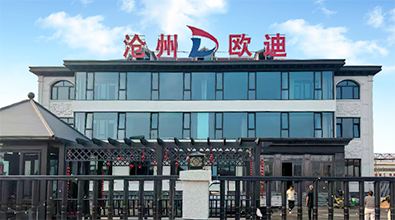
SINCE 1998 Your Reliable Pipeline Manufacturer