Concentric Reducer Carbon Steel vs Stainless Steel Differences Guide
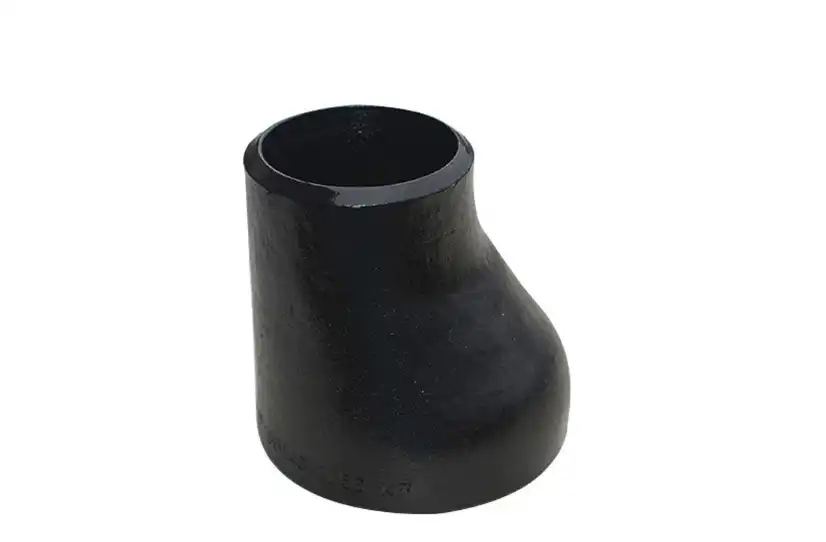
When choosing pipe parts for industrial systems, it is very important to know how the materials work. A Concentric Reducer Carbon Steel fitting joins two pipes of different sizes while keeping their centerlines the same. This makes a cone-shaped transition that is perfect for vertical pipe uses. Different types of carbon steel, especially those made to ASTM A234 WPB norms, offer solid structural performance at low costs. Stainless steel options are more resistant to rust, but they cost more. This guide talks about the technical and purchasing differences between these materials. It does this to help B2B decision-makers choose the best option for their needs and budget.
Understanding Concentric Reducers: Basics and Specifications
Operational Principles and Flow Dynamics
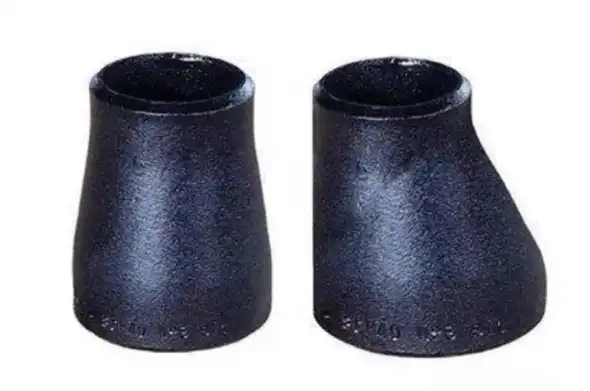
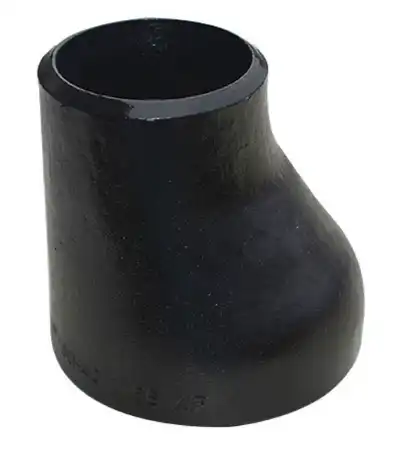
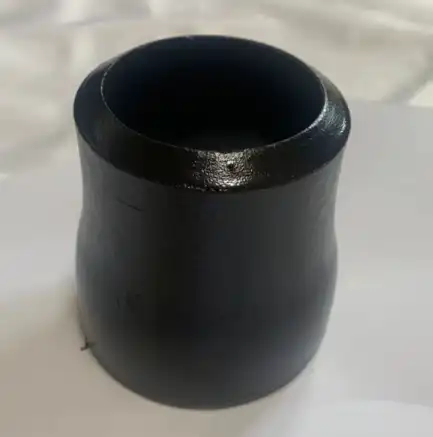
The intake and exit of a Concentric Reducer Carbon Steel share the same line, which means that the diameter reduction is symmetrical. This shape makes sure that the fluid flows easily from bigger to smaller pipe parts, keeping the flow speed constant along the centerline. The cylindrical shape reduces turbulence more than sudden changes in diameter, which lowers friction losses and stops corrosion at transition points. This matched design is great for vertical steam lines, gas distribution networks, and pump discharge systems because it makes structural support easier and keeps stress from building up at connection points.
Material Grades and Standards Compliance
Concentric Reducer Carbon Steel fittings made to ASTM A234 WPB standards can be used for a wide range of tasks and can withstand temperatures up to 400°C. These parts meet the dimensions required by ASME B16.9, which means they can be used by different makers. The marking "WPB" means that the steel is normalised carbon steel that has predictable mechanical qualities that make it good for mild pressure systems. Stainless steel types usually meet ASTM A403 standards. Grade 304 is good for general commercial use because it doesn't rust, but Grade 316 is better for settings with a lot of chloride or in the sea. After forming, both types of materials must go through a required heat treatment to repair the microstructure and get rid of any leftover stresses.
Dimensional Parameters and Pressure Ratings
As shown in the ASME B16.9 tables, standard Concentric Reducer Carbon Steel fittings have set face-to-face lengths that are based on the outer diameter of the bigger pipe. The wall thickness is based on the pipe rate grades, and in most cases, the thickness stays the same all the way through the fitting body. Scheduling numbers from Sch 10 to Sch 160 can be used for different pressure needs. Walls that are higher on the schedule provide greater pressure control. Bevelled ends that are machined to 37.5° ±2.5° make it easier to prepare for welding, but for deep penetration welding on bigger wall sections, complex bevels may be needed. Understanding these size limitations is important for planning the layout of the system and figuring out the order of installations.
Carbon Steel vs Stainless Steel Concentric Reducers — A Comparative Analysis
Mechanical Properties and Temperature Tolerance
The tensile strength of Concentric Reducer Carbon Steel fittings is usually between 415 and 585 MPa, which is strong enough for most industrial pipe systems. These fittings work regularly in temperature ranges from -29°C to 400°C, which includes normal process conditions in places that refine oil, make chemicals, and make electricity. Stainless steel alternatives have better tensile strength than other materials, topping 515 MPa, while still being able to bend at a wider range of temperatures, from -196°C for cryogenic uses to 870°C for high-temperature work. The austenitic structure of grades 304 and 316 makes them very tough without having brittle transition temperatures. This is a big plus for buildings that go through heat cycles.
Corrosion Resistance and Service Life
In acidic conditions, the main difference between these materials becomes clear. When Concentric Reducer Carbon Steel fittings are exposed to water, acidic chemicals, or corrosive process fluids, they need protective layers or cathodic protection. Unprotected carbon steel oxidises faster when the temperature and humidity rise, so it needs to be inspected and maintained regularly. The chromium in stainless steel creates an inactive oxide layer that heals itself when it gets scratched. This layer protects against rust naturally, without the need for extra coatings. Grade 316 stainless steel has molybdenum added to it, which makes it much more resistant to pitting and crevice rust caused by salt. This means that it will last longer in harsh chemical processing and marine uses. Because it lasts longer, it needs less upkeep and costs less over its lifetime, even though it costs more at first.
Cost-Efficiency and Material Availability
Material prices are one of the most important things that buyers think about when making choices. Most of the time, Concentric Reducer Carbon Steel fittings are 30–50% less expensive than stainless steel equivalents. This makes them a good choice for projects that need to stay within budget or where rust isn't a big problem. Carbon steel is easy to get from many suppliers around the world, so prices are low and wait times are short, even for big orders. The price of stainless steel changes based on the market values of nickel and chromium. This causes costs to vary, so it's important to plan your budget carefully. In corrosive service conditions, however, stainless steel is often more cost-effective when lifetime costs are taken into account, which include upkeep, replacement frequency, and system downtime. Projects in oil refineries that deal with sour fuel, chemical plants that deal with acidic compounds, or water treatment plants that deal with filtered wastewater often make the extra cost of stainless steel worthwhile by making parts last longer.
Application-Specific Material Selection
Concentric Reducer Carbon Steel fittings are often used in dry gas compression systems, crude oil transfer lines and process streams that don't corrode. Chemical companies choose carbon steel for moving large materials and handling solvents at room temperature, where contact with toxic agents is restricted. Carbon steel fittings are used in freshwater delivery networks and irrigation systems as part of water conservation projects. On the other hand, pharmaceutical factories, food processing plants, and seaside desalination plants that have to deal with contaminated products or harsh weather conditions must use stainless steel. Stainless steel is the only material that can be used for important pipe systems in shipbuilding that are exposed to seawater. On the other hand, high-purity water at high temperatures is what power generation boiler feedwater systems need to be made of.
Comparative Insights on Procurement and Supplier Selection
Price Structures and Volume Considerations
When purchasing managers look at Concentric Reducer Carbon Steel fittings, they need to think about both number savings and price differences caused by materials. The price of carbon steel reducers goes down as more are ordered because makers try to make the most of their production runs for standard grades and sizes. When you buy more than 10 tonnes at once, you can usually get 15 to 20 per cent off the base price. Getting stainless steel has more complicated cost structures that are affected by extra charges for raw materials, checking the metal makeup, and special handling needs. For stainless steels, the minimum order quantity might be higher, especially for non-standard sizes or specialised types like duplex stainless steels. Suppliers with a lot of experience offer clear price formulas that take into account the type of material, the range of sizes available, the schedule rating, and the amount of the order. This lets you accurately model costs during the planning stages of a project.
Certification and Quality Assurance Standards
Industrial pipe projects need to be able to rigorously track materials and check their performance. Reliable providers give mill test papers that show the chemical makeup, mechanical properties, and heat treatment history for each batch of production. ISO 9001:2015 approval means that quality management systems have been set up to control everything from buying raw materials to doing the final check. The Special Equipment Manufacturing License from the People's Republic of China proves that pressure vessels and pipes are made in accordance with the rules. This is especially important for parts that are used in high-pressure systems. For important service uses, procurement requirements should require non-destructive testing, such as ultrasound examination and radiographic inspection. Suppliers with their own testing labs that are equipped with spectrometers, tensile testing tools, and hardness testers can verify materials more quickly, which speeds up project plans.
This complete quality infrastructure can be seen at Oudi's factory, which has kept its ISO 9001 approval since putting in place full-process quality control tools. Our 66,600-square-meter production centre has high-tech inspection tools that can meet a wide range of foreign testing standards. We have structured quality checkpoints that make sure every Concentric Reducer Carbon Steel meets the standards before it is shipped. These checkpoints include verifying the raw materials as they come in and inspecting the finished product's dimensions.
Customisation Capabilities and Lead Times
Standard Concentric Reducer Carbon Steel fittings can handle most diameter changes and scheduling rates, but for unique jobs, custom designs are often needed. Manufacturers who can do so can work with non-standard size combinations, different material grades, and wall thicknesses that are between what is listed in the catalogue. Shorter customisation processes are good for carbon steel reducers, but they usually add two to three weeks to normal lead times. Custom orders made of stainless steel may take an extra 4 to 6 weeks longer than usual because of the need to find special materials and follow extra testing procedures. Keeping a wide range of raw materials in stock by suppliers cuts down on these delays, giving time-sensitive projects a competitive edge. Communication responsiveness during the quote phase shows how well-run a supplier's business is—a quick technical explanation and thorough proposal creation show well-organised internal processes that lead to reliable delivery performance.
Installation, Maintenance, and Performance Optimisation
Proper Installation Procedures
To install a Concentric Reducer Carbon Steel correctly, you must first make sure that the connected lines and reducer ends are the right size and on the right schedule. According to AWS D1.1 or ASME B31.3 welding processes, welders must prepare bevelled surfaces by getting rid of mill scale, rust, and other contaminants that are less than 25 mm from the weld joints. When tack welding, the right alignment tools keep the pieces concentrically aligned, which stops the rotational mismatch that causes stress clusters. When temperatures drop below 0°C or when bonding heavy wall sections, Concentric Reducer Carbon Steel fittings need to be heated to 95–205°C first. This lowers the risk of hydrogen-induced cracking. In vital services, carbon steel fittings must go through a post-weld heat treatment. This removes any leftover stresses that could cause fatigue cracks. Stainless steel installation requires strict cleaning rules to keep carbon steel from getting into the steel, which weakens its resistance to rust. Stainless steel brushes and grinding tools must be used throughout the manufacturing process.
Maintenance Protocols and Inspection Schedules
Concentric Reducer Carbon Steel care is mostly about checking for corrosion and making sure the protective covering stays in place. Every year, visual checks find surface oxidation, covering degradation, or physical damage that needs to be fixed. Ultrasonic thickness tests, every three to five years, help figure out how long a structure will still be useful by measuring how much of its wall is being lost. Facilities that use carbon steel systems use rust inhibitor programs or cathodic protection when needed, which makes parts last longer. Stainless steel reducers don't need much upkeep other than being looked at every so often to make sure they don't have any stress corrosion cracks or chloride-induced pitting. Passivation methods that restore the protective chromium oxide layer after manufacturing are helpful for systems that handle process fluids that contain chlorides. Both types of materials need to be hydrostatically tested before they can be used for the first time and again after any repairs are made to make sure they can hold pressure and the joints are solid.
Pressure Rating Considerations and Safety Compliance
The pipe plan, material grade, and service temperature determine the rated pressure of a Concentric Reducer Carbon Steel. The ASME B31.3 Process Piping Code has tables that show how pressure and temperature are related. As the temperature rises, the allowed stress numbers go down. When the temperature goes above 400°C, the full pressure limit of carbon steel WPB joints drops. Stainless steel types have flatter strength curves across a wider range of temperatures, which means they can handle higher loads when they are heated. Tolerances for manufacturing, corrosion, and mechanical loads from temperature expansion are all taken into account by safety factors that are built into code formulas. The working conditions must be made clear in the procurement specs so that suppliers can suggest the right schedule ratings. Facilities that have to be inspected by their local government should make sure that the reducers they use are in line with the rules for pressure equipment in their area and get the paperwork they need to send to the government.
Making the Right Choice: Decision Support for B2B Buyers
Evaluating Performance Requirements Against Budget Constraints
The first step in the material selection process is to describe the service conditions, such as the type of fluid, the working temperature, the pressure that must be met, and the projected service life. Concentric Reducer Carbon Steel is more cost-effective when used in projects with fluids that don't corrode, reasonable temperatures, and easy-to-reach repair windows. The 40–60% cost savings on buying materials free up money that can be used for other parts of the system or to broaden the scope of the project. Alternatively, stainless steel is a good choice for places that are likely to rust, where upkeep can't be easily accessed, or where the product will be used for a long time before it needs to be replaced. Using lifecycle cost modelling to look at things like material costs, installation labour, upkeep regularity, replacement intervals, and system downtime can help you make fair comparisons. Discount rate assumptions and planning horizons have a big effect on these figures. For example, 20-year project lives often show that stainless steel is more cost-effective than other materials.
Industry-Specific Recommendations
Concentric Reducer Carbon Steel fittings are used in oil processing units, vacuum distillation systems and hydrocarbon storage stations where the process conditions are within the range of what carbon steel can handle. Chemical factories use a mix of methods, choosing carbon steel for tasks that don't require a lot of strength and stainless steel for tasks that need to handle acidic, caustic, or halogenated compounds. Cost goals are met for water conservation projects that build irrigation networks, flood control systems, and structures for distributing fresh water by using carbon steel with the right finishing systems on the outside. Shipbuilders only use stainless steel for pipe systems that will be exposed to marine environments or the ocean, even if it means paying more for better performance. In power plants that make electricity, carbon steel is used for low-pressure support services and stainless steel is used for boiler feedwater systems and wastewater pipes. Concentric Reducer Carbon Steel is useful for many things in construction projects, like HVAC systems, fire protection networks, and basic pipes.
Long-Term Value Considerations
Procurement experts with a lot of experience know that the original purchase price is only one part of the total cost of ownership. As rust wears away at the walls of Concentric Reducer Carbon Steel systems, protected coatings need to be applied and reapplied on a regular basis. Eventually, the systems need to be replaced. For these upkeep tasks to be done, systems have to be shut down, work has to be stopped, and labour costs add up over the lifecycle of an asset. Because stainless steel doesn't need much upkeep, it keeps production capacity up by reducing operating disruptions and delaying the need to replace capital. Facilities that run continuous processes and where unexpected downtime means big income losses really value how reliable stainless steel is. As businesses try to be more environmentally friendly, they choose materials that are better for the environment. For example, stainless steel has a longer service life and can be recycled, which is in line with the ideas of the circular economy and reduces the amount of materials used and trash made over the course of a project's lifetime.
Conclusion
When choosing between Concentric Reducer Carbon Steel and stainless steel fittings, you have to think about how well they work technically, how well they work with the environment, and how much they cost for each purpose. Carbon steel reducers are reliable and cost-effective for general commercial uses where the risk of rusting can be controlled with safety measures. Stainless steel versions last longer and need less upkeep in harsh chemical, sea, and high-purity environments, which makes them worth the extra money. Instead of just looking at the price of the materials at the beginning, good buying plans take into account how much they will cost over their whole life, including repairs, replacements, and any effects on operations. Choosing the right materials isn't important; what matters is working with certified makers who offer full testing services, expert support, and reliable delivery.
FAQ
Can carbon steel reducers withstand corrosive environments?
Without safety steps, Concentric Reducer Carbon Steel fittings don't stand up well to corrosive agents. In places where acidic chemicals, chloride exposure, or high humidity are present, corrosion rates are sped up. This means that external coats, corrosion inhibitors, or switching to stainless steel are needed. Hydrogen sulfide-containing sour service settings need to follow NACE MR0175, which sets limits on hardness to stop sulfide stress cracks.
What pressure ratings apply to standard carbon steel concentric reducers?
Ratings for pressure rely on the material grade, schedule thickness, and working temperature. According to the ASME B31.3 tables, ASTM A234 WPB Concentric Reducer Carbon Steel fittings in Schedule 40 design can handle pressures up to 2.0 MPa at room temperature. However, their values drop as the temperature rises. Schedule 80 and larger versions can handle higher pressures that are related to thicker walls.
How do lead times compare between carbon steel and stainless steel options?
Standard-sized Concentric Reducer Carbon Steel fittings usually ship within 3–4 weeks from sources that keep them in stock. Custom setups add 5 to 7 weeks to the wait time. Because of the special materials needed and the extra testing procedures, stainless steel items take 5–6 weeks for regular orders and 8–10 weeks for custom orders. Orders for a lot of items may make these dates longer, depending on how much production space is needed.
Partner with Oudi for Certified Concentric Reducer Solutions
Oudi has been making Concentric Reducer Carbon Steel and stainless steel parts for over 25 years, working with businesses all over the world. Our yearly production capacity of 16,000 tonnes lets us handle projects of all sizes, from small custom orders to large-volume supply contracts. We keep a large stock of materials, such as ASTM A234 WPB carbon steel and SS304/316 stainless grades, so we can quickly meet pressing needs. Our dedication to quality security at every stage of production is shown by our ISO 9001 certification and verification of our Special Equipment Manufacturing License. Ultrasonic testing and spectroscopic analysis are two examples of advanced inspection tools that make sure all goods are accurate in terms of size and can be tracked back to their source. According to your working conditions and budget, our engineering team can help you choose the best materials by giving you expert advice. Contact our experts at oudi-04@oudiguandao.com to talk to a skilled Concentric Reducer Carbon Steel pipe fittings maker about your needs. We offer reasonable prices, follow all certification rules, and provide a reliable supply that meets your buying goals.
References
1. American Society of Mechanical Engineers. (2020). ASME B16.9: Factory-Made Wrought Buttwelding Fittings. New York: ASME Press.
2. ASTM International. (2021). ASTM A234/A234M: Standard Specification for Piping Fittings of Wrought Carbon Steel and Alloy Steel for Moderate and High Temperature Service. West Conshohocken: ASTM International.
3. Basu, S., & Debnath, A. K. (2019). Power Plant Instrumentation and Control Handbook: A Guide to Thermal Power Plants. Cambridge: Academic Press.
4. Ellenberger, J. P. (2018). Piping and Pipeline Calculations Manual: Construction, Design, Fabrication and Examination. Oxford: Butterworth-Heinemann.
5. Mohitpour, M., Golshan, H., & Murray, A. (2007). Pipeline Design & Construction: A Practical Approach (3rd ed.). New York: ASME Press.
6. Nayyar, M. L. (Ed.). (2019). Piping Handbook (8th ed.). New York: McGraw-Hill Education.

Need help finding the right solution with our experts. Please contact us.
SINCE 1998 Your Reliable Pipeline Manufacturer