Corrosion of Carbon Steel Pipes: Causes, Prevention, and Solutions
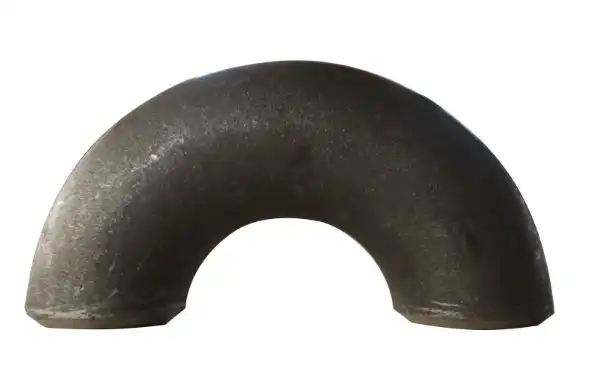
Industrial activities in the oil, gas, chemical, and water treatment sectors are in danger because Anti-corrosion carbon steel elbows corrode, causing structural failures, unexpected downtime, and safety risks. Understanding how corrosion works and putting in place good safety methods are the answers. Specialized anti-corrosion elbow joints made of carbon steel that don't rust are very important for protecting pipeline bends where flow turbulence and changes in direction speed up corrosion. They combine strong engineering with advanced protective coats to keep the system's integrity and extend its useful life.
Introduction
Carbon steel pipes are still an important part of industrial structures around the world. Because of how strong they are compared to how much they cost, they are essential for projects that refine oil, process chemicals, distribute natural gas, and protect water. These parts are used in many fields, from construction to engineering, to move fluids, gases, and slurries in tough circumstances. Still, rust is a constant danger that weakens pipelines, requires costly fixes, and puts workers' safety at risk.
Following many years of manufacturing experience, Oudi has learned that pipeline bends are the weakest parts of any pipe system. Because of the rough flow patterns, directional stress, and greater wall contact, elbows are more likely to rust quickly. Because of this, we've come up with unique protection solutions that deal with these specific problems. Our anti-corrosion carbon steel elbow products combine advanced coating technologies with metallurgical know-how to give industry customers reliable performance in places like chemical processing plants and offshore platforms that are prone to rust.
Corrosion isn't just something you learn in school; it has a direct effect on business budgets, project timelines, and following the rules. A NACE International study shows that rust costs the world economy about 3.4% of its GDP every year. Pipelines are responsible for a big chunk of these losses. Facility managers can dramatically cut down on maintenance cycles and avoid catastrophic breakdowns by using strategic corrosion management strategies and choosing parts that are properly protected.
Understanding Corrosion in Carbon Steel Pipes
Corrosion is the electrical breakdown of metal that happens when it is exposed to the air. Carbon steel is a metal mostly made up of iron, carbon, and a few other elements. It oxidizes when air and water start galvanic reactions. This process puts polished metal back into its natural oxide state, which is like how iron ore forms in nature.
Types of Corrosion Affecting Industrial Piping
Depending on the climate and the way the pipes are used, different types of corrosion damage them. Uniform rust breaks down metal surfaces in a way that is pretty consistent across the metal. This makes it predictable and easy to deal with by doing regular checks. Pitting rust makes small holes in the pipe wall that go deep inside and are usually not noticeable from the outside until they break. Crevice rusting happens in protected places where corrosive agents build up because of still conditions. When metals that are not the same touch each other in a solution, they create electrical potential differences that speed up the loss of metal. This is called galvanic corrosion. Stress-rust cracking happens when tension stress and corrosive surroundings come together, breaking even the most flexible materials into brittle pieces.
Why Elbows Face Unique Corrosion Challenges
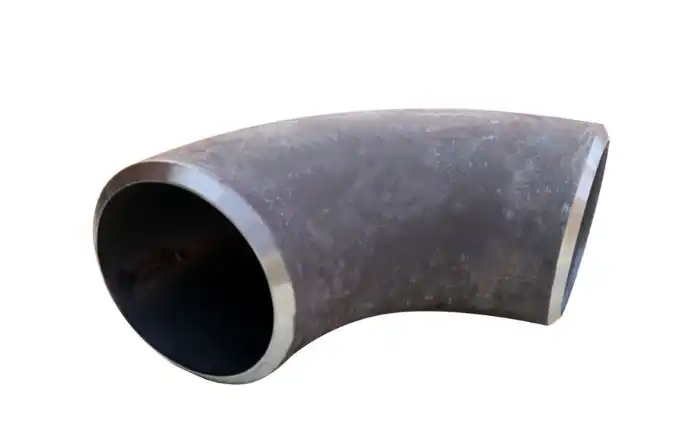
There are a number of reasons why carbon steel pipe bends experience faster corrosion than straight parts. When fluid flows in a curve, it changes direction, which creates turbulence that breaks up protective border layers and makes more contact with the walls. This turbulence also leads to erosion-corrosion, which is when chemical attack meets mechanical wear. The process of making butt weld elbows and socket elbows leaves behind stresses that can concentrate acid attacks. Also, bends tend to collect dirt and particles that settle in the curve, making conditions good for rusting that is affected by microbes.
Environmental and Operational Factors
Electrochemical rusting starts when there is moisture in the air, so controlling humidity is important for storage and function. When oxygen is mixed with fluids that are being moved, it works as a cathodic reactant and keeps corrosion processes going. Usually, higher temperatures speed up rusting by making reactions move faster. Being exposed to acids, alkalis, hydrogen sulfide, carbon dioxide, and chlorides has a huge effect on how bad the rusting is. In marine settings or sites near the coast, salt spray brings in chloride ions that break through protective layers and cause aggressive pitting to continue.
The chemicals that make up the medium being moved are very important. There are sulfur molecules and organic acids in crude oil that can damage steel. Streams of natural gas often carry acidic and water-vapor gases that need special handling to prevent damage. Corrosivity in water systems depends on pH, liquid oxygen, mineral makeup, and the number of microbes present.
Key Methods for Preventing Corrosion in Carbon Steel Pipes and Elbows
To stop corrosion effectively, you need multilayered defenses that include materials engineering, safety obstacles, and tracking systems. At our factory in Cangzhou, we follow strict quality standards from choosing the raw materials to inspecting the finished product. This way, we can be sure that every part meets strict requirements for rust protection.
Protective Coating Technologies
Carbon steel parts are mostly protected against corrosive surroundings by coatings that go on top of them. Epoxy coats are very good at resisting chemicals and sticking to surfaces, making shields that keep out water and corrosive substances. When these organic coatings dry, they turn into tough, durable plates that can be used for chemical processing and underground pipes. As per ASTM A153 standards, hot-dip galvanizing adds a zinc layer that is metallurgically bonded and acts as both a barrier and a cathode, making it perfect for marine settings and long-term sea transit uses.
High-quality industrial black lacquer or specialized anti-rust oil is used to protect buttweld elbows and other parts at our plant. These treatments protect parts while they are being stored or shipped, and they also provide basic corrosion protection in normal working circumstances. When projects need to be done in places that are very corrosive, like offshore platforms, sour gas service, or harsh chemical exposure, we suggest using better safety methods like fusion-bonded epoxy or three-layer polyethylene coats.
Choosing the right coating technology relies on a number of factors, such as the estimated service life, the working temperature range, the chemical exposure profiles, and the amount of mechanical stress. Chemical plants that use acids and solvents do very well with epoxy systems. It is very good that galvanized metals can handle being exposed to air and water. Powder coats are great for outdoor projects because they are very resistant to UV light.
Cathodic Protection Systems
A way of active corrosion control called cathodic protection uses electricity to fight the electrolytic corrosion process. Reactive metals like magnesium or zinc are used in sacrificial anode systems. These metals degrade more quickly than steel, which protects the steel frame. External power sources and inert anodes are used in impressed current devices to provide controlled amounts of security. These technologies are especially useful for underground pipes, storage tanks, and buildings in the ocean that will lose their coatings over time.
Material Selection and Alloying
Pure carbon steel is cheaper, but smart alloying can make it more resistant to rust in some situations. Low-alloy steels that contain chromium, molybdenum, or copper work better than stainless steels without costing as much. We can make different kinds of alloy steel that are better for different kinds of service settings. This lets our customers get the best performance-to-cost ratio for their needs.
Industry Standards and Quality Assurance
Following foreign norms ensures that quality and performance are always the same. Our ISO 9001:2000-certified quality management system controls every step of the production process, from checking the raw materials that come in to inspecting the finished goods that are sent out. We keep licenses to make special tools and do a lot of tests, such as analyzing the chemical composition, checking the mechanical properties, inspecting the dimensions, and not damaging the item.
We make sure that the products we make meet American (ANSI/ASME), Japanese (JIS), German (DIN), and British (BS) standards, so they can be used all over the world. Our wide range of customers comes from Europe, the Americas, Africa, Southeast Asia, and the Middle East. Demanding markets like Iran, Singapore, and Greece are among them.
Comparing Carbon Steel Elbows with Other Materials for Corrosion Resistance
The choice of materials has a big effect on the cost, efficiency, and life of a project. Knowing the relative benefits of various choices helps you make smart purchasing decisions that meet business needs and stay within your budget.
Carbon Steel versus Stainless Steel
Stainless steel has an inactive oxide layer made of chromium that makes it more resistant to rust than carbon steel. Grades of stainless steel, like 304 and 316, work very well in acidic conditions without any extra protection. Stainless steel, on the other hand, is three to five times more expensive per ton than carbon steel, which means it can't be used for large-scale pipe systems.
Carbon steel bends that are properly covered close this performance-cost gap well. In many situations, a well-treated anti-corrosion carbon steel elbow can last as long as stainless steel, but at a significantly lower cost. Coated carbon steel is often the best choice for industries that deal with slightly corrosive materials or run full-scale corrosion control programs.
Coating Technology Comparison
Protective coating methods are different and offer different benefits depending on the working conditions. Because they are so good at resisting acids, alkalis, and solvents, epoxy coats are often used in chemical processing plants. When these organic coatings dry, they form shields that are strong enough to survive damage from tools and machinery during installation and use.
Galvanizing protects in two ways: the zinc covering acts as a physical shield, and if the coating is damaged, it acts as sacrificial cathodic protection to protect the steel underneath. Because they can fix themselves, galvanized fittings are very reliable in water service, outdoor setups, and naval settings. Zinc and steel are joined together by a metal link that makes the contact strong and not easily damaged by mechanical forces.
Powder coating technologies give great finish quality and better UV protection, so they can be used for outdoor applications where both function and appearance are important. These coats harden through heating processes that make cross-linked polymer networks that stick well and don't break easily.
Performance in Specific Environments
In marine settings, there is a lot of chloride, which attacks carbon steel very strongly through pitting rust. For offshore sites and buildings near the coast, we suggest hot-dip galvanizing or epoxy solutions that are made to withstand saltwater. These safety steps have worked well in places like the Gulf of Mexico and Southeast Asian waters, where our parts are used on production ships and in processing plants.
Chemical companies that deal with acidic streams need coats that are resistant to chemicals and stay intact even after being exposed to them for a long time. Coatings made of epoxy and modified phenolic work well in sulfuric acid, hydrochloric acid, and organic acids. Chemical resistance testing is part of our quality control to make sure that coats meet the needs of each application.
NSF-certified surfaces that meet drinking water contact standards and protect against corrosion are useful for water conservation projects that involve distributing drinkable water or treating wastewater. These systems meet both technical and health requirements while also meeting legal requirements.
Practical Guide to Procuring Anti-Corrosion Carbon Steel Elbows for Global B2B Buyers
For procurement to go well, product specs, supplier skills, and supply chain issues need to be carefully looked at. Industrial sellers who are in charge of projects in the infrastructure, natural gas, chemical, and oil and gas sectors need partners they can rely on to provide regular quality, expert support, and quick service.
Technical Specification Selection
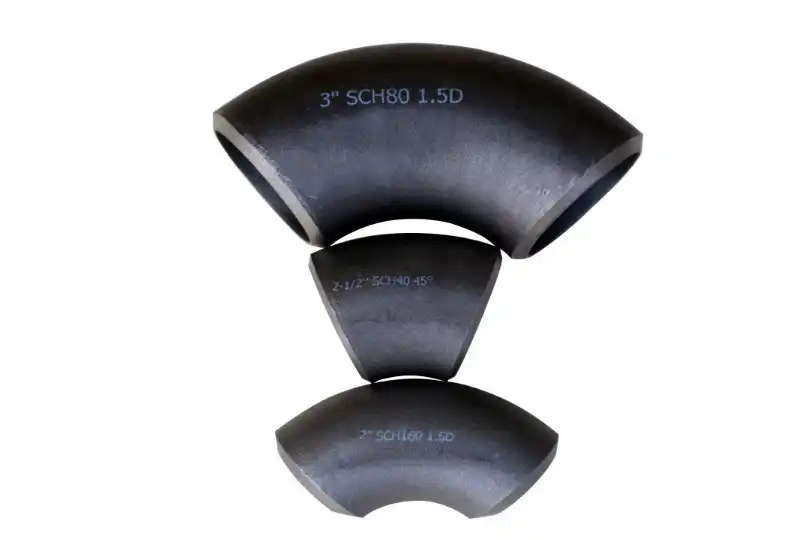
The dimensions of the parts must match the pipe system's standard diameter, wall thickness, and pressure grade. We can make a wide range of sizes, from small-bore instrumentation links to large-diameter process pipes. The wall schedules range from normal weight to extra-heavy. Pressure levels range from 150 to 2500, so they can be used for everything from low-pressure water systems to high-pressure steam systems.
Standard elbow angles are 90 degrees and 45 degrees. Long radius and short radius choices change the flow properties and pressure drop. Long radius elbows lower noise and wear, which makes them last longer in rough or fast environments. The types of materials go from ASTM A234 WPB carbon steel to different alloys with different makeup that are made to meet temperature and corrosion needs.
The choice of coating should be based on how it will be used and how it will be exposed to the surroundings. Standard black paint may be enough to protect against mild weather, but hot-dip galvanizing or fusion-bonded epoxy are better options for harsh settings. Technical data sheets that list covering thickness, adhesion strength, chemical protection, and temperature limits help you make the right choice.
Supplier Evaluation Criteria
Verification of certification is the basis of doing your research on a seller. Getting ISO 9001 quality management certification shows that you have a method for controlling quality throughout the whole producing process. Regulatory authorities give licenses to companies that make special tools to show that they meet safety and performance standards. Material test records and certificates of conformance keep track of every production batch by showing what chemicals were used and how strong the materials are.
When planning big projects or making long-term supply deals, production ability is important. Our yearly production of 16,000 tons makes sure that we can meet large orders while keeping the standard high. Modern manufacturing tools, like CNC bending machines, heat treatment ovens, and automatic coating lines, make it possible to make complicated shapes with tight tolerances quickly and accurately.
Quality-focused producers are different from commodity sellers because they can test their products. Our building has spectroscopy for chemical analysis, tensile testing for mechanical properties, hydrostatic testing for pressure integrity, ultrasound testing for internal flaws, and measuring coating thickness for quality assurance. This complete testing system backs up strict quality control rules.
International Procurement Considerations
When you use global buying, logistics get more complicated, so you need sources with a lot of experience doing business across borders. Our self-management import-export license lets you do business directly with other countries without going through middlemen. This makes contact and paperwork easier. We've successfully shipped to more than 300 customers in more than 40 countries, which has helped us learn how to deal with a wide range of shipping needs and regulatory frameworks.
When planning lead times, you should take into account things like production plans, quality checks, protective packing, and shipping across borders. Standard goods usually take four to six weeks from the time an order is confirmed until they are ready to be shipped. Custom specs may cause timelines to be longer. Clear communication about the state of production helps buyers keep track of project plans.
Minimum order amounts make sure that both customers' wants and production efficiency are met. We can handle both large-scale purchases for big projects and smaller orders for maintenance stockpiles, which gives us the ability to meet the needs of a wide range of clients. Bulk buying programs save money and make sure that businesses always have the supplies they need.
Support after the sale is what sets trustworthy sellers apart from transactional ones. Our expert team helps with installation, troubleshooting, and application advice, and they build relationships with customers that go beyond single transactions. This help is especially helpful for foreign clients who have to deal with issues like language barriers and different time zones.
Future Outlook and Innovations in Anti-Corrosion Solutions for Carbon Steel Pipes
As technology keeps getting better, corrosion control methods are changing too. Now, industrial workers have better tools to protect important infrastructure. Procurement professionals can make choices that will improve long-term performance by staying up to date on new options.
Next-Generation Coating Systems
The main goals of research into new covering formulations are to make them last longer, be better for the environment, and be easier to use. Nano-composite coats that contain ceramic bits make things harder and more resistant to wear while still keeping their flexibility. Waterborne coating methods lower the pollution of volatile organic compounds, which meet environmental standards without affecting performance. Self-healing coatings with built-in inhibitors release protective chemicals when the coating gets damaged. This makes the coating last longer in tough situations.
Digital Monitoring Technologies
Corrosion management goes from being reactive to being proactive with predictive maintenance systems that use sensors and data analytics. Corrosion tracking tools constantly check the rate of corrosion, letting you see how healthy the system is at all times. Ultrasonic thickness gauges keep track of how much wall is being lost over time, so replacements can be planned before they fail. Because wireless sensor networks don't need cables, tracking large sites is both possible and affordable. Cloud-based analytics systems collect data from many sites and look for patterns. They then find the best ways to maintain all processes.
Sustainability Initiatives
Environmental responsibility is becoming more and more important in corporate purchasing decisions. Longer work lives use fewer resources because they need to be replaced less often. Carbon steel is recyclable, which supports the idea of a cycle economy because old parts can be used to make new goods. The carbon footprint of making parts is smaller when they are made using energy-efficient methods. These aspects of sustainability are in line with goals for corporate responsibility and also help the economy.
Customization Capabilities
Modern production is very flexible, so it's possible to make solutions that fit the needs of each application. Custom sizes allow non-standard pipe systems to work without having to be changed in the field. Certain alloy combinations work best in certain chemical conditions. Hybrid covering systems use technologies that work well together to make security better. The engineering skills at our site allow for collaborative development, where engineers work with clients to create solutions that are perfectly suited to their needs.
Conclusion
Carbon steel pipe systems can handle corrosion as long as they are made with the right materials, have the right safety measures in place, and work with dependable suppliers. With the help of cutting-edge coating technologies and excellent engineering, anti-corrosion carbon steel elbow fittings offer crucial safety at risky pipeline bends. By learning about how corrosion works, looking at different coating options, and choosing approved makers, industrial workers can make systems last longer while keeping costs low over their entire lifecycle. Staying connected with new suppliers gives you access to cutting-edge solutions that improve business efficiency in a wide range of workplace settings as technologies change and sustainability concerns grow.
FAQ
What lifespan can I expect from anti-corrosion carbon steel elbows?
Service life depends a lot on the climate, the quality of the finish, and how well it is maintained. Elbows that are properly coated and used in mild settings usually last between 15 and 25 years. When exposed to air, hot-dip galvanized parts usually last longer than 30 years. Without extra safety measures, harsh chemical or marine conditions may shorten the life to 10 to 15 years. Regular cleaning and repair make parts last a lot longer, no matter what kind of security they were protected with at first.
Can protective coatings be reapplied in the field?
Many coating systems can be reapplied in the field, but how well they work relies on how well the surface is prepared and how the coating is applied. For good bonding, the surface needs to be cleaned thoroughly, rust removed, and profiled. Field fixes can be done well with cold-applied wrapping systems and epoxy coats that are sprayed on. Hot-dip galvanizing can only be done in certain buildings and not in the field. Regular maintenance coating increases the time between big repairs, which is a good way to control lifetime costs.
How do I verify supplier certification authenticity?
Ask suppliers for records of their ISO certificates, manufacturing licenses, and test results on materials. Check the legitimacy of the certificate through the verification websites of the organizations that issued it. Request names from current people in the same line of work as you. For big sales or important tasks, you might want to use third-party inspection services. Manufacturers with a good reputation, like Oudi, are happy to provide extensive paperwork that shows their production and quality qualifications.
Partner with Oudi for Reliable Anti-Corrosion Carbon Steel Elbow Solutions
Since 1998, Oudi has been making high-quality carbon steel pipe parts for 40 countries' most important businesses. Their quality is ISO 9001-certified, and they offer a wide range of products. Our special anti-corrosion elbow fittings made of carbon steel are crafted with precise engineering and advanced protective coats that work well in harsh settings like chemical processing plants and offshore platforms. As a producer of anti-corrosion carbon steel elbows with a 16,000-ton annual capacity, we offer butt welding elbows and socket elbows that meet ANSI, JIS, DIN, and BS standards. For added protection, we offer hot-dip galvanizing according to ASTM A153 and specialized epoxy systems.
In order to make sure you get the best solutions for your specific working conditions, our technical team gives you expert advice on covering choices, material requirements, and application needs. Full testing capabilities make sure that every batch of production meets the high standards that clients around the world trust for projects involving oil, natural gas, chemicals, water conservation, construction, shipping, and power generation. You can email us at oudi-04@oudiguandao.com to talk about your project needs, get full technical specs, or get competitive quotes. We offer clear communication, variable order sizes, and dependable shipping around the world to help your project succeed from the planning stages to the final approval.
References
1. Jones, D. A. (2023). Principles and Prevention of Corrosion. Pearson Education Limited.
2. NACE International (2022). International Measures of Prevention, Application, and Economics of Corrosion Technologies Study. NACE International Publication.
3. American Society for Testing and Materials (2023). ASTM A234 Standard Specification for Piping Fittings of Wrought Carbon Steel and Alloy Steel for Moderate and High Temperature Service. ASTM International.
4. Revie, R. W. & Uhlig, H. H. (2023). Corrosion and Corrosion Control: An Introduction to Corrosion Science and Engineering. John Wiley & Sons.
5. American Petroleum Institute (2022). API Standard 570: Piping Inspection Code - Inspection, Repair, Alteration, and Rerating of In-Service Piping Systems. API Publishing Services.
6. Roberge, P. R. (2023). Handbook of Corrosion Engineering. McGraw-Hill Education.

Need help finding the right solution with our experts. Please contact us.

SINCE 1998 Your Reliable Pipeline Manufacturer



