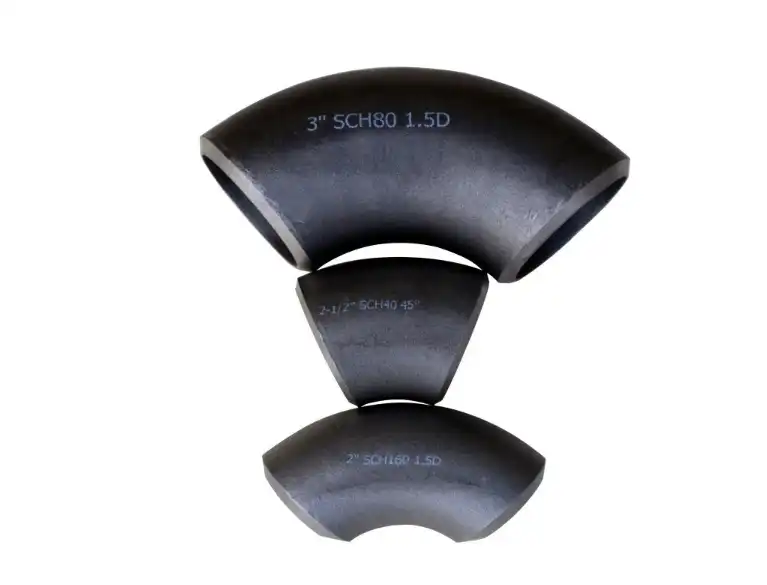
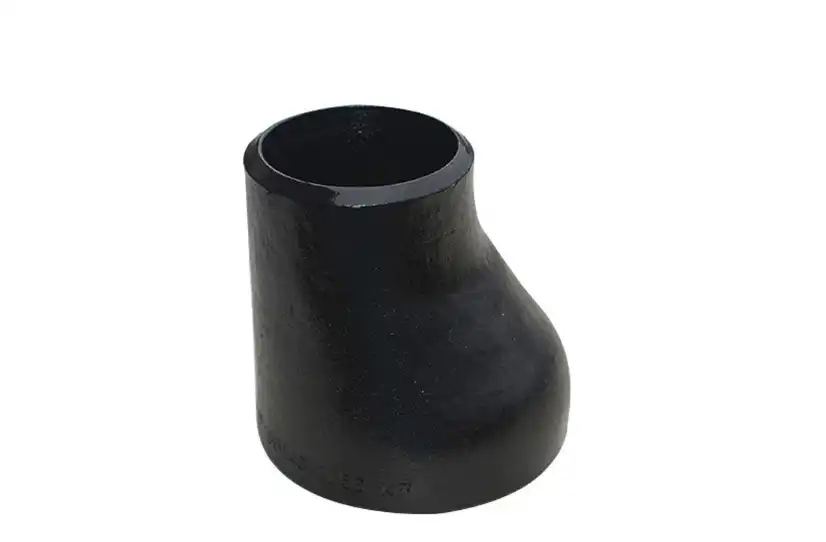
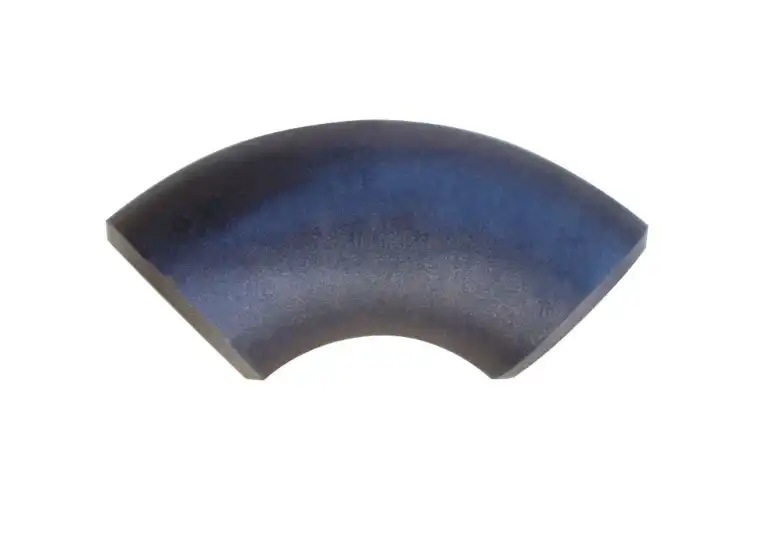
Corrosion-Resistant Carbon Steel Elbow Options
When your pipe system is exposed to harsh chemicals, high or low temperatures, or conditions that cause rust, choosing the right parts becomes critical. Corrosion-resistant carbon steel elbows provide a designed balance between structural integrity and protective performance. They work as directional links that stop systems from breaking down too soon. These special parts use cutting-edge coating technologies and mechanical treatments to make them resistant to oxidation, chemical attack, and weather damage. They do this while keeping the low cost of carbon steel construction. By knowing your choices, you can ensure that the money you spend on infrastructure lasts for decades and does not have to be replaced in expensive emergencies.
Introduction
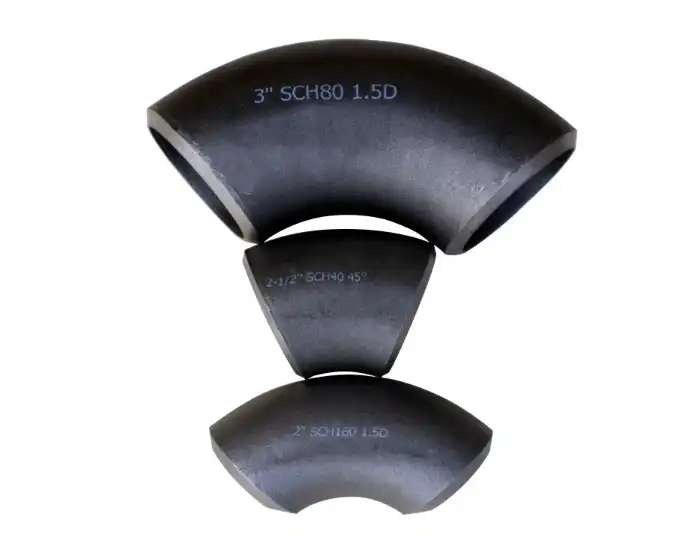
Carbon steel elbows hold together industrial pipe networks in oil refineries, chemical plants, water treatment plants, and power plants. These butt-welded valves make it possible for smooth changes in direction while keeping the flow rate and pressure levels the same. But exposure to water, acids, salts, and process chemicals causes rust that lowers the thickness of the walls and makes the structure less safe. Our work with more than 300 users in 40 countries has shown that using the right corrosion protection can increase the service life of elbows by 300 to 500%, which drastically lowers the need for repair shutdowns and replacement costs. This guide uses examples from chemical plants, offshore installations, and water conservation projects to help procurement professionals understand the differences between long-lasting investments that will last and ones that won't. It does this by looking at things like material grades, protective coatings, certification requirements, and supplier evaluation criteria.
Understanding Corrosion-Resistant Carbon Steel Elbows
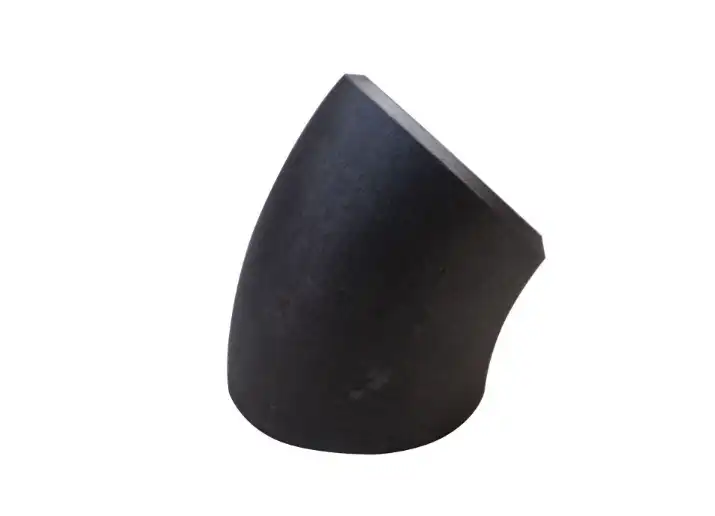
Industrial pipe bends change the flow of fluid at angles between 45 and 90 degrees. This creates key junction places where chemical concentration and turbulence speed up the breakdown of materials. Carbon steel pipe elbows naturally have iron in them. When air and water react with the iron, they make iron oxide, which weakens the fitting over time. This weakness is a lot worse in marine settings, process streams that are acidic, and places with a lot of humidity.
Essential Corrosion Mechanisms
Standard carbon steel parts are at risk of breaking down in three main ways. Pitting rust makes small holes in the pipe walls very quickly, even though it generally consumes little material. Corrosion in crevices happens in protected places where electrolytes stay still, like between flanges and seals. Galvanic rusting happens when carbon steel touches different metals in a conductive setting. This creates electrical currents that break down the less desirable metal. Each system needs its own safety measures that take into account the specific chemical and physical conditions of the application.
Engineering Protection Methods
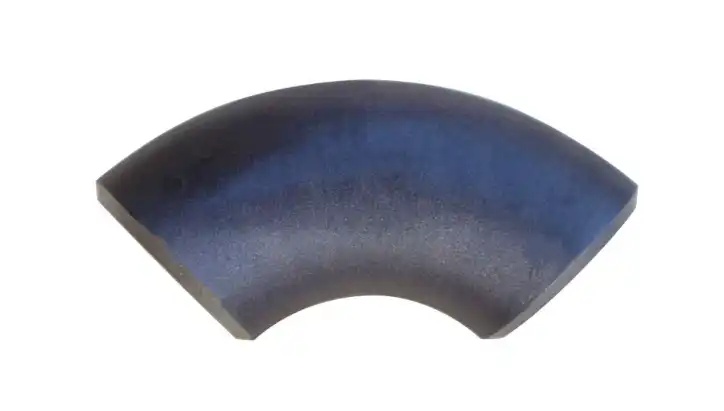
To make corrosion-resistant carbon steel elbows, manufacturers can use a number of different technology methods alone or together. We use industrial-grade black paint or anti-rust oil as a basic layer of protection that works well in controlled indoor settings. According to ASTM A153 standards, projects that will be exposed to harsh conditions undergo hot-dip galvanizing. This process adds thick layers of zinc that protect against rust whether the coating is broken or not. Specialized epoxy coats create barriers that resist chemicals. These barriers work especially well against acids and alkalis that are used in chemical processes. Heat treatment methods fine-tune the microstructure of steel to reduce the number of internal stress places where corrosion starts most often.
Product Classification Systems
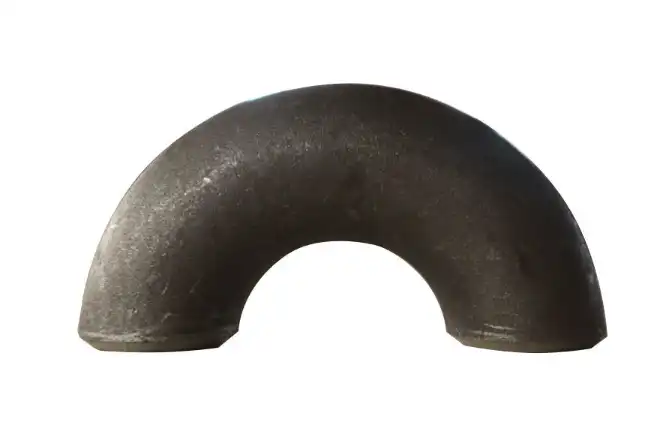
Knowing how to classify elbows helps you find goods that meet specific business needs. When seamless elbows are made from solid pipe stock, lengthwise weld lines are not present. These seams could become weak spots in corrosive service. Straight-seam welded elbows are cheaper for bigger diameters where solid joints can be made through controlled production. There are two types of connections: butt-welded, which fits straight into pipe runs, and socket-welded, which works for smaller diameter uses. Our annual production capacity of 16,000 tons includes ANSI, JIS, DIN, and BS size standards for carbon steel, stainless steel, and alloy steel.
Comparing Corrosion-Resistant Carbon Steel Elbows with Alternatives
When choosing a material, you have to weigh its performance features against the project's price and its expected service life. Different types of alloys and protective processes offer different levels of protection at very different costs.
Material Performance Considerations
Standard carbon steel elbows with protective coats are both affordable and adequate enough to protect against fairly corrosive environments, like those with fresh water systems and dry gas services. Alloy steels that contain chromium and molybdenum are naturally resistant to rust, so they don't need to be coated. This is why they cost more than carbon steel in harsh environments where coating damage would quickly weaken carbon steel. Stainless steel elbows are 300–600% pricier than carbon steel ones, but they are very resistant to chemicals and don't need to be coated. Galvanized carbon steel is located in the middle. It offers better protection at a moderate cost increase and is ideal for outdoor installs and environments that are slightly corrosive.
Coating Technology Comparison
Choosing the right surface treatment has a big effect on both the original prices and the long-term economics. Epoxy coatings are very good at resisting acids, bases, and solvents, which makes them perfect for pipes in chemical plants where process fluids touch internal surfaces. But for epoxy to stick well, the surface needs to be carefully prepared, and the application conditions must be meticulously managed. Hot-dip galvanizing makes zinc layers that are mechanically linked together. These layers can handle damage from handling and can fix small scratches on their own using self-healing processes. Polyurethane coats guard against both wear and chemical damage, which is helpful for systems that move slurry where particulate erosion makes rusting more difficult. Each type of coating has specific temperature ranges and chemical interaction patterns that need to match the conditions under which you operate.
Certification Framework
International guidelines give us a way to objectively judge the quality and rust resistance of products. With ISO 9001 certification, you can be sure that makers have written quality control systems that cover everything from checking the raw materials to checking the finished product. The Chinese government gave us a license to make special tools, which verifies our technical skills and production control systems. Material test records that list the chemicals used according to ASTM standards ensure that alloy types meet metallurgical needs. The thickness of the coating and the results of the binding test show that the protected layer is still intact. Third-party inspection licenses from companies like SGS or TUV offer independent proof, which is especially useful when buying things from other countries.
Selecting the Right Corrosion-Resistant Carbon Steel Elbow for Your Needs
When you match parts to the conditions of the job, you avoid both wasteful over-specification and the risk of failure too soon. Systematic evaluation of environmental factors helps choose the right amount of safety.
Operating Condition Assessment
Extreme temperatures change the qualities of both the base material and the coating's performance limits. Carbon steel stays strong below 400°C, but epoxy coats only work well at 120–150°C before they start to soften. Pressure ratings are based on schedules for wall thickness that must take into account corrosion limits that provide safety gaps as the material thins over time. Documentation of chemical exposure that lists specific corrosive agents, amounts, and contact temperatures lets you choose a protected layer that can withstand those conditions. Conditions in the atmosphere, such as humidity levels, salt spray in coastal sites, and industry pollutants, affect the need for external surface protection.
Commercial Considerations
When purchasing something, you must make choices that balance technical needs with delivery dates and price limits. A distributor can send standard-sized elbows that are made in large quantities right away from stock, and these elbows have lower unit costs. Custom specs that need non-standard angles, special material grades, or unique finishing systems cost more and take longer to make, usually between 6 and 12 weeks. For custom goods, the minimum order quantity usually means buying whole production runs. For small projects, normal options are more cost-effective. When sending goods internationally, things like export paperwork, combining freight, and clearing customs can change the landing costs and project schedules.
Industry Application Examples
Chemical processing plants that use sulfuric acid, hydrochloric acid, or caustic solutions need Corrosion-resistant carbon steel elbows that are sealed with epoxy and can withstand chemical attack while still keeping their pressure integrity. On offshore oil sites that are exposed to saltwater spray and humidity, hot-dip galvanized elbows protect against long-term corrosion in the atmosphere without requiring repair access. Water conservation projects that move drinkable water need finishes that are NSF-certified and don't get contaminated by chlorine disinfectants. When making boilers that will be used with high-temperature steam, manufacturers use alloy steel joints that resist creep and rust better.
Purchasing and Sourcing Corrosion-Resistant Carbon Steel Elbows
Choosing the right supplier has a big effect on the quality of the product, the reliability of shipping, and the total cost of purchase. We find partners who can help with difficult industrial projects using thorough evaluation criteria.
Supplier Verification Process
Assessment of manufacturing potential starts with a building check to make sure that the production equipment can do its job and is up to date technically. The high-tech inspection tools at our Cangzhou plant allow for full measurement verification, material makeup analysis, and non-destructive testing that meets all international standards. Audits of quality management systems look at written rules for tracking materials, keeping an eye on the production process, and checking the finished product. Licenses to make special tools and ISO 9001 certification show that you obey the rules and use structured quality practices. Exporting to various foreign markets shows that you understand other cultures and can handle cross-border deals with ease.
Procurement Channel Options
When you work directly with a maker, you avoid the markups that distributors add, and you can get unique specs and tech support. Online business-to-business (B2B) sites let you compare suppliers, but you need to do your research to make sure they have the right qualifications and skills. Regional wholesalers have local stock for quick shipping, but their products may not meet all your needs. International trade shows give buyers and sellers the chance to meet and discuss suppliers in person, which is especially helpful when starting new relationships.
Logistics Management
For large orders, we need to coordinate production timing to ensure that shipping times do not clash with building milestones. By sending multiple types of goods in one container, container consolidation cuts down on freight costs. Factory-direct shipping is better for custom-sized projects because it avoids handling in between, which can damage the protected layer. Using anti-rust oil and moisture shields for sea transit protection prevents rusting during long transport, especially for goods that aren't coated. Documentation like material certificates, inspection reports, and packing lists makes it easier to get goods through customs and make sure they are what they say they are.
Benefits and Long-Term Value of Using Corrosion-Resistant Carbon Steel Elbows
Strategic investment in enhanced corrosion protection delivers quantifiable returns through reduced lifecycle costs and improved operational reliability.
Economic Advantages
Longer service lives directly lower the number of replacements needed and the work costs that come with them. A properly protected elbow lasts 25 years, while an exposed fitting needs to be replaced every 7 years. This means that, even though the initial investment is higher, the lifetime cost savings are 70%. Cutting down on inspections, coating touch-ups, and unplanned fixes reduces the need for upkeep and lowers running costs. Less downtime from early failures keeps production loses from happening, which in continuous process industries can be 10 to 50 times higher than the cost of replacing the equipment.
Safety and Compliance
Failures caused by corrosion pose major safety risks, such as the release of toxic chemicals, the risk of fire from flammable fluid leaks, and the bursting of pressure vessels. Reliable rust protection lowers the chance of an accident, which helps meet safety goals and legal requirements at work. Environmental protection laws are increasingly requiring more secondary control and leak prevention systems in situations where using strong main pipe components is the most cost-effective way to comply. Keeping records of the details of the materials and coatings that protect them helps with legal reporting and facility checks.
Future Technology Trends
New covering technologies that use graphene and ceramic nanoparticles offer better resistance to chemicals and longer durability. Advanced alloy research projects try to make formulas that are both cost-effective and provide the corrosion protection of stainless steel at lower prices. Predictive maintenance systems that use corrosion tracking sensors and data analytics make condition-based repair possible, which helps plan when to spend in infrastructure. These new ideas give forward-thinking buying teams the tools they need to improve performance while keeping project costs low.
Conclusion
If you want to choose corrosion-resistant carbon steel elbows, you need to weigh their technical performance, certification compliance, and cost-effectiveness in the context of your application. When properly designed and foundry-protected, carbon steel fittings work reliably in harsh settings like chemical processing and offshore sites. We have been making things for 25 years and have helped with water conservation, oil, chemical, and natural gas projects all over the world. This has given us a deep understanding of the safety technologies, quality systems, and supply chain practices that make the difference between good infrastructure investments and ones that need a lot of expensive maintenance.
FAQ
What corrosion resistance rating should I specify for my application?
Corrosion resistance needs depend on the climate and the service life goals that are appropriate. Standard industrial lacquer coatings can work well in mild settings, such as dry indoor areas. When there is moderate rust, like when installations are outside or in wet places, they usually need hot-dip galvanizing that meets ASTM A153 standards and has a zinc layer thickness of 50 to 70 microns. When chemicals are present in large amounts, they need special epoxy coats that are made for those chemical groups, like acids, bases, or solvents. Our expert team looks at your working conditions, such as temperature ranges, chemical concentrations, and the weather, and then uses decades of field performance data to suggest the right levels of safety.
Can carbon steel elbows be customized for unique project requirements?
Our production skills allow for a lot of customization, such as non-standard angles other than 45° and 90°, special material types with added alloying elements, and one-of-a-kind coating systems that deal with chemical compatibilities. Custom dimensional standards allow for pipes of odd sizes or wall thickness rates that meet certain pressure values. Custom products usually have a minimum order quantity of 5 to 10 tons, and production wait times range from 8 to 12 weeks, based on how complicated the specifications are. We keep our ISO 9001 quality management systems and licenses for making special tools up-to-date so that our custom products meet the same high standards as our normal high-volume products.
Which certifications validate corrosion-resistant elbow quality?
Important certifications include an ISO 9001 quality management system registration that proves documented production control procedures, material test reports that prove chemical composition according to ASTM standards, dimensional inspection certificates that prove compliance with ANSI, JIS, DIN, or BS standards, and coating thickness measurements that prove the integrity of the protective layer. Regulatory authorities give special equipment-making licenses that show technical skills and facility standards. Third-party inspection services from companies like SGS, TUV, or Bureau Veritas offer independent quality checks that are very useful when buying things from other countries. Full documentation packages help your supply chain meet legal standards, meet insurance needs, and meet quality assurance goals.
Partner with Oudi for Superior Corrosion-Resistant Carbon Steel Elbow Solutions
Since 1998, Cangzhou Oudi Pipe Manufacture Co., Ltd. has been making high-quality pipe fittings for the oil, chemical, water conservation, and power generation businesses in Europe, the Americas, Africa, Southeast Asia, and the Middle East. Our 66,600-square-meter factory makes 16,000 tons of approved corrosion-resistant carbon steel elbows every year. These elbows meet ANSI, JIS, DIN, and BS standards and come in all sizes and types of material. As a reliable company that makes corrosion-resistant carbon steel elbows, we keep our ISO 9001 certification and special equipment manufacturing licenses up-to-date. This way, we can keep a close eye on quality from the time we check the raw materials until the final inspection with high-tech testing tools. Our experienced engineering team can help you figure out the best protective coating for your needs, whether you need hot-dip galvanizing for marine settings or specialized epoxy systems for chemical process uses. Our procurement experts can be reached at oudi-04@oudiguandao.com to talk about your project needs, get material certifications, and get cheap quotes. We have a history of helping over 300 customers around the world, so you can trust our services.
References
1. American Society for Testing and Materials. "Standard Specification for Zinc Coating (Hot-Dip) on Iron and Steel Hardware," ASTM A153/A153M-16a, West Conshohocken, PA, 2016.
2. Davis, J.R. "Corrosion: Understanding the Basics," ASM International, Materials Park, Ohio, 2000.
3. National Association of Corrosion Engineers. "Protective Coating Systems for Carbon Steel Piping in Industrial Environments," NACE International Publication 6H189, Houston, Texas, 2015.
4. British Standards Institution. "Specification for Carbon Steel Pipe Fittings: Butt Welding Type for the Petroleum Industry," BS 1965:1984, London, United Kingdom, 1984.
5. American Petroleum Institute. "Specification for Line Pipe Fittings and Flanges," API Standard 5L-2018, Washington, District of Columbia, 2018.
6. International Organization for Standardization. "Quality Management Systems: Requirements," ISO 9001:2015, Geneva, Switzerland, 2015.

Need help finding the right solution with our experts. Please contact us.
SINCE 1998 Your Reliable Pipeline Manufacturer