Cost-Effective CS Elbows – Get Bulk Pricing Today
When reliable piping solutions are needed for industry Cost-effective carbon steel elbow projects without breaking the bank, carbon steel elbows are the best option. These important pipe fittings make it possible to change the direction of pipes in complicated systems. They are also very strong, last a long time, and are cheap. Elbows made of carbon steel are very important in places like oil factories, chemical plants, natural gas distribution networks, and water treatment plants. Their amazing ability to handle changes in temperature and pressure makes them essential for businesses that need strong, long-lasting infrastructure. When procurement professionals know about the technical specs and cost benefits of these parts, they can make smart buying choices that balance short-term budgetary needs with long-term operational efficiency.
Understanding Carbon Steel Elbows and Their Cost Benefits
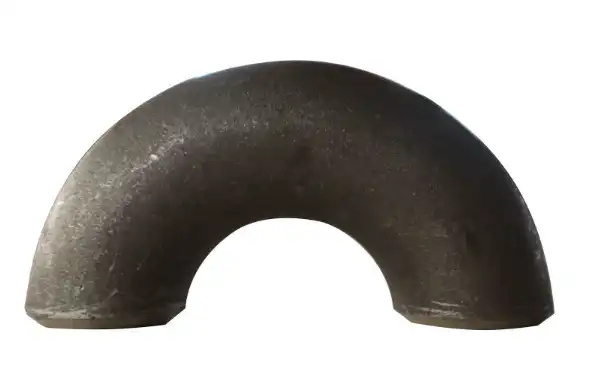
Carbon steel elbows represent engineered solutions designed to redirect fluid or gas flow within industrial piping networks. Our factory specialises in producing both butt welding elbows and socket elbows, with a primary focus on seamless and straight-seam industrial configurations. The butt welding type connects directly to pipe ends through welding processes, ensuring leak-proof joints capable of handling extreme operational conditions. Socket elbows, conversely, provide simplified installation for smaller diameter applications where welding access may be limited.
Types and Configurations Available
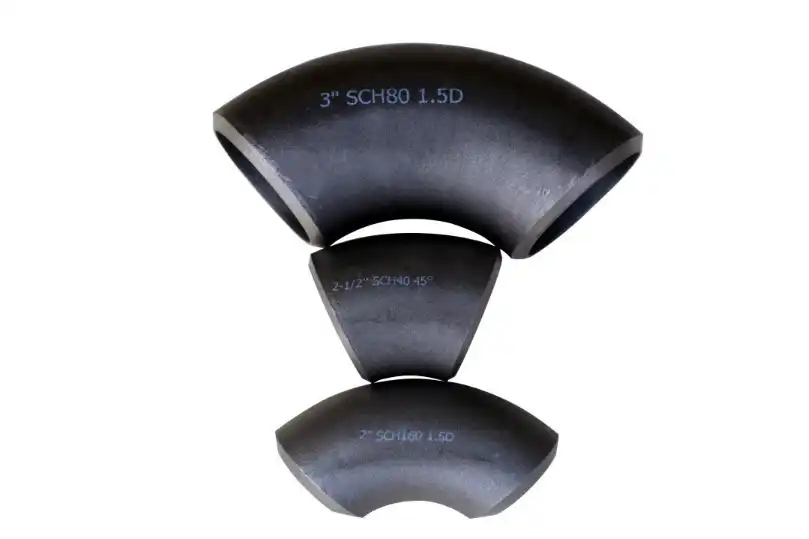
The industrial market has a wide range of elbow designs that can be used in a variety of situations. Standard angular choices include 45-degree elbows for making small changes in direction and 90-degree elbows for making big turns in tight installation spaces. Because custom angles can be made to fit the specifics of each project, they offer design freedom that standard components can't match. Seamless elbows are made using hot forming methods that get rid of weld gaps. This makes the walls the same thickness and the structure more stable under high pressure. Straight-seam elbows use longitudinal welds, which saves money in situations where only moderate pressure is needed while still meeting performance standards. The composition of the material has a direct effect on both performance and price. Grades of carbon steel like A234 WPB have great mechanical qualities and can be used in temperatures from -29°C to 400°C. This makes them useful in many different industries. The carbon percentage is usually between 0.30% and 1.70%, which gives the material the right amount of hardness and tensile strength without making it too brittle. With this balanced composition, it is easier to make, and it costs less than other types of specialised alloys while still meeting the performance standards needed for most commercial uses.
Economic Advantages Over Alternative Materials
There are big price differences between carbon steel elbows and those made of stainless steel or alloy steel. Stainless steel parts usually cost 200% to 400% more than carbon steel parts of the same size. This is because stainless steel contains chromium and nickel, which make it more resistant to rust. Stainless steel works best in places that are very corrosive or in food-grade settings, but carbon steel can last a long time in many industrial settings and costs a lot less up front. Adding molybdenum, vanadium, or other strengthening elements to alloy steel elbows raises the cost of the material without improving performance at normal temperatures and pressures. Making carbon steel elbows is easier because the materials are easy to get and the production methods are well-known. This supply chain development helps keep prices stable and cut down on lead times compared to speciality materials that need to be processed in a controlled atmosphere or get exotic elements. When manufacturers fill large orders, they can optimise production schedules and raw material purchases, which makes these natural cost benefits even bigger. With a yearly production capacity of 16,000 tonnes, we can keep our prices stable and meet the needs of large projects- cost-effective carbon steel elbows without having to worry about capacity issues that could drive up costs during times of high demand.
Choosing the Right Carbon Steel Elbow for Your Needs
Selecting appropriate carbon steel elbows demands careful evaluation of operational parameters and industry-specific requirements. The decision-making process begins with understanding the fluid or gas characteristics flowing through the piping system, including corrosive properties, suspended particulates, and viscosity. Petroleum refining operations handling crude oil distillates require elbows with adequate wall thickness to resist erosion from hydrocarbon flow velocities, while water treatment facilities prioritise corrosion resistance against mineral-laden water exposure.
Critical Selection Factors
Pressure numbers are the most important technical information that determines which elbow to use. Pressure-temperature relationships are set by industrial standards like ANSI B16.9. These relationships tell us what the highest working pressures can be at different temperatures. ANSI-compliant carbon steel elbows can usually handle pressures between 150 PSI and 3,000 PSI, based on the thickness and diameter of the schedule. Schedule 80 or Schedule 160 wall thicknesses are needed for high-pressure steam systems in power plants, but Schedule 40 wall thicknesses are fine for low-pressure vapour return lines. By matching pressure ratings to real system needs, over-engineering is avoided, which raises the cost of parts for no reason. Temperature tolerance has a direct effect on the choice of material and how long it will last. Different grades and treatments of carbon steel have very different levels of corrosion protection. When carbon steel is exposed to water and air, it oxidises, forming rust that wears away at the wall's thickness. Protective coatings like epoxy linings, galvanisation, or fusion-bonded epoxy that are put on during making are helpful for uses that are constantly exposed to water or chemicals that break things down. These surface treatments cost a little more, but they make things last a lot longer, so they usually have better lifetime economics than unprotected options that need to be replaced too soon. Our quality control methods make sure that the adhesion of the coating meets international standards. This keeps delamination failures from happening, which would lower the security against corrosion.
Material Grade Comparison
Most of the time, A234 WPB is the carbon steel grade that is used for mild temperature piping systems. This name refers to a wrought product that can be butt-welded and has the right chemical makeup and mechanical qualities for general use. Tensile strength is usually higher than 60,000 PSI, and elongation percentage is around 30%. This gives the material enough flexibility to handle installation pressures and vibrations from operations. Because A234 WPB raw materials are easy to find and there are established manufacturing protocols, this grade is priced competitively and can be ordered quickly. This makes it a good choice for projects that need to stay within their budget. Other grades are available for specific needs where standard specifications are not sufficient. The impact toughness of A420 WPL6 grade carbon steel stays the same at temperatures as low as -46°C, making it suitable for use in liquefied natural gas plants and other cold climate installations. Micro-alloying elements in A860 WPHY grades make them stronger without adding a lot to the cost. This lets thinner wall schedules be used, which cuts down on material use and shipping weights. Knowing grade-specific performance envelopes helps procurement teams say exactly what projects need, so they don't have to pay more for changes that aren't needed and don't improve operations.
Bulk Purchasing Strategies for Cost-Effective Carbon Steel Elbows
Strategic bulk procurement transforms carbon steel elbow acquisition from transactional purchasing into value-creating supply chain management. Volume commitments unlock manufacturer pricing tiers unavailable to small-quantity buyers, directly reducing per-unit costs that accumulate into substantial project savings. Large infrastructure projects installing thousands of elbows across extended construction timelines particularly benefit from establishing framework agreements that secure favourable pricing while maintaining delivery flexibility aligned with construction progress schedules.
Manufacturer Versus Distributor Sourcing
When you work directly with makers like ours, you don't have to pay markups to distributors, which usually add 15% to 35% to the cost of parts. Direct sourcing gives you access to technical experts during the development of specifications, which makes sure that the goods you choose exactly meet your needs without being too specific. Our engineering team works with procurement workers to find the best elbow configurations. They may be able to find different sizes or Cost-effective carbon steel elbow angles that do the same job but are easier to make and cost less. This consultative method adds value beyond just lowering prices; it also improves the overall efficiency and dependability of the project. Manufacturers can customise products in ways that distributors can't. Standard catalogue measurements work well for many uses, but complex pipe layouts sometimes need angles, radii, or connection types that aren't standard. Our production flexibility lets us meet custom manufacturing needs with reasonable minimum order numbers. This lets us provide project-specific solutions without charging crazy amounts for tools. Custom orders usually have longer lead times than stock items—two to four weeks—so they need to be planned for ahead of time in project plans. Getting suppliers involved early on in the design process makes it easier to figure out what specific needs to be done. This means that manufacturing lead times can combine with procurement cycles instead of pushing back critical path timelines.
Volume Discount Structures and MOQ Considerations
Minimum order numbers (MOQ) are the lowest amounts needed to get better prices. Our company sets MOQ standards by weighing the costs of setup against the value of the orders. This is done to make sure that production runs smoothly. Standard dimension elbows often have MOQs as low as 100 pieces per size and schedule combination. Custom configurations, on the other hand, may need 500 pieces as a minimum to support the cost of new tools and changing the production line. When you combine requirements from different project phases or work with other parts of the organisation, you can raise demand to MOQ levels and get volume discounts that individual project budgets can't get on their own. Delivery logistics have a big effect on total acquisition costs, especially for large orders with lots of weight and volume. Because carbon steel elbows are heavy items, transportation costs make up a big part of the delivered prices for domestic shipments and a big part of the costs for foreign shipping. Shipping costs go down per unit when containers are used more efficiently, which encourages buyers to match order amounts with standard container capacities. Our logistics coordination makes sure that packing is done in a way that makes the best use of container space and keeps goods safe from damage during travel. Our ability to be flexible with delivery times lets us combine packages and take advantage of low freight rates. Cost-effective carbon steel elbows, which we then pass on to our customers through low-cost delivered prices.
Installation, Maintenance, and Longevity Tips for Carbon Steel Elbows
How well something is installed has a direct effect on how reliable it is and how long you can expect it to last. If you put carbon steel elbows according to the manufacturer's instructions and best practices in the industry, they should last 20 to 30 years. If you don't do it right, they could break within months. When joining things together, adding heat changes the qualities of the material in heat-affected zones next to the weld beads, so welding needs extra care. Welders who follow the approved welding procedure standards (WPS) make sure that the quality of the fusion and the mechanical integrity meet the design pressure ratings.
Installation Best Practices
Quality fit-up work done before welding creates the basis for parts that don't leak. The ends of elbows and the sections of pipe that fit together should be square within 1/16 inch per foot of diameter, and the size of the gaps should be controlled by the rules for the welding process. When there are too many gaps, welders have to add more filler metal, which increases the amount of heat needed and the risk of distortion while also making possible fusion defects. The ends of our elbows are bevelled and machined to exact angles and sizes. This makes it easier for them to fit together correctly, which is something that experienced welding teams like because it speeds up the installation process. Tack welding keeps the alignment during final welding, so parts don't move and cause misalignment or different heating patterns. Hydrostatic testing checks the integrity of the work before the system is turned on. Test pressures are usually 1.5 times the design pressure and are kept at those levels for as long as the relevant codes say they need to be while inspectors check welded parts for leaks. Finding flaws during hydrostatic testing stops catastrophic failures that could put people in danger and damage tools while they are being used. When asked, our quality assurance procedures include hydrostatic testing of custom-built assemblies in the plant. This adds another level of verification to the field installation testing.
Maintenance and Longevity Optimisation
Routine inspection programs find wear and tear before they happen, so fixes can be planned for planned outages instead of having to be done quickly when something breaks down unexpectedly. Visual inspections find external corrosion, coating wear, mechanical damage, and problems with the support system. Accessible areas should be inspected once a year, while important high-consequence areas should be inspected every six months or three months. Internal inspections with borescopes or ultrasonic thickness measurements check for wall loss due to erosion or internal corrosion, especially where the flow direction changes and turbulence concentrates wear patterns. Elbow failure in critical system locations would result in significant production losses or safety issues, so components may need to be replaced at 70% to 80% of their expected service life. For uses that aren't as important, condition-based maintenance can be used to replace elbows only when inspection data shows that they are getting close to the end of their useful life. These maintenance theories give plant engineers the tools they need to balance the need for reliability with the need to avoid spending too much on capital. They can do this by using manufacturer experience and data on how other companies in the same industry have done.
Conclusion
Carbon steel elbows that are cheap are a good way for industrial companies to get the most out of their infrastructure investments without sacrificing performance or dependability. Understanding the different types of products, how to choose them, and how to buy in bulk can help procurement pros save a lot of money while still making sure the products work well in tough situations. When you install something correctly and follow the rules for preventative upkeep, it will last longer and be more valuable over time, even after you've paid for it. If you need a carbon steel elbow, our company is ready to help you with certified quality, low pricing, and quick service that turns supplier relationships into strategic partnerships. Please get in touch with us to talk about the specifics of your project and find out how our skills can help your business succeed.
FAQ
1. What distinguishes seamless from welded carbon steel elbows?
Seamless elbows are formed from solid pipe sections through hot bending processes that eliminate weld seams, resulting in uniform wall thickness and superior pressure ratings. Welded elbows incorporate longitudinal seams joining steel plate edges, offering cost advantages for moderate-pressure applications while maintaining reliable performance within specified ratings. Application pressure requirements and budget constraints guide appropriate selection between these manufacturing methods.
2. How do I determine appropriate pressure ratings for my application?
Consulting applicable piping codes such as ASME B31.3 or B31.1 provides pressure-temperature rating tables based on material grade and wall thickness schedule. System design pressures should remain below code allowable stresses with appropriate safety factors. Our engineering team assists customers in interpreting code requirements and selecting properly rated components matched to specific operating conditions.
3. What lead times should I expect for bulk orders?
Standard dimension elbows from existing inventory typically ship within one to two weeks following order confirmation. Custom configurations require manufacturing lead times ranging from four to eight weeks depending on specification complexity and production queue status. Early engagement during project planning phases enables delivery scheduling aligned with construction milestones, preventing critical path delays.
4. Do you provide material certifications and test reports?
All shipments include comprehensive material test reports documenting chemical composition, mechanical properties, and dimensional verification results. Certifications trace materials to heat numbers and production lots, supporting customer quality assurance documentation requirements and enabling traceability throughout product lifecycles. Additional testing beyond standard protocols can be arranged when project specifications mandate supplementary verification.
Partnering with Oudi for Your Cost-Effective Carbon Steel Elbow Requirements
Our company has earned recognition as a trusted carbon steel elbow manufacturer Cost-effective carbon steel elbow serving global industrial markets since 1998. Located in Mengcun Hui Autonomous County's Lu Shop Industrial Zone in Cangzhou, we operate from a 66,600-square-meter manufacturing facility strategically positioned near major transportation infrastructure. This geographic advantage facilitates efficient raw material receipt and finished product distribution, contributing to competitive pricing structures that benefit our customers. Proximity to Tianjin Port, just 120 kilometres away, streamlines export logistics to international destinations across Europe, the Americas, Africa, Southeast Asia, and the Middle East. Flexible minimum order quantities accommodate diverse customer requirements ranging from small maintenance stock replenishment to major construction project supply packages. We recognise that optimal order quantities vary significantly across customer types and application contexts, structuring commercial terms that balance our production efficiency requirements against customer inventory management objectives.
Customers consistently report cost savings ranging from 15% to 30% compared to previous supply arrangements, validating our value proposition of combining competitive pricing with certified quality and reliable delivery performance. Responsive after-sales support reinforces customer relationships beyond initial transactions. Our technical service team addresses application questions, provides installation guidance, and assists with troubleshooting when field conditions present unexpected challenges. Email communication through oudi-04@oudiguandao.com connects customers directly with experienced professionals who understand industrial piping systems and can provide practical recommendations. This ongoing support creates partnerships rather than transactional relationships, fostering long-term collaborations that benefit both parties through mutual trust and shared success.
References
1. American Society of Mechanical Engineers. (2020). ASME B16.9: Factory-Made Wrought Buttwelding Fittings. New York: ASME Press.
2. Nayyar, M.L. (2019). Piping Handbook, 8th Edition. New York: McGraw-Hill Education.
3. American Society of Mechanical Engineers. (2018). ASME B31.3: Process Piping Code. New York: ASME International.
4. American Society for Testing and Materials. (2021). ASTM A234 Standard Specification for Piping Fittings of Wrought Carbon Steel and Alloy Steel for Moderate and High Temperature Service. West Conshohocken: ASTM International.
5. Mohitpour, M., Golshan, H., & Murray, A. (2007). Pipeline Design & Construction: A Practical Approach, 3rd Edition. New York: ASME Press.
6. Singh, R.K. (2017). Practical Piping Course: A Comprehensive Guide to Piping Design, Engineering, and Construction. Austin: Pipeline Engineering Publications.

Need help finding the right solution with our experts. Please contact us.

SINCE 1998 Your Reliable Pipeline Manufacturer



