Custom Carbon Steel Elbow – How to Get Exact Specs?
Before you can get exact measurements for a unique carbon steel elbow, you need to know Custom carbon steel elbow how your system works. To make a connection, you need to list the material grade (like ASTM A234 WPB), the radius type (short or long), the butt weld, socket weld, or threaded connection method, the material grade, the size standards, the pressure ratings, and the temperature ranges. Working with a manufacturer with a lot of experience, ISO 9001 certification, and special equipment licenses will make sure that your exact specs are translated into a reliable fitting that fits in with your existing pipes without any problems. This will save you money on repairs and downtime.
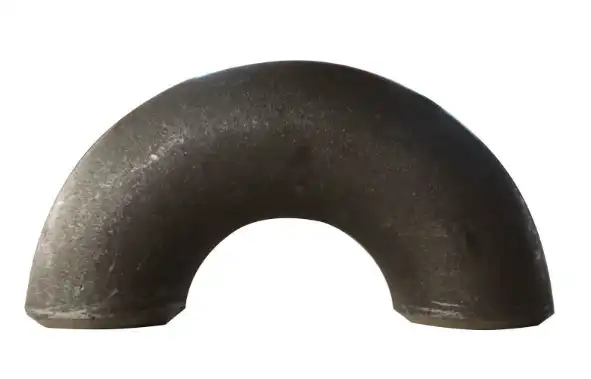
Understanding Custom Carbon Steel Elbows: Key Concepts and Specifications
Custom carbon steel elbows serve as essential directional change components in industrial piping systems, facilitating smooth fluid and gas flow across challenging operational environments. Industries ranging from oil and gas extraction to chemical processing and power generation rely heavily on these fittings to maintain system integrity and efficiency.
What Makes Carbon Steel Elbows Essential in Industrial Applications
If you use carbon steel elbows, you can bend and change the direction of pipe systems without changing the flow or power of the building. Flows of hydrocarbons at high pressure can go through these fittings in factories, and the links won't leak. They make it safe for acidic materials to move through chemical plants' complicated manufacturing equipment. During the purification process, they move large amounts of water through different steps. These elbows can be used in tough cases where stainless steel is too expensive or plastic alternatives can't handle the pressure. This is because carbon steel has good mechanical properties like tensile strength, ductility, and weldability.
Seamless Versus Welded Elbow Construction
What kinds of jobs an arm can do and how well it works depend on how it was made. When hot pressing methods are used to change the shape of heated pipe sections, seamless elbows are made. It makes a smooth frame with no seams running across the top and bottom. Seamless elbows work well in oil drilling and steam power plants where there is a lot of pressure because they can handle it and don't quickly wear out. If you need fittings with a larger diameter or jobs that only need moderate pressure, welded elbows are a better choice. Butt welding is used to join pieces of pipe together to make them. For the welding process to work, strict inspection methods like X-ray and ultrasonic tests are needed to make sure the joint is strong enough to meet the standards.
Standard Angles and Radius Classifications
Different elbow designs are used depending on space limitations and the need to improve flow. The most typical configuration is a 90-degree carbon steel elbow, which lets you change directions perpendicularly in small spaces. There are both short radius and long radius versions of these fittings. Short radius elbows have a bend radius equal to the pipe's nominal diameter, which makes them good for installations with limited space. The 45-degree elbow makes changes in direction more smoothly, which lowers turbulence and pressure drop compared to sharper angles. These fittings work well in sewer systems and low-velocity transfer lines, where flow needs to be redirected slowly. Long radius elbows have a bend radius that is 1.5 times the width of the pipe. This reduces flow resistance and erosion, Custom carbon steel elbow which is useful for moving slurry and high-speed gases.
Material Grades and Performance Characteristics
ASTM A234 WPB is the most popular standard for pipe fittings made of carbon steel. As long as the mechanical features are balanced, it can be used at temperatures up to 400°C. For this grade, the small amount of carbon makes it strong enough while still letting it be shaped and bonded. Carbon (0.30% maximum), manganese (0.29–1.06%), phosphorus (0.035% maximum), and sulphur (0.040% maximum) make up most of the chemicals. This means that the success can be predicted in a wide range of conditions. For uses that need to be able to handle higher temperatures or need more strength, higher-grade metals like ASTM A234 WP11 or WP22 may be needed. These alloys contain chromium and molybdenum, which make them more resistant to creep and more stable at high temperatures. How well it holds up under pressure, how it handles rust, and how long it lasts depend on the material you choose. In order to keep the system safe, it is very important to follow exact specifications.
How to Get Exact Specs for Your Custom Carbon Steel Elbow: Step-by-Step Approach
Specifying custom pipe fittings requires systematic evaluation of operational parameters and infrastructure constraints. Procurement teams and engineering departments often struggle with conflicting standard systems, incomplete project documentation, and communication gaps between design intent and manufacturing capabilities.
Assess Operating Conditions and Performance Requirements
First, write down some details about the gas or fluid that is going through your system, like how corrosive it is, how many abrasive particles it has, and how thick it is. What kind of material to use and how thick the walls need to be depend on the operating pressure and temperature ranges. A water distribution system in a town that works at 10 bar and a petroleum processing line that works with hot crude oil at 150 bar need very different specs. The environment of the installation is also taken into account when picking specifications. Because salt spray makes coastal buildings more likely to rust, they need better surface protection. Materials that have been tested for impact are needed when it's below zero to keep things from breaking quickly. Standard mill finishes can be used in controlled indoor settings, but to be used outside, they need to be galvanised or covered with epoxy.
Define Dimensional Parameters and Connection Types
Accurate dimensional specifications avoid problems during installation and make sure that the new system works with the current pipe infrastructure. The base diameter is set by the nominal pipe size, but you need to say whether you're working with schedule 40, 80, or other wall thickness guidelines. End-to-end length changes how much space you need, and if normal sizes don't work for your layout, you may need to have it made to order. How elbows work with your system depends on how you connect them. For full-penetration welding, which makes permanent links that can handle high pressure, butt weld elbows need to have their ends bevelled. Socket weld designs are good for pipes with a diameter of less than 2 inches. They make strong connections for instrumentation and other lines. Threaded connections are better for uses that need to be taken apart a lot for maintenance, but they can't hold as much pressure as welded connections.
Navigate International Standards and Compliance Requirements
There are a lot of different standard systems that guide pipe fitting specifications around the world, which could make the buying process confusing. ANSI/ASME B16.9 specifies the sizes and ranges of errors for wrought steel butt-welding parts sold in North America. Usually, DIN 2605 or EN 10253 standards are used in European projects. These standards set slightly different testing requirements and limits for dimensions. Japanese factories follow the rules set by JIS B2311, while British factories might need to follow the rules set by BS 1640. Knowing these changes between standards keeps you from making expensive specification mistakes. Without adapter fits, an elbow that is made to ANSI standards cannot be used directly with piping that is made to DIN standards. Working with manufacturers who are familiar with more than one standard system can help you get around these problems and make sure that your specifications are carried out properly in global supply chains.
Verify Material Certifications and Testing Requirements
Quality assurance begins with material traceability and custom carbon steel elbow documentation. Mill test certificates should verify chemical composition, mechanical properties, and heat treatment history for the raw materials used in elbow fabrication. Pressure testing certificates confirm each fitting can withstand specified working pressures with appropriate safety margins, typically tested at 1.5 times the design pressure. Dimensional inspection reports validate that manufactured elbows meet specified tolerances for diameter, wall thickness, angle accuracy, and concentricity. Nondestructive testing, including ultrasonic inspection, radiographic examination, or magnetic particle testing, identifies internal defects or welding discontinuities that could compromise performance. Specifying these verification requirements upfront ensures manufacturers understand your quality expectations and can provide necessary documentation.
Comparing Carbon Steel Elbows With Alternatives: Making the Right Choice
Material selection profoundly impacts project economics, system longevity, and maintenance requirements. Decision-makers must balance initial costs against lifecycle performance when choosing between carbon steel and alternative materials.
Carbon Steel Versus Stainless Steel Performance Trade-offs
Carbon steel elbows are usually priced 40–60% less than similar stainless steel joints, which is a big cost savings. When hundreds of fittings are needed for big projects, this economic gain gets big. Carbon steel is also very strong mechanically and can be welded easily, which makes installation easier and saves money on labour. Stainless steel alternatives are better at resisting corrosion in chemically hostile settings and staying clean, which is important in industries like semiconductor production, food processing, and pharmaceutical manufacturing. However, the higher costs of materials and the need for specialised welding make the total project costs go up. When used in situations that don't need to be very pure or with highly corrosive materials, carbon steel with the right protective coatings can often protect against rust well and at a lower cost.
Short Radius Versus Long Radius Design Considerations
Short radius elbows don't take up much room, which makes them useful in pipe systems with limited installation space. The small size of these fittings makes them useful for equipment rooms, pump skids, and systems that have been modified. When working with abrasive slurries or high-speed fluids, the greater bend angle increases flow resistance and localised turbulence, which can speed up erosion. By making flow path changes more slowly, long radius bends lower pressure drop and erosion. The bigger bend radius spreads stress out more widely, which makes systems that are subject to changes in pressure or temperature less likely to break. Long radius elbows take up more room and cost a little more, but they are useful for main process lines, high-volume transfer systems, and tasks that involve fluids that contain particles.
End Connection Options and System Integration
Butt weld elbows make connections that last a long time and are very strong. They are good for key process applications where stopping leaks is very important. This type of connection is standard for high-pressure steam lines, hydrocarbon processing, and power production systems because the full-penetration weld matches or exceeds the strength of the base pipe. For bigger sizes or better materials, skilled welders and a heat treatment after the weld are needed for proper installation. Socket weld elbows make it easier to place piping with a smaller diameter. They cut down on fitting time and get rid of the need for internal weld backing. When there are modest pressures, these connections work well for instrumentation lines, sample panels, and other systems. Threaded elbows make it possible to take parts apart for systems that need to be inspected or replaced on a regular basis. However, the mechanical connection limits the pressure levels and creates possible leak paths when temperatures change.
Procurement Best Practices for Custom Carbon Steel Elbows
Strategic sourcing decisions impact product quality, delivery reliability, and total cost of ownership. Procurement professionals must evaluate suppliers comprehensively rather than focusing solely on initial pricing.
Evaluate Manufacturing Capabilities and Quality Systems
The first thing that should be done when evaluating a supplier is to check their manufacturing licensing and quality certifications. ISO 9001 certification shows that quality management systems have been in place for a long time and cover things like design control, production methods, inspection procedures, and protocols for corrective action. Getting a special equipment-making licence from the government makes sure that you follow the rules and codes for pressure vessels. When planning big projects or making long-term supply deals, production ability is important. Manufacturers that make 16,000 tonnes a year have economies of scale that help them keep quality high, prices low, and supply times reliable. Precision measurements and consistent material qualities are made possible by modern production tools like CNC pipe benders, automated welding systems, and computerised heat treatment furnaces.
Assess Technical Support and Customisation Flexibility
Partners who can help engineers solve tough problems are different from makers who only make standard catalogue items. This is because partners can give technical advice. A supplier with a lot of experience can help you find the right specs for your needs, suggest alternatives when standard items don't work, and back up pressure ratings or stress analyses with engineering figures. This expert working together cuts down on mistakes in the specifications and speeds up the project schedule. Customisation gives manufacturers the freedom to make goods that fit specific size needs, material grades, or testing methods that standard products don't cover. Custom solutions need providers with the right engineering tools and production flexibility to make them happen. This is especially true for projects that need pipes of non-standard sizes, odd combinations of materials, or unique connection designs.
Leverage Geographic and Logistic Advantages
Manufacturers in China like Oudi offer great value because they have lowered Custom carbon steel elbow production costs, a wide range of products, and a well-established international infrastructure. Strategic manufacturers save money on transportation costs and make it easier to handle international shipping because they are located in Hebei Province's industry corridor and have easy access to Tianjin Port. With direct factory relationships, you don't have to pay markups to distributors, and you still have access to technical support and quality control oversight. Export experience with over 300 customers in 40 countries shows that you can handle international standards, documentation needs, and quality expectations in a wide range of markets. This track record around the world lowers the risk of procurement and gives you peace of mind that the specifications will be understood and carried out properly no matter where the project is located.
Ensuring Quality and Compliance in Custom Carbon Steel Elbow Manufacturing
Quality assurance extends beyond final inspection to encompass raw material verification, process controls, and comprehensive documentation systems that ensure traceability and accountability.
Material Verification and Chemical Analysis
When the raw materials are brought into the plant, quality begins. Spectrophotometric analysis is used to make sure that the pipe stock that comes in meets the grade standards before production starts. This check makes sure that materials aren't mixed up, which could cause weak or corrosive parts to be put in the wrong places. Different lots of metal are made with the same microstructure and mechanical qualities thanks to different heat treatment methods. Controlled heating and cooling processes take away any remaining stresses in the making process. This makes the body more stable and lowers the chance that it will crack from stress corrosion while it's being used. The right metallurgical steps were taken because time-temperature curves were put down.
Dimensional Accuracy and Surface Quality Control
To make sure that the elbows that are made meet the tolerances for key measurements, precise measuring tools like coordinate measuring machines, ultrasonic thickness gauges, and optical comparators are used. When installing, making sure that the angles are accurate to within ±1 degree ensures that everything is lined up right. Pressure ratings stay the same when wall thickness stays within certain limits. This also stops weak spots where failure could begin. A surface finish changes how it looks and how resistant it is to rust. When you soak or mechanically descal surfaces to get rid of mill scale, they become level and ready to be treated. Markings on the dimensions, like the size, grade, heat number, and maker name, help you keep track of things and avoid installing them wrong.
Pressure Testing and Nondestructive Examination
As part of the hydrostatic pressure test, each elbow is put under 1.5 times its maximum working pressure. This makes sure the structure is stable and finds any problems before it is sent out. The test lasts for about 10 to 15 seconds, which is long enough for the pressure to level off and for the item to be looked at visually for any cracks or leaks. With an X-ray or ultrasound scan, you can find interior breaks in welded elbows, like holes, inclusions, or parts that haven't fused fully. To test sensitivity and acceptance requirements, people use ASME Section V rules or other international standards that are similar. Writing down test results keeps good records forever and meets government standards for important service uses.
Conclusion
To correctly specify custom carbon steel elbows, you need to know what the practical needs are, how to work with international standards, and how to work with manufacturers who have both technical know-how and strict quality systems. The material grades, dimensions, connection types, and testing standards you set directly affect how well the system works, how safe it is, and how long it lasts. By using systematic methods to specification and thorough procurement practices, you can cut down on mistakes that cost a lot of money, speed up the project, and build trusting relationships with suppliers. Manufacturers who focus on quality and have a track record of success, the right certifications, and experience exporting goods all over the world can provide the expert support and consistent manufacturing that is needed to complete projects successfully in a wide range of industries, from oil and gas to power generation and chemical processing.
FAQ
1. How do I accurately measure an existing elbow for replacement specification?
Measure the pipe outside diameter at both ends to determine nominal size, then measure wall thickness using an ultrasonic gauge to establish schedule. Measure the centre-to-end dimension and overall angle using a protractor or angle finder. Identify the connection type by examining end preparation—bevelled ends indicate butt weld, recessed sockets indicate socket weld, and visible threads indicate threaded connections.
2. What distinguishes carbon steel from stainless steel elbows in practical applications?
Carbon steel elbows cost significantly less and provide excellent strength for general industrial applications, suitable for oil, gas, and water systems with proper corrosion protection. Stainless steel elbows offer superior corrosion resistance without coatings, maintaining purity standards required in food, pharmaceutical, and chemical applications. Carbon steel serves most industrial needs cost-effectively, while stainless steel addresses specialised corrosion or cleanliness requirements.
3. What lead times should I expect for custom carbon steel elbow orders?
Standard specification elbows from established inventory typically ship within 1-2 weeks. Custom configurations requiring special dimensions, non-standard grades, or enhanced testing extend lead times to 4-6 weeks depending on complexity and current production schedules. Large volume orders or exotic materials may require 8-12 weeks. Early engagement with manufacturers during project planning phases helps accommodate delivery requirements.
Partner With Oudi for Precision-Engineered Custom Carbon Steel Elbow Solutions
Oudi has manufactured high-quality pipe fittings since 1998, serving over 300 customers with custom carbon steel elbows across 40 countries with ISO 9001-certified products and special equipment manufacturing licenses. Our 66,600-square-meter facility in Cangzhou produces 16,000 tons annually of custom carbon steel elbows meeting ANSI, DIN, JIS, and BS standards. We provide comprehensive technical support, helping you define exact specifications, advanced inspection equipment ensuring dimensional accuracy and material compliance, and competitive pricing backed by factory-direct relationships. Whether you need standard configurations or custom solutions for demanding applications, our engineering team delivers reliable pipe fitting solutions that integrate seamlessly into your infrastructure. Contact our experienced specialists at oudi-04@oudiguandao.com to discuss your project requirements and receive detailed quotations from a trusted custom carbon steel elbow manufacturer committed to quality and client success.
References
1. American Society of Mechanical Engineers (ASME). (2020). ASME B16.9: Factory-Made Wrought Buttwelding Fittings. ASME International.
2. ASTM International. (2021). ASTM A234/A234M-21: Standard Specification for Piping Fittings of Wrought Carbon Steel and Alloy Steel for Moderate and High Temperature Service. ASTM International.
3. Nayyar, M. L. (2019). Piping Handbook (8th ed.). McGraw-Hill Education.
4. Mohitpour, M., Golshan, H., & Murray, A. (2007). Pipeline Design and Construction: A Practical Approach (3rd ed.). ASME Press.
5. Singh, R. K. (2018). Material Selection and Corrosion Control for Industrial Piping Systems. Industrial Press Inc.
6. International Organisation for Standardisation. (2019). ISO 9001:2015 Quality Management Systems — Requirements. ISO Publications.

Need help finding the right solution with our experts. Please contact us.

SINCE 1998 Your Reliable Pipeline Manufacturer



