CS Concentric Reducer ASTM Certified Options for Industrial Use
When choosing piping parts that have a direct effect on the stability of the system and how well it works, it's important to know what your choices are. A CS Concentric Reducer is a cone-shaped buttweld pipe fitting made of carbon steel that is used to connect pipes of different sizes while keeping the same centred axis. Options that are ASTM-certified have been checked to make sure they meet the standards set by the American Society for Testing and Materials. This means they will work reliably in harsh industrial settings where pressure stability, flow consistency, and structural life are key to project success.
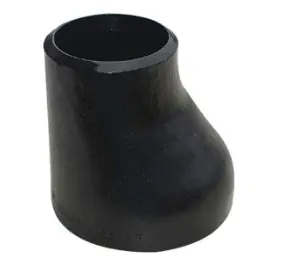
Understanding CS Concentric Reducers and ASTM Standards
Defining Carbon Steel Concentric Reducers in an Industrial Context
CS Concentric Reducers are important parts of pipeline systems that help them move from one state to another. Fluid can flow easily from larger to smaller bore sizes because the structure is uniform. There is no turbulence or big drops in pressure. This centerline alignment sets them apart from eccentric setups and makes them very useful in vertical pipeline orientations, where fair distribution and gravitational forces are most important.
We've seen them used in municipalities' water treatment plants, oil factories, chemical processing plants, and networks that distribute natural gas. The design keeps hydraulic efficiency while holding structural loads. This is why they are so common in high-stakes industrial settings where machine failure has big effects.
ASTM Certification Standards Relevant to Carbon Steel Fittings
ASTM guidelines define what materials are made of, how they should be sized, and how well they should work. ASTM A234 talks about wrought carbon steel and alloy steel fittings in particular. For normal carbon steel uses, WPB grade is the most frequent name. These rules make sure that the chemical makeup is okay (usually no more than 0.30% carbon) and that the mechanical properties meet the minimum standards for tensile strength and yield strength.
Verification of certification includes being able to track down materials, keeping records of how they were heated, and seeing the results of third-party tests. At Oudi, we have both the ISO 9001:2000 quality management approval and the People's Republic of China special equipment manufacturing license. This gives us double peace of mind that our production processes meet foreign standards. During procurement checks and regulatory reviews, this paperwork is very important.
Key Dimensions and Specifications for System Compatibility
To do the right sizing, you need to pay attention to the standard pipe size, the plan marking, and the end preparation. Sizes that are standard run from 1/2 inch to 60 inches, and wall thickness is based on schedule grades from SCH 10 to SCH 160. The cone angle is usually between 30 and 60 degrees, which is the best range for balancing a short installation length with a smooth flow change.
As per ASME B16.25 standards, the ends are bevelled and have a 37.5° ± 2.5° slope with a 1/16-inch root face. This allows for full-penetration butt welding. When two different schedule pipes are joined together, counter-boring the thicker wall part stops any interior steps that could mess up the flow patterns and speed up corrosion at the joint.
CS Concentric Reducer Design Features and Material Types
Symmetrical Design Benefits for Flow Management
The main benefit of the CS Concentric Reducer arrangement is that it is symmetrical along the axes. The centred cone spreads pressure changes evenly around its diameter, while eccentric reducers keep one edge flat. This feature lowers stress concentrations and vibrations in vertical runs where pumps send flow upward or downward through gravity.
Computational fluid dynamics studies show that CS Concentric Reducer transitions of the right size cause very little head loss, usually less than 0.1 psi for most industrial flow rates. This efficiency means that the system will use less energy over its lifetime. This is especially true in places where processes run all the time, and pump power costs are a big part of the working costs.
Carbon Steel Material Advantages and Limitations
Industrial pipe is mostly made of carbon steel because it has a good mix of mechanical strength, weldability, and cost-effectiveness. The tensile strength of ASTM A234 WPB material is over 60,000 psi, and the yield strength is over 35,000 psi. This means that it can handle loads up to 3,000 psi, based on the schedule and temperature.
The material works consistently in mild temperatures up to 800°F and in surroundings that don't corrode it. Chemical protection works well for uses with oil, natural gas, steam, and fresh water. When things are exposed to acidic conditions, saltwater, or high humidity, they are more likely to corrode, so protective coatings or better materials are needed.
Alternatives made of stainless steel are better at resisting rust, but they cost 300–500% more. Alloy steel types contain chromium, molybdenum, or nickel, which improve their high-temperature performance above what carbon steel can do. In the end, the choice of material relies on the working conditions, the expected service life, and the available budget.
Heat Treatment and Quality Assurance Processes
The way something is made affects how it works in the end. When steel blanks are heated, hot forming processes make them into cone shapes. Cold forming processes work on materials that are at room temperature. Normalising heat treatment is usually done on hot-formed reducers to smooth out the grain structure and ease internal stresses. This makes sure that the hardness numbers are below 197 HB, which is what the relevant standards require.
Our plant in Cangzhou does full quality control, from checking the raw materials to checking the finished goods. Dimensional checks, wall thickness readings, and non-destructive testing like ultrasound examination and radiographic inspection are all done by advanced detection tools. This multi-stage process finds flaws in parts before they get to the installation places. This stops expensive failures in the field and delays in the project.
Comparing CS Concentric Reducers with Other Reducer Types
Concentric Versus Eccentric Reducer Selection Criteria
Which design to use—concentric or eccentric—depends on the direction of the pipeline and the needs of the process. CS Concentric Reducers work best in vertical situations where the system needs to stay stable because the flow is spread out evenly. The centred design helps keep stress levels even and makes it easier to place support brackets.
Eccentric reducers are used on horizontal runs, especially pump suction lines, where keeping the top edge flat stops air pockets from building up and damaging the pump through cavitation. Because the design is skewed, gases that are trapped can get out, but solids can't settle at the bottom transition point.
Misapplication leads to problems with operations. If you put a CS Concentric Reducer on a horizontal pump suction line, vapour could build up and make the pump less efficient. This could also cause the seal to fail early. On the other hand, eccentric reducers that are positioned vertically add extra imbalance that isn't needed and doesn't improve functionality.
Material Grade Comparisons Across Carbon Steel, Stainless, and Alloy Options
When judging performance, you have to look at more than just the original buy price. When used in normal situations, CS Concentric Reducers are a great deal because they cost about 40% less than their stainless steel counterparts. Because our factory can make 16,000 tonnes of goods a year, we can offer reasonable prices through economies of scale, which is good for customers who place large orders.
Grades of stainless steel, like 304 or 316, are worth the extra money if they protect tools from rust long enough to make up for the higher cost of purchase. Even though it can be more expensive, chemical plants that work with harsh media, food processing plants that need to be clean, and marine uses that are exposed to the sea often choose stainless materials.
Alloy steel reducers with chromium-molybdenum are used in power generation and petroleum processing, where they need to work at high temperatures and pressures. At temperatures where carbon steel would experience creep deformation and faster rusting, these special grades keep their mechanical qualities.
Practical Guidance on Pressure Rating and Schedule Selection
The pressure class values for buttweld fittings are not the same as those for 150# or 300# flanges. Instead, they can handle the same amount of pressure inside as a seamless pipe made of the same grade of material and at the same time. A Schedule 40 CS Concentric Reducer can handle the same amount of pressure as Schedule 40 pipe, which is about 2,000 psi at room temperature for a 2-inch diameter. This pressure drops as the size and temperature rise.
For pressure-temperature values, engineers should look at the ASME B31.3 Process Piping Code or the guidelines in their own country. When construction pressures are higher than what Schedule 40 can handle, wall thicknesses of at least Schedule 80 are needed. To make sure there are enough safety margins for the whole system's service life, the design process requires close attention to working conditions, safety factors, and code compliance requirements.
Procurement Guide: How to Source ASTM Certified CS Concentric Reducers
Evaluating Supplier Capabilities and Certification Authenticity
Qualifying suppliers is the first step to successful buying. Some things that should be checked are certificates for the quality management system, licenses to make pressure tools, and copies of material test reports. Reliable makers keep records that can be tracked all the way from the mill certificates for the raw materials to the end inspection results.
Every year since 1998, Oudi has helped more than 300 people in over 40 countries in Europe, North and South America, Africa, Southeast Asia, the Middle East, and more. We have a lot of experience exporting, which shows that we can meet a wide range of foreign standards and handle tricky logistics issues. Our 66,600-square-meter plant in Mengcun Hui Autonomous County is close to Tianjin Port—only 120 kilometres away—which makes filling containers quickly and offering low shipping costs possible.
We can make American, Japanese, German, and British standard parts out of carbon steel, stainless steel, and alloy steel because we have advanced production tools and strong technical skills. The wide range of products, including bends, flanges, tees, and CS Concentric Reducers, makes it easier to buy by providing a single source of supply. This cuts down on administrative costs and makes managing vendors easier.
Understanding Pricing Structures and Lead Time Expectations
Material grade, size range, wall thickness, amount bought, and delivery needs are all things that can change the price. In the same size range, CS Concentric Reducers usually cost 30 to 50 per cent less than stainless steel ones. Because they are made of more complicated materials and require more work, Schedule 80 fittings cost more than Schedule 40 fittings.
When you buy more than a certain amount, volume prices start to matter. Orders for a container load are the most cost-effective way to ship goods, and they often qualify for better prices. Standard sizes that are in stock can be shipped within days. Custom requirements, on the other hand, require manufacturing wait times of three to six weeks, based on how complicated the order is and where it is in the production queue.
Customisation Options for Specialised Project Demands
During negotiations, it's important to be clear about payment terms, quality hold points, and review standards. Suppliers with a lot of experience will allow fair inspection requests and provide thorough paperwork to prove that the materials and dimensions are correct. Standard catalogue items can be used for most tasks, but for certain jobs, unique setups are needed.
Changes to dimensions could include non-standard lengths, unique combinations of diameters, or special end preparations. To deal with harsh working conditions, materials can be improved by adding certain alloy formulas or making them more impact-resistant. Oudi can do unique production that includes special heat treatments, protective coatings, and identifying needs that are set by the user. Consulting a technical expert can help you figure out if changes really add value or if normal goods work well enough for the job. This joint method keeps customisation costs from going up for no reason and makes sure that important needs are met.
Case Studies and Application Examples
Oil and Gas Pipeline Integrity Improvements
For a job in the Middle East to move heavy oil, CS Concentric Reducers were needed to connect 24-inch main lines to 16-inch branch circuits. The work had to be done in the desert, where temperatures were above 120°F and pipelines were dug up to 15 feet deep.
Testing under pressure showed that the welded parts could withstand 1,500 psi of water pressure without breaking or leaking. Ultrasonic measures of thickness proved that the walls of the cone piece were all the same thickness and strength. The system has been running nonstop for five years without any repair work being done on the reducers or to check the quality of the materials used or the manufacturing process.
Chemical Processing Plant Flow Optimisation
A chemical company in Europe improved their reactor feed system by switching from threaded connections to buttweld CS Concentric Reducers. This got rid of any places where corrosion could cause leaks. The epoxy finishing systems protected the ASTM-certified carbon steel parts that changed the flow from 8-inch supply heads to 4-inch reactor inlet nozzles.
After the installation, tracking the flow showed that the pump used 15% less energy, which was due to better hydraulic efficiency. Getting rid of the vibrations caused by turbulence increased the life of mechanical seals by about 40%. This cut down on repair costs and unplanned downtime.
Water Treatment Facility Capacity Expansion
A local water treatment plant in North America increased its handling capacity by 30%, which meant that pipelines had to be changed to handle the higher flow rates. CS Concentric Reducers made to ANSI B16.9 standards connected new 20-inch distribution mains to 12-inch equipment that was already there.
A non-destructive study, which included radiographic testing, proved that the quality of the weld met the standards of the AWS D1.1 structural welding code. After two years of steady service, the installation has been able to handle daily treatment amounts of more than 50 million gallons, passing tests at 200 psi.
Conclusion
To choose the right CS Concentric Reducer choices, you have to balance performance needs, material properties, and cost concerns while following ASTM approval guidelines. The symmetrical design gives the best flow properties for vertical pipeline uses in the water, oil, chemicals, and natural gas businesses. When used in the right conditions, carbon steel material provides solid service at a lower cost than more expensive options.
A successful purchase relies on evaluating suppliers, checking their certifications, and making sure that all size and material requirements are clearly stated. When quality-certified goods are used correctly, real-life case studies show measurable benefits such as improved system integrity, lower energy use, and longer component service life.
FAQ
What distinguishes ASTM-certified from non-certified carbon steel concentric reducers?
What makes CS Concentric Reducers that are ASTM approved different from those that are not? ASTM certification proves that the makeup of the material, its mechanical qualities, and the way it was made meet established standards. Certified parts have material test results that can be checked, records of the heat treatment process, and proof of their tracking. Non-certified goods don't have independent proof, which makes it hard to know what the real material properties and performance capabilities are. Following the specifications is very important in controlled industries where broken equipment can affect people's safety or the environment.
When should concentric reducers be chosen over eccentric configurations?
When is it better to use CS Concentric Reducers instead of eccentric ones? CS Concentric Reducers work best for vertical pipeline runs where the flow is spread out evenly and the alignment is centred. Because they have a flat top, eccentric reducers can be used in horizontal applications, like pump pressure lines, where air pockets that cause cavitation can't form. The right configuration is chosen based on the orientation and individual operating needs.
What factors influence custom order lead times?
What affects the lead time for a special order? Lead time factors include the state of the production line, the supply of materials, the difficulty of the size, and any unique needs, such as non-standard measurements or better materials. Standard catalogue items in stock usually ship within days, but items made to order usually take three to six weeks. Orders with a lot of items or testing needs that are unique may make deadlines longer. Clear communication during the quote process sets reasonable delivery goals that are in line with the project plan.
Partner with Oudi for Reliable CS Concentric Reducer Supply
Oudi has more than 20 years of experience making CS Concentric Reducers, a long list of certifications, and a track record of being able to work with suppliers all over the world. Our ISO 9001:2000 quality management system and special equipment production licenses make sure that every CS Concentric Reducer source relationship gets strict quality control, from checking the raw materials to checking the finished product. The yearly production capacity of 16,000 tonnes serves projects ranging from single containers to long-term supply agreements. Advanced detection equipment checks the accuracy of the dimensions and the integrity of the materials.
Contact our technical sales team at oudi-04@oudiguandao.com to discuss your specific requirements. We provide detailed quotations, material certifications, and engineering support, helping you select optimal configurations for your application. Bulk order discounts and flexible customisation options demonstrate our commitment to delivering value throughout the procurement process.
References
1. American Society of Mechanical Engineers. "ASME B16.9: Factory-Made Wrought Buttwelding Fittings." ASME International, 2018.
2. ASTM International. "ASTM A234/A234M: Standard Specification for Piping Fittings of Wrought Carbon Steel and Alloy Steel for Moderate and High Temperature Service." ASTM International, 2019.
3. Nayyar, Mohinder L. "Piping Handbook." 8th Edition, McGraw-Hill Professional, 2016.
4. American Society of Mechanical Engineers. "ASME B31.3: Process Piping." ASME International, 2020.
5. Singh, Rajendra. "Applied Welding Engineering: Processes, Codes, and Standards." 3rd Edition, Butterworth-Heinemann, 2020.
6. Avery, Robert E. "Piping Systems Manual." McGraw-Hill Professional, 2015.

Need help finding the right solution with our experts. Please contact us.

SINCE 1998 Your Reliable Pipeline Manufacturer



