High Temperature Pipe Tee in the Petrochemical Industry: Uses?
High Temperature Pipe Tee is an essential T-shaped fitting in petroleum plants because they allow fluids to branch off safely in places where the temperature regularly exceeds 400°C. These special parts solve important problems in the workplace, like temperature expansion stress, carburisation from gas exposure, and oxidation-induced wall thinning, which would break down regular carbon steel fittings in just a few weeks. They are made from Chrome-Molybdenum alloys, austenitic steel grades, or Nickel-based superalloys, and they keep their structure when other materials fail horribly. Their use includes ethylene cracking units, catalytic reformers, and delayed coking systems—places where temperature changes and corrosive media call for fittings that don't creep, bend and keep links leak-tight for decades of continuous service.
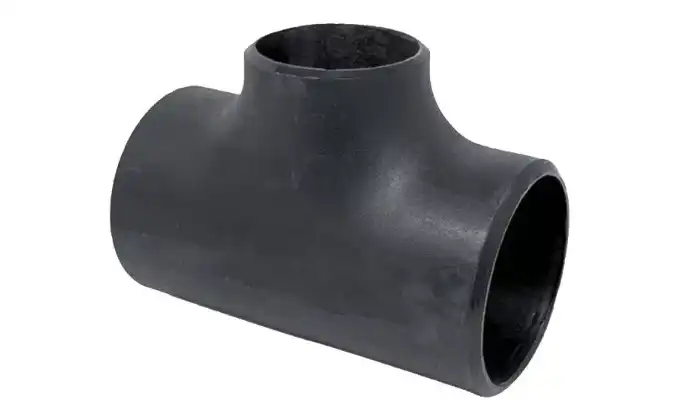
Understanding High Temperature Pipe Tees: Definition and Basic Concepts
Precision-engineered branch connectors called High Temperature Pipe Tees are made for petrochemical settings where fluid temps regularly push the limits of what materials can handle. These parts are different from general-purpose fittings that are rated for mild or ambient conditions because they use advanced metallurgical solutions to fight heat fatigue and chemical attacks that are common in refinery operations.
What Distinguishes High Temperature Pipe Tees from Standard Fittings
The main difference is in the types of materials used and how carefully they are made. Standard High Temperature Pipe Tees made from ASTM A234 WPB carbon steel lose their mechanical strength above 370°C because they oxidise and creep more quickly. For high temperatures, some types of steel use alloys like WP91 or WP22, which have Chromium and Molybdenum in them to keep the grain structure stable under long-term heat load. In these alloying elements, protective oxide scales are formed that stop more metal loss. At temperatures where regular steel becomes malleable and easily permanently deformed, the tensile strength stays the same.
Core Operational Parameters in Petrochemical Applications
Petrochemical High Temperature Pipe Tees need to meet a lot of different performance requirements at the same time. Hydrotreating units can handle temperatures up to 450°C, while steam methane reformers can handle temperatures up to 900°C. Pressure levels usually range from 150 to 2500 PSI, which means that the ASME B31.3 process pipe code needs to be used to figure out the wall thickness. At the branch intersection, where three flow lines meet, there is a lot of stress, so a radiographic check is needed to find holes in the ground that could cause cracks to form. Choosing the right material depends on the process fluid. For example, sulfur-containing streams need 347H stainless steel to avoid carbide precipitation, while hydrogen service needs Nelson curve compliance to stop cracks caused by hydrogen.
Material Options and Their Temperature Performance
Carbon steel types like ASTM A234 WP22 are inexpensive options for moderately high temperatures up to 540°C. They are often used in air columns for crude distillation. When temperatures rise or corrosive conditions get worse, austenitic stainless steel types like 310S are needed because they can survive oxidation up to 1100°C in regenerative thermal oxidisers. Nickel alloys, like Inconel 625, are the best because they don't crack or break under chloride stress or become carburised in ethylene pyrolysis ovens, which are places where 850°C petroleum vapour hits metal surfaces. Depending on the pressure class, you can choose between seamless and welded construction. Seamless High Temperature Pipe Tees made by hot piercing don't have any join gaps that could rust, while welded versions made to ASME B16.9 standards are better for lower-pressure headers.
Key Uses and Advantages of High Temperature Pipe Tees in the Petrochemical Industry
High-temperature pipe tees are used in the petroleum industry to keep the flow of processes intact during the roughest unit operations. These fittings work as flow distribution nodes, sending superheated streams between reactors, filters, and heat recovery systems. They can handle conditions that would break down less durable parts in months.
Primary Applications Across Refining and Chemical Production
These High Temperature Pipe Tees are used by catalytic cracking units to separate regenerator flue gas streams that are 650°C and contain catalyst fines that wear down standard fittings through sharp wear. When making ethylene, furnace exit heads use High Temperature Pipe Tees made of WP91 alloy to branch oil injection lines. This is done so that coke doesn't form in the transfer line exchanges when the temperature drops quickly from 820°C. Hydrogen reforming plants need these fittings to move synthesis gas around at 900°C and 400 PSI, which are extreme conditions where the wrong material can burst catastrophically. Delayed coking drum systems move 480°C vacuum resid through heavy-wall High Temperature Pipe Tees that can handle both thermal shock during water cooling cycles and sulfidic rust from feedstocks that are high in sulphur.
Performance Advantages That Justify Premium Investment
Engineers choose custom-made High Temperature Pipe Tees because they provide measured operating benefits. Chrome-Moly metals have a creep-rupture strength that keeps their dimensions from changing even when they are under constant high-temperature stress. This keeps important downstream equipment aligned. Better resistance to rust cuts metal loss by 70% compared to carbon steel. This means that inspections can be done more often and replacements can be put off. Thermal wear resistance can handle changes in temperature from startup to stop without creating tiny cracks that grow into leaks. Because of these qualities, unexpected downtime is less likely to happen. In an ethylene plant, a single furnace trip costs $150,000 a day in missed production, so reliable fittings are a cheap way to protect against failure.
The substance can create solid oxide layers that stop rusting on their own, which is different from carbon steel, where scaling speeds up as surface area grows. Procurement managers know that the 2-3X higher initial cost is worth it because the product lasts longer. For example, an alloy High Temperature Pipe Tee can be used for 15 years instead of 4 years, which means that it costs less over the course of its lifetime, even when you count the costs of installation, inspection, and production interruption.
Comparing High Temperature Pipe Tees: Materials, Grades, and Designs
To do good buying, you need to know how the qualities of materials, the ways they are made, and the standards for sizes all work together to meet the needs of petrochemical service conditions. The choice matrix is more than just a list of temperatures; it also includes information about rust, changing pressures, and meeting government standards for High Temperature Pipe Tees.
Alloy Steel Grades and Their Optimal Service Windows
ASTM A234 WP22 (2.25Cr-1Mo) High Temperature Pipe Tees can be used safely in hydrogen reformer feed systems up to 590°C. They are more resistant to hydrogen attack than carbon steel, but they can still be welded to carbon steel pipes. The main grade for ultra-supercritical uses is WP91 (9Cr-1Mo-V). It can keep its 100 MPa tensile strength at 600°C thanks to a vanadium-stabilised martensitic microstructure. Type 347H stainless steel stops intergranular corrosion in stable service where temperatures change through the carbide precipitation range of 425–815°C. This is very important for plastics reactors that do a lot of batch cycles.
Seamless vs. Welded Construction Trade-offs
Seamless High Temperature Pipe Tees made by hot extrusion have a uniform grain structure and don't have any weld heat-affected zones that put extra stress on certain areas. This design works well for important high-pressure heads that could fail badly if they do. Plate-based welded High Temperature Pipe Tees meet ASME B16.9 standards and cost 30% less. They are fine for moderate-pressure systems with thick walls that offer enough safety cushion. It is important to carefully look at the branch reinforcement zone. Seamless designs naturally reinforce material consistency, but welded designs may need extra reinforcement pads when branch-to-run width ratios are higher than 0.5.
Industry Standards Governing Dimensional and Pressure Specifications
In ASME B16.9, the centre-to-end measurements, wall thickness, and branch angle accuracy for factory-made metal fittings are all spelt out. The ASME B31.3 process pipe code requires pressure-temperature rates, which need to be lowered as the service temperature rises. For example, a WP22 High Temperature Pipe Tee that is rated at 1480 PSI at 20°C drops to 830 PSI at 540°C. The ASME Section II acceptable materials list must have the material grades and allowed stress values that go with them. International purchasing is made easier with ISO 3419, but projects that follow ASME codes need parts with ASME manufacturer approval marks that show they follow the codes by being inspected by a third party.
Installation, Maintenance, and Longevity Best Practices
How well High Temperature Pipe Tees are installed and maintained determines whether they last the 20 years that were planned for them or break down early, causing problems with production and safety.
Installation Procedures That Prevent Premature Failure
To properly weld Chrome-Moly High Temperature Pipe Tees, you need to follow the steps outlined in ASME Section IX. Preheating temperatures between 200°C and 260°C keep thick sections from hydrogen cracking, and interpass temperature limits of 315°C keep grains from getting bigger, which lowers the hardness. Post-weld heat treatment is required for P-Number 5 materials (WP22, WP91). Controlled heating at 705°C for one hour per inch of width relieves remaining stresses. If you don't do PWHT, parts can crack and break easily from stress rust. Fit-up tolerances are important because gaps that are too big and need more than one weld pass add more heat and make the heat-affected zone wider, making areas with changed structures more vulnerable to attack.
Inspection and Monitoring Strategies for Extended Service Life
Maintenance systems that work well mix online monitoring with regular inspections. Initial standard ultrasonic thickness readings show the wall's dimensions as they were placed at the High Temperature Pipe Tee crotch radius, which is the high-stress area most likely to thin. Every year, UT scans check how much metal is being lost and replace it when the thickness gets close to the minimum level required by API 579 fitness-for-service testing. Testing for hardness shows that PWHT met the goals. For Chrome-Moly grades, the hardness needs to be between 180 and 250 Brinell to be just right for strength and flexibility. Visual inspection shows that the external oxidation scale is peeling off. This means that the protected Chromium oxide layers are failing, which will lead to faster waste. During operation, thermographic scanning finds strange temperature patterns that could mean that there is internal fouling or flow limits that raise the thermal stress in the area.
Maintenance times depend on how bad the service is. Because of active sulfidation, catalytic cracking units that use high-sulfur feeds need to be inspected every year. However, clean hydrogen service can extend rounds to 48 months. By keeping track of inspection results, repairs, and material certificates, you can build an asset history that can be used for predictive maintenance modelling. This helps you figure out when to replace things so that you don't throw away working parts too soon or have parts fail unexpectedly.
Procurement Insights: Buying High Temperature Pipe Tees for Petrochemical Projects
To strategically source High Temperature Pipe Tees, you have to find a balance between technical compliance, seller trustworthiness, and total cost of ownership. You also have to meet tight project deadlines that don't allow for delivery delays or quality problems.
Supplier Qualification and Certification Verification
The first step in procurement is to check the qualifications of the maker. While ISO 9001:2015 certification shows that a quality management system is mature, petroleum projects usually need ASME certification, which shows that the code is being followed by having an authorised inspector keep an eye on things. Suppliers should have licenses to make special tools that show they know how to make pressure-retaining parts. Material test records must link chemical and mechanical properties to specific heat numbers. X-ray fluorescence must be used to positively identify the material and prove the alloy makeup that was reported. Third-party inspection services, such as TÜV or Bureau Veritas, offer independent checks when buying from unknown sources. This lowers the risk of getting fake materials into supply lines, which could have terrible effects.
Our Manufacturing Capabilities at Oudi
Since 1998, Oudi has been making precision High Temperature Pipe Tees in our 66,600-square-meter factory in Cangzhou, which is conveniently located 120 kilometres from Tianjin Port for quick and easy shipping around the world. Our yearly production capacity is 16,000 tonnes, which means we can meet the needs of both sample orders and large-scale project requirements without having to rush deliveries. We make High Temperature Pipe Tees out of carbon steel, stainless steel, and alloy steel that meet ANSI, JIS, DIN, and BS standards. This gives buying managers for international projects more options when it comes to meeting requirements.
Advanced non-destructive testing tools, like radiography and ultrasound inspection systems, are part of our quality control infrastructure. They find internal flaws that can't be seen with the naked eye. Positive material identification spectrometers check the chemistry of the alloy after each heat, and precise hardness tests make sure that the heat treatment worked. Our ISO 9001:2000-certified quality management system runs this thorough testing program, which makes sure that every part that leaves our plant meets the written requirements. Chinese regulatory officials have given us licenses to make special equipment, which shows that we know how to make pressure-retaining parts for vital work. When risk-averse procurement teams are looking at new sources for high-stakes jobs, these certificates give them the third-party proof they need.
Cost Structures and Volume Pricing Strategies
The unit price of High Temperature Pipe Tees shows how complicated the material grade is. Standard WP22 High Temperature Pipe Tees made of carbon steel cost between $45 and $120 each, based on size and schedule. However, each Inconel 625 fitting costs between $800 and $2,200 because the nickel-chromium base metal is so expensive. When compared to joined versions, seamless building costs 25–40% more. Depending on where you live and how much labour costs, installation costs can be anywhere from 30 to 50 per cent of the cost of the materials. This includes welding, testing, and PWHT. Lead times range from 6 to 12 weeks for normal catalogue items and from 16 to 20 weeks for custom sizes or rare alloys that need special mill orders.
Through economies of scale, buying in bulk can save you a lot of money. Orders over 50 tonnes can get prices negotiated down by 12 to 18%, and multi-year framework deals with set volumes let providers make the best use of production schedules and pass on savings to customers. Instead of splitting up purchases that lose volume advantage, procurement managers should look at the total project needs across multiple units to combine orders. Customisation based on project requirements, like a certain wall thickness or unique branch angles, costs more up front but avoids changes in the field that could affect quality and cause delays.
Conclusion
High-temperature pipe tees are an important part of petroleum processes because they keep fluids moving even when the temperature and chemicals are very high and push the limits of the material. Choosing the right materials for the job, making sure they are manufactured correctly, and following strict installation procedures are what determine whether these parts last as long as they're supposed to or break down, putting output and safety at risk. To do great procurement, you need to work with certified makers who have a track record of knowledge, strong quality systems, and enough production capacity to meet project deadlines. Engineers and buying managers can make choices that save money over the life of a product while still keeping it operationally sound if they understand how alloy metallurgy, design codes, and operational stressors work together.
FAQ
What temperature range can ASTM A234 WP91 tees withstand continuously?
WP91 grade High Temperature Pipe Tees keep their structural integrity in continued service up to 600°C, meeting the ASME B31.3 allowed stress tables for creep-rupture strength. Metallurgical changes make the mechanical qualities worse above this point, so for higher temperature uses, you need to switch to austenitic stainless grades or nickel-based metals.
Why is Post-Weld Heat Treatment mandatory for Chrome-Moly tees?
PWHT reduces the forces that were put on the material during welding, especially at the joint toe and heat-affected zone. When these tension stresses are added to service loads without stress release, they can cause stress corrosion cracking or brittle fracture. The controlled heating cycle also softens the martensite that forms when the weld cools, which is necessary for the pressure containment to stay intact.
Can I substitute stainless steel tees for the specified alloy steel grades?
For substitution to work, engineers have to check that the two are compatible. At the same temperatures, austenitic stainless steels are better at resisting rust than ferritic Chrome-Moly metals, but they have lower creep strength. Differential thermal expansion between carbon steel pipes and stainless steel High Temperature Pipe Tees adds to the stress during temperature cycles. Changes in materials can also affect the qualifications needed for a welding process and may mean that different metal welding techniques need to be used.
Partner with Oudi for Reliable High Temperature Pipe Tee Supply
Oudi sells approved, high-performance High Temperature Pipe Tee parts that are made to work in the harsh conditions of petrochemical plants around the world. We are a reliable manufacturer with more than 25 years of experience. We use our advanced mechanical knowledge and strict quality control to make fittings that meet the requirements of ASME, ASTM, and ISO. Our wide range of products includes carbon steel, stainless steel, and Chrome-Moly alloy types in both seamless and welded forms. All of our materials can be tracked back to their source, and we can also have a third-party check the products for you. We can handle both pressing turnaround needs and large-scale project builds thanks to our 16,000-ton yearly capacity and ISO 9001-certified processes. Contact our expert sales team at oudi-04@oudiguandao.com to talk about your specific application needs, get full material test reports, or get project-specific quotes that fit your budget and time frame for procurement.
References
1. American Society of Mechanical Engineers. ASME B16.9: Factory-Made Wrought Buttwelding Fittings. New York: ASME Press, 2018.
2. American Society of Mechanical Engineers. ASME B31.3: Process Piping Code. New York: ASME Press, 2020.
3. ASTM International. ASTM A234/A234M: Standard Specification for Piping Fittings of Wrought Carbon Steel and Alloy Steel for Moderate and High Temperature Service. West Conshohocken: ASTM International, 2019.
4. Bhadeshia, H.K.D.H. and John, R. Steels for High Temperature Applications. London: Institute of Materials, 2016.
5. Viswanathan, R. Damage Mechanisms and Life Assessment of High-Temperature Components. Materials Park: ASM International, 2017.
6. Kutz, Myer. Handbook of Materials Selection for Engineering Applications. New York: McGraw-Hill Professional, 2015.

Need help finding the right solution with our experts. Please contact us.

SINCE 1998 Your Reliable Pipeline Manufacturer



