CS Concentric Reducer for Smooth Flow Transition
To make a smooth flow change between pipes of different sizes in industrial systems, precise engineering is needed. A Concentric Reducer Carbon Steel is the best choice for vertical pipe uses in chemical processing plants, power plants, and factories. This symmetrical fitting keeps the centerline of the inlet and exit lines the same. This makes a smooth cone-shaped transition that keeps the flow moving even when pressures are higher than 1500 PSI. The eccentric variant is made for horizontal placements, while the concentric version works best when structural alignment and balanced fluid movement are what make the system reliable.
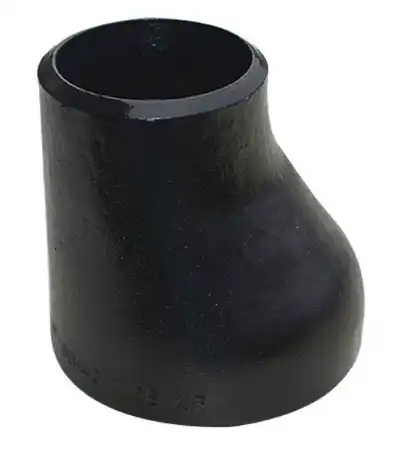
Understanding Carbon Steel Concentric Reducers
What Defines This Critical Pipe Fitting Component?
The Concentric Reducer Carbon Steel connects two pipes of different sizes while keeping their centerlines straight. Eccentric reducers, which shift the axis to keep the edge flat, are very different from this cone-shaped piece. The symmetrical shape solves three common problems for procurement teams: reducing turbulence in vertical flow paths, making support structures easier to build by keeping centerlines consistent, and eliminating the risk of cavitation in discharge lines. Engineers define these fittings according to ASME B16.9 standards. The outer diameter of the larger pipe sets the face-to-face measurements, ensuring they can be used with fittings from different makers.
Material Advantages That Matter in Industrial Environments
Carbon steel is unique among pipe materials because it has a great mix of being strong and being cost-effective. Our manufacturing process turns carbon steel into reducers that can handle temperature changes between -20°F and 650°F. This means they can be used in both low-temperature and high-temperature situations. Because the material is naturally tough, it doesn't get worn down by vibrations when the pump is empty, and its dimensions stay the same even when the pressure changes. In non-corrosive settings, carbon steel is 40% cheaper than austenitic stainless steel without lowering the strength of the structure. There are different types of alloy steel for very harsh conditions, but carbon steel is still the most common material for industrial pipe systems because it is easy to weld and comes in sizes from SCH 10 to XXS.
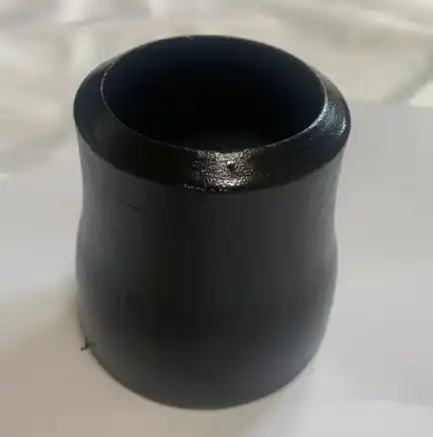
Standardization and Customization Capabilities
This ability is a service that EPC companies that are working on tight building schedules really value.
Benefits and Applications of Carbon Steel Concentric Reducers
Operational Advantages in Pipeline Systems
This feature is especially important in vertical pump discharge lines, where keeping the pressure head steady affects the size of the pump and how much energy it uses.
Testing at our lab shows that smooth changes reduce pressure drops by 15–22%, which means that over the 20-year life of a system, it will cost less to pump. The even flow profile also lowers the rate of erosion in slurry uses, which makes mining and material processing equipment last longer. In boiler feedwater systems, where fast thermal transients happen during startup processes, temperature resilience is critical. Our carbon steel reducers keep their shape even after repeated thermal shocks that would break more fragile materials.
Industry-Specific Application Scenarios
Installations in the real world show how flexible circular reducers are in a wide range of fields. These fittings are used to connect output manifolds to export pipes on offshore oil platforms. They can handle crude oil temperatures of up to 180°F and dissolved gases without breaking down. Chemical processing plants use them in reactor feed systems to keep the flow smooth so that hot spots caused by turbulence don't cause unwanted reactions.
Municipal water treatment plants use concentric reducers in the feed lines to vertical clarifiers because they clean themselves and prevent biofilm buildup that occurs when eccentric fittings are installed incorrectly. For example, ballast systems and fire suppression networks are used in shipbuilding because they require small installation areas and have reliable flow features that meet military design needs. Power generation extends beyond steam systems and includes cooling water circuits. In these cases, reducers transition the exits from large-diameter condensers to smaller distribution headers while reducing cavitation noise, which indicates that repair problems are beginning to develop.
Technical Comparison: Concentric Versus Eccentric Configurations
Installation mistakes that cost a lot of money can be avoided by knowing when to use each type of damper. Concentric reducers keep the flow symmetrical, which is important for vertical positions in both pump output risers and gravity drain lines. The central shift stops flow paths that are too favorable and lead to uneven wear patterns. On the other hand, eccentric reducers with their flat sides work well with horizontal suction pipes because the continuous top surface stops air pockets from forming, which keep pump impellers from getting enough power.
When installed vertically, pressure drop figures indicate that there aren't many changes between the two types. However, when installed horizontally and concentrically, dead zones form where gases build up, which can cause water hammer events and cavitation damage. Because they are easier to line, concentric reducers are cheaper to install in vertical runs. Welders can get the pipes to fit together correctly faster when they are both centered instead of keeping them in a specific top-flat or bottom-flat mode. This means that large-diameter pipe projects with hundreds of fittings that need to be welded in the field can be completed 20–30% faster.
How to Choose the Right Carbon Steel Concentric Reducer?
Critical Selection Parameters for Procurement Professionals
To choose the right Concentric Reducer Carbon Steel, you need to think about a lot of technical factors that will affect its long-term performance. For process pipes, the pressure values must be higher than the highest working pressures by the safety margins set out in ASME B31.3 or B31.1 for power pipes. Standard carbon steel reducers can handle pressures up to ANSI Class 2500, but most industry uses are between Class 150 and 600. Temperature limits rely on the type of material. For example, ASTM A234 WPB is good up to 650°F, while WP11 alloy steel can handle up to 1100°F for uses involving superheated steam.
Size compatibility is more than just meeting the width. Scheduling the wall thickness tells us if a typical reduction gives the transition zone enough support. Engineers figure out the necessary thicknesses by changing Barlow's formula to account for cone angles. However, ASME B16.9 gives them pre-calculated schedules for common setups. Connection types depend on the needs of the project. Butt weld ends are best for large diameter applications because they offer full-penetration joints that can be inspected with X-rays. Socket weld configurations are best for smaller sizes below 2 inches, and threaded connections are best for low-pressure instrument tubing, even though they can become loose from vibration.
Material Selection Trade-offs and Cost Considerations
When you compare different types of materials, you can see that some are better than others based on the service conditions and your budget. It is best to use carbon steel in neutral pH settings where it won't be exposed to chloride, and it costs 60% less than 316 stainless steel versions. When protective layers stop atmospheric rust during storage and installation, there isn't much maintenance that needs to be done. In acidic or high-chloride conditions, stainless steel is needed, but it costs more to buy and requires special welding techniques, which adds to the project's costs.
Alloy steels with chromium and molybdenum fill in the gaps. They are 25–30% pricier than carbon steel but have better resistance to rust and strength at high temperatures. PVC and CPVC are options for low-pressure water systems, but they can only handle temperatures up to 150°F and aren't very resistant to impact, so they can't be used in commercial settings. The total cost of ownership must include the cost of installation work. Because carbon steel is easy to weld, it doesn't need as many skilled contractors as stainless steel does, which drives up installation costs.
Pricing Structures and Lead Time Planning
Carbon circular steel reducers are priced on the market based on the cost of raw materials, the difficulty of production, and the number of orders. Standard stock sizes on common schedules ship within two to three weeks from domestic inventory. Custom setups, on the other hand, take six to eight weeks from the time an order is confirmed until it is produced and checked for quality. When compared to spot purchases, bulk buying deals with annual volume contracts offer 12–18% discounts. This is a big factor for EPC contractors who are handling multiple projects at the same time.
Procurement teams have to weigh these factors against the cost of keeping goods on hand.
Procurement Guide: Sourcing Carbon Steel Concentric Reducers
Identifying Qualified Suppliers and Manufacturers
Finding Concentric Reducer Carbon Steel manufacturers and suppliers who are qualified means carefully looking at their certificates and skills to make sure the quality of the products they offer. ISO 9001:2000 approval shows that quality management systems are in place, while a manufacturing license for pressure equipment from the government proves that the law is being followed. We keep both of these certifications up to date, along with ASME quality system certificates that let us put code stamps on piping goods. Checking includes looking at the production equipment that suppliers have on hand. For example, CNC machining centers and hydraulic presses show that they can control exact dimensions, and spectroscopy equipment and hydrostatic test facilities show that they can check quality in-house.
Site checks by independent inspection groups give you even more peace of mind. Customers are free to come to our facility and look at our heat treatment methods, raw material traceability systems, and non-destructive testing processes. Experience exporting to regulated markets is a secondary sign of quality, since suppliers working on projects in North America and Europe always have to meet tougher compliance standards than those only working on projects in developing markets. We've created documentation procedures that meet the needs of over 300 users in 40 countries. These procedures cover a wide range of legal systems, from API 5L for line pipe uses to PED certification for European pressure equipment.
Ordering Logistics and Quality Assurance Mechanisms
Clear sharing of requirements is the first step to efficient buying. Standards that apply (ASME B16.9), material grades (ASTM A234 WPB), measurement plans, and needed certifications should all be listed on purchase orders. Our technical team helps customers turn project guidelines into requirements that can be manufactured. They also look for possible conflicts between different standards that could slow down production. Standard sizes from our catalog ship straight from our collection of finished goods. Custom sizes, on the other hand, go into production queues that are arranged by order date and volume.
Quality control during the whole production process prevents errors that could damage the system from happening. Before machining starts, spectroscopy is used to check the chemical makeup of the raw material to make sure it meets grade standards. Dimensional checking at several stages of production finds problems early on, and final hydraulic testing to 1.5 times the design pressure confirms the structure's strength. Ultrasonic thickness verification, magnetic particle inspection for surface flaws, and radiographic study of key welds on fabricated reducers are all non-destructive testing choices. Each shipment comes with a mill test report that lists all of the inspection results. This report gives the necessary tracking information for project quality files and regulatory entries.
Ensuring Smooth Flow Transition with Carbon Steel Concentric Reducers
Installation Best Practices for Optimal Performance
Using Concentric Reducer Carbon Steel to make sure a smooth flow transition involves following strict installation techniques. The right way to put a quality fitting determines whether it works as planned or becomes an upkeep headache. The first step in the alignment process is to make sure that both lines share a shared centerline within a certain range of tolerances. For diameters less than 12 inches, this range is usually 1/8 inch. Welders must stick to the given bevel angle and root gap, because if they don't, they can make stress peaks or partial fusion zones that are more likely to crack when the pressure changes.
How much preheating is needed depends on the grade and width of the material. Carbon steel with walls thicker than 3/4 inch usually needs to be heated to 200 to 300°F to keep the microstructures from becoming brittle in the heat-affected zone. For pressure services above ANSI Class 600 or wall thicknesses above certain code limits, post-weld heat treatment is required. When spot welding, internal alignment clamps keep things in a straight line, which stops the rotational misalignment that leads to turbulence and early erosion. When welding stainless steel, properly cleaning with inert gas stops sugaring on the inside surface. However, this step is usually not needed for carbon steel uses unless they are meant to be used with oxygen.
Real-World Performance and Client Testimonials
The design benefits of circular reducers are proven by installations in several different businesses. A plant on the Gulf Coast said that it stopped having frequent pump failures after installing concentric units on vertical discharge lines instead of eccentric ones, which fixed installation problems. This cut yearly maintenance costs by $180,000. The shaking that used to damage mechanical seals every 4 to 6 months was taken care of by the uniform flow profile.
After finding that concentric reducers last longer than mixed designs, municipal water authorities in the Midwest have made them the standard for vertical pump station uses. One review stated: "The self-draining characteristic during maintenance shutdowns simplifies our winterization procedures, and we haven't experienced the cracking issues that plagued our older eccentric installations subjected to freeze-thaw cycles."
Power generation clients like that they can predict how much the hangers will expand and contract, which makes hanger design easier. An engineering manager at a 500MW combined-cycle plant said: "Standardizing on concentric reducers throughout our steam systems reduced hanger calculation complexity and eliminated the misalignment issues we previously encountered during thermal transients. Our last outage inspection showed no evidence of the pipe stress indicators that concerned us with our previous mixed-configuration approach."
Maintenance Protocols for Extended Service Life
To make a reducer last longer, it needs to be inspected and maintained regularly in a way that follows the rules for the whole pipe system. During plant turnarounds, visual checks from the outside should look for rust, worn-down coatings, and support hanger alignment. By using a borescope to look inside through close flanges, you can find erosion patterns that point to damage from upstream turbulence or cavitation that needs to be looked into.
Ultrasonic thickness checking every five years keeps track of the rate of metal loss, which lets repair plans be made ahead of time before the wall thickness falls below the minimum safe values. Touching up the protective layer stops corrosion from starting where there is damage, especially on areas that are open to weather or process fluids. To keep electrical routes open, cathodic protection systems in underground service need continuity bonding over welded joints. Monitoring vibrations in pump discharge systems can help find cavitation or flow-induced resonance before they cause mechanical damage. This lets you fix the problem by changing the flow rate or rearranging the system.
Conclusion
In conclusion, when building with Concentric Reducer Carbon Steel, choosing the right fitting means finding a balance between technical specs, the qualities of the material, and the supplier's skills. In vertical pipe uses in the oil, chemical, power production, and water treatment industries, and these fittings provide reliable flow transition. The symmetrical design cuts down on noise and air losses while making the support structures and assembly easier. To be successful with procurement, you need to check the certifications of suppliers, list all of your technical needs, and follow the right installation procedures. Our ISO 9001:2000 certification and 25 years of experience making things make sure that the quality is always the same and is backed up by thorough testing methods. Carbon steel circular reducers have been shown to work well in tough industrial settings at the best price, whether your project calls for standard catalog sizes or custom-engineered configurations.
FAQ
What distinguishes a concentric reducer from an eccentric reducer in practical applications?
In real life, what makes a Concentric Reducer Carbon Steel different from an eccentric reducer? What makes the main difference is the central orientation. Concentric reducers keep both pipe ends on the same line. This makes a symmetrical cone shape that works well for vertical setups and keeps air from getting trapped. Eccentric reducers move the centerlines away from each other to make a flat side on either the top or bottom. This keeps gas from building up in the horizontal pressure lines. If you use the wrong concentric fittings on a horizontal pump suction, air pockets form that lead to cavitation and damage to the pump. This is why it is so important to make the right choice.
Can concentric reducers handle high-pressure steam applications in power plants?
If they are made from ASTM A234 WPB material, carbon steel circular reducers are commonly used in steam systems up to 1500 PSI and 650°F. For higher temps, you need alloy steel types that stay strong above 900°F, such as WP11 or WP22. The circular design keeps the centerlines of the pipes aligned, which is necessary for even thermal expansion across support systems. This stops stress from building up that leads to hanger failures in superheater connections.
How are reducer dimensions standardized across different manufacturers?
Face-to-face lengths are specified by ASME B16.9 based on the larger pipe diameter. This makes sure that pipes from different sources can be used together. The wall thickness is based on pipe plans (40, 80, 160) that match pipes that are joined. For widths less than 22 mm, bevel angles are always 37.5° ±2.5°, which makes field welding easier. This standardization makes it possible for buying teams to get goods from a number of qualified sellers without having to redesign support systems or change the way they are installed.
Partner with Oudi for Your Concentric Reducer Carbon Steel Requirements
For your Concentric Reducer Carbon Steel needs, partner with Oudi. Buying industrial pipes can be hard, so you need a production partner with a track record of success and on-time delivery. Oudi has been making pipe fittings out of carbon steel, stainless steel, and alloy steel to ANSI, JIS, DIN, and BS standards since 1998 and sells them all over the world. Each year, they make 16,000 tons of these fittings. Our ISO 9001:2000 certification and permission to make special tools show that we are dedicated to quality, from checking the raw materials to doing the final inspection. We keep a large stock of basic Concentric Reducer Carbon Steel configurations and can also make them to any size to fit your individual project needs. Our experience exporting to 40 countries makes sure that processes and paperwork go smoothly, whether your project involves factories in the Americas, chemical plants in Europe, or power plants in Southeast Asia. Get in touch with our technical team at oudi-04@oudiguandao.com to talk about your needs with a dependable Concentric Reducer Carbon Steel source, ask for mill test reports, or set up sample packages to see if we can meet your needs before committing to large-scale production.
References
1. American Society of Mechanical Engineers. (2018). ASME B16.9: Factory-Made Wrought Buttwelding Fittings. New York: ASME Press.
2. ASTM International. (2020). ASTM A234/A234M: Standard Specification for Piping Fittings of Wrought Carbon Steel and Alloy Steel for Moderate and High Temperature Service. West Conshohocken: ASTM International.
3. Mohitpour, M., Golshan, H., & Murray, A. (2007). Pipeline Design and Construction: A Practical Approach (3rd ed.). New York: American Society of Mechanical Engineers.
4. Nayyar, M. L. (2000). Piping Handbook (7th ed.). New York: McGraw-Hill Professional.
5. Singh, R., & Haghighi, M. (2014). "Flow Characteristics and Pressure Drop Analysis in Pipe Reducers." Journal of Fluids Engineering, 136(8), 081102.
6. Woodson, R. D. (2012). Piping Systems Manual. New York: McGraw-Hill Professional.

Need help finding the right solution with our experts. Please contact us.

SINCE 1998 Your Reliable Pipeline Manufacturer



