CS Concentric Reducer – Key Features Explained
There is a carbon steel pipe fitting called a CS Concentric Reducer that can connect pipes of different sizes while keeping the centerline orientation constant. This cone-shaped part makes sure that fluids move smoothly through vertical pipes, reducing noise and pressure loss in systems that use oil, chemicals, and electricity. As piping systems get more complicated, engineers and procurement managers need to know more about carbon steel concentric reducers' technical specs, selection criteria, and best practices for buying them. They need to be able to find reliable, cost-effective solutions that meet international quality standards.
Understanding CS Concentric Reducers: Definition, Working Principles, and Applications
What Defines a Carbon Steel Concentric Reducer?
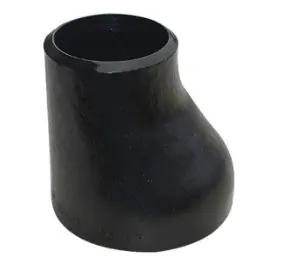
The CS Concentric Reducer has a uniform conical shape, which means that the centerline of both the bigger and smaller pipe ends is the same. It is fundamentally different from eccentric reducers, which move the axis to the side, because of its physical shape. These fittings change the flow of fluid from bigger to smaller sizes without breaking the centerline consistency of the system. They are mostly made by welding or seamless methods. The angle of the cylindrical taper changes depending on the differences in width. It is usually between 15 and 30 degrees to achieve the best flow properties. The material's make-up meets the requirements of ASTM A234 WPB for carbon steel grades, giving it enough mechanical strength and protection from corrosion for most industry uses.
How do flow dynamics work in concentric reducers?
As fluid moves through a CS concentric reducer, the slowly decreasing width causes controlled speed increases while keeping the laminar flow patterns. The symmetrical shape stops vortices from forming and reduces head loss compared to sudden changes. This centerline orientation is especially beneficial for vertical pipelines because it spreads gravity forces evenly across the pipe wall, which lowers stress concentrations. Since the pressure control stays the same in the transition zone, these fittings can be used in systems that handle gases or liquids with changing operating pressures. The cone shape makes it possible for fluid particles to move in straight paths, which saves energy and makes the pump work better.
Comparing Concentric and Eccentric Reducers
Both types of reducers change the width, but their uses are unique depending on the direction of flow and the need for draining. CS Concentric Reducers work great in gas systems and vertical pipes where centerline upkeep keeps air pockets from building up. With their flat sides, eccentric reducers work well with straight liquid lines that need to drain completely and get rid of all air. Which one you choose depends on whether your system cares more about even flow or being able to drain. Concentric types usually cost less to make because they require fewer tools, saving you money when you don't have to worry about draining.
Industrial Applications Across Critical Sectors
CS concentric reducers are essential in many heavy businesses. In oil and gas operations, they ensure that safe changes in pressure happen in vertical shafts and gathering systems. Petrochemical companies use these fittings to connect reactor vessels to transfer lines without affecting the purity of the process. Power plants use them a lot in boiler feed systems and steam delivery networks, where vertical direction is the norm. Concentric reducers are used in pumping stations and distribution mains as part of water treatment equipment. These parts are used in HVAC systems, ballast lines, and structural pipes where precise orientation is important for building and shipping projects. Our work with more than 300 users in 40 countries has shown us that choosing the right reducer has a direct effect on the safety and efficiency of the system.
Key Features and Advantages of CS Concentric Reducers
Material Composition and Steel Grades
Most CS concentric reducers are made from ASTM A234 WPB grade steel, which has the right amount of carbon, manganese, phosphorus, and sulfur to have excellent mechanical qualities. This standard guarantees a tensile strength of more than 415 MPa and a yield strength of more than 240 MPa. It can handle pressures of up to 2500 psi, based on the thickness of the wall. Other types, such as ASTM A420 WPL6, can be used in low-temperature situations (down to -50°C). The carbon level, which is usually between 0.25 and 0.30%, makes the metal weldable while also keeping its structure strong. Normalization and other heat treatment methods get rid of internal pressures that come from forming. This makes the material more resistant to intergranular corrosion and fatigue cracks when it is loaded and unloaded over and over again.
Manufacturing Methods: Seamless vs. Welded Construction
Seamless CS Concentric Reducers start as solid steel billets that are hot-formed using mandrel methods to get rid of the lengthwise weld seams. This way of building gives better structural regularity and pressure containment, which makes seamless versions perfect for uses with pressures above 1500 psi. Welded reducers, which are made from rolled plate and have lengthwise seams, are cheaper for sizes bigger than 24 inches, where making them without seams becomes too expensive. At Oudi, our factory uses both methods, choosing the best one based on the size and pressure needs of the finished product. Seamless production keeps the wall thickness the same throughout the shift to a cone shape, while welded construction makes it easy to meet specific size needs.
Dimensional Standards and Pressure Ratings
The dimensions for CS Concentric Reducers are based on ASME B16.9 norms, which cover pipe sizes from 1/2 inch to 72 inches. The wall thickness is in line with schedule numbers like Schedule 10, 20, 40, STD, 80, XS, 160, and XXS, and it matches the joined pipes to maintain pressure integrity. Pressure ratings range from 150# to 2500# and depend on material type, wall thickness, and operating temperature. Standardized methods that consider manufacturing tolerances are used to calculate size reduction ratios, which change end-to-end measurements proportionally. Our annual production capacity of 16,000 tons serves a wide range of sizes, so we always have stock on hand for urgent project needs.
These technical standards directly address the problems that EPC contractors and industry end-users have with buying things. Correctly matching the dimensions stops having to make expensive changes to the field, and choosing the right pressure grade makes sure that the system is safe in the long run. For quality assurance, it's important to check that mill test records and third-party inspections meet manufacturing standards.
Core Performance Advantages
Many businesses use CS concentric reducers because they are useful in many situations. The major benefit is that the flow is regular. The symmetrical conical shape keeps the velocity profiles constant, which lowers the noise and damage caused by turbulence. Because the load vectors line up with the central axis, fewer twisting moments could cause the fitting body to fail before it's supposed to. Standardized preparation of the butt-weld end makes installation easier by allowing quick assembly using standard welding techniques without the need for special tools. When viewed from above, where gravity loads work evenly, concentric reducers are more stable for structures than eccentric ones. Compared to stainless steel alternatives, carbon steel is much cheaper (usually 40–60% less), but it still meets performance standards in places that don't corrode.
How to Choose the Right CS Concentric Reducer for Your Project?
Evaluating System Operating Parameters
Before you can choose the right CS Concentric Reducer, you need to carefully look at how your system is working. The most important thing to check is the system pressure. You should record both the regular running pressure and the highest allowed working pressure, which should include surge situations. Flow velocity estimates help determine whether the smaller diameter will result in excessively high speed gains that could lead to erosion or cavitation. The temperature range affects the choice of material. Standard carbon steel can be used in temperatures ranging from -29°C to 425°C, but for harsh circumstances, special types are needed. We need to look at the presence of corrosive media. Carbon steel works well with neutral fluids, but streams that are acidic or contain salt may need better materials.
Matching Size and Pressure Specifications
The right size makes sure that the reducer can fit between the widths of your pipes without limiting flow or causing weak spots in the structure. Instead of just using stated sizes, you should measure the outside diameters of the pipes themselves, since manufacturing errors range from standard to standard. To keep stress from building up at weld joints, the wall thickness you choose must be the same as or greater than the thickest pipe that is connected to it. There should be at least a 25% safety margin above the maximum working pressure in the pressure rating classification to account for short-term situations. Schedule matching between the reducer and the pipes next to it keeps the system's pressure control ability stable.
Concentric vs. Eccentric: Application-Specific Selection
Which reducer setup works best for your application depends on the pipeline direction. CS Concentric Reducers are helpful for vertical lines that carry gases or liquids because they keep the centerlines straight, which stops air pockets in liquid systems and condensation buildup in gas lines. Usually, eccentric reducers with a flat bottom are needed for horizontal liquid pipes so that they can drain completely and keep sediment from building up. When gas lines run horizontally, they can use concentric types because they don't need to worry about draining. When there is mixed-phase flow, it needs to be carefully analyzed. CS Concentric Reducers help keep the phase distribution even when the flow is vertical, while eccentric versions allow the phases to separate when the flow is horizontal.
Carbon Steel vs. Stainless Steel Considerations
When choosing materials, you have to weigh how much they cost against how well they work with the world. Carbon steel is a great choice for neutral environments like water systems, hydrocarbon service, and gas uses that don't corrode. It costs about half as much as stainless steel alternatives. Stainless steel is needed when working with toxic fluids, high-purity processes, or situations that need very high standards of cleanliness. Because it conducts heat better than stainless steel, carbon steel is better for uses that need to move heat. Maintenance issues are also important. For example, carbon steel needs an outside coating to protect it from corrosion in outdoor sites, while stainless steel is naturally resistant to rust. Cost analysis over the life cycle often shows that carbon steel is better in certain situations, even though it needs more upkeep for the finish.
Fabrication Type and Pressure Classification Impact
When pressures are higher than 1500 psi or when there are repetitive loads that could spread cracks from weld seams, seamless construction is needed. For work at temperatures above 400°C, seamless reducers are usually required to avoid weak spots caused by heat. Welded reducers work better with lower-pressure systems and are cheaper for bigger sizes where seamless production can't go through because of technical issues. Pressure class directly affects wall thickness. Lighter schedules are used for Class 150 uses, while heavier walls are needed for Class 600 and above to handle higher loads. When you understand these connections, you can avoid over-specification, which loses money, and under-specification, which puts safety at risk.
Procurement and Supply Chain: Sourcing CS Concentric Reducers with Confidence
Ordering Process and Specification Details
For buying to work well, there must be clear technical standards that leave no room for confusion. Give the nominal pipe sizes for both the large and small ends, the schedule names or real wall thickness measurements, and the face-to-face dimensions if the lengths are not standard. Make it clear what grade of material it is—ASTM A234 WPB for normal uses, or other grades for unusual ones. The end preparation standards should list the root face measurements and bevel angles that work with your welding process. Quantity needs have a big impact on prices; be clear about both your current needs and possible future amounts to get better results in negotiations. Ask for mill test papers that list the chemical make-up and mechanical qualities to make sure they meet the requirements.
Minimum Order Quantities and Lead Time Planning
Learning about a supplier's MOQ rules can help you make the best decisions about what to buy. Most of the time, standard sizes have lower MOQ requirements—sometimes as few as 10 pieces—because makers make them in regular batches. For non-standard sizes, you usually need to make at least 50 to 100 pieces to justify setting up special tools. At Oudi, we have set production plans for common specs that give us the freedom to work with smaller amounts. For unique orders, we provide accurate CS Concentric Reducer MOQ quotes that reflect the efficiency of the manufacturing process. Lead times range from 15 to 30 days for stock sizes to more than 45 days for unique fabrications that need to get special materials or be made in specific sizes. By combining orders from different projects into one strategic inventory plan, you can cut costs per unit and increase supply efficiency.
Identifying Trusted Manufacturers and Suppliers
Supplier approval is a crucial buying choice that affects the quality of the product and the success of the project. Check for ISO 9001 approval, which shows a dedication to quality management systems that cover everything from production to shipping. Getting a license from the government to make special tools ensures that you are following the law and have the right technical skills. If your area needs proof of pressure tank certifications, ask for it. Production ability is important. Suppliers whose annual output exceeds 10,000 tons usually have better quality control and easier access to materials. Technical skills, such as advanced checking tools like ultrasound testing, X-rays, and spectra, ensure thorough quality checks. The 66,600-square-meter industrial center at our site houses all the equipment needed for production and testing. This allows for full traceability from receiving raw materials to shipping finished goods.
With factory-direct sourcing, there are no markups for distributors, so prices are usually 15–25% lower than through secondary methods. When you work directly with manufacturers, you can talk about customization, set up faster shipping, and get expert help that distributors can't offer. If you've already exported to your target market before, it shows that you know what standards and paperwork are needed. Oudi serves customers in the Middle East, Africa, the Americas, Europe, and the Caribbean. This experience shows that they are good at handling foreign logistics and following rules.
Quality Assurance and After-Sales Support
Complete quality control at all steps of production keeps your project safe from materials that aren't up to par. Before production starts, we check the chemical make-up and mechanical qualities of raw materials. During forming processes, in-process tracking checks ensure that the dimensions are correct. Visual inspection, measurement proof, and non-destructive tests like ultrasonic or radiographic inspection for important uses are all parts of testing a finished product. When asked, third-party testing services offer independent confirmation. Shipping harm can be avoided by using the right packaging, like wooden crates for foreign shipping, moisture barriers for long-term storage, and the right labels to make sure things are easy to find.
Support after the sale is what sets trustworthy sellers apart from transactional ones. In most cases, the warranty covers production flaws for 12 to 18 months after delivery. Technical help can solve problems with installation or application that come up during building. Email, the phone, and videoconferencing are all quick ways to talk to people across time zones and solve problems. Oudi's promise includes full instruction packages, help with installation, and ongoing expert support to make sure you're happy with the product.
Installation and Maintenance of CS Concentric Reducers
Proper Installation Procedures
A successful CS Concentric Reducer replacement starts with making sure the orientation is correct. Make sure that the ends of the pipes are cut straight and sharp so that they fit the reducer's end preparation. Remove any mill scale, rust, or other contaminants that could affect the quality of the weld from all areas. Place the reducer so that the centerline stays aligned throughout the shift. For bigger diameters, use alignment guides or fixtures to help you do this. Tack weld several times around the edge to keep it from warping during the final welding. Use skilled welding techniques that are right for the grade of carbon steel and the width of the wall, and keep the heat input low to avoid too much distortion and leftover stresses. Some thick-walled reducers or code-required uses may need a heat treatment after the welding process to ease stresses.
Safety Checks and Common Installation Errors
After welding, a visual check finds surface flaws that need to be fixed before the system is pressurized. Non-destructive testing, like X-ray, ultrasound, or magnetic particle examination, checks the quality of the internal weld according to the project requirements. Pressure stability is checked by hydrostatic testing, which is usually done at 1.5 times the original pressure for at least 30 minutes. Some common installation mistakes are not properly preparing the edges, which leads to partial entry; using too much heat, which causes burn-through; and not aligning the parts correctly, which causes uneven loading conditions. If people are properly trained and follow the steps, these problems don't happen.
Maintenance Best Practices
External areas should be checked for rust, coating wear, and mechanical damage on a regular basis. During timed shutdowns, an internal checkup checks for erosion, especially at the small end where speed rises. Ultrasonic thickness readings used for corrosion tracking keep track of wall loss rates, which allows maintenance to be planned ahead of time before failure happens. In buried or submerged uses, cathodic protection devices need to be checked on a frequent basis. Protective coats need to be replaced every so often, depending on how harsh the surroundings are. Accelerated decline can be stopped by taking steps like injecting a rust inhibitor and making sure there is enough drainage.
Troubleshooting Operational Issues
If the pressure drop is greater than what was planned, it could mean that there is buildup inside the system that is blocking the flow area and needs to be cleaned or replaced. Vibration or noise can mean that the flow is turbulent because of damage or mismatch, which needs to be looked into. Leakage at weld joints means there are problems with the welding or stress corrosion cracks that need to be fixed right away. Understanding these signs lets you take strategic steps that keep the system running smoothly.
Conclusion
CS Concentric Reducers are important parts of industrial pipe systems because they make width changes that are reliable and keep the structure strong and the flow efficient. To choose the right reducer, you have to weigh scientific details like material grade, production method, dimensional standards, and pressure ratings against practical factors like system pressure, temperature, and flow characteristics. Partnering with qualified makers who have proven quality systems, technical skills, and quick help is key to successful procurement. Oudi has been making products for 26 years, has many certifications, and has a global service network that makes it a reliable source for projects that need cost-effective carbon steel pipe fittings.
FAQ
What distinguishes concentric reducers from eccentric reducers?
CS Concentric Reducers keep the centerlines of both pipe ends in line, making uniform conical changes that are perfect for gas systems and vertical pipelines. When you move an eccentric reducer to the side, it usually keeps the bottom or top flat, which makes it easier for liquids to flow in straight lines. The best design for a system depends on its needs, especially its flow direction and drainage requirements.
Can carbon steel concentric reducers handle high-pressure applications?
When used correctly, CS concentric reducers work consistently in high-pressure systems. When the standard thickness of ASTM A234 WPB material is right, it can handle forces higher than 2500 psi. For demanding uses, seamless design is the best way to keep pressure inside. Choosing the right pressure grade with enough safety margins guarantees long-term dependability under operating stresses.
What are typical lead times for custom carbon steel concentric reducers?
Standard measurement reducers that fit popular pipe sizes usually ship 15 to 20 days after the order is confirmed. Custom specs that call for non-standard sizes, special grades of materials, or special end preparations usually need 30 to 45 days to get the materials and set up the factory. Depending on the facility's capacity, pressing needs may be able to get work done faster.
Partner with Oudi for Premium Carbon Steel Concentric Reducer Solutions
Oudi is ready to meet your needs for a CS Concentric Reducer. Since 1998, they have been improving their production skills to become the best. Our factory is ISO 9001-certified and makes 16,000 tons of pipe fittings made of carbon steel, stainless steel, alloy steel, and other metals that meet ANSI, JIS, DIN, and BS standards every year. As a specialist in making CS circular reducers, we use cutting-edge production tools, strict quality control systems, and a wide range of testing methods to make sure that every part meets the needs of your project. Our direct factory prices don't include markups from distributors, and we handle our own import and export, which makes foreign shipping to your location easier. For full specs, custom quotes, or engineering help, email our technology team at oudi-04@oudiguandao.com. Let our history of working with oil, chemical, natural gas, and power production projects around the world show you how important it is to have trusted supply partners for project success.
References
1. American Society of Mechanical Engineers. (2018). ASME B16.9: Factory-Made Wrought Buttwelding Fittings. New York: ASME Press.
2. ASTM International. (2020). ASTM A234/A234M: Standard Specification for Piping Fittings of Wrought Carbon Steel and Alloy Steel for Moderate and High Temperature Service. West Conshohocken: ASTM International.
3. Nayyar, M.L. (2019). Piping Handbook: Eighth Edition. New York: McGraw-Hill Education.
4. Sotoodeh, K. (2021). Piping and Pipeline Engineering: Design, Construction, Maintenance, Integrity, and Repair. Cambridge: Gulf Professional Publishing.
5. Singh, R.K. & Solanki, V.S. (2017). Flow Characteristics in Pipe Reducers: Computational and Experimental Analysis. Journal of Fluid Mechanics and Industrial Applications, 12(3), 145-162.
6. Watkins, R.J. & Anderson, K.B. (2020). Structural Mechanics of Buried Pipes and Pipeline Fittings. Boca Raton: CRC Press.

Need help finding the right solution with our experts. Please contact us.

SINCE 1998 Your Reliable Pipeline Manufacturer



