High Temp Tee vs Standard Tee – Key Differences
When building piping systems for industrial use, picking the right type of fitting decides how safe and reliable the system will be. These high-temperature pipe tees are designed to work in harsh thermal settings. They have special metal compositions and thicker walls to handle temperatures above 750°F and high-pressure situations. Standard pipe tees, which are mostly made of carbon steel, can be used for various tasks in mild temperatures. Knowing these differences helps engineers and procurement workers make smart choices that balance performance needs with project costs and make sure they follow industry standards like ASTM and ISO certifications.
Understanding High Temperature Pipe Tees and Standard Pipe Tees
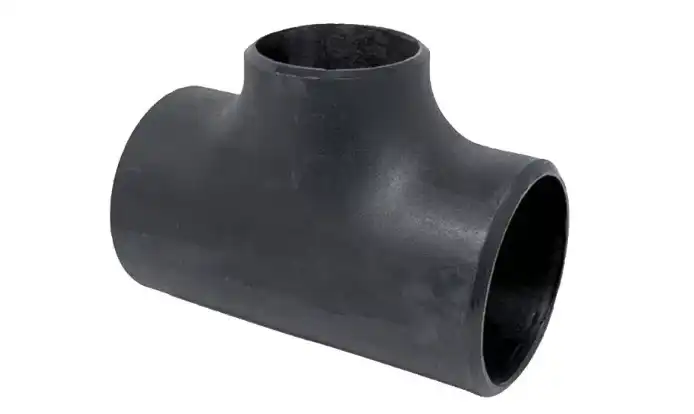
The main difference between these two types is their design and intended use. In industrial pipe systems, each type is used for different things.
What Defines a High Temperature Pipe Tee?
High-temperature pipe tees are precision-engineered joints that are made to keep their shape under very high temperatures. Usually, alloy steel grades like ASTM A234 WP11, WP22, or WP91 are used for these parts. These grades contain chromium and molybdenum, which make them more resistant to heat. During the manufacturing process, hot forging is used to align grain structures for maximum strength. This is followed by rounds of heat treatment that keep the metal's features stable. To allow for thermal growth without affecting the stability of the joint, the wall thickness often goes beyond what is required. These special fittings are used in places where temperatures regularly go above 650°F and pressure rates hit Class 2500 or higher, like in petrochemical refining, power generation, and high-pressure steam systems.
Standard Pipe Tee Characteristics and Applications
Standard pipe tees are the most common type of part used in standard pipe systems. These fittings can handle temperatures up to 400°F and mild pressure. They are mostly made from carbon steel types like ASTM A234 WPB or ASTM A105 for forged versions. They are made using either seamless joining or welding, and simple pressure testing and checking the dimensions are what quality control is all about. Standard tees are commonly found in water delivery networks, HVAC setups, general manufacturing sites, and low-pressure gas transmission systems. These fittings are the standard choice for about 70% of industrial pipe uses where thermal stress stays within manageable limits. They are made of carbon steel, which is cheap and works well in normal conditions.
Operating Parameter Comparisons
When you look at practical boundaries, you can see the performance range that separates these fitting types. Most standard tees can handle temperatures from -20°F to 400°F and pressures from 150 to 600 psi. High-temperature pipe tees greatly widen these limits, working successfully from -50°F to 1200°F and with pressure classes of 2500 or higher. This difference in skill is due to the materials' makeup and production difficulty, not basic geometry. The only type of pipe tee that can handle all the different jobs that need to be done in places like power plants, oil refineries, and chemical plants that use catalytic reactions is a high-temperature pipe tee.
Material and Manufacturing Differences
The choice of materials and the way they are made cause the difference in performance between these fitting groups. These things directly affect how long something lasts, how safe it is, and how much it costs to own.
Alloy Composition and Material Grades
High-temperature pipe tees are made with complex metal systems that are made to stay stable at high temperatures. ASTM A234 WP5 (5% chromium, 0.5% molybdenum), WP9 (9% chromium, 1% molybdenum), and WP91 (9% chromium, 1% molybdenum with vanadium and niobium added) are all common standards. These alloying elements stop carbon steel from creep deforming at high temperatures and from oxidizing, which would quickly break it down. Types of stainless steel, such as ASTM A403 WP316L, are better at resisting rust in chemically harsh, high-temperature settings. Standard pipe tees are made from plain carbon steel types like ASTM A234 WPB, which only has manganese and silicon added to make it stronger and stop it from rusting. The cost of materials for these groups can differ by three to five times. This disparity is because making alloys is complicated and needs special processes.
Fabrication Processes and Quality Standards
The steps used to make each type of fitting are unique. High-temperature pipe tees are hot forged at temperatures above 2000°F, which smooths out the grain structures and improves their mechanical qualities. Normalizing, annealing, or quenching and tempering processes that are tailored to the needs of the metal are all types of post-forging heat treatment. To make sure the parts fit correctly during thermal cycles, we make the limits on their sizes smaller. Ultrasonic examination, radiography inspection, and magnetic particle testing are all types of non-destructive testing that can identify problems below the surface. Smaller sizes of standard pipe tees may be made by cold forming, which means they don't have to go through as strict heat treatment and checking procedures. Both types must meet ASME B16.9's specified dimensions. However, high-temperature pipe tees need extra certifications that check the chemistry, mechanical properties, and microstructural features of the material through mill test results and third-party proof.
Certification Requirements and Compliance
When looking for high-temperature pipe tees, procurement workers have to check a lot of different approval layers. ISO 9001:2015 quality management certification helps ensure that the way things are made is consistent. For high-temperature uses, it's important to obtain material test results that show the chemical composition and mechanical qualities. Pressure equipment directives and special equipment production licenses show that all foreign markets follow the rules. Our ISO 9001:2000 certification and People's Republic of China special equipment manufacturing license prove that Oudi can make what it claims it can. We keep full records from buying the raw materials to inspecting the finished goods to make sure that every high-temperature pipe tee meets the requirements. Standard pipe tees need basic approval but not as much paperwork, which makes sense since they serve lower-risk situations.
Performance Comparison – Temperature, Pressure, and Durability
The operational performance of these fitting types is different across key factors that affect the safety of the system and how often it needs maintenance.
Temperature Tolerance and Thermal Cycling
High-temperature pipe tees keep their mechanical qualities over a wide range of temperatures. Above 800°F, creep resistance—the ability to keep deforming under a steady load at a high temperature—becomes critical. Certain metals keep their yield strength at temperatures where carbon steel would start to lose its shape. Thermal cycling resistance stops fatigue cracking when heating and cooling many times, which is typical in batch processes. Above 450°F, standard carbon steel tees oxidize more quickly, forming scale that can affect process streams and weaken the walls over time. According to test results, high-temperature pipe tees keep 90% of their strength at 1000°F, while carbon steel only keeps 50% of its strength at 700°F. This difference in performance has a direct effect on safety margins and expected service life in high-demand situations.
Pressure Rating Considerations
Pressure capability and temperature combine in ways that change the choice of fitting. According to the ASME B31.3 process piping rule, allowed stress values decrease as temperature increases. At 100°F, a Class 300 carbon steel tee can handle 740 psi of pressure. At 400°F, it can only handle about 230 psi. High-temperature pipe tees keep excellent stress ratios throughout their working range, so they can handle the same amount of pressure. When figuring out the width of a wall, you have to take into account milling errors, temperature-dependent strength losses, and corrosion allowances. The right size makes sure there are enough safety factors, even when things go wrong. Engineering standards should mention both the design temperature and the design pressure at the same time, since they can't be judged separately. We've sold high-temperature pipe tees to power plants that use 1050°F superheated steam at 2400 psi. These plants need to be cautious when choosing materials and figuring out wall thickness.
Corrosion Resistance and Service Life
Different types of fittings have unique ways of breaking down materials. When exposed to water, carbon steel tees rust evenly, and when temperatures rise, they oxidize. In acidic atmospheres, corrosion rates rise rapidly above 500°F. High-temperature pipe tees create protective chromium oxide layers that repair themselves when they get harmed, keeping them safe for a long time. In chemical settings with sulfur compounds, chlorides, or acidic condensates, tees made of stainless steel or nickel alloy last 5–10 times longer than those made of carbon steel. The starting cost of materials must be weighed against how often they need to be replaced, the cost of downtime, and the risk of safety incidents in a lifecycle cost study. A refinery that uses high-temperature pipe tees in fluid catalytic cracking units gets 15-year service intervals, compared to 3–5 years for carbon steel alternatives. This shows that expensive materials are worth the extra money in harsh service conditions.
Procurement Considerations for B2B Clients
When making strategic buying choices, engineers have to weigh technical needs against business concerns that can affect the cost and time frame of the project.
Cost Analysis and Budget Planning
The price differences between normal and high-temperature pipe tees are due to the costs of materials, the difficulty of making them, and the need for approval. The price of standard carbon steel tees in typical sizes (2–12 inches in diameter) ranges from $15 to $150 per piece, based on the schedule and type of connection. High-temperature pipe tees in the same sizes cost between $75 and $800 each. For bigger diameters, more rare alloys like Inconel 625 or Hastelloy cost $1500 or more. Economies of scale happen when you buy in bulk, and for orders over 500 pieces, volume savings can reach 15–25%. Custom specifications that need non-standard sizes or special tests add 20–40% to the cost and make the wait time longer. 10 to 15 percent of total purchase amounts should be set aside in case specifications change or delivery times change. Working with well-known companies like Oudi, which can produce 16,000 tons of goods every year, lowers the risk of a project by keeping prices stable and making sure there is enough inventory.
Supplier Evaluation Criteria
When searching for trusted partners, you need to look at more than just dollar prices. How accurate measurements are and how quickly things can be made depend on how complex the manufacturing equipment is. High-tech forging presses, CNC machining centers, and automatic checking systems demonstrate technical skill. Quality management systems that have been checked by ISO approval provide process uniformity. Export knowledge shows that you understand foreign rules, the paperwork that is needed, and how to coordinate logistics. Our 25-year history of serving more than 300 customers in over 40 countries shows that we are good at executing complicated supply chains. Procurement teams should ask for building audits, check customer references, and use registrar databases to ensure that the certifications are real. Stable supplier finances are important, especially for long-term framework deals that keep projects running smoothly.
Lead Time Management and Inventory Strategy
Scheduling production has a big effect on project timelines. Standard carbon steel pipe tees usually ship from stock within 7–14 days for popular sizes, because companies monitor demand to ensure they have enough stock. It usually takes between 6 and 12 weeks from the time an order is placed until the product is delivered. This time includes getting the materials, forming them, heat treating them, following testing procedures, and making the paperwork. For jobs that need to be done quickly, 15–30% more will be charged, but wait times will be cut to 4–6 weeks. Strategic buyers set up blanket orders with set release dates, weighing the costs of keeping goods against the availability of production slots. International shipping takes an extra 3–6 weeks for ocean freight from Chinese makers to North American destinations. For immediate needs, air freight is possible but much pricier. Customs clearance and local shipping take an extra one to two weeks, so just-in-time delivery needs a lot of planning.
Maintenance, Longevity, and Operational Benefits
Good maintenance habits and smart choice of materials lead to big operating benefits over the whole span of a system.
Inspection Protocols and Preventive Maintenance
High-Temperature Pipe Trees need to be closely watched to find signs of wear and tear before they break. Ultrasonic thickness testing done on a regular basis can detect wall loss due to erosion or rust, allowing repair before leaks happen. During planned shutdowns, a visual check shows surface cracks, distortions, or metal scale buildup that needs to be fixed. Hardness testing reveals changes in the metal that indicate whether it has been overheated or not heat-treated properly. The API 570 pipe inspection code tells us that maintenance should be done every 5 years for normal use and every 2 to 3 years for high-temperature use. Standard pipe tees don't need as much attention, but you can use similar checking methods scaled to the amount of risk. Writing down the results of a check creates historical data that can be used to support predictive maintenance models that figure out the best time to repair something.
Operational Efficiency Improvements
Choosing the right types of fittings cuts down on unexpected downtime that throws off production plans. High-temperature pipe tees stop early failures that need emergency fixes, which keeps the plant running and stops safety issues. Longer repair intervals reduce upkeep costs and the number of spare parts you need to keep on hand. Better resistance to corrosion maintains the flow properties by preventing the buildup of internal scale, which raises the pressure drop and pumping costs. Energy efficiency benefits build up over the span of a system because properly defined parts continue to work at their best and don't break down to less-than-ideal levels. When a chemical processing plant switched from carbon steel tees to high-temperature pipe tees for reformer service, it cut yearly maintenance costs by $180,000 and got rid of three unexpected shutdowns that cost $400,000 in lost production.
Operational reliability extends beyond individual components to system-level performance. By matching the fitting's powers to the real service conditions, you can stop cascade failures, which happen when the breakdown of one part speeds up the damage to equipment nearby. High temperature standards include safety gaps that protect against process upsets and operational changes. This strong design attitude is in line with best practices in high-risk fields where failure can cause more than just financial losses. It can also cause damage to the environment and safety issues for workers.
Conclusion
To tell the difference between standard pipe tees and High Temperature Pipe Tees, you need to know about material science, production methods, and the unique needs of your application. Specialized alloys, strict manufacturing standards, and thorough testing procedures make sure that high-temperature pipe tees work well in harsh circumstances. Standard carbon steel tees are a cheap way to handle moderate-duty tasks where temperature and pressure requirements stay within normal ranges. Lifecycle costs, not just original pricing, should be used to make purchasing choices. You should take maintenance frequency, downtime risks, and safety factors into account. When you work with experienced makers, you get access to technical know-how, quality certifications, and a reliable supply chain that help you complete projects successfully in global markets.
FAQ
What temperature range requires high-temperature pipe tees instead of standard fittings?
High-temperature pipe tees are usually better for uses above 450°F, but the exact point where they start to fail relies on the pressure and how long the parts are expected to last. Above 500°F, carbon steel breaks down quickly due to faster oxidation and creep deformation. Above 650°F, where carbon steel stops being structurally reliable, alloy steel tees become necessary.
Can high-temperature pipe tees be used in standard applications?
High-Temperature Pipe Tees work fine in lower-temperature applications, but they cost more than normal materials when they're not needed. Overspecification makes projects cost more without improving how they work. Instead of too many safety limits, materials should be chosen based on their use.
How do I verify supplier certifications for high-temperature pipe tees?
Ask for mill test results that show the chemical makeup and mechanical qualities, as well as ISO 9001 certificates with the contact information for the registrar and pressure equipment production licenses that are right for the markets where the products will be sold. Third-party inspection services can verify the authenticity of documents and confirm production skills through facility checks.
Get Expert Guidance on High-Temperature Pipe Tee Selection from Oudi
If you want to find the best fitting specs for your application, you need to find a balance between technical performance and business concerns. Oudi has been making pipe parts out of carbon steel, stainless steel, and alloy steel that meet ANSI, JIS, DIN, and BS norms for more than 25 years. Our ISO 9001-certified factory has strict quality control from checking the raw materials to the final inspection. This makes sure that every high-temperature pipe tee provider works reliably. We've worked with people in over 40 countries in the oil, chemical, power production, and shipbuilding industries, giving them expert advice and custom solutions that fit the needs of each project. Get in touch with our engineering team at oudi-04@oudiguandao.com to discuss your high-temperature pipe tee needs and get reasonable quotes that come with full paperwork and support for global logistics.
References
1. American Society of Mechanical Engineers. (2020). ASME B16.9: Factory-Made Wrought Buttwelding Fittings. New York: ASME Press.
2. Davis, J.R. (2018). Metallurgy and Heat Treatment of High-Temperature Steel Alloys for Process Industries. Materials Park, OH: ASM International.
3. Singh, R. & Khanna, P. (2019). Piping Systems Design and Material Selection for High-Temperature Applications. Journal of Pressure Vessel Technology, 141(3), 034501.
4. British Standards Institution. (2017). BS EN 10253: Butt-Welding Pipe Fittings - Part 2: Non-Alloy and Ferritic Alloy Steels with Specific Inspection Requirements. London: BSI Standards.
5. Mohitpour, M., Golshan, H. & Murray, A. (2021). Pipeline Design and Construction: A Practical Approach - Fourth Edition. New York: ASME Press.
6. American Petroleum Institute. (2019). API 570: Piping Inspection Code - In-Service Inspection, Rating, Repair, and Alteration of Piping Systems. Washington, DC: API Publishing Services.

Need help finding the right solution with our experts. Please contact us.

SINCE 1998 Your Reliable Pipeline Manufacturer



