Global Carbon Steel Elbow Supplier with Fast Delivery
Many procurement workers have trouble finding a reliable carbon steel elbow supplier who can deliver quickly without lowering the quality. At Oudi, we know that industrial projects need exact parts, strict certification compliance, and shipping schedules that work with the building schedule. We have been making things for over 25 years and have clients all over the world in the oil, chemical, natural gas, and water conservation businesses. With a production capacity of 16,000 tons per year and strategic transportation close to Tianjin Port, we can make sure that your important piping parts get to you when you need them. We also offer ISO 9001 certification and full quality control from inspecting the raw materials to delivering the final package.
Understanding Carbon Steel Elbows: Types, Specifications, and Benefits
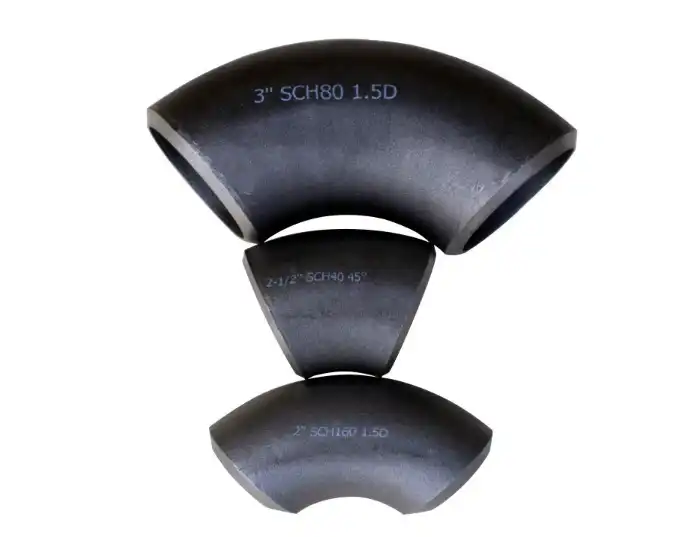
Carbon steel elbows are important parts of industrial pipe networks because they let you change directions while keeping the structure strong under tough working conditions. These fittings can handle changes in temperature and pressure that happen a lot in places like chemical plants, water treatment facilities, and oil factories.
Fundamental Elbow Types and Their Applications
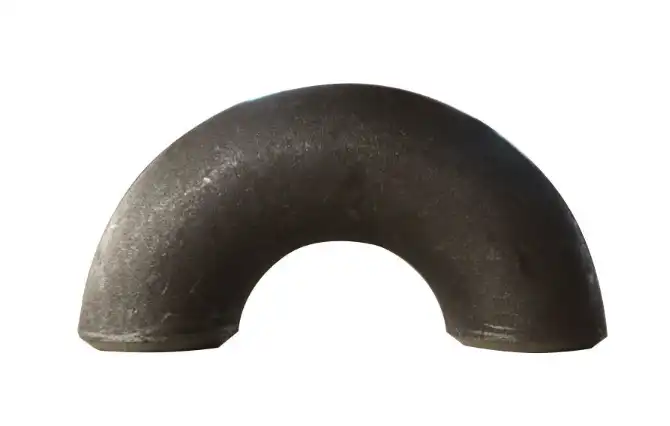
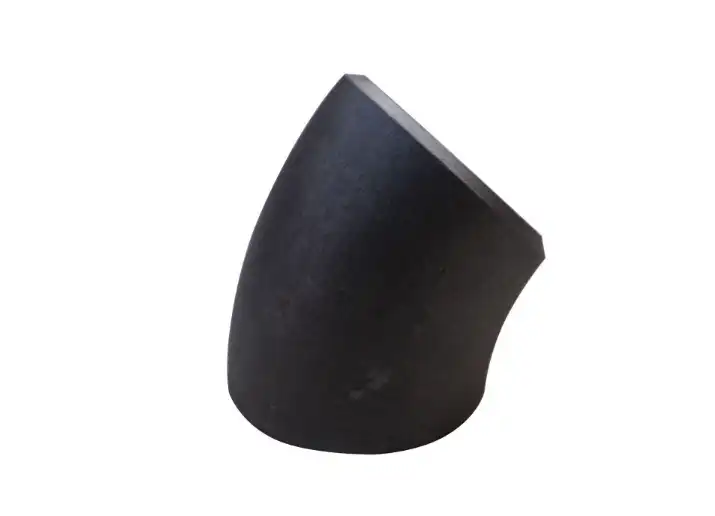
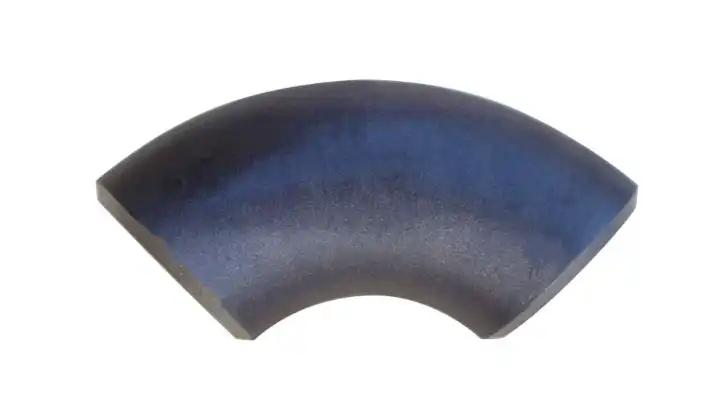
45-degree, 90-degree, and 180-degree elbows are the most frequent designs. Each one meets a different set of routing needs. A 45-degree bend makes it easier to change directions slowly, which lowers fluid turbulence and pressure loss in systems that have room for more gradual changes. The 90-degree version makes perpendicular turns and is often used in industrial areas where pipes need to go around objects or change levels. The 180-degree elbow is not very common but very useful because it lets flow entirely change directions in heating systems or special processing equipment.
Short Radius Versus Long Radius Configurations
Long radius elbows have a central bend radius that is 1.5 times the standard pipe diameter. This makes the flow more uniform and reduces friction losses. Short radius models keep the bend radius the same size as the pipe diameter, which saves room in places where installation is limited. Chemical plants and shipyards often ask for small-radius elbows when the layout of their equipment requires tight pipe setups. Long radius designs, on the other hand, work better for high-speed situations where reducing noise is important for keeping the system's efficiency high.
Material Properties That Matter
The tensile strength of carbon steel is very high, usually between 60,000 and 80,000 PSI, based on the grade. Because they are so strong, these elbows can handle pressures of more than 3,000 PSI in networks that carry natural gas and steam. The material's composition strikes a good balance between longevity and cost. This means that carbon steel elbows are cheaper than stainless steel options while still being able to fight corrosion well enough for most industrial settings. When choosing materials, consider how they react to harmful substances, the temperature they will be used at, and your budget. Stainless steel is better at resisting rust in marine settings, while carbon steel is fine for dry gas systems and moving fluids at normal temperatures.
How to Choose the Best Carbon Steel Elbow Supplier: Criteria and Market Insights?
If you want to find a good business partner, you need to look at more than just price. It's especially clear how the skills of the carbon steel elbow supplier affect the success of a project when shipping delays stop work on time or when quality problems mean that expensive replacements have to be made.
Certification Standards and Quality Assurance
ISO 9001 certification shows that organizations plan their quality management. It includes managing paperwork, monitoring processes, and adhering to rules for ongoing growth. The special equipment production license that is given by the government makes sure that safety standards for pressure vessels and pipes are met. These qualifications show that a maker tracks everything, from getting the raw materials to the final testing and welding. In addition to certificates, you should check to see if the providers do nondestructive testing like ultrasound and X-ray analysis. At every stage of production, we use full inspection methods to find flaws inside the product that eye checks might miss.
Product Range and Customization Capacity
Listings that cover a wide range of diameter sizes, wall thicknesses, and material grades show manufacturing flexibility. If a supplier has both normal and lowering elbows, you have more options when designing complicated pipes. Special coatings, changes to the size, and material certifications that meet industry standards like ASME B16.9 or DIN 2605 are all examples of customization that can be done. Our production facilities can handle both standard orders with many pieces and orders with specific needs. This helps EPC companies manage a wide range of project requirements.
Logistics Efficiency and Geographic Advantages
Proximity to major shipping ports significantly influences delivery timelines. When manufacturers are close to transportation hubs, they can load containers faster and cut down on delays in inland travel. We are 120 kilometers from Tianjin Airport and right next to the Beijing-Shanghai Highway, which makes shipping to foreign places quick and effortless. Good inventory management makes sure that standard sizes are always in stock, so there are no production wait times for pressing orders. When looking at different providers, find out how big their warehouses are, how well they can load containers, and how they work with freight forwarders.
Efficient Procurement of Carbon Steel Elbows: From Order to Delivery
By streamlining the buying process, you can protect against quality risks and schedule delays while also making administration easier. Knowing about each step of the buying process helps set reasonable goals and find possible problems.
Specification Development and Quotation Requests
Misunderstandings that lead to mistakes in making can be avoided by providing clear technical standards. Describe the pipe's initial size, schedule number, elbow angle, radius type, material grade, end preparation method (beveled for butt welding or threaded), and any standards that apply. The amount needed affects unit prices, since large sales often receive savings. When you ask for quotes, be sure to include the destination address, the shipping method you prefer, and the date you need the goods to arrive. With this information, providers can figure out correct freight costs and provide suggestions for reasonable delivery times. We respond to your questions within 24 hours, providing a complete price breakdown and technical explanations.
Order Processing and Production Scheduling
Standard goods usually ship in one to two weeks, depending on stock levels or production volume. Lead times are extended to three to four weeks for custom specs that need unique materials or sizes that aren't normal. During times of high demand, let people know about schedule problems early on to secure production slots. Manufacturers with a strong reputation send order confirmations that include details like specifications, quantities, agreed-upon prices, and expected finish dates. Keeping customers informed of progress during production shows that everything is clear and helps customers plan activities that will happen later. Our production control system keeps track of every order and lets transport teams know when batches have passed the final check and are ready to be packed.
Quality Verification Before Shipment
Ask for test results on the material that prove its chemical make-up and mechanical traits match the grades that were given. Dimensional inspection papers show that the limits for diameter, wall thickness, and angle have been met. Documentation from pressure tests indicates that each elbow can handle the recommended working pressures without leaking or deforming. These papers ease customs in your destination countries. With every shipment, we include full paperwork packages with mill test certificates, nondestructive testing results, and summaries of visual inspections.
Installation and Usage Guidelines for Carbon Steel Elbows
When you put things the right way, they last longer, and the system is safer. Even the best elbows don't work as well when important technical details are missed during fittings.
Pre-Installation Inspection and Preparation
Check elbows for damage from shipping by making sure the protective cover is still in satisfactory shape and there are no dents or cracks. Verify that angles and diameters match design drawings by measuring key measurements against specs. Clean the inside to get rid of any factory waste, rust inhibitors, or strange objects that could get into the process fluids and cause problems. Make sure that the way the ends are prepared fits the method of joining you've chosen. For example, curved edges for butt welding need a different preparation than threaded connections. Keep parts away from wetness, which speeds up surface rust, by storing them in dry places.
Welding Techniques and Pressure Considerations
If you follow the right welding steps, butt welding can make strong parts that won't leak. When temperatures drop below 32°F, preheat carbon steel parts to avoid thermal shock, which can cause cracks. Make sure the electrodes stay at the right angles and move at the right speeds to make sure they go all the way through the wall. Post-weld heat treatment lowers leftover loads in elbows with thick walls that are used in high-pressure situations. Ratings for pressure rely on the type of material, the wall plan, and the temperature of service. When choosing elbows for process pipes, follow the rules in ASME B31.3 and make sure that the values of the parts match the design pressures of the system while taking into account the right safety factors.
Maintenance Protocols and Service Life Extension
Set up regular eye checks of the outside to look for rust, worn-down coatings, or mechanical damage. Ultrasonic thickness readings find wall loss caused by internal erosion or external rust. This lets you know which parts need to be replaced before they break. Protect bare steel surfaces with coats. Choose formulas that can handle the temperatures and chemicals that will be present. Cathodic protection systems slow down rusting in places that are acidic. If you see elbows with a lot of wall thinning, cracks, or swelling that suggests they've been under too much pressure, you should replace them. Unexpected breakdowns that stop production and pose safety risks can be avoided with proactive upkeep.
Why Partner with Oudi: Your Trusted Global Carbon Steel Elbow Supplier?
Choosing production partners affects the results of a project by ensuring consistent quality, on-time delivery, and helpful technical support. Our company has unique benefits that have been built up over decades of working with tough industrial uses as a reliable carbon steel elbow supplier.
Rigorous Quality Control and Comprehensive Certifications
We keep our ISO 9001:2000 certification and the special equipment manufacturing license that the government gave us, which shows that we follow the safety standards for pressure equipment. At every stage of production, our quality assurance system uses set checking procedures. Before they are used in production, raw materials are tested for their chemical makeup and mechanical properties. Dimensional checks are done during production to make sure that the product meets the requirements. After the surgery is done, the elbows are checked without damaging them by using ultrasonic testing and visual inspection. This all-around method finds flaws before they are shipped, keeping customers safe from failures in the field and installation delays. Our high-tech testing tools meet international standards for discovery and produce reports that meet strict project requirements.
Fast Delivery Supported by Strategic Location
Our location in Cangzhou is 120 kilometers from Tianjin Port. This lets us load containers quickly and offer low freight rates to places around the world. The nearby Beijing-Shanghai Highway makes it easy for trucks to reach people in the interior. Because of its location, this benefit cuts down on travel times, which helps customers stick to building schedules and avoid costly project delays. Our yearly production capacity of 16,000 tons provides a steady supply, meeting the needs of both ongoing maintenance and big project installations. We keep a stock of widely requested sizes so that we can ship pressing orders right away. When specific needs call for special production runs, our planning team plans production schedules to keep wait times as short as possible.
Customization Capabilities and Technical Support
In addition to normal stock items, we also offer customization services that can fit unique size needs, material grades, and coating needs. Our engineering team works with customers to come up with specifications and gives them expert advice on things like choosing the right material, making sure the pressure rating is correct, and suggesting the best way to put it. This consultative method helps customers make the best designs while avoiding mistakes in the specifications that slow down production. We've worked with more than 300 companies in over 40 countries and gained experience in a wide range of fields, such as oil and gas processing, chemical production, natural gas transport, water treatment, power generation, and marine building. This foreign experience has given me useful ideas that I can use to solve problems in the real world.
Conclusion
When looking for carbon steel elbows, you have to balance quality standards, delivery times, and cost while also checking the qualifications of the seller and their manufacturing skills. Knowing about different types of elbows, radius configurations, and material features helps you make smart design choices. Quality problems and schedule delays can be avoided by judging providers based on their qualifications, production capacity, and how well they handle logistics. Detailed specs, quality checks, and clear communication are all parts of efficient buying processes that make shopping easier and lower the administrative load. The service life of an item is extended by using the right placement methods and upkeep schedules. Oudi meets these needs with strict quality control, a strategic location benefit, and customer-focused expert support built up over 25 years of serving industrial markets around the world as a leading carbon steel elbow supplier.
FAQ
What distinguishes short-radius from long-radius carbon steel elbows?
Short radius elbows keep the bend radius at the centerline the same as the standard pipe's diameter. This saves room in small setups that are popular in shipbuilding and chemical processing equipment. Long radius versions have bend radii that are 1.5 times the width of the pipe. This makes the flow patterns smoother, which lowers pressure losses and erosion in fast systems. Since the prices of the materials aren't very different, the choice comes down to the available installation room and the flow properties. Chemical companies often choose short radius configurations because the amount of equipment limits the number of pipe routes that can be used. On the other hand, natural gas transfer systems prefer long-radius configurations because they reduce friction losses over long pipeline networks.
How do delivery timelines vary between standard and custom carbon steel elbows?
Items with standard specs that match popular inventory items usually ship within one to two weeks of order confirmation, using warehouse stock or new production batches. Lead times can be extended to three to four weeks for custom needs that include non-standard sizes, special material grades, or unique coating uses. This is because of the time needed to get the materials, plan production, and check the quality. The total arrival time is also affected by the distance and shipping method chosen. Air freight speeds up urgent packages but costs more to move, while ocean container shipping has cheaper rates but takes longer to get from point A to point B. When delivery needs are communicated during the quotation process, providers can come up with realistic plans and find ways to speed up production when project deadlines require it.
What certifications should reliable carbon steel elbow suppliers maintain?
Getting ISO 9001 certification shows that you have a method for managing quality that includes keeping track of paperwork, monitoring processes, and always making things better. The special equipment manufacturing license shows that you know how to make things and follow the rules for making safe pressure equipment. Material certifications, such as mill test reports, show the chemical makeup and mechanical qualities of a grade, proving that it meets the standards of the specification. Compliance with ASME and ASTM standards guarantees accurate measurements and good performance. Nondestructive testing certificates prove that checking staff are qualified and that equipment is properly calibrated. All of these qualifications show that a reliable supplier of carbon steel elbows has thorough quality control systems in place to protect customers from bad goods and make sure they follow all international regulations.
Get Quality Carbon Steel Elbows from a Leading Carbon Steel Elbow Supplier and Manufacturer
Oudi delivers the carbon steel pipe fittings your projects need by combining high-quality production with customer-focused service. Because we are committed to quality control and have ISO certification and special equipment licenses, we can guarantee that every elbow meets foreign standards like ANSI, JIS, DIN, and BS. We know that industrial projects have tight plans and that delays can affect the whole building process. Our strategic port access and efficient warehouse systems help us send goods quickly, which keeps your projects moving forward. We do more than just sell products; we also offer expert advice during the planning, procurement, installation, and operational stages. Working with an experienced carbon steel elbow supplier maker lowers risks and makes handling easier, whether you're in charge of building projects, running factories, or distributing pipe parts. Email our team at oudi-04@oudiguandao.com to talk about your needs, get detailed specs, or get quotes from other companies for your next project.
References
1. American Society of Mechanical Engineers. (2020). ASME B16.9: Factory-Made Wrought Buttwelding Fittings. New York: ASME Press.
2. ASTM International. (2019). ASTM A234/A234M: Standard Specification for Piping Fittings of Wrought Carbon Steel and Alloy Steel for Moderate and High Temperature Service. West Conshohocken: ASTM International.
3. Nayyar, M. L. (2018). Piping Handbook (8th ed.). New York: McGraw-Hill Education.
4. Singh, R. K., & Verma, A. (2021). Material selection and performance analysis of carbon steel pipe fittings in industrial applications. Journal of Materials Engineering and Performance, 30(4), 2845-2856.
5. Mohitpour, M., Golshan, H., & Murray, A. (2019). Pipeline Design and Construction: A Practical Approach (4th ed.). New York: American Society of Civil Engineers Press.
6. Liu, H. (2017). Quality control systems in Chinese pipe fitting manufacturing: Standards, challenges, and improvements. International Journal of Quality and Reliability Management, 34(8), 1342-1358.

Need help finding the right solution with our experts. Please contact us.

SINCE 1998 Your Reliable Pipeline Manufacturer



