CS Concentric Reducer Top Manufacturers & Factory Supply Guide
Finding a dependable CS Concentric Reducer maker is important for projects that need industrial pipe parts for tough uses. A CS Concentric Reducer joins pipes of different sizes while keeping the axis straight. This makes sure that fluids move smoothly between vertical pipe systems. This guide talks about how these important parts work, names some of the best suppliers, like Cangzhou Oudi, which has been making high-quality products for over 20 years, and gives you practical buying tips to help you make smart choices for oil, chemical, natural gas, and water conservation projects that balance quality, cost, and supply chain dependability.
What Is a CS Concentric Reducer and How Does It Work?
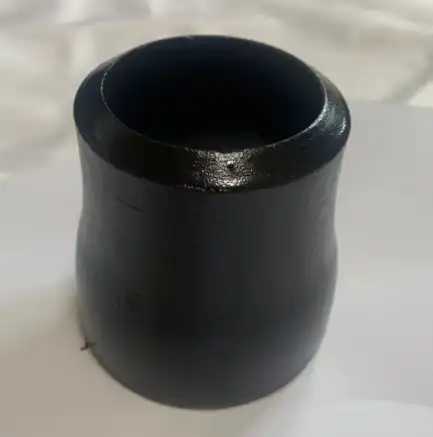
A CS Concentric Reducer is an important part of a pipe fitting that connects lines with different sizes while keeping the centerline the same. This uniform, conical shape makes it easy for fluids or gases to move from bigger to smaller bore sizes without causing noise or pressure differences that could damage the system.
Understanding the Design and Construction
An important thing that sets a CS Concentric Reducer apart is its centred axis design. The ends of the inlet and exit lines up perfectly with the axis, making a smooth, cone-shaped transition. Because of their shape, CS Concentric Reducers work especially well for installing pipelines vertically, where even flow distribution is very important. Quality reducers are mostly made by hot forming or cold forming, and their ends are bevelled to meet ASME B16.25 standards. The bevel angle is usually 37.5° ± 2.5°, and the root face is 1/16". These specs allow full-penetration butt welding, which makes permanent, leak-proof connections that work better in high-pressure situations than threaded or socket options.
Material Standards and Performance Characteristics
CS Concentric Reducer is still the most common material grade for buttweld carbon steel reducers because it is easy to find and has a great strength-to-cost ratio. It can reliably work at temperatures ranging from -29°C to 400°C. The choice of material has a direct effect on the reducer's ability to handle pressure; unlike flanged fittings, which have fixed pressure classes, buttweld reducers inherit the pressure rating of the seamless pipe they connect to, as long as the wall thickness (schedule) matches correctly. Heat treatment processes like normalising refine the grain structure and control hardness levels below 197 HB. This makes the steel weldable and stops it from breaking easily under the thermal cycling conditions common in chemical processing and oil refining environments.
Flow Dynamics and Application Contexts
This feature of CS Concentric Reducers keeps the flow centerline constant, which stops uneven velocity profiles that could speed up erosion at pipe walls. They are perfect for pump discharge lines, compressor outlets, and riser systems where high-pressure fluids move upward against gravity. The smooth internal transition minimises pressure drop and velocity-induced noise compared to abrupt diameter changes. When choosing reducers for your system, matching the schedule (wall thickness) becomes very important. For example, connecting a Schedule 40 reducer to a Schedule 80 pipe requires counter-boring the heavier-walled component to get rid of internal steps that cause turbulence and corrosion start points.
Top CS Concentric Reducer Manufacturers and Brands Comparison
When looking for a manufacturing partner for CS Concentric Reducers, you need to look at their production capacity, quality certifications, and track records across a wide range of industries. The global market has a lot of suppliers, but telling the difference between commodity vendors and value-driven manufacturers can have a big effect on the success of your project.
Oudi Pipe Manufacture: Industry Leadership Since 1998
Cangzhou Oudi Pipe Manufacture Co., Ltd. is a well-known brand in CS Concentric Reducer pipe fittings, thanks to its high quality and wide range of products. Our factory is in Mengcun Hui Autonomous County, which is known as China's pipe fitting manufacturing hub, and it covers 66,600 square meters and can make 16,000 tonnes of products every year. This size lets us serve over 300 customers in 40 countries, including tough markets in Europe, North and South America, Africa, Southeast Asia, and the Middle East.
Our integrated quality management approach is what makes Oudi stand out. We have both ISO 9001:2000 certification and the People's Republic of China Special Equipment Manufacturing License, which shows that we meet strict safety and performance standards. We can produce to American (ANSI/ASME), Japanese (JIS), German (DIN) and British (BS) standards, so we can easily work on projects with people from other countries. From inspecting raw materials to testing finished products, we follow a full inspection.
Our product line includes more than just CS Concentric Reducers. It also includes elbows, flanges, tees, caps and speciality fittings made of carbon steel, stainless steel and alloy steel. This wide range makes purchasing easier by putting all of your supply chain through a single, responsible manufacturer. We have direct export authorisation and an experienced technical staff that can communicate quickly and help you make changes that fit the specific needs of your project, whether you need non-s
Comparative Analysis: Material Grades and Cost Considerations
When deciding between CS Concentric Reducers, stainless steel reducers, and alloy reducers, the application environment determines which material is best. Carbon steel is more cost-effective for non-corrosive tasks like processing hydrocarbons, sending natural gas, and boiler feedwater systems that don't need to go above a certain temperature. Stainless steel grades (304L, 316L) are needed for corrosive media, high-purity applications, or temperatures above 500°C. Alloy steel reducers (ASTM A234 )
As a result of these properties, stainless steel reducers usually cost three to four times more than CS Concentric Reducer equivalents, and high-alloy grades command even higher premiums. Smart procurement teams weigh the initial cost of the material against costs over its lifetime, such as corrosion allowances, maintenance frequency, and replacement intervals. Working with manufacturers that offer multiple material options under one quality system makes specification changes easier and reduces the complexity of procurement.
Certification Verification and Quality Assurance
Checking a manufacturer's quality management certifications and manufacturing licenses is one way to find reputable ones. Manufacturers of pressure equipment should have jurisdiction-specific authorisations like an ASME U-stamp, PED compliance, or other credentials that show their technical competence. You should also ask for material test reports (MTRs) that confirm the chemical composition and mechanical properties for representative production lots. Reliable suppliers keep track of everything, from the heat numbers of raw materials to the identification of finished products, so that audit trails are created that meet project quality plans and regulatory inspections.
Manufacturers show they believe in their products by offering warranty terms and after-sales support. Standard warranty coverage covers dimensional non-conformance and material defects, but leading suppliers also offer support through technical consultation, installation guidance, and quick replacements when problems arise in the field. This focus on service turns transactional relationships into strategic partnerships that add value beyond the supply of components.
How to Choose the Right CS Concentric Reducer for Your Project
To choose the right CS Concentric Reducers, you need to know how the system works, what the dimensions need to be, and what the seller can do in a way that fits your project's schedule and budget.
Dimensional Matching and Pressure Class Selection
First, make sure that the nominal pipe sizes for both the larger and smaller connections are correct. For example, "6" x 4" means a CS Concentric Reducer that connects a 6-inch pipe to a 4-inch pipe. Then, make sure that the schedule (wall thickness) is compatible with the pipes that go with it. Schedules that don't match create internal diameter discontinuities that need to be machined out. Buttweld reducers don't have flanged pressure class ratings, but they do have to withstand system design pressure at operating temperature. Refer to ASME B31.3 or the relevant piping codes to find the minimum wall thickness, taking into account corrosion allowance, mill tolerance, and mechanical loads.
Concentric vs. Eccentric: Application-Specific Selection
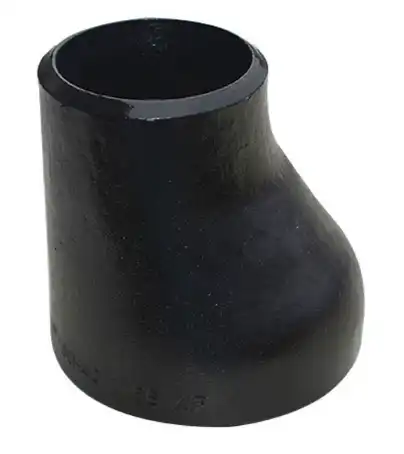
Knowing the difference between CS Concentric Reducers and eccentric reducers can help you avoid operational problems. For vertical runs, keeping the centerline alignment ensures structural stability and even loading on supports. Eccentric reducers are better for horizontal installations, especially pump suction lines, where keeping the flat side up prevents air pockets from forming that cause cavitation damage. Pump discharge usually uses CS Concentric Reducers because pressure keeps vapour from building up.
Evaluating Supplier Capabilities Beyond Product Specifications
Check out potential suppliers based on more than just their catalogue items. Minimum order quantities (MOQ) affect how flexible you can be with your purchases; some manufacturers require container-load minimums, while others can handle smaller volumes at different prices. Customisation options are important when projects need non-standard sizes or types of materials; make sure that suppliers have the engineering resources to look over special requests and provide dimensional drawings before production
Delivery dependability is what sets good suppliers apart from great partners. Ask for references from customers in the same industry and area, focusing on how well they deliver on time and adapt to changes in the schedule. Well-established manufacturers with a wide range of customers show they can handle supply problems and limited capacity that could threaten your project's milestones.
Installation, Maintenance, and Troubleshooting of CS Concentric Reducers
Correct construction methods and regular maintenance schedules extend the life of the CS Concentric Reducer and cut down on unplanned downtime.
Installation Best Practices and Welding Considerations
To install a buttweld CS Concentric Reducer, make sure the pipe is properly prepared. Check that the bevels on both the reducer and the matching pipe meet ASME B16.25 standards. Improper bevel geometry weakens the weld penetration and joint strength. Keep the area clean by getting rid of mill scale, rust and other contaminants that could cause weld defects. Carefully align the parts, using external clamps or tack welds to keep the concentricity within tolerance (usually 1/16" for diameters under 12 inches). To start welding, make sure there is a good fit-up gap, which is generally between 1/16" and 3/32".
When welding, the right approved Welding Procedure Specifications (WPS) should be used based on the type of material and the thickness of the wall. To keep hydrogen from breaking, CS Concentric Reducers usually need to be heated up when the temperature outside drops below 0°C or when the wall width goes over 25 mm. Multi-pass welding with proper temperature control between passes keeps the heat intake even and prevents warping. Post-weld heat treatment (PWHT) is required for vital services or when pipe rules say so. It reduces residual stresses and makes the material stronger.
Maintenance Inspection and Performance Monitoring
Set regular review times based on the seriousness of the service. Conditions that are corrosive or erosive need to be checked more often than those that aren't damaging. External corrosion, coating degradation, or physical damage from contact or temperature growth stresses can be seen during visual exams. Ultrasonic thickness measures keep track of wall loss so that repair choices can be made based on data before through-wall failures happen. During turnarounds, pressure testing is done on soldered parts to make sure they stay strong and don't leak.
Check the working settings for signs that the CS Concentric Reducer is having trouble. Pressure drops that can't be explained could mean that there is internal gunk, rust product buildup, or a partial blockage that needs to be cleaned or replaced. Increasing vibrations or strange noises could be signs of flow-induced turbulence caused by internal damage or imbalance. Temperature changes can show that insulation isn't working right or that there is localised corrosion where water has gotten through protection layers.
Common Issues and Troubleshooting Solutions
Weld joint failures are usually caused by not properly qualifying the method, using the wrong amount of heat, or contamination during the welding process. To fix weld problems that keep happening, you should hire skilled welding engineers to look over your processes and test your welders' performance. When fluid chemistry changes or protective film breaks down, internal rust speeds up. Check your corrosion inhibitor programs and think about switching to corrosion-resistant metals if the CS Concentric Reducer doesn't work. Misalignment that leads to early wear needs a root cause study of how well the piping is supported, how thermal expansion is managed, and how well the fitting was done.
Bulk Procurement and Supply Chain Insights for CS Concentric Reducers
Strategic buying methods lower the total cost of ownership while making sure that the supply of materials fits with the building plan.
Direct Factory Engagement vs. Distribution Networks
Large-scale projects benefit from having direct relationships with manufacturers because they avoid the markups that come with going through a middleman and let engineering teams talk about customisation. When order quantities are high enough to warrant shipping containers and project timelines allow for production wait times, direct sourcing can be a good option. Distributors are helpful when you need a small amount, need it quickly, or when having goods close by cuts down on shipping costs and delivery times. Hybrid methods use both channels: make general deals with makers for expected needs, and keep in touch with distributors for last-minute needs.
Negotiating Terms and Managing Lead Times
When you negotiate well, you should talk about more than just unit prices for CS Concentric Reducers. You should also talk about payment terms, quality hold points, inspection witness chances, and speeding provisions. Tiered pricing is often unlocked by making a volume promise, but savings should be weighed against the costs of keeping inventory and the risk of going out of style. Make sure you understand the Incoterms, so you know who is responsible for the freight, insurance, and customs processing. DDP (Delivered Duty Paid) makes handling easier but may cost more than FOB (Free on Board), which lets you control the shipping. Plan for the unexpected by buying long-term things early and keeping extra supplies of parts whose demand changes quickly.
Building Long-Term Supplier Relationships
Building strategic relationships with makers like Oudi gives you more than just transactional savings; it gives you a competitive edge. Preferred customers get priority when there aren't enough resources, can use professional know-how for value engineering, and have options when changes in the project scope need to be made to the specifications. Sharing predictions of demand helps suppliers plan their production more efficiently, which could cut costs and wait times. Regular performance reviews hold people accountable and find ways to improve that are good for everyone. These working relationships are very helpful when problems with the project need creative solutions and quick action.
Conclusion
To find good CS Concentric Reducers, you have to balance technical requirements, sourcing skills, and supply chain issues. If you know how these important fittings work, check the certifications and output ability of makers, and use systematic selection criteria, your projects will be successful. Working with well-known companies that offer a wide range of products and quick customer service is a great way to save money, make changes, or make sure you always get your orders on time. As the infrastructure needs grow around the world in the water, natural gas, chemical, and oil industries, smart buying relationships make sure that key systems can get the high-quality parts they need to keep running safely and efficiently.
FAQ
What are the main benefits of using carbon steel concentric reducers?
CS Concentric Reducers made of carbon steel make changing pipe diameters cheap while keeping the centerline orientation that is important for vertical pipe systems. They keep pressure from dropping by letting flow change smoothly, can handle high pressures that are similar to those that seamless pipes can handle, and are very easy to weld together for fixed installs that won't leak. The strength and temperature qualities of the material make it ideal for use in oil and gas, chemical processing, and power generation, all of which need to be reliable.
How do I choose between concentric and eccentric reducers?
When you need to keep the flow equal and the structure balanced, you should use CS Concentric Reducers for vertical pipeline runs. When installed horizontally, especially on pump pressure lines, eccentric reducers work well because their flat-top design keeps air pockets from building up and causing cavitation. The right choice is based on the application and the equipment that is needed. Talking to experienced providers can help with selection when system options aren't clear.
Can manufacturers provide custom sizes and specifications?
Reliable makers, such as Oudi, give customisation services for sizes that aren't standard, different types of materials, and different pressure ratings. For custom fabrication, your specs must be reviewed by an engineer, dimensional sketches must be approved, and wait times are longer than for regular catalogue items. Talk about the ability to customise early on in the buying planning process to make sure that the project's needs are met technically and on time.
What typical lead times should I expect when ordering?
It takes two to four weeks to ship standard CS Concentric Reducers from stock, but six to eight weeks for made-to-order production runs, based on the number of parts and how complicated they are. Custom specs or special materials can make lead times 10 to 12 weeks long, which includes engineering review, getting materials, production, and testing for quality. When pressing projects call for faster delivery schedules, expedited production may be offered at a higher cost.
Partner with Oudi for Reliable Carbon Steel Pipe Fitting Solutions
When you need to buy a CS Concentric Reducer, Oudi Pipe Manufacture Co., Ltd. has more than 25 years of experience in the field. Our ISO 9001-certified factory makes 16,000 tonnes of steel every year for customers around the world in the chemical, natural gas, water conservation, and oil and gas industries. We follow ANSI, JIS, DIN, and BS standards when we make things, and our nondestructive tests and full material tracking make sure that the quality is always the same.
Our engineering team can help you with technical questions and give you cheap quotes based on your project's needs, whether those needs are standard sizes or unique specs. We deliver on time to keep your building projects on track because our established transport networks reach North America, Europe, and beyond. Get in touch with our procurement experts to talk about bulk prices, material certifications, and shipping times. Send an email to oudi-04@oudiguandao.com right now to get a detailed price from a reliable CS Concentric Reducer source who wants your project to succeed.
References
1. American Society of Mechanical Engineers. (2020). ASME B16.9: Factory-Made Wrought Buttwelding Fittings. New York: ASME Press.
2. American Society of Mechanical Engineers. (2017). ASME B16.25: Buttwelding Ends. New York: ASME Press.
3. ASTM International. (2019). ASTM A234/A234M: Standard Specification for Piping Fittings of Wrought Carbon Steel and Alloy Steel for Moderate and High Temperature Service. West Conshohocken: ASTM International.
4. American Society of Mechanical Engineers. (2018). ASME B31.3: Process Piping. New York: ASME Press.
5. Nayyar, M. L. (Ed.). (2016). Piping Handbook (8th ed.). New York: McGraw-Hill Education.
6. Singh, R. K., & Solanki, V. S. (2021). Industrial Piping and Equipment Estimation Manual. Cambridge: Gulf Professional Publishing.

Need help finding the right solution with our experts. Please contact us.

SINCE 1998 Your Reliable Pipeline Manufacturer



