CS Reducer Solutions for Efficient Flow Control
Choosing the right parts is very important for handling the flow of fluids through complicated CS Concentric Reducer industrial pipe systems. It can mean the difference between smooth operations and costly downtime. CS Concentric Reducers are important pipe fittings that keep the axis centred while connecting pipes of different sizes. This lets flow speed and pressure change smoothly. In vertical pipe designs, these carbon steel parts help keep the flow stable by reducing turbulence and pressure drop. These reducer solutions are used in many fields, from oil and gas to water treatment, to improve system performance, keep equipment in good shape, and ensure long-term operating efficiency in tough conditions.
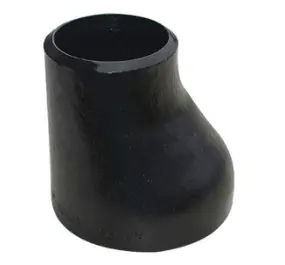
Understanding CS Concentric Reducers: Functionality and Advantages
What Defines a CS Concentric Reducer?
A concentric reducer is a pipe fitting in the shape of a cone that is aligned symmetrically along a common center line. In eccentric reducers, one edge stays flat to make the centerlines offset. But in concentric reducers, the shape stays the same, so fluid flow goes straight through the middle. This symmetrical design is very useful in vertical pipeline applications where keeping the flow distribution even keeps operations from getting complicated. Because they are made of carbon steel, these fittings are strong and durable, so they can be used in a wide range of industrial settings with mild to high pressure.
How Concentric Reducers Regulate Fluid Dynamics
The conical transition inside of concentric reducers slowly reduces the width of the pipe. This lets fluids move faster without creating rough patterns of turbulence. This controlled change in speed keeps the pressure in the system steady, which protects equipment further down the line from sudden pressure jumps that could damage it or make it less efficient. The centred flow path makes sure that the flow is evenly spread around the pipe's edge, which is especially helpful when moving liquids up and down, where gravity helps the flow direction. This symmetrical design is also good for gas pipes because it keeps vapour from building up, which can happen with asymmetrical fittings.
Core Benefits for Industrial Applications
Adding concentric reducers to your piping system gives you a number of practical benefits. The even flow spread makes equipment last longer by putting less stress on pumps, valves, and measuring tools that are further downstream. Maintenance teams can install these fittings without special tools or complicated steps because they are easy to put together. This saves money on labour costs during both the initial building and future upgrades. The choice of carbon steel material strikes a balance between low cost and high mechanical strength. It provides excellent resistance to internal pressure while still being affordable for large-scale projects. When installed correctly, concentric reducers last a long time, which means they don't need much upkeep CS Concentric Reducer and can be serviced more often, which lowers the total cost of ownership. Because of these benefits, businesses that put efficiency and dependability first must use concentric reducer solutions. Purchasing managers know that buying good fittings up front will save them a lot of money in fixes and production delays later on.
Specifications and Installation Best Practices for CS Concentric Reducers
Technical Standards and Material Considerations
Manufacturing standards set the sizes of reducers to make sure that they work with other parts of the system. In North American markets, ASME B16.9 is the most common standard. It specifies the sizes, tolerances, and materials that must be used for factory-made wrought steel butt-welding parts. ANSI, JIS, DIN, and BS are some of the other standards that provide specifications that meet the needs of foreign projects. Choosing between carbon steel, stainless steel, and alloy steel relies on things like the temperature at which it will be used, how corrosive the fluid is, and the pressure ratings. When corrosion protection isn't very important, carbon steel concentric reducers work great. They have better strength-to-cost ratios than stainless steel options and can handle the pressures that are common in most industrial processes.
Installation Protocols for Optimal Performance
Before installing something correctly, you should make sure that the reducer ends and pipe surfaces are clean and that the measurements are correct. When positioning, alignment is very important—the concentric reducer should keep perfect centerline continuity with both the inlet and exit pipes to keep the flow characteristics that were wanted. Welding procedures must follow qualified welding technique specifications that take into account the thickness and make-up of the material. Once the weld joint is finished, it should be inspected visually to make sure there is full penetration and a uniform bead look. If required by code, it should then be tested without damaging the metal using non-destructive methods like X-rays or ultrasonic waves.
Maintenance Strategies to Extend Service Life
As part of regular inspections, the outside surfaces should be looked at visually to see if there are signs of corrosion, coating wear, or mechanical damage from strikes from the outside. During planned shutdowns, an internal check lets you look at erosion patterns, scale buildup, or corrosion that could weaken the wall's thickness. Cleaning methods depend on the type of fluid being used. For example, chemical leftovers may need to be flushed with solvents that are compatible, while particulate buildup can be cleaned mechanically. Recording what was found during inspections helps with predictive maintenance planning, which lets you replace things before they break and stops unplanned outages that throw off production plans. Following these technical rules will make sure that installations of concentric reducers have the performance characteristics needed for effective flow control for as long as they are in use.
Comparing CS Concentric Reducers: Making the Right Choice for Your Project
Concentric Versus Eccentric Reducer Applications
Understanding when to specify concentric rather than eccentric reducers directly impacts system performance. Concentric reducers suit vertical piping where symmetrical flow prevents air pocket formation and maintains balanced fluid distribution. Eccentric reducers feature a flat side that maintains one pipe surface level with another, making them preferable for horizontal runs where preventing vapor accumulation or settling of solids becomes necessary. The asymmetrical design of eccentric fittings creates faster flow along the angled side, CS Concentric Reducer which can benefit certain drainage applications but may cause undesirable turbulence in systems requiring steady flow conditions.
Material Selection: Balancing Performance and Budget
Carbon steel concentric reducers provide the most economical solution for applications within typical industrial temperature and pressure ranges. The material demonstrates excellent weldability, mechanical strength, and availability in various wall thicknesses to match different pressure classes. Stainless steel alternatives offer superior corrosion resistance for handling aggressive chemicals or high-purity fluids but command premium pricing that may exceed budget constraints for large-volume requirements. Alloy steel options serve specialized high-temperature or high-pressure scenarios where enhanced material properties justify the additional investment. Evaluating your specific operating conditions against material capabilities ensures optimal selection that neither over-specifies unnecessarily nor compromises safety margins.
Market Considerations and Cost Variables
Pricing for concentric reducers varies based on size, material grade, wall thickness, and manufacturing quality standards. Certified products meeting international standards and backed by material test reports typically command higher prices than uncertified alternatives, yet this investment delivers assurance of material traceability and manufacturing quality. Bulk purchasing arrangements often unlock volume discounts that significantly reduce per-unit costs for large projects requiring multiple identical fittings. Lead times fluctuate based on size availability and current market demand—standard dimensions usually ship quickly from inventory, while special sizes may require production scheduling that extends delivery timelines. This comparative understanding empowers project teams to align technical requirements with budget realities while maintaining the performance standards necessary for reliable operations.
Procurement Guide for CS Concentric Reducers: How to Buy with Confidence
Verification of Quality Standards and Certifications
Reliable suppliers keep their ISO 9001 certification, which shows that they handle quality in a planned way throughout the whole production process. Regulatory officials give special equipment manufacturing licenses to facilities that meet safety and quality standards for making pressure vessel parts. By asking for mill test papers, you can get official proof of the material's make-up, its mechanical properties, and the accuracy of its measurements for certain product lots. These certifications keep buyers safe from low-quality materials that might break down too soon, posing a safety risk and costing a lot to repair.
Customization Capabilities for Specialized Requirements
A lot of industrial projects have special needs that can't be met by standard catalogue items. Custom fabrication services are available from qualified makers to make reducers in non-standard sizes, wall thicknesses, or material grades that fit the needs of the project exactly. This ability to be customised is especially useful when adding on to or expanding a plant, and the existing infrastructure makes it necessary to have oddly shaped parts. Early on in the procurement process, talking about the possibility of customisation cuts down on delays and makes sure that delivered goods work well with other parts.
Logistics and Supply Chain Considerations
Knowing how much something can be made helps you decide if a possible supplier can meet your project's quantity needs and time constraints. Manufacturing plants that can make a lot of goods each year, like ones that can make thousands of tonnes, have the resources to meet big orders without breaking their delivery promises. Shipping logistics include coordinating how to package items so they are safe during transport, how to arrange goods so that costs are low and delivery times are fast, and how to fill out customs paperwork for international shipments. Setting up clear lines of contact with the export departments of suppliers makes it easier to handle transactions and solve any problems that come up quickly. By using these criteria to carefully evaluate suppliers, you can lower the risks of buying things and form partnerships that help current projects while also making it easier for people to work together in the future.
Applications and Industry Use Cases of CS Concentric Reducers
Oil and Gas Infrastructure
Pipeline networks transporting crude oil, natural gas, and refined products utilize concentric reducers at pump stations, compressor facilities, and distribution terminals. These fittings enable diameter transitions necessary for optimizing flow velocity across different pipeline segments, maintaining efficiency while managing capital costs. The pressure stability provided by concentric reducers protects sensitive instrumentation and control valves positioned throughout these systems, contributing to safe and reliable hydrocarbon transport.
Chemical Processing and Petrochemical Plants
Chemical manufacturing facilities employ concentric reducers within CS Concentric Reducer process piping that handles various liquids and gases at elevated temperatures and pressures. The smooth flow characteristics minimize pressure drop across the fitting, reducing energy consumption required for fluid transport. Material compatibility becomes essential in these corrosive environments—carbon steel serves well for many process streams, while specialized applications may require upgraded materials. The durability of properly selected reducers supports continuous operation in facilities where unplanned shutdowns carry substantial economic penalties.
Water Treatment and Distribution Systems
Municipal water treatment plants and industrial water systems incorporate concentric reducers in vertical pump discharge lines and treatment process piping. The centered flow pattern prevents air binding in vertical risers, ensuring reliable pump operation and consistent treatment chemical mixing. Water distribution networks use these fittings to transition between main transmission pipes and smaller distribution branches, maintaining hydraulic efficiency throughout the system. The corrosion resistance of carbon steel proves adequate for potable water service when combined with appropriate protective coatings.
Power Generation Facilities
Electric power plants depend on concentric reducers in boiler feedwater systems, condensate return lines, and cooling water circuits. These applications demand reliable performance under continuous operation, with reducer failures potentially forcing unit shutdowns that interrupt electricity generation. The proven track record of quality carbon steel fittings in power generation environments gives plant operators confidence in long-term reliability. Maintenance accessibility considerations during system design ensure that future inspections or replacements can occur during scheduled outages rather than forcing emergency repairs. These diverse applications demonstrate how concentric reducer solutions support critical industrial processes across multiple sectors, delivering the flow control efficiency necessary for modern operations.
Conclusion
Choosing parts for industrial piping systems that combine technical performance, material durability, and cost-effectiveness is important for controlling flow. Quality carbon steel is used to make concentric reducers, which are reliable diameter changes that are needed to keep fluid dynamics at their best in vertical pipelines used for oil, chemicals, water, and power production. Knowing the differences in how concentric and eccentric designs work lets you make smart specification choices that meet specific practical needs. When you work with certified manufacturers who can show that they have quality management systems, technical skills, and export experience, you can be sure that the fittings you buy will meet foreign standards and arrive on time and on budget. Investing in high-quality reducer solutions pays off in the form of longer service life, less maintenance, and practical reliability that keeps production systems running smoothly.
FAQ
1. How do I choose between concentric and eccentric reducers for my application?
Concentric reducers work best in vertical piping runs where maintaining centered flow prevents air pockets and ensures balanced fluid distribution. The symmetrical design suits gas lines and vertical liquid applications. Eccentric reducers serve horizontal piping where the flat side allows drainage or prevents vapor accumulation. If your system handles liquids horizontally with potential settling concerns, eccentric types prove more appropriate. Vertical applications consistently favor concentric configurations.
2. Can CS concentric reducers handle high-pressure systems safely?
Carbon steel concentric reducers manufactured to ASME B16.9 standards accommodate pressure ratings corresponding to the pipe schedule they connect. Standard weight, extra strong, and double extra strong wall thicknesses provide options matching various pressure classes. Proper material selection based on design pressure, temperature, and safety factors ensures adequate strength. Always verify that reducer pressure ratings meet or exceed system operating conditions, consulting with qualified engineers when addressing particularly demanding applications.
3. Does material choice significantly affect concentric reducer lifespan?
Material selection directly impacts service life based on operating environment. Carbon steel performs well in non-corrosive or mildly corrosive conditions with proper surface protection. Aggressive chemicals, high temperatures, or corrosive fluids may require stainless steel or alloy upgrades despite higher costs. Regular inspection programs help monitor condition regardless of material choice, allowing timely replacement before wall thickness reduction compromises integrity. Matching material properties to actual service conditions optimizes both performance longevity and project economics.
Partner with Oudi for Reliable CS Concentric Reducer Solutions
Oudi has manufactured premium carbon steel pipe fittings since 1998, delivering concentric reducers that meet rigorous international standards to over 300 customers across 40 countries. Our ISO 9001-certified quality management system and special equipment manufacturing licenses guarantee every fitting's reliability. With 16,000-ton annual production capacity, advanced inspection equipment, and comprehensive material options covering ANSI, JIS, DIN, and BS specifications, we serve as your trusted CS Concentric Reducer supplier for projects demanding quality, consistency, and timely delivery. Contact our expert team at oudi-04@oudiguandao.com to discuss your specific requirements, request detailed product catalogs, or obtain competitive quotes for bulk orders that benefit from our volume pricing advantages.
References
1. American Society of Mechanical Engineers. (2018). ASME B16.9: Factory-Made Wrought Buttwelding Fittings. New York: ASME Press.
2. Chen, W. & Liu, H. (2019). Fluid Mechanics in Piping Systems: Design and Applications. Industrial Press Inc.
3. Kumar, R. (2020). "Material Selection Criteria for High-Pressure Piping Components." Journal of Pressure Vessel Technology, 142(4), 041502.
4. Nayyar, M.L. (2019). Piping Handbook (8th ed.). McGraw-Hill Professional.
5. Peterson, J.F. (2021). "Flow Characteristics Through Pipe Reducers: Comparative Analysis." International Journal of Fluid Mechanics Research, 48(3), 215-234.
6. Smith, D.R. & Thompson, K.A. (2020). Industrial Piping Systems: Installation and Maintenance Best Practices. Elsevier Technical Publications.

Need help finding the right solution with our experts. Please contact us.

SINCE 1998 Your Reliable Pipeline Manufacturer



