Steel Pipe Reducer Supplier – Fast Delivery
When industrial projects need precise pipe parts, it's very important to Steel Concentric Pipe Reducer find a steel pipe reducer provider you can trust. At Oudi, we make high-quality steel concentric pipe reducers that connect lines of different diameters without any problems and keep the flow rate at its best. Our factory in Cangzhou has been making fittings out of carbon steel, stainless steel, and alloy steel since 1998, so they know what they're doing. Every year, they make 16,000 tonnes of fittings that meet strict international standards. Fast delivery to over 40 countries is made possible by our streamlined production and global logistics network. This supports important applications in the oil, chemical, natural gas, and water conservation sectors, where downtime directly means lost income.
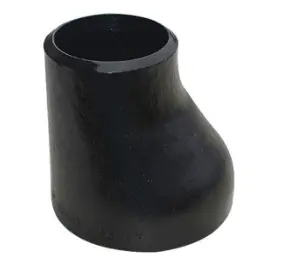
Understanding Steel Concentric Pipe Reducers
What Defines a Steel Concentric Pipe Reducer?
In the shape of a cone, a steel concentric pipe reducer connects two pipes of different sizes while keeping the centerlines of both pipes exactly straight. This symmetrical design makes a uniform reduction around the whole circumference, which is what makes it truly different from eccentric designs. The part keeps the bigger inlet and smaller outlet on the same axis, which is very important in vertical installations where keeping the structure balanced is very important. Depending on the size and thickness requirements of the material, manufacturing methods usually use either hot or cold forming. The bevelled ends make butt-welding links possible, which makes joints that don't leak and can handle high pressures.
How Concentric Differs from Eccentric Reducers
Knowing how these two types of reducers work differently helps you choose the right one for your application. Concentric reducers keep the alignment straight, which makes them perfect for vertical pump discharge lines where the risk of air pockets forming is low. The change to uniform flow reduces turbulence in high-speed situations, especially in steam generation systems that are working above 1500 PSI. Eccentric reducers, on the other hand, have an offset design with one flat side that keeps air from building up in straight suction lines. If you choose the wrong type, it could cause cavitation damage, make operations less efficient, or cause equipment to break down early. When engineers look at different pump configurations, they have to describe the reducer geometry while keeping flow direction, pressure ratings, and the chance of gas entrapment in mind.
Material Variations and Standards Compliance
We make reducers from a range of different materials to meet a wide range of environmental needs. Carbon steel types that meet ASTM A234 WPB standards are used for general-purpose tasks where low cost and average corrosion protection are important. Stainless steel grades like ASTM A403 WP304 and 316L work better in corrosive chemical processing settings that are corrosive. As the temperatures in power plants rise above 650°C, alloy steel formulas like ASTM A234 WP11 and WP22 can handle it. The size requirements are very strict and follow ASME B16.9 guidelines. The sizes range from NPS 1/2 to NPS 48, and the wall thickness needs to meet schedule requirements from SCH 40 to XXS. This wide range makes sure that it works with existing pipeline systems in all foreign markets, no matter if you're looking for products that meet European DIN standards Steel Concentric Pipe Reducer or American ANSI standards.
Choosing the Right Steel Concentric Pipe Reducer for Your Needs
Pressure Ratings and Temperature Considerations
Choosing the right pressure and temperature numbers keeps systems from failing in terrible ways. Hydrostatic testing is done on our reducers to make sure they can handle pressure. Ratings are based on the material grade, wall thickness, and physical requirements. Fittings made of carbon steel can usually handle pressures up to Class 3000, while fittings made of stainless steel can handle temperatures as low as -196°C and still keep their structure. Changing temperatures has a big effect on the qualities of a material. For example, alloy steel compositions keep their tensile strength at temperatures where carbon steel would start to creep deform. When matching reducer specs to working conditions, procurement teams must use ASME B31.3 Process Piping guidelines. For every production batch, we give mill test papers that show the mechanical properties, chemical composition analysis, and results of a non-destructive examination.
Corrosion Resistance in Harsh Environments
Fittings that are used in chemical processing and offshore applications are exposed to aggressive media that need better corrosion resistance. In seawater, chloride doesn't cause pitting in stainless steel 316L reducers, which means they last longer in filtration plants and offshore platforms. When hydrogen sulphide is present in sour gas, internal coatings like epoxy linings offer extra safety. Choosing the right material has a big effect on the total cost of ownership over time. For example, stainless steel costs more at first, but it lasts longer and needs less upkeep, so the extra cost is usually worth it. Our expert team helps qualify materials by looking at things like pH levels, changes in temperature, and the amount of corrosive compounds present. This consultative method helps keep things from breaking down too soon, which would mess up production schedules and make maintenance costs go up.
Size Compatibility and Dimensional Standards
Accurate measurements make sure that the parts fit together correctly during fitting, which stops alignment problems that lower the quality of the weld. As required by ASME B16.9, we keep very close standards on the outside diameter, wall thickness, and transition length. To keep the flow characteristics acceptable, size transitions usually don't go beyond two pipe sizes in a single reducer. For bigger reductions, you need to stage multiple fittings correctly. In concentric reducers, the transition angle stays the same most of the time. This makes it possible for slow changes in velocity that decrease erosion. When retrofitting old systems that use both imperial and metric sizes, procurement professionals should make sure that the reducer sizes match Steel Concentric Pipe Reducer the current pipeline schedules. For non-standard transitions needed in unique applications, our engineering staff checks the dimensions and makes the parts to order.
Procurement Guide: Streamlining Your Steel Concentric Pipe Reducer Purchase
Minimum Order Quantities and Lead Times
Understanding the parameters of an order helps make sure that procurement and project plans are in sync. Our production capacity is flexible enough to handle orders ranging from small replacements needed right away to thousands of pieces needed for a big project. Standard stock items in common sizes usually ship within 5 to 7 business days. Custom orders, on the other hand, take 3 to 4 weeks, based on the availability of materials and the production queue. Orders of a lot of items save money because of economies of scale. When you buy more than 500 items, the price per unit goes down a lot. We keep a strategic store of high-turnover sizes in carbon steel and stainless steel 304, so we can quickly meet the needs of urgent projects. Transparent communication is still very important. For example, our sales team keeps us up to date on production and lets us know ahead of time about any delays that might affect our shipping promises.
Payment Terms and Trade Assurance
International procurement involves financial risk mitigation through structured payment arrangements. We offer flexible terms including Letter of Credit, telegraphic transfer with deposit schedules, and trade assurance programs that protect buyer interests. Established clients with verified credit histories may qualify for extended payment terms that improve cash flow management. Documentation accompanies every shipment, including commercial invoices, packing lists, material certifications, and certificates of origin, facilitating customs clearance. Our export department handles logistics coordination, working with freight forwarders to optimize shipping routes and transit times. This end-to-end support reduces administrative burden on procurement teams managing multiple international suppliers across complex project portfolios.
Customization and OEM Capabilities
Complex projects often require modifications beyond standard catalog offerings. Our engineering team collaborates with clients on custom dimensional specifications, special material grades, and unique end preparation requirements. OEM services include private labeling, specialized packaging, and documentation customization supporting client quality systems. Advanced manufacturing equipment, including CNC machining centers and automated welding systems, enables tight tolerance work on critical applications. We've successfully executed custom projects for offshore platforms requiring DNV certification, nuclear facilities demanding ASME Section III compliance, and pharmaceutical plants needing 3.1 material certificates with full traceability. This technical flexibility positions us as a manufacturing partner rather than merely a component supplier, supporting innovation in demanding applications.
Why Choose Oudi as Your Steel Pipe Reducer Supplier?
Quality Certifications and Manufacturing Excellence
Our commitment to quality begins with ISO 9001:2000 certification and extends through every production phase. The facility holds special equipment manufacturing licenses from Chinese regulatory authorities, demonstrating compliance with stringent safety and quality standards. Raw material verification includes spectroscopic analysis confirming chemical composition before production authorization. In-process inspections monitor dimensional accuracy, surface finish, and heat treatment procedures. Final inspection protocols include visual examination, dimensional verification, hydrostatic testing, and non-destructive testing using ultrasonic or radiographic methods depending on customer specifications. This comprehensive quality management system ensures conformance to international standards including ANSI, JIS, DIN, and BS specifications required across global markets. Our production equipment represents significant technological investment, featuring advanced hydraulic presses, heat treatment furnaces with programmable temperature control, and automated shot-blasting systems ensuring uniform surface preparation. These quality assurance measures have earned recognition from clients in demanding sectors including offshore oil production, nuclear power generation, and pharmaceutical manufacturing where product failures carry catastrophic consequences.
Global Logistics and Delivery Reliability
Our distribution network spans over 40 countries across Europe, North and South America, Africa, Southeast Asia, Steel Concentric Pipe Reducer, and the Middle East. Strategic partnerships with international freight carriers ensure competitive shipping rates and reliable transit times to major industrial centers. We've successfully delivered to remote locations including offshore platforms, mining operations in developing regions, and construction sites with challenging access requirements. Export packaging meets international shipping standards, utilizing wooden crates, steel strapping, and moisture barriers protecting products during ocean transport and extended storage periods. Our logistics team coordinates multi-modal transportation, handling documentation requirements for various customs jurisdictions and regulatory environments. Delivery performance metrics matter critically when project schedules include contractual penalties for delays. We maintain on-time delivery rates exceeding 95% through production planning systems that synchronize manufacturing capacity with order commitments. This reliability has established long-term relationships with EPC contractors, distributors, and end-users who value dependability as much as product quality.
Installation and Maintenance Tips for Steel Concentric Pipe Reducers
Proper Installation Procedures
Successful installation begins with thorough preparation ensuring clean, square pipe ends free from scale, rust, or contaminants. Alignment jigs maintain concentricity during tack welding, preventing misalignment that creates stress concentrations. Welding procedures should follow qualified weld procedure specifications appropriate for base material and wall thickness, with preheat and interpass temperature control preventing hydrogen cracking in thick sections. Post-weld heat treatment relieves residual stresses in applications exceeding specific thickness thresholds or operating in cyclic service. Installers must verify proper gap dimensions before welding, avoiding excessive gaps that require excessive filler metal or insufficient gaps causing incomplete penetration. Experienced welders recognize that reducer geometry affects heat input distribution, requiring adjusted welding parameters compared to straight pipe sections.
Routine Inspection and Preventive Maintenance
Operational stability depends on regular inspections that find early signs of wear and tear before they lead to failure. A visual inspection can find surface corrosion, worn-down coatings, or damage to the structure from outside hits. Ultrasonic thickness testing checks how much wall loss is caused by internal erosion or external corrosion. This lets you plan for upkeep. Vibration research finds flow-induced vibration that might be causing weld joints to crack over time. Systems that deal with gritty slurries or erosive services need to be inspected more often than systems that deal with clean fluids. Recording the results of inspections makes a base set of data that can be used for trend analysis and figuring out how much life is left. Maintenance teams should look into sudden drops in pressure that could mean internal fouling or a smaller diameter due to scale buildup. Preventative maintenance greatly increases the life of equipment and keeps it from shutting down without warning, which can interrupt production and cause big financial losses.
Conclusion
To find steel concentric pipe reducers that you can trust, you need to work with manufacturers that can show they have the technical know-how, quality control, and shipping reliability. Over the past 25 years, Oudi has been making things. We use advanced production techniques and strict quality control systems to make parts that meet strict international standards and can be used in a wide range of industries. Whether your project involves high-pressure steam systems for making electricity, processing chemicals that are toxic, or oil production at sea, our wide range of materials and customisation services can meet the specific needs of your project. We can meet a wide range of procurement needs, from urgent replacements to large-scale project supply packages, thanks to our affordable prices, flexible order quantities, and global logistics support.
FAQ
1. What lead times should we expect for standard and custom steel concentric pipe reducers?
Standard catalog items in common sizes and materials typically ship within 5-7 business days from our existing inventory. Custom specifications requiring special materials, non-standard dimensions, or unique certifications generally require 3-4 weeks of production time depending on material procurement and production scheduling. We recommend contacting our sales team early in project planning phases to align delivery schedules with construction milestones, particularly for large-quantity orders or specialized applications requiring extended manufacturing processes.
2. Can you provide material certifications and traceability documentation?
Absolutely. Every shipment includes mill test certificates documenting chemical composition, mechanical properties, and heat treatment records traceable to specific production batches. We provide EN 10204 3.1 certificates as standard, with 3.2 certificates available upon request for applications requiring independent third-party verification. Additional documentation including dimensional inspection reports, non-destructive testing results, and special certifications for nuclear, offshore, or pharmaceutical applications can be arranged to meet project quality requirements.
3. How do concentric and eccentric reducers differ in high-pressure steam applications?
Concentric reducers maintain pipe centerline alignment, making them preferred for vertical steam lines where symmetrical flow transition minimizes turbulence and erosion. The centered geometry simplifies support design and accommodates thermal expansion uniformly. Eccentric reducers with offset geometry suit horizontal installations where preventing condensate accumulation or air pockets matters critically. High-pressure steam systems above 900 PSI typically specify concentric reducers in vertical orientations to maintain structural balance and optimize flow characteristics through the transition zone.
Partner with Oudi for Reliable Steel Concentric Pipe Reducer Supply
Procurement professionals seeking a trusted steel concentric pipe reducer supplier Steel Concentric Pipe Reducer will find comprehensive solutions at Oudi. Our ISO-certified manufacturing facility produces premium carbon steel, stainless steel, and alloy steel reducers meeting ASTM, ASME, and international standards your projects demand. With a 16,000-ton annual capacity, competitive pricing structures, and proven fast delivery to over 300 clients worldwide, we support everything from routine maintenance requirements to large-scale construction projects. Our technical team provides expert consultation on material selection, pressure ratings, and dimensional specifications, ensuring you receive precisely the right components for your application. Contact us today at oudi-04@oudiguandao.com for personalized quotations, technical specifications, or to discuss your upcoming project requirements. Experience the reliability that has made us a preferred manufacturing partner across oil, chemical, power generation, and infrastructure sectors globally.
References
1. American Society of Mechanical Engineers. ASME B16.9: Factory-Made Wrought Buttwelding Fittings. New York: ASME International, 2018.
2. American Society of Mechanical Engineers. ASME B31.3: Process Piping Design and Construction Standards. New York: ASME International, 2020.
3. ASTM International. ASTM A234/A234M: Standard Specification for Piping Fittings of Wrought Carbon Steel and Alloy Steel for Moderate and High Temperature Service. West Conshohocken: ASTM International, 2019.
4. ASTM International. ASTM A403/A403M: Standard Specification for Wrought Austenitic Stainless Steel Piping Fittings. West Conshohocken: ASTM International, 2021.
5. Nayyar, Mohinder L. Piping Handbook, 8th Edition. New York: McGraw-Hill Education, 2016.
6. Becht, Charles IV. Process Piping: The Complete Guide to ASME B31.3, 4th Edition. New York: ASME Press, 2017.

Need help finding the right solution with our experts. Please contact us.

SINCE 1998 Your Reliable Pipeline Manufacturer



