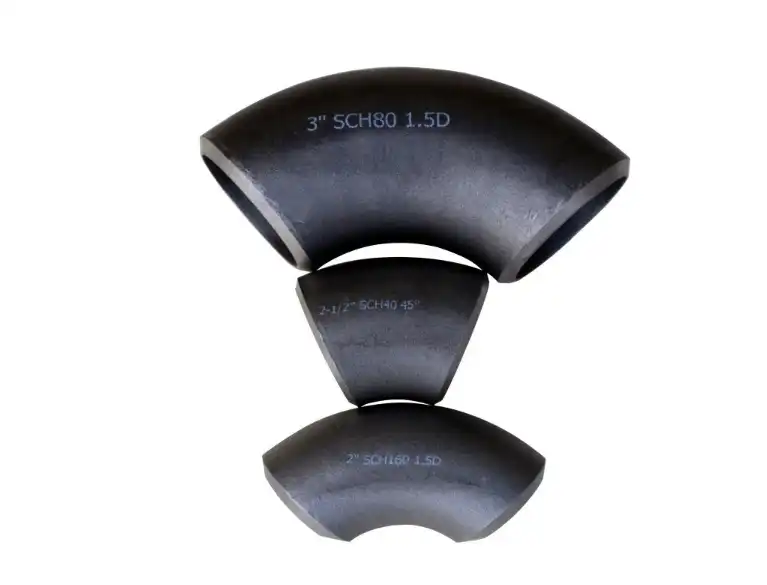
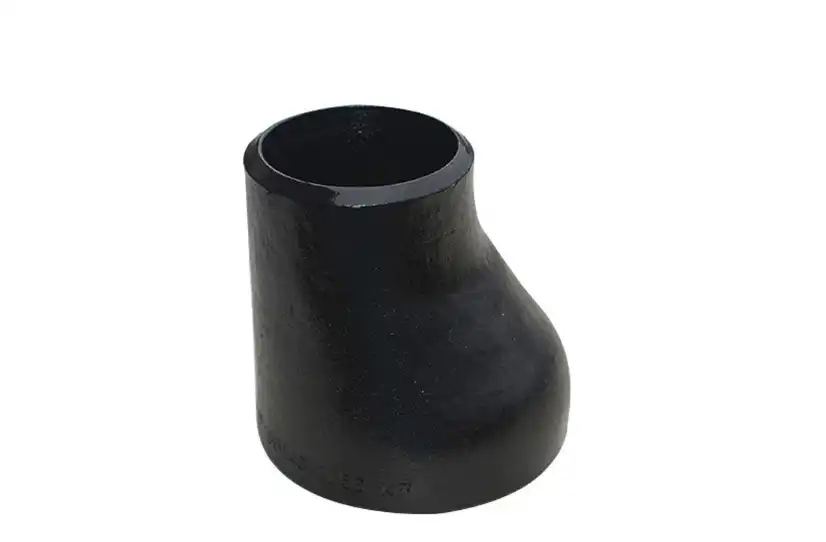
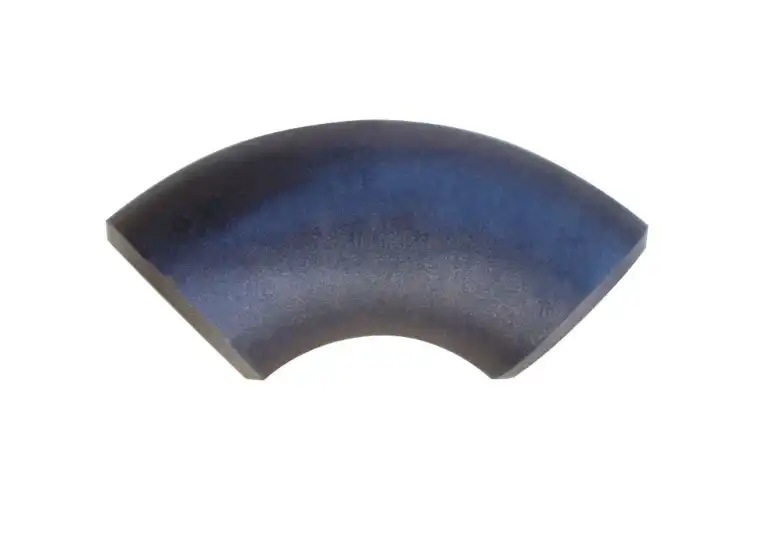
Why Choose ASME B16.9 Pipe Caps?
It is very important to choose the right end closure ASME B16.9 Pipe Cap component when protecting industrial piping systems. The ASME B16.9 Pipe Cap is the standard for high-performance, reliable, and standardised termination solutions in heavy industries around the world. These wrought fittings are made in a workshop and meet strict international standards for size accuracy, pressure containment, and compatibility. If you choose certified ASME B16.9 caps for your project, you can be sure of compliance, safety, and long-term operating integrity. This is true whether the project is for oil and gas transmission, chemical processing, or power generation infrastructure. This guide explains in detail why these parts are important to think about when buying pipe system necessities.
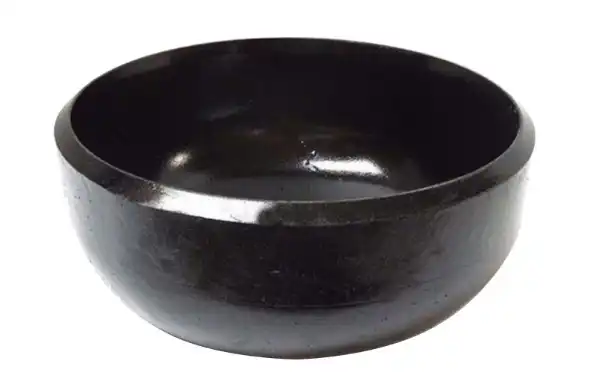
Understanding ASME B16.9 Pipe Caps: Dimensions, Specifications, and Standards
At their core, ASME B16.9 pipe caps are made of wrought steel parts that are butt-welded to pipe ends to make a lasting seal. Critical factors, such as dimensional tolerances, pressure-temperature ratings, wall thickness schedules, and testing methods, are governed by the ASME B16.9 standard. These caps fit perfectly on pipe networks without any adaptation or changes made in the field. They come in sizes from NPS 1/2 inch to NPS 48 inches.
What Defines an ASME B16.9 Pipe Cap?
Butt-weld pipe caps are different from threaded or socket-welded ones because they have standard centre-to-end measurements and bevel end preparations (usually 37.5° ± 2.5°), which makes full-penetration welds easier. This uniformity makes sure that parts from different sources can be used together and cuts down on installation mistakes. The standard requires strict inspections, such as checking the dimensions, being able to track down the materials used, and mechanical testing. This gives procurement teams faith that the products will be the same.
Material Options and Their Industrial Relevance
When high tensile strength (at least 60,000 psi) and low cost are most important, carbon steel types like ASTM A234 WPB are the ones that are used most often. Chemical plants and offshore sites are places where corrosion is common, so stainless steel types like ASTM A403 WP304 or WP316 are used. In refinery crackers and thermal power boilers, alloy steel types can handle high temperatures and changes in pressure. Each type of material goes through a controlled heat treatment, also known as normalisation or stress relief, to fix any damage to the microstructure that happened during the forming process and keep it from cracking too soon when it's put under practical stress.
Manufacturing Methods: Seamless Versus Welded Construction
Seamless pipe caps, which can be made by hot-pressing or forging, don't have longitudinal weld seams, so they are better at keeping air in and resisting fatigue. Even though welded caps are cheaper, they need to be put through strict non-destructive testing to ASME B16.9 Pipe Cap to find any possible fusion flaws. People who buy things for critical service uses, like sour gas pipelines or high-pressure steam systems, choose seamless construction over weld zones because it lowers the risk of failure. When buying things around the world, quality certificates are very important. The People's Republic of China Special Equipment Manufacturing License makes sure that pressure vessel rules are followed, and ISO 9001 compliance makes sure that quality management is done in a planned way. According to EN 10204, Material Test Reports (MTR) Type 3.1 or 3.2 give chemical composition analysis and mechanical property verification. These reports meet the audit needs of both end users and big EPC contractors.
Why ASME B16.9 Pipe Caps Outperform Other Types: Comparative Analysis
Choosing pipe caps involves comparing design philosophies, pressure capabilities, and installation complexities. ASME B16.9 butt-weld caps excel in permanent, high-integrity applications where other fitting types fall short.
Butt-Weld Versus Threaded Caps
Threaded caps suit low-pressure, easily accessible systems where periodic maintenance is expected. However, thread imperfections create stress concentration points, limiting pressure ratings and inviting leakage under thermal cycling. Butt-weld caps eliminate these vulnerabilities through continuous weld fusion, making them the go-to choice for pipelines operating above 600 psi or temperatures exceeding 400°F.
ASME B16.9 Versus B16.11 Socket-Weld Fittings
Socket-weld caps under ASME B16.11 accommodate smaller bore sizes and rapid field assembly but introduce internal crevices where corrosive media can accumulate. ASME B16.9 caps, with smooth internal profiles, minimise turbulence and erosion-corrosion—critical in refinery hydrocarbon service and chemical feed lines transporting aggressive fluids.
Carbon Steel Versus Stainless Steel Performance
Carbon steel delivers robust mechanical properties at lower material costs, ideal for dry gas pipelines and structural piping in power plants. Stainless steel variants resist chloride-induced pitting and crevice corrosion in marine environments or chemical plants handling acidic solutions. The choice hinges on life-cycle cost analysis: carbon steel caps paired with protective coatings often prove economical for non-corrosive services, while stainless steel justifies premium pricing in harsh chemical exposure scenarios. Seamless caps outperform welded alternatives in pressure containment and fatigue endurance. The absence of longitudinal welds eliminates potential failure planes, making seamless construction mandatory for ASME B31.3 Category M fluid services—those whose release poses severe safety hazards. Welded caps remain viable for less critical applications, provided they pass radiographic or ultrasonic testing to confirm weld integrity.
Selecting the Right ASME B16.9 Pipe Caps for Your Application
Matching pipe cap specifications to operational conditions demands careful evaluation of pressure classes, temperature ranges, and environmental stressors.
Pressure Class and Temperature Ratings
ASME B16.9 caps fit with ASME B16.5 flange pressure classes, which range from 150 to 2500, ASME B16.9 Pipe Cap which lets system design to work together. According to ASME B31.3 allowed stress tables, a Class 300 cap made of ASTM A234 WPB carbon steel can handle up to 740 psi at 100°F and down to about 400 psi at 800°F. Pressure-temperature charts must be compared with real operating conditions by procurement teams, who must take into account short-term overpressure events that can happen during startup or emergency shutdowns.
Material Selection by Industry Sector
Caps on oil and gas transmission pipes that move sweet crude oil or dry natural gas are usually made of carbon steel because they are cheap and don't rust. Low-alloy steels that are better at resisting sulphide stress cracking are needed in petrochemical plants that work with hydrogen sulphide or naphthenic acids. Chrome-molybdenum alloy steels, which keep their creep strength at high temperatures, are used in thermal power plants that use high-pressure steam. Stainless steel types are preferred for water conservation projects that deal with potable or seawater to avoid contamination and failures caused by corrosion.
Quality Control Checkpoints During Procurement
Tough inspection procedures protect against products that aren't up to par. Centre-to-end lengths and wall thicknesses are found to be within the range bands set by ASME B16.9. Positive Material Identification (PMI) with X-ray fluorescence guns verifies the chemical composition and finds efforts to replace materials. Tensile strength and hardness checks are examples of mechanical tests that make sure heat treatment works. Non-destructive testing, like X-rays or ultrasounds, finds problems inside things that can't be seen with the naked eye. By requiring these checks to be written down in approved test reports, you can keep your project safe and avoid costly field rejections. The quality loop is closed when your facility sets up methods for receiving inspections. When you check the delivery for accuracy in measurements, surface finish, and legibility of markings, you can find shipping damage or mistakes in the paperwork before installing it. The heat numbers stamped on each cap make it possible to quickly find the root cause of any problems that arise during testing.
Procurement Insights: Buying ASME B16.9 Pipe Caps for Your Business
Sourcing decisions extend beyond unit price to encompass supplier reliability, certification validity, and logistical efficiency.
Identifying Certified and Capable Suppliers
Reputable manufacturers have ISO 9001 certification and licenses to make special tools, which shows that they follow the rules. Supply chain risks are kept to a minimum by checking these credentials through customer references or checks by a third party. Suppliers who have their own testing labs with spectrometers, tension testers, and NDT tools can turn around orders faster and give you more control over the quality control processes.OEM skills are important when customisation is needed. Manufacturers who know how to work with non-standard sizes, rare alloys, or fast shipping times can be more flexible than generic distributors. Looking at a supplier's past work in related fields, like petrochemical expansions, LNG ports, or power plant retrofits, shows that they have more than just academic credentials.
Pricing Strategies and Order Quantities
When buying things for big projects, volume savings become important. As a rule, the minimum order quantity for a production batch is between 500 and 2,000 pieces, based on the size and grade of the material. These savings can be realised by combining requirements from different project stages or sites. But figuring out how to balance the costs of keeping inventory with the prices of buying in bulk needs a thorough study of cash flow, especially when project schedules span several years. Lead times depend on how easy it is to get materials and how complicated the construction is. It usually takes four to six weeks to ship standard carbon steel caps in common sizes. However, it could take twelve to sixteen weeks for exotic metals or large-bore seamless caps. When making purchases, it's important to think about when things are made, how long it takes to ship things from China to the U.S. (usually three to five weeks), and how long it takes to clear customs.
Leveraging Proven Supplier Relationships
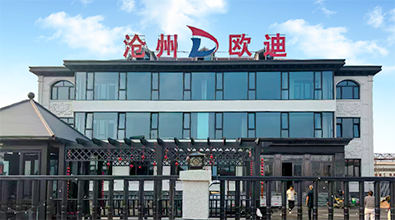
Since 1998, our company, Cangzhou Oudi Pipe Manufacture Co., Ltd., has exported to Europe, North America, South America, Africa, Southeast Asia, and the Middle East, serving more than 300 users in more than 40 countries. With an ISO 9001 license and a production capacity of 16,000 tonnes per year, we keep tight quality control from receiving raw materials to inspecting finished goods. Our advanced production tools and skilled technical staff make sure that measurements are correct and materials are used correctly. They are backed up by the ability to test everything. Our full line of carbon steel, stainless steel, and alloy steel pipe fittings is trusted by clients in the oil, chemical, natural gas, water conservation, construction, shipping, and power industries to meet the needs of a wide range of projects. Forming partnerships with suppliers who know the rules and issues that come up in your business makes future purchases easier. Having established relationships makes it easier to get technical help during the planning phase, faster production when time is of the essence, and quick service after the sale if problems arise in the field that need to be looked into.
Top Benefits of Using ASME B16.9 Pipe Caps in Your Industrial Projects
Investing in certified ASME B16.9 pipe caps delivers measurable advantages across safety, performance, and total cost of ownership.
Enhanced Safety Through Standards Compliance
Critical piping systems are less likely to ASME B16.9 Pipe Cap fail if they follow the ASME B16.9 standards. Standardised sizes keep things from getting out of line during installation, which lowers the chance of poor weld penetration or stress concentration. Material traceability and mechanical tests make sure that parts work the way they were supposed to, which stops them from breaking in dangerous ways that put people and buildings at risk. As a result of ASME compliance, regulatory inspectors can quickly approve projects and avoid expensive repairs to fix materials that don't meet standards.
Durability and Performance in Harsh Conditions
Good pipe caps don't break down when exposed to toxic media, high pressures, or changes in temperature. Carbon steel caps can handle being handled and installed roughly, while stainless steel caps stay strong in chloride- or acidic-filled settings. Microstructures that have been heat-treated make them more resistant to fatigue, which extends their useful life in cyclic loading situations like batch processing or irregular pipeline operation. Smooth inside surfaces keep high-speed flows from wearing away at the walls, so the wall thickness and pressure number stay the same over decades of use.
Cost-Effectiveness and Long-Term ROI
Even though certified ASME B16.9 caps cost more at first than options that don't meet the specifications, they are more reliable, which means that they cost less over time. Less frequent maintenance and longer replacement intervals keep output going while reducing downtime. If you can avoid unplanned shutdowns due to fitting failures, you can avoid costs like emergency repair teams, faster parts procurement, lost production, and maybe even environmental cleanup. Professionals in procurement who are focused on return on investment (ROI) know that making good investments up front leads to safe, reliable, and cost-effective performance in the long run. Being able to switch between suppliers also gives you freedom in how you buy things. Standardised dimensions make it possible to get parts from more than one manufacturer without having to change the layout of the pipes. This encourages open bidding and makes the supply chain more resilient. Standardisation is very helpful for plant upgrades or additions because it speeds up the building process by using the same methods as before.
Conclusion
The choice to buy ASME B16.9 Pipe Cap fittings is a smart purchase decision based on safety, performance, and cost control. These standard, thoroughly tested parts make sure that the dimensions are correct, the material is intact, and the pressure is kept in check, which is important for use in oil, chemicals, natural gas, water conservation, and power generation. Procurement teams get reliable end closures that protect important assets and lower total ownership costs by understanding specifications, comparing options, and working with certified suppliers. The fact that ASME B16.9 has been followed by many businesses around the world shows how valuable it is as a standard for butt-weld pipe caps.
FAQ
1. What materials are commonly used for ASME B16.9 Pipe Caps?
Carbon steel grades like ASTM A234 WPB dominate general applications, offering high tensile strength and cost-effectiveness. Stainless steel variants such as ASTM A403 WP304 or WP316 serve corrosive environments. Alloy steels handle extreme temperatures and pressures in refinery and power plant settings. Material selection depends on operating conditions—temperature, pressure, and fluid characteristics.
2. How do I verify supplier credibility when sourcing ASME B16.9 Pipe Caps?
Confirm ISO 9001 certification and special equipment manufacturing licenses through documentation review or third-party audits. Request Material Test Reports (MTR) Type 3.1 or 3.2 demonstrating chemical composition and mechanical properties. Check customer references from similar industries and verify in-house testing capabilities, including PMI, tensile testing, and non-destructive examination equipment.
3. Can ASME B16.9 Pipe Caps be customised for specific industrial needs?
Yes, reputable manufacturers accommodate non-standard dimensions, exotic alloys, and special coatings. Customisation requires detailed specifications—material grade, pressure class, size, and delivery schedule. OEM-capable suppliers with technical expertise can engineer solutions for unique applications, though lead times and minimum order quantities may increase.
Partner with Oudi for Your ASME B16.9 Pipe Cap Needs
Cangzhou Oudi Pipe Manufacture Co., Ltd. has delivered ASME B16.9 Pipe Cap premium carbon steel pipe fittings since 1998, serving global clients in oil, chemical, natural gas, and power industries. As a certified ASME B16.9 Pipe Cap supplier, we combine ISO 9001 quality management, advanced production equipment, and comprehensive testing capabilities to ensure dimensional accuracy and material compliance. Our 16,000-ton annual capacity supports bulk orders with reliable lead times, while our export experience across 40+ countries guarantees smooth logistics to North American destinations. Contact our team at oudi-04@oudiguandao.com today for technical specifications, certification documentation, and competitive quotations tailored to your project requirements. Let Oudi strengthen your procurement strategy with proven quality and responsive service.
References
1. ASME B16.9-2018, Factory-Made Wrought Buttwelding Fittings, American Society of Mechanical Engineers, New York.
2. ASTM A234 / A234M-21, Standard Specification for Piping Fittings of Wrought Carbon Steel and Alloy Steel for Moderate and High Temperature Service, ASTM International, West Conshohocken.
3. ASME B31.3-2020, Process Piping, American Society of Mechanical Engineers, New York.
4. EN 10204:2004, Metallic Products – Types of Inspection Documents, European Committee for Standardisation, Brussels.
5. ISO 9001:2015, Quality Management Systems – Requirements, International Organisation for Standardisation, Geneva.
6. API Specification 5L, Specification for Line Pipe, American Petroleum Institute, Washington, DC.

Need help finding the right solution with our experts. Please contact us.
SINCE 1998 Your Reliable Pipeline Manufacturer