Custom carbon steel elbow Applications Across Heavy Industries
Custom carbon steel elbows are important parts of pipes that are designed to change the flow of fluids in industrial systems while keeping the structure strong under tough conditions. These elbows aren't like normal fittings; they are made to exact measurements, including pressure ratings, wall thickness, and connection types, to meet the special needs of heavy businesses. Our work with more than 300 clients in 40 countries has shown that these custom solutions work better in places like petrochemical plants, power plants, and shipbuilding, where standard parts just can't handle the harsh temperatures and corrosive conditions.
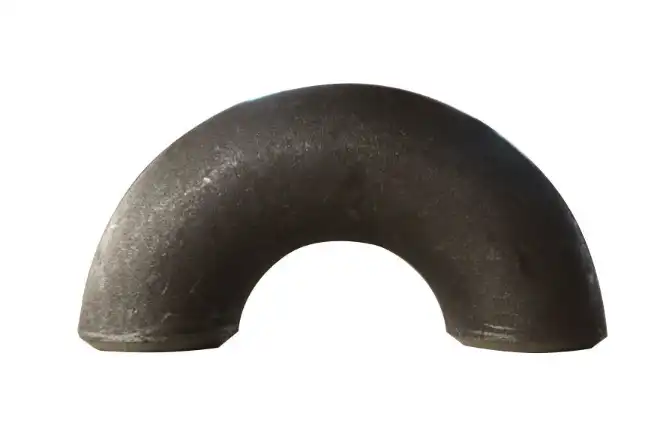
Understanding Custom Carbon Steel Elbows in Heavy Industries
Material Properties That Define Performance
Custom carbon steel elbows are different from off-the-shelf options because of the materials used and the level of accuracy in making. Carbon steel grades like ASTM A234 WPB and A420 WPL6 have very high tensile strengths (415 to 585 MPa), which makes them perfect for use in chemical processing plants and refineries where there is a lot of pressure. The carbon content is usually between 0.25% and 0.30%, which makes it a good mix between being able to weld and being strong. At the same price, stainless steel can't beat this.
At our factory in Cangzhou, we've seen that clients in the oil and gas industry really value how tough carbon steel is when moving flammable substances through hundreds of miles of pipelines. Because the material is flexible, it can go through cycles of thermal expansion and contraction without getting stress cracks. This is a big advantage over hard metals.
Seamless Versus Welded Construction
The way carbon steel elbows are made has a big effect on how reliable they are in heavy-duty settings. When seamless elbows are heated and shaped, they don't have any weld seams. This makes the grain structure consistent throughout the fitting. This way of building works well when the internal pressure is higher than 1,500 psi or when pipeline fluids have rough particles that could damage welds.
Hot-bending or push-bending can be used to make welded elbows, which are cheaper for large-diameter pipework in water treatment plants and city infrastructure. The ends that are butt-welded together make installation go faster, which shortens project timelines when dozens of connections need to be made quickly. Socket-welded versions are used in boiler systems and hydraulic circuits for smaller diameter jobs.
Angle Specifications and Their Applications
The shape of an elbow has a direct effect on how flow moves and how well the system works. Some of the standard angles are 45 degrees and 90 degrees, but we can also make custom angles that fit the needs of your layout. A 45-degree short radius elbow reduces pressure drop in systems that need to make small directional changes because of limited space. This is common in shipbuilding and offshore platform construction.
Long radius 90-degree bends, with centerline radii that are 1.5 times the standard pipe diameter, make high-speed fluid systems less turbulent and prone to erosion. For decades of continuous use, power plants that use superheated steam at temperatures above 540°C depend on these configurations to keep the pipelines' integrity. The reducing elbow type can handle changes in diameter, so you don't need separate reducer fittings or possible leak points.
Heat Treatment Protocols Enhancing Durability
After they are formed, post-forming heat treatment makes carbon steel elbows work much better. To normalise a material, it is heated to 900–950°C and then cooled down with controlled air. This smooths out the grain structure and reduces the stress that was put on the material when it was bent. This treatment makes the material more resistant to impact, which is especially helpful for pipelines that work in subzero temperatures, where a brittle failure could be very dangerous.
At temperatures between 600°C and 650°C, stress relieving takes care of any remaining stresses in welded elbows, which stops them from cracking later on in service. Our quality control procedures require nondestructive testing after treatment, which includes using ultrasound and X-rays to make sure the inside is still solid. These steps make sure that installations in the petroleum industry follow the ASME B31.3 process piping codes and API 5L specifications.
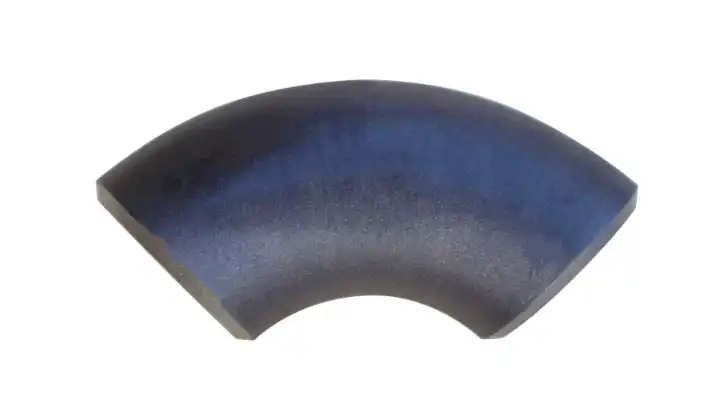
Key Applications of Custom Carbon Steel Elbows Across Heavy Industries
Custom carbon steel elbows are used in several heavy industries.
Petrochemical and Oil & Gas Infrastructure
The harsh conditions of petroleum activities require pipe parts that can handle corrosive mixes of hydrocarbons and high temperature changes. Most refinery configurations use carbon steel elbows because they keep their mechanical properties at temperatures from -29°C to 425°C. Catalytic cracking units change different parts of oil at pressures higher than 2,000 psi. They need thick-walled custom elbows that are made to exact measurements.
Standard fittings don't work well on offshore drilling platforms, which makes installation more difficult. Atmospheres high in salt speed up corrosion, so we have to use special surface treatments and protective coatings when we make things. Thousands of long radius elbows are used in natural gas transmission networks that span continents to reduce friction losses. Each fitting is made to fit the specific soil conditions and seismic concerns along the route.
Power Generation Facilities
Pipe systems have to work in harsh conditions in thermal power plants that use steam engines to make energy. Boiler feedwater lines that work at 220 bar pressure and 350°C temperatures need carbon steel joints that don't bend easily. This is possible by adding molybdenum to the metal in a controlled way. Customisation includes internal coatings that don't wear away and keep solid particles from getting into coal-fired boiler systems.
Even stricter rules apply to nuclear power plants, where fittings have to go through a lot of tests to make sure they work well in situations with radiation and possible accidents. We can provide elbows that meet the quality and safety standards of the nuclear business because our quality management system is ISO 9001:2000 approved, and we have a licence to make special equipment. These parts work perfectly with nuclear cooling systems, and if they break, the results could be very bad.
Marine and Water Treatment Systems
Seawater is corrosive, which makes it hard for pipes in desalination plants and ships to last. Even though stainless steel might seem like the best option, carbon steel elbows with the right protective linings and cathodic protection systems work just as well for a lot less money. Cargo ships' ballast water systems use these fittings a lot. The custom flange connections make servicing easier in the engine room, which is a small area.
Municipal water treatment plants that process millions of gallons of water every day need pipes that work well. In the chemical dosing stages, chlorine, fluoride, and coagulants are added. These stages use carbon steel elbows that can handle the mildly corrosive treatment chemicals. When pH levels stay between 6.5 and 8.5, our experience working on water conservation projects has shown that properly defined carbon steel lasts longer than other materials.
Construction and Heavy Machinery Applications
Compact, high-pressure pipe assemblies are needed for hydraulic systems that power construction and manufacturing equipment. Techs can run hydraulic lines through tight spaces in excavator booms and press brake frames with custom 90-degree bends that have socket-weld ends. Being able to give exact measurements keeps moving parts from getting in the way while keeping structural safety factors high.
Standardised customisation is good for structural pipes in industrial buildings, such as fire control systems, compressed air distribution, and process cooling circuits. Our ability to produce large amounts in batches that meet uniform standards makes the work of contractors easier while the plant is being built. When unexpected space problems come up during the installation process, threaded elbow variants make it easier to make changes in the field.
Comparing Custom Carbon Steel Elbows to Other Solutions for Heavy-Duty Use
Custom carbon steel elbows versus Other Heavy-Duty Solutions.
Material Selection Trade-offs
When making purchases, people often have to choose between carbon steel and stainless steel. The 304 and 316 stainless types are more resistant to corrosion, especially in acidic or chloride-rich environments, but they cost 200 to 300 percent more than carbon steel versions. Based on our study of the total cost of ownership, carbon steel that is properly protected often provides better economic value over a 20-year operational period.
Alloy steels that contain chromium and molybdenum are in the middle. They have better high-temperature strength while still being able to be welded using standard methods. These materials can be used in high-temperature situations where carbon steel is getting close to its mechanical limits but where stainless steel's properties are not needed. The customisation process makes it possible to precisely match the grade of material to the conditions of service. This keeps project budgets from getting too high because of too many requirements.
Seamless Versus Welded Performance Profiles
The argument about whether seamless or welded building is better depends on the details of the job, not on which is generally better. Because seamless elbows have the same mechanical properties all the way through their cross-section, they are better for situations where fatigue failure modes are common, like cyclic loading. Pressure tanks and reciprocating compressor pipes are two examples of places where the extra 30–40% cost of this building method is worth it.
Welded elbows work great for steady-state flow situations where the pressure stays mostly the same. When the lengthwise weld seam is done according to ASME Section IX welding rules and is inspected by x-rays, the joint efficiency is close to 90 to 95% of the base metal strength. Welded fittings work best in water transfer mains with large diameters and low-pressure steam delivery networks.
Customisation Benefits in System Design
Off-the-shelf fittings cause designers to make compromises, changing the layout of systems to fit the parts that are available. Custom fabrication changes this dynamic, allowing piping routes that are best for process efficiency and easy access for maintenance. For a refinery expansion project we were in charge of, 127 different elbow configurations had to be made to fit around existing infrastructure while reducing the number of pipe supports and expansion joints.
When pressure classes need to fall between standard schedules, being able to specify non-standard wall thicknesses is very helpful. A reducing elbow that goes from Schedule 80 pipe to Schedule 40 pipe gets rid of a possible leak point and lowers the cost of materials in the lower-pressure section further downstream. When these optimisations are applied to large installations, they save a lot of money on both initial costs and ongoing maintenance.
Procurement Insights for Custom Carbon Steel Elbows in Global B2B Markets
Custom carbon steel elbows: Procurement Insights for B2B Markets Worldwide.
Pricing Dynamics and Cost Optimisation
Strategic buying planning is possible when you know what makes custom elbow prices go up or down. The prices of raw materials change with the global steel market and usually make up 45 to 55 per cent of the price of a produced product. Another 25–30% of the total cost goes to quality assurance testing and certifications, which add another 10–15% to the complexity of manufacturing. These factors include the diameter, wall thickness, and angle requirements.
When you commit to a certain amount, you can get big economies of scale. Because we can produce 16,000 tonnes of goods every year, we can offer tiered pricing, which means that sales over 50 tonnes get better prices because they have lower setup and transportation costs. Long-term supply agreements keep prices stable, protecting buyers from changes in the market and making sure that production slots are available during times of high demand.
Supplier Qualification Criteria
To find trustworthy manufacturers, you need to check their certifications and production capabilities. Certification in ISO 9001:2000 quality management is a starting point that confirms frameworks for systematic process controls and continuous improvement. Our company has a special equipment manufacturing licence from the People's Republic of China. This shows that we follow the rules for pressure vessels and pipes that are needed in heavy industry.
Advanced checking tools tell the difference between good providers and average ones. Ultrasonic thickness scales, spectroscopic analysers, and hydraulic test stands that can validate pressure rates up to 10,000 psi are all used in our facility. These features make sure that every shipment meets the required standards for quality and performance, lowering the number of rejected shipments that cause project schedules to slip.
Minimum Order Quantities and Lead Times
When customising something, the MOQ has to be thought about in order to support the costs of tools and setup. For standard configurations, our production planning can handle orders as low as 5 tonnes. For specialised geometries, however, we need 10-15 tonnes of commitments to get the best prices. These levels can still be reached for medium-sized projects, and they allow for flexible strategies for phased procurement.
Lead times depend on how complicated the specifications are and how big the production queue is. Standard ASTM A234 WPB elbows in common sizes usually ship within 4 to 6 weeks. However, it may take 8 to 12 weeks for elbows made of rare materials or that aren't standard sizes. We are only 120 kilometres from Tianjin Port, which makes it easy to load containers quickly and get competitive ocean freight rates to destinations in Europe and the United States.
Oudi's Competitive Advantages in Global Supply
Since 1998, Oudi has been a trusted partner for industrial buyers all over the world thanks to our dedication to quality and client satisfaction. Our goods meet American, Japanese, German, and British standards, and we work with a wide range of industries, such as oil, chemicals, natural gas, water conservation, construction, shipbuilding, and power generation. This adaptability makes it possible to work on multinational projects that need to follow different rules.
We offer a wide range of products, including bends, flanges, tees, reducers, and pipe caps made of carbon steel, stainless steel, and alloys. This makes us a one-stop shop for all your procurement needs. Our self-management import and export authorisation makes foreign deals easier by getting rid of the markups and communication delays that come with going through middlemen.
Technical Considerations & Standards Ensuring Quality and Compliance
ASTM Specifications and Welding Codes
Following well-known rules is the basis for building piping systems that work well. ASTM A234 sets the rules for fittings made of wrought carbon steel and alloy steel that will be used at mild and high temperatures. It says what the chemical makeup limits are and what the mechanical property standards are. The most common type, Grade WPB, needs to have a minimum tensile strength of 415 MPa and a minimum yield strength of 240 MPa. We make sure that these requirements are met by destructively testing sample batches.
Welding procedures are based on ASME Section IX qualification requirements, and welders have to pass performance tests every six months to keep their certification. Butt-welded elbows are visually checked according to the ASME B31.3 acceptance criteria. Depending on how important the service is, they are also x-rayed or sonographed. Fillet weld profile inspections are done on socket-welded connections to make sure they have the right throat dimensions and no undercut defects.
Pressure Class Ratings and Wall Thickness
By matching custom carbon steel elbow pressure ratings to system needs, you can avoid both catastrophic failures and over-designing that isn't needed. The ANSI B16.9 measurement standards list different wall thickness schedules, from Schedule 10 (thin-wall) to Schedule XXS (extra-extra-strong). Each schedule is rated for a higher pressure. At 100°F, a Schedule 40 elbow with a 4-inch diameter can handle 1,010 psi. A Schedule 80 elbow of the same size can handle 1,810 psi.
When applications need pressure values in the middle, custom specs go beyond normal plans. Our engineering team uses ASME B31.3 stress formulas to figure out the required wall thickness. These formulas take into account the material's allowable stresses, corrosion allowances, and manufacturing tolerances. This accuracy keeps the right safety margins—usually 4:1 for non-cyclic service and 6:1 for uses that are likely to wear out quickly—and stops material loss.
Heat Treatment Verification and Corrosion Testing
To be sure that post-weld heat treatment works, hardness surveys and microstructural examinations must be done. Rockwell B hardness readings in areas that have been heated should not be more than 20 points higher than base metal values. This means that the stress has been relieved and the temper has been restored. Metallographic cross-sections show that the grain structure is regular, which proves that there is no untempered martensite or other brittle phases.
Corrosion resistance testing mimics work settings to estimate how long a part will last. The performance of protective coatings is tested by exposing them to salt spray according to ASTM B117. The acceptance criteria set the highest rust coverage percentages after 1,000 hours of exposure. Electrochemical impedance spectroscopy measures the qualities of layer barriers and finds parts that might break down early, before they are used. These tests back up the 20-year service life expectations we told our clients about.
Conclusion
Custom carbon steel elbows are very important for heavy industry operations because they move fluids and gases through complicated pipe networks in harsh circumstances. Whether these parts last for decades without any problems or become weak spots in production systems depends on how well material science, manufacturing precision, and quality assurance work together. When working in global markets, procurement professionals can do their jobs better if they understand the technical differences between better products and less good alternatives. Because we've been making things for 25 years and are dedicated to international standards, we can help with projects from installing pipelines in the Arctic to refining oil in tropical climates. We always deliver fittings that meet the strictest requirements while staying within project budgets and deadlines.
FAQ
1. What lead times should I expect for custom carbon steel elbow orders?
Standard setups made of ASTM A234 WPB material usually ship 4 to 6 weeks after the order is confirmed. Specialised angles, rare alloys, or non-standard sizes may take 8 to 12 weeks, depending on the availability of raw materials and the schedule for production. We suggest that you involve our technical team early on in the planning stages of the project so that you can set realistic deadlines for delivery.
2. How do I select appropriate pressure ratings for my application?
When choosing a pressure rating, you have to look at the maximum operating pressure, the temperature, and the properties of the fluid. ANSI B16.9 wall thickness plans are related to pressure capacities, but for temperatures above 400°F or corrosive media, you may need to do your own estimates. Our engineering support team helps create specifications and makes sure that the parts chosen meet both operational needs and safety standards for your custom carbon steel elbow projects.
3. Which certifications verify supplier credibility and product quality?
Some important certifications are ISO 9001 quality management systems and manufacturing licenses for pressure equipment that are specific to each jurisdiction. Test results for materials that can be linked to heat numbers prove their chemical makeup and mechanical properties. For important uses, third-party inspection certificates from companies like TUV or Bureau Veritas add extra security. Oudi keeps a lot of records that allow full traceability from buying the raw materials to inspecting the finished product.
Partner with Oudi for Your Custom Carbon Steel Elbow Requirements
Oudi has been making high-quality products for 26 years and can help you with your heavy industry pipe projects. They combine advanced production skills with quick customer service. Our factory is ISO 9001:2000 certified and makes 16,000 tonnes of fittings made of carbon steel, stainless steel, alloy steel, and other metals that meet ANSI, JIS, DIN, and BS standards every year. Our goods have been used successfully in petrochemical, power production, and marine settings for over 300 clients in Europe, the Americas, Africa, and Asia. They trust us to provide them with custom carbon steel elbows. Our technical team works with your engineers to make sure that the specifications are as good as they can be. Thanks to our low prices and closeness to Tianjin Port, delivery is also very cheap. You can talk to us about your project needs and get detailed quotes by emailing oudi-04@oudiguandao.com. We promise quality and dependability.
References
1. American Society of Mechanical Engineers. (2020). ASME B31.3: Process Piping - Design, Fabrication, and Inspection Requirements. New York: ASME Press.
2. Davis, J.R. (2006). Corrosion of Carbon Steel Piping in Industrial Environments: Materials Selection and Performance Analysis. Materials Park, OH: ASM International.
3. Mohitpour, M., Golshan, H., & Murray, A. (2007). Pipeline Design and Construction: A Practical Approach - Third Edition. New York: ASME Press.
4. Nayyar, M.L. (2019). Piping Handbook - Eighth Edition: Material Selection, Fabrication Standards, and Installation Practices. New York: McGraw-Hill Education.
5. Smith, P.R. & Zappe, R.W. (2004). Valve Selection Handbook: Engineering Fundamentals for Selecting the Right Valve Design. Houston: Gulf Professional Publishing.
6. Zhu, X.K. & Leis, B.N. (2012). Theoretical and Numerical Predictions of Burst Pressure of Pipelines with Corrosion Defects. Journal of Pressure Vessel Technology, 134(4), 041101-041108.

Need help finding the right solution with our experts. Please contact us.

SINCE 1998 Your Reliable Pipeline Manufacturer



