What Makes CS Elbows Ideal for the Chemical Industry?
Carbon steel elbow fittings for the chemical industry are an important part of solid pipe infrastructure in plants that deal with corrosive media, high-pressure fluids, Chemical industry carbon steel elbow and tough working conditions. These important parts change the flow at key points, keeping the system's integrity while combining performance needs with cost concerns. Their long history in oil refineries, acid plants, and water treatment plants comes from the fact that the materials used are strong enough to survive harsh chemical environments without affecting the structure's dependability. As purchasing teams look at different pipe options, it's important to know what makes carbon steel elbows unique in order to improve operations and save money in the long run.
Understanding Carbon Steel Elbows in the Chemical Industry
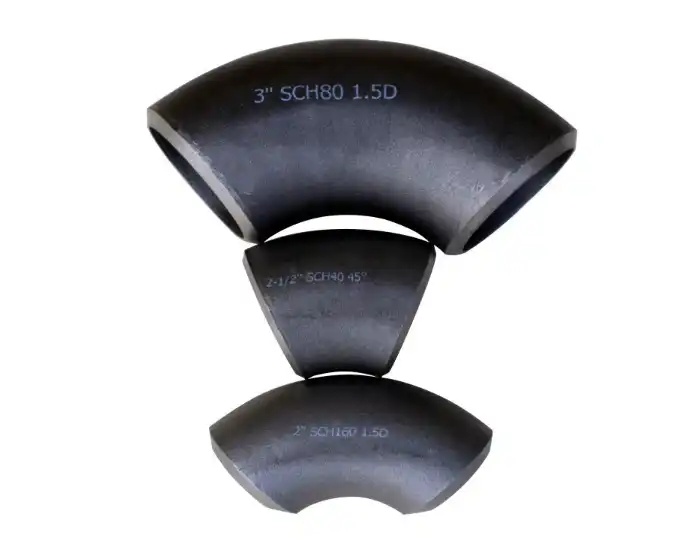
Carbon steel elbows serve as engineered directional change components within chemical plant piping networks, designed to meet precise specifications regarding dimensions, pressure ratings, and material grades. Their fundamental purpose lies in redirecting fluid or gas flow without creating turbulence or compromising system pressure, a critical requirement when transporting reactive chemicals, steam, or process fluids.
Common Elbow Types and Their Applications
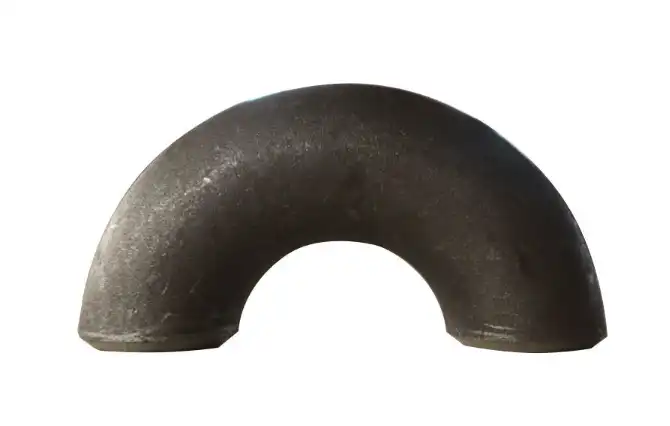
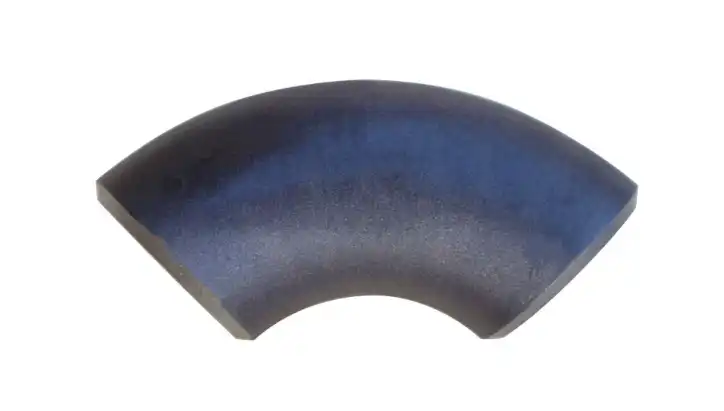
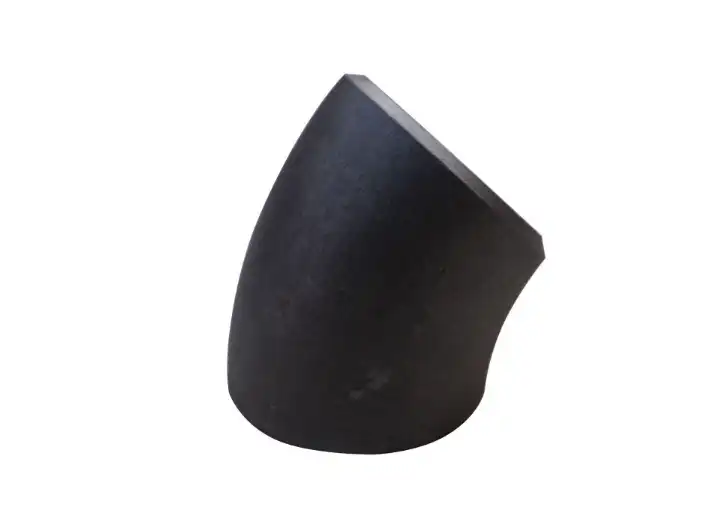
For different space needs, the chemical industry mostly uses two-angle arrangements. The 90-degree elbow makes it possible to change directions perpendicularly in small spaces. This is especially useful in chemical processing areas that are close together and need tight wiring because of limited space. These fittings can handle quick turns without having to make long runs across or down. On the other hand, 45-degree bends allow for more gentle changes in direction, which lowers pressure drops and reduces turbulence in systems that are sensitive to flow dynamics. When moving viscous chemicals or maintaining laminar flow characteristics, this configuration works well. Besides angle factors, the difference between seamless and welded construction has a big effect on performance. When you use hot forming to make seamless elbows, you get rid of the weld seams that can become weak spots in corrosive settings. This structure of continuous grains makes it better at withstanding pressure and wear and tear. Welded elbows, which are made by joining two formed sections together, are cheaper for bigger diameter uses and are strong enough for many chemical uses.
Material Properties and Standards Compliance
The mechanical properties of carbon steel—its tensile strength being over 400 MPa and its ability to be bent without breaking—make it a good choice for the chemical business. This ratio of strength to weight makes it possible to build walls that are thinner than with other materials while still being able to control pressure. A carbon content of between 0.15% and 0.30% makes the material easy to work with while also being hard enough to resist wear. Following international standards makes sure that all chemical activities around the world are safe and compatible. The ASME B16.9 standard sets the size limits and pressure-temperature ratings, and the ASTM A234 standard tells us what the material is made of and how strong it is for carbon steel fittings. ISO 3419 gives international standards that go along with ISO 3412. These frameworks set up testing procedures, acceptance standards, and documentation needs that make sure procurement teams get the same quality no matter where the goods come from.
Design Considerations for Chemical Environments
To choose the right elbow specifications, you need to look at the operational factors that are unique to each application. Temperature changes can change the qualities of a material. For example, carbon steel can be processed at temperatures ranging from -20°C to 400°C without losing its structural integrity. Pressure ratings have to take surge conditions and safety factors into account. They are usually given in pressure class numbers between 150 and 2500. Other design elements are based on the type of media being carried. In acidic situations, certain coatings may be needed, but in alkaline ones, bare carbon steel may be fine. In directional Chemical industry carbon steel elbow change points, erosion rates are affected by flow velocity. To reduce localised wear, long radius designs are sometimes needed to spread directional change over longer distances.
Why Carbon Steel Elbows Are Preferred Over Other Materials
Material selection in chemical plant construction involves balancing multiple competing factors—initial investment, maintenance requirements, lifespan expectations, and performance reliability. Carbon steel elbows consistently emerge as preferred solutions due to advantages that extend beyond simple cost comparisons.
Cost-Efficiency Without Performance Compromise
In chemical plants that need a lot of capital, every purchase choice is influenced by the budget. Carbon steel elbows usually cost 40 to 60 percent less than stainless steel elbows of the same size and shape, but they still work well in many chemical uses. When setting up large pipe networks that span thousands of meters, this price difference becomes very important. The savings allow for investments in other important assets or quality improvements in other parts of the system. This economic benefit doesn't mean sacrificing reliability. When properly sized, carbon steel elbows can handle the high pressures that are common in chemical plants, which are usually between 10 and 40 bar in process lines. Their ability to hold weight takes into account both thermal expansion forces and mechanical loads caused by valve movement or equipment vibration. When the right coatings or cathodic protection are used to prevent corrosion, service lives often last longer than 20 years in many chemical uses.
Performance Under Varied Operating Conditions
Chemical processing puts piping parts through a lot of different problems, such as changing temperatures during batch operations, changing pressures during startup and shutdown processes, and being exposed to media that are harsh on chemicals. Carbon steel is strong in these situations because of the way it is made. The thermal expansion coefficient of carbon steel is the same as that of carbon steel pipes, so there are no differences in expansion stresses at the connection points. This thermal compatibility makes joints last longer and less likely to leak when temperatures change. The material's heat capacity and thermal conductivity help temperatures slowly equalise, which keeps harm from thermal shock from happening when process conditions change. The material's yield strength and work hardening behaviour determine its pressure tolerance. When carbon steel is under load, it deforms plastically before it breaks. This gives a clear warning of overloading conditions instead of a sudden, catastrophic rupture. This ductile failure mode makes operations safer in chemical settings where sudden breaks could let dangerous materials out.
Manufacturing Benefits and Supply Chain Advantages
When you hot-form a seamless carbon steel elbow, you get parts with a continuous grain structure instead of the longitudinal weld seam that you see in fabricated options. This way of making things improves their ability to withstand pressure and wear, which is especially helpful in chemical batch processing, where service conditions change often. There are no weld-affected zones, so there are no places where corrosion could start in harsh chemical environments. Carbon steel elbows are manufactured all over the world, so they are always available and have competitive wait times. This widespread production infrastructure supports bulk buying tactics that are necessary for building or maintaining large chemical plants. Teams in charge of procurement can find large amounts—often measured in tons—with delivery times measured in weeks instead of months. This keeps projects on track and allows for just-in-time inventory strategies that lower the cost of holding inventory.
Manufacturing and Quality Assurance of Carbon Steel Elbows
Production quality directly impacts the long-term reliability of chemical plant piping systems, making manufacturing processes and quality verification protocols central considerations during supplier evaluation. Rigorous production methods combined with comprehensive testing establish the foundation for dependable performance.
Hot Forming and Fabrication Processes
To make a seamless elbow, pieces of carbon steel pipe are heated to between 900 and 1000°C. This makes the steel plastic and easy to shape. A mandrel is pushed through the heated part by hydraulic equipment, and outside dies shape the material into the right radius and angle. This method of hot forming keeps the wall thickness even around the bend, stopping any weak spots that could break under pressure or rust before they're supposed to. The continuous Chemical industry carbon steel elbow grain structure that is created by this process improves the mechanical properties compared to welded options. Welded elbows are made in a different way, by cutting formed plates or pipe pieces and joining them using arc welding techniques. This method allows for bigger diameters and specific angles that aren't possible with hot forming because it uses a weld seam. After welding, heat treatment reduces any remaining stresses and evens out the microstructure around the welds. This brings the mechanical properties back to values close to those of the base material.
Quality Control and Testing Protocols
Applications in the chemical business need more thorough quality checks than are usually done in industry. Dimensional checking makes sure that the tolerances for angle accuracy, wall thickness, and end preparation are being followed. These measurements, which are usually checked with coordinate measuring machines or laser scanning, make sure that the parts fit correctly when they are installed in the field and stop stresses from being put in the wrong places. Standardised methods are used for mechanical property testing to confirm the strength and ductility of materials. Tensile testing makes sure that the minimums for yield and ultimate strength are met, and impact testing at the right temperatures makes sure that the toughness is good enough for use. Hardness testing finds possible mechanical flaws that could affect performance. Nondestructive testing finds flaws inside things that can't be seen with the naked eye. Ultrasonic testing finds holes, cavities, or laminations in the material. Radiographic analysis shows that fabricated elbows have weld breaks. Finding surface-breaking cracks that could spread under cyclic loading is done with liquid penetrant or magnetic particle tests.
Certification and Supplier Compliance
Accountability and traceability are established through documentation trails throughout the supply chain. These are important factors to consider when finding parts for building a chemical plant. ISO 9001 approval shows that quality management is done in a planned way, which makes sure that production standards are always met. Material test reports that list the chemical make-up and mechanical properties of each batch of products confirm that the specifications have been met. Special equipment manufacturing licenses, which are especially important in markets with strict regulatory oversight, show that facilities meet the government's requirements for making pressure-containing parts. These permissions include facility audits, equipment calibration checks, and reviews of staff qualifications that go beyond just following the rules. For chemical industry uses, supplier verification should include making sure that production equipment has enough capacity, modern inspection tools, and properly calibrated testing equipment. Site visits or checks by a third party let you see for yourself how things are made, how serious the company is about quality, and how technically skilled the workers are, which is something that paper certifications alone can't do.
Practical Applications and Use Cases in Chemical Industry Pipelines
Real-world performance in demanding chemical environments validates carbon steel elbows as reliable infrastructure components. Their deployment spans diverse applications, each presenting unique challenges that test material capabilities and design appropriateness.
Corrosive Media Transport Systems
Acid handling systems represent particularly aggressive service conditions where material selection directly impacts safety and operational continuity. Sulfuric acid transport lines in fertilizer production, for instance, expose piping components to concentrated acidic solutions at elevated temperatures. Carbon steel elbows with appropriate coatings or selected grades demonstrate adequate corrosion resistance in these applications, with documented service lives exceeding 15 years when properly specified. Alkali processing systems in chemical manufacturing similarly challenge material durability. Caustic soda transport at concentrations above 50% and temperatures approaching 100°C creates conditions where carbon steel performs acceptably, particularly when compared to the prohibitive cost of exotic alloy alternatives. Regular inspection programs monitoring wall thickness provide early warning of degradation, enabling proactive replacement before failure. Steam distribution networks within chemical facilities subject elbows to high-temperature, high-pressure conditions with potential for erosion from entrained moisture. Carbon steel's temperature tolerance and erosion resistance make it suitable for these applications, with long radius configurations minimizing turbulence-induced wear at directional changes.
Integration with Complex Piping Systems
Chemical plant piping networks interconnect numerous process units, storage facilities, and utility systems through intricate three-dimensional routing. Carbon steel elbows integrate seamlessly with flanges, tees, reducers, and other fittings, creating complete flow paths that accommodate spatial constraints while maintaining hydraulic efficiency. Compatibility with various joining methods—butt welding, socket welding, and threaded connections—provides installation flexibility. Butt welding creates permanent, leak-tight joints suitable for critical services, while socket or threaded connections enable disassembly for maintenance access. End preparation options accommodate field conditions and welder qualifications, supporting efficient construction schedules. The availability of reducing elbows that simultaneously change direction and pipe diameter simplifies system layouts, eliminating separate reducer fittings and associated joints. This consolidation reduces potential leak points and installation labor while maintaining flow characteristics.
Impact on Operational Efficiency and Safety
Appropriate elbow selection contributes to overall system reliability, reducing unplanned downtime that disrupts production schedules and generates revenue losses. A chemical plant experiencing frequent piping failures incurs costs beyond replacement parts—lost production, emergency labor premiums, and potential environmental remediation. Safety considerations extend beyond immediate leak prevention. Catastrophic failures in chemical service can release hazardous materials, threatening personnel and surrounding communities. The structural reliability of properly manufactured carbon steel elbows, verified through comprehensive testing, provides defense against such incidents. Their ductile failure mode, when overloaded, typically manifests as gradual leakage rather than explosive rupture, enabling controlled shutdown responses. Flow efficiency impacts energy consumption throughout the facility. Properly configured elbows minimize pressure drops, reducing pumping power requirements. Long radius designs in high-velocity services decrease turbulence and associated hydraulic losses. These considerations, while seemingly minor for individual components, accumulate across extensive piping networks into meaningful operational cost differences.
Buying Guide and Supplier Selection for Carbon Steel Elbows
Procurement decisions for piping components extend beyond simple Chemical industry carbon steel elbow price comparisons, encompassing supplier capabilities, quality assurance, and long-term partnership potential. Chemical industry buyers benefit from systematic evaluation approaches that identify reliable partners capable of meeting demanding specifications.
Evaluating Supplier Credentials and Capabilities
Manufacturing capacity constitutes a fundamental supplier qualification criterion, particularly for projects requiring substantial quantities. Annual production volumes exceeding 16,000 tons indicate established operations with proven processes and stable supply chains. This scale suggests technical maturity and financial stability unlikely to jeopardize delivery commitments during project execution. Product range diversity signals technical versatility and market experience. Suppliers offering comprehensive fitting categories—bends, flanges, tees, reducers, and caps—in multiple materials (carbon steel, stainless steel, alloy steel) demonstrate breadth of capability valuable when sourcing complete piping packages. This consolidation simplifies procurement administration and can enable volume discounts. Export experience to multiple international markets provides evidence of quality consistency meeting varied regulatory frameworks. Suppliers serving customers across Europe, the Americas, Africa, and Asia have demonstrated the ability to navigate different standards (ANSI, DIN, JIS, BS), certification requirements, and logistical challenges. This global orientation typically correlates with responsive customer service and documentation practices meeting international expectations.
Certification Verification and Quality Standards
ISO 9001 certification represents baseline quality management expectations, establishing systematic approaches to process control, documentation, and continuous improvement. Verification should confirm current certification status through independent registrar databases rather than relying solely on supplier claims. Special equipment manufacturing licenses, required in certain jurisdictions for pressure vessel and piping component production, indicate compliance with government safety regulations. These authorizations involve facility inspections and periodic audits that supplement voluntary quality standards. Material certifications and test reports accompanying each shipment provide traceability to specific production batches. These documents should detail chemical composition analysis, mechanical property test results, and dimensional inspection data, enabling receiving verification against purchase specifications.
Customization Options for Unique Requirements
Chemical plant applications sometimes demand specifications beyond standard catalog offerings. Custom wall thicknesses accommodate unusual pressure ratings or corrosion allowances. Non-standard angles address specific spatial constraints in plant layouts. Special end preparations match unique joining methods or existing piping configurations. Corrosion-resistant treatments tailored to specific chemical exposures extend service life in aggressive environments. Suppliers with coating application capabilities or relationships with specialized treatment providers offer integrated solutions simplifying procurement and ensuring compatibility between base material and protective systems. Material grade selection beyond standard specifications enables optimization for particular service conditions. Low-temperature grades with guaranteed impact toughness suit cryogenic applications. High-temperature grades with enhanced creep resistance serve elevated temperature services. Collaboration with suppliers possessing metallurgical expertise helps identify optimal specifications.
Conclusion
Chemical industry carbon steel elbow selection ultimately balances multiple considerations—material performance in corrosive environments, cost-effectiveness across project lifecycles, manufacturing quality assurance, and supplier reliability. These components, while seemingly mundane, profoundly impact system integrity, operational safety, and long-term maintenance costs. Understanding the technical factors differentiating quality offerings from inadequate alternatives empowers procurement professionals to make informed decisions that serve both immediate project needs and extended operational requirements. The proven track record of properly specified carbon steel elbows across diverse chemical applications, combined with their economic advantages, positions them as pragmatic solutions for demanding industrial piping networks.
FAQ
1. What pressure ratings are available for carbon steel elbows used in chemical plants?
Carbon steel elbows for chemical applications typically come in ASME B16.9 pressure classes ranging from 150 to 2500, corresponding to working pressures from approximately 20 bar to over 400 bar depending on temperature and material grade. Selecting appropriate pressure ratings requires analyzing normal operating conditions, potential surge pressures, and safety factors mandated by applicable codes. Chemical facilities commonly specify Class 300 or 600 ratings for process piping, providing adequate margin for typical operating pressures between 15-50 bar while accommodating pressure spikes during transient conditions.
2. How does carbon steel corrosion resistance compare to stainless steel in chemical service?
Carbon steel offers adequate corrosion resistance in many chemical environments at significantly lower cost than stainless alternatives. Applications involving neutral pH solutions, dry gases, or mildly corrosive conditions often perform acceptably with bare carbon steel or protective coatings. Stainless steel becomes necessary for highly corrosive media like concentrated acids, chloride-containing solutions, or oxidizing environments. The cost differential—often 3-4 times higher for stainless—makes carbon steel preferable when corrosion rates remain within acceptable limits, typically under 0.1 mm per year, enabling 20-year service life with standard wall thicknesses.
3. What documentation should accompany carbon steel elbow shipments?
Comprehensive documentation establishes traceability and verification of specification compliance. Material test reports detail chemical composition analysis and mechanical property testing for each production lot, confirming conformance to specified grades. Dimensional inspection certificates verify angle accuracy, wall thickness, and end preparation within tolerance limits. Nondestructive examination reports document ultrasonic or radiographic testing results. ISO 9001 certificates and manufacturing licenses demonstrate supplier quality systems. Packing lists and mill certificates enable reconciliation of delivered quantities against purchase orders while supporting customs clearance in international shipments.
Partner with Oudi for Reliable Chemical Industry Carbon Steel Elbow Solutions
Oudi has delivered quality piping Chemical industry carbon steel elbow components since 1998, serving over 300 customers across 40 countries with proven expertise in chemical, petroleum, and water treatment applications. Our ISO 9001-certified manufacturing facility produces 16,000 tons annually, encompassing comprehensive fitting categories in carbon steel, stainless steel, and alloy steel conforming to ANSI, JIS, DIN, and BS standards. Rigorous quality control—from raw material verification through nondestructive testing of finished products—ensures every chemical industry carbon steel elbow supplier shipment meets exacting specifications. Our engineering team collaborates with procurement professionals to optimize specifications for unique chemical environments, providing technical support that extends beyond transactional relationships. Contact us at oudi-04@oudiguandao.com to discuss your project requirements and experience the partnership difference that established suppliers bring to critical infrastructure decisions.
References
1. American Society of Mechanical Engineers. (2020). "ASME B16.9: Factory-Made Wrought Buttwelding Fittings." New York: ASME Press.
2. ASTM International. (2019). "ASTM A234 / A234M: Standard Specification for Piping Fittings of Wrought Carbon Steel and Alloy Steel for Moderate and High Temperature Service." West Conshohocken: ASTM International.
3. Smith, J.R. & Peterson, M.L. (2018). "Materials Selection for Chemical Process Equipment." Chemical Engineering Progress, 114(8), 45-52.
4. International Organization for Standardization. (2021). "ISO 3419: Non-alloy and Alloy Steel Butt-welding Fittings." Geneva: ISO.
5. Davis, J.R. (Ed.). (2017). "Corrosion of Carbon Steel in Chemical Processing Environments." Materials Park: ASM International.
6. National Association of Corrosion Engineers. (2019). "NACE SP0169: Control of External Corrosion on Underground or Submerged Metallic Piping Systems." Houston: NACE International.

Need help finding the right solution with our experts. Please contact us.

SINCE 1998 Your Reliable Pipeline Manufacturer



