Industrial Pipe Tee for High Heat Applications
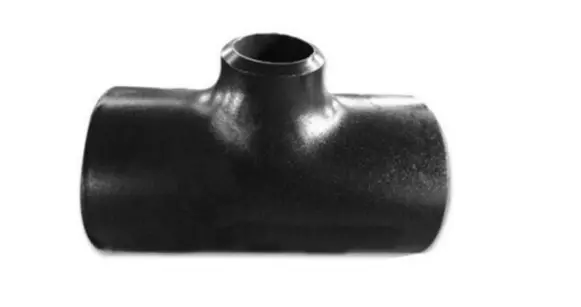
High-temperature pipe tees become mission-critical parts when industrial processes need to work perfectly under extreme heat stress. These special fittings reliably distribute fluids in places where regular high-temperature pipe tees would fail horribly. A high-temperature pipe tee is made with advanced metallurgy and precision manufacturing to keep its shape at temperatures above 500°F (260°C). This makes sure that it can keep working in places like power plants, chemical processing plants, and refineries where temperature changes are common.
Understanding High-Temperature Pipe Tees in Industrial Applications
When very hot conditions exist, industrial plumbing systems need parts that don't just meet standard requirements. These specialized high-temperature pipe tees are different from regular ones because they are made of better materials and have structures that have been heat-treated to make them last longer in hot weather.
What Defines a High-Temperature Pipe Tee?
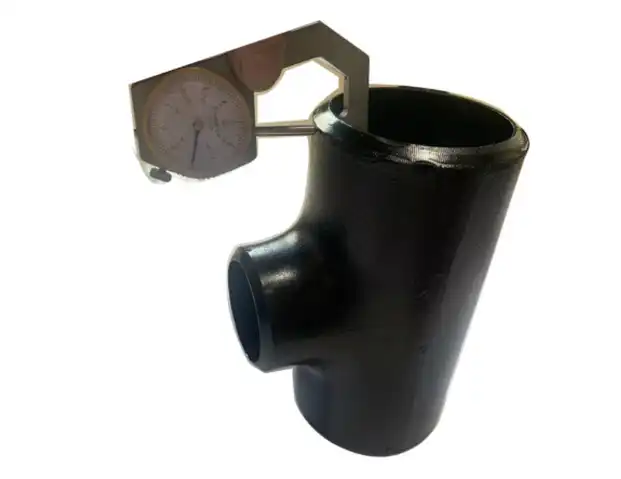
The description comes from both the properties of the material and the design factors. When these parts are exposed to high temperatures for a long time, they must keep their shape, remain strong, and form links that don't leak. The design is based on ASME B16.9 and ASTM standards, which spell out tolerances for dimensions, estimates for wall thickness, and pressure-temperature values that ensure there are safety margins in tough conditions. Temperature limits are directly related to the material choice. Some types of carbon steel can handle temperatures up to 750°F, while other metals can handle temperatures above 1200°F.
Core Applications Across Industries
Refineries rely on these parts in cracking machines and distillation columns, where hydrocarbon handling generates a significant amount of heat. Power plants use them in heating systems and steam delivery networks, where a failure would cause the plants to shut down completely. In chemical factories, they are used in reactor feed systems that deal with toxic materials at high temperatures. Not only should the temperature limits be carefully thought through for each application, but also the pressure rates, corrosive exposure, and the number of thermal cycles that can happen, as these all affect the resistance to wear.
Design Standards Governing Performance
The production measurements and tolerances are set by ASME B16.9, and the material composition and mechanical qualities are set by ASTM specs. Following these standards makes sure that global supply chains can work together and meet the rules in places from North America to Europe and Asia. Our factory has licenses for special equipment manufacturing and ISO 9001:2000 certifications, which means that every high-temperature pipe tee they make meets these strict international standards.
Material Types and Performance Comparison
When ordering a high-temperature pipe tee, the most important thing to do is choose the right materials. Over the life of a system, material performance has a direct effect on operating safety, repair intervals, and the total cost of ownership.
Carbon Steel Versus Stainless Steel Options
Carbon steel tees made from ASTM A234 WPB or ASTM A105 have good thermal conductivity and structural strength at low costs. This means they can be used in conditions up to 750°F that don't corrode. Their susceptibility to oxidation at high temperatures means that in some sites, they need protection coatings or atmosphere control. Stainless steels made from ASTM A403 WP304, WP316, or WP321 grades are better at resisting corrosion and can work successfully at temperatures up to 1500°F, based on the grade chosen. Stainless metals have chromium and nickel in them, which together form an oxide layer that protects against both heat degradation and chemical attack. However, they cost about three times as much to make as carbon steel.
The choice between these materials depends on more than just temperature in the surroundings. Systems that deal with sulfur-containing chemicals, chloride solutions, or acidic condensates usually need stainless steel to keep rust from speeding up. However, carbon steel usually works fine in dry steam systems or petroleum services with controlled chemistry. Premium metals should only be used in the harshest service conditions.
Seamless Versus Welded Construction
How things are made has a big effect on how well they work when they are heated and cooled many times. When manufacturers make seamless high-temperature pipe tees from solid bar stock, they eliminate weld gaps that could become weak under heat stress. This means that the grain structure is uniform and the mechanical properties are known throughout the component. This building method is necessary in serious situations where worries about the quality of the weld make the higher cost of production worth it. Our factory makes seamless high-temperature pipe tees using hot-forming methods that keep the material uniform and allow for exact control of size.
Welded tees, which are made by joining pieces of pipe together, are cheaper when they are bigger than seamless ones, which cannot be done cheaply. With today's welding techniques and post-weld heat treatment, joints can have qualities that are close to the strength of the base material. However, it is still important to carefully qualify the welding process and check the finished product. Our production plant can hold up to 16,000 tons per year, which means that both building methods can be used. This means that specifications can be optimized based on the needs of the application rather than the limitations of the manufacturing process.
Specialized Alloy Options
For uses that go beyond what normal steel grades can do, you need metals that are specifically made for extreme service. Up to 1800°F, Inconel 625 (UNS N06625) stays very strong and doesn't oxidize. This makes it an essential part of furnace systems and high-temperature chemical reactions. Duplex stainless steels, such as ASTM A182 F51 and F53, have the power of ferritic grades and the resistance to corrosion of austenitic grades. They work better in chloride-filled settings at high temperatures.
Although these high-quality materials are much more expensive, using them in important tasks keeps things from going wrong that would cost a lot more in lost time at work and accidents. Our material selection advice helps procurement teams find the best mix between performance needs and budget limits, so they get the best value without sacrificing practical dependability.
Installation and Maintenance Best Practices for High-Temperature Pipe Tees
Installing parts quickly or not doing regular upkeep can cause even the best parts to break early. From the first installation to the end of the operating period, following the right steps will protect both your investment and your safety.
Installation Guidelines for Reliable Performance
Before installation, thermal expansion studies must be done to find the right support spacing and expansion loop configurations to keep the high-temperature pipe tee junctions from being under too much stress. Welding methods need to be qualified for the grade of material they are working with, and the preheat and interpass temperatures need to be controlled to prevent metals that are prone to hydrogen cracking from happening. When you heat treat something after you weld it, you get rid of any leftover stresses that could cause stress corrosion cracking or faster failure under thermal cycles. Our expert team gives installation workers guidelines for welding procedures that are in line with ASME Section IX standards. This helps them make joints that meet the requirements of the code.
Routine Maintenance and Inspection Protocols
Visual inspections done on a regular basis can find problems with surface corrosion, coating wear, and support state before they become structurally unstable. Ultrasonic thickness readings keep track of how much metal is being lost in corrosive services. This lets you know when to change something before the wall thickness goes below the minimum values that are needed. Using thermal imaging during operation can show strange flow patterns or hot spots that mean there is internal erosion or buildup that needs to be fixed.
Regular changes to the stress analysis of systems that go through thermal cycles are helpful because they make sure that the support is still adequate and that there is room for growth. As part of our aftermarket support services, our quality control staff does these studies to help customers keep their equipment safe throughout its lifecycle.
Troubleshooting Common Failure Modes
There are usually clear reasons why things fail before they should, which can be fixed. Stress corrosion cracking looks like spreading cracks that run perpendicular to the direction of stress. This could mean that the material isn't right for the chemical environment or that there is leftover stress from bad heat treatment. Thermal stress shows up as cracks going around the edges of welds, which means that the material isn't able to expand properly, or there are support problems that need to be fixed. Erosion thins the walls in high-velocity areas, which means that the flow speed needs to be slowed down or the materials need to be upgraded.
A petrochemical plant that had a lot of high-temperature pipe tee problems in its steam distribution system found that the pipes were moving around too much during start-up cycles because the support spacing wasn't right. After making the support changes we suggested and switching to alloy steel, which was better for heat cycling, the client was able to run the system without any problems for more than five years without any more breakdowns.
Comparing High-Temperature Pipe Tees: Making the Right Procurement Decisions
When making a procurement choice, you have to weigh performance needs, legal responsibilities, and cost limits. To do this, you have to systematically compare different options based on certain application criteria.
High Versus Low Temperature Service Distinctions
The temperature lines that separate service classes are still not clear, but they are useful for choosing materials and figuring out pressure ratings. Low-temperature service usually includes uses below 400°F, where standard carbon steel types work well and pressure-temperature derating is not a significant concern. When creep strength starts to matter at high temperatures, which is usually above 800°F for carbon steel and 1000°F for austenitic stainless steel, the grades start to be made. There is an area in the middle where the choice of material relies on other things, like how much it will be corroded and how often it will be heated and cooled.
When the temperature goes up, the material's yield strength goes down, so pressure rates go down as well. This rating change is taken into account by ASME B16.5 flange ratings and ASME B31.3 pipe stress estimates. To keep the same pressure capacity, the wall thickness needs to be increased, or the material needs to be upgraded. Knowing these connections stops people from not specifying enough, which can put people's safety at risk, or specifying too much, which wastes money on features that aren't needed.
Supplier Evaluation and Certification Verification
Reputable producers have quality management systems that are approved to ISO 9001 standards. This makes sure that the whole production process is under control, from receiving the raw materials to the final inspection. Special equipment manufacturing licenses show that you follow the rules in places where the government checks to make sure you can make the goods. These certificates show that the company follows strict manufacturing practices, which lead to stable product quality.
In addition to certificates, you should talk to the candidate about their technical skills to find out how much they know about metals and how willing they are to provide material test results, process qualifications, and engineering support. Our factory is happy for clients to do audits, which gives them a clear picture of how we make things and checks the quality of the products, which boosts trust in the supply chain. Over the decades we've been in business, the 300 or more customers we serve in more than 40 countries have proven our skills by buying from us again and again and by buying more types of products.
Customization Capabilities and Technical Support
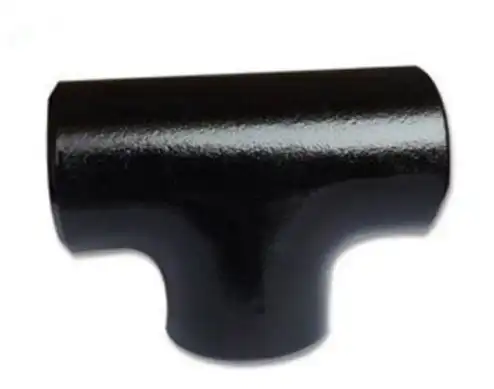
Standard stock sizes work for a lot of uses, but complicated projects often need custom combinations that work best with certain installation limitations or performance needs. Manufacturers with access to technical tools can make high-temperature pipe tees with non-standard branch sizes, special material combinations that join alloys that are not the same, or thickness changes that happen outside of normal plans. Equal tees with a diameter that stays the same across all three links are one of the things we can make. We can also make reducing tees with branch diameter changes built into the fitting body.
Providing technical support that goes beyond just supplying products is very helpful throughout the lifespan of a project. Application engineering help during blueprint development keeps redesigns from being necessary that cost a lot of money when the first choices don't work out. Supporting installation by creating welding procedures and teaching inspectors ensures that the job is done right in the field. These services set makers who care about their customers' success apart from commodity sellers whose only goal is to complete transactions.
Purchasing Guide for High-Temperature Pipe Tees
A good industrial supply chain manager finds the best mix between quality control, on-time delivery, and low costs. This is done through strategic buying.
Global Sourcing Strategies
International purchasing gives you more seller choices, which could save you money through regional manufacturing economies, but it also makes quality control, transportation planning, and communication more difficult. China-based makers, especially those based in industrial areas like Cangzhou, have gotten very good at making pipe fittings by mixing modern tools with skilled workers. This is clearly shown at our plant, which has high-tech tracking tools that allow for full inspections, from checking the quality of raw materials to testing finished goods.
When evaluating foreign providers, you need to check more than just what the marketing says. Ask for material approvals that can be linked to mill test records, dimensional inspection reports that show the material meets certain standards, and references from clients in the same industry who have had similar application needs. Our export experience in Europe, the Americas, Africa, Southeast Asia, and the Middle East shows that we can handle the paperwork, packing, and shipping needs of foreign deliveries.
Pricing Factors and Cost Optimization
Material grade has the most significant effect on price, with unique metals fetching higher prices than regular carbon steel. Size and wall width determine the type of material used and how hard it is to machine, which affects the cost. Certification standards, such as third-party inspection, material tracking, and special testing, add extra costs that are justifiable because the product is so important and the government requires it.
When you buy in bulk, you take advantage of the efficiency of manufacturing through longer production runs and centralized transportation. This can save you 15 to 30 percent on costs compared to buying in small amounts. Our annual production capacity of 16,000 tons allows us to handle big projects that need hundreds of high-temperature pipe tees while still being able to handle smaller orders when time or money constraints make buying in bulk impractical. By negotiating framework deals that set prices for expected amounts over long periods of time, you can plan your budget more accurately and make sure that suppliers can allocate capacity during times of high demand.
Identifying Reliable Manufacturers
Track records that go back decades show that an organization is stable and has a lot of knowledge that newcomers can't copy. We've been in business since 1998, through several business cycles, which shows that we can change and are committed to the pipe-fitting market. Our catalog includes bends, flanges, reducers, and caps made of carbon steel, stainless steel, and alloy steel. This shows that we can make a wide range of products and are technically skilled at what we do.
External approval of skills is provided by industry recognition through ongoing certification maintenance and successful exports. Being in an area with established industrial clusters has benefits for the ecosystem because of the supplier networks, trained workers, and transportation facilities that help operations run smoothly. When looked at together, these factors show that providers can meet the requirements for quality, expert help, and supply reliability and consistency.
Conclusion
High-temperature pipe tees are important parts where material science, precise production, and application engineering come together to ensure that machines can work safely and reliably in harsh industrial settings. To write good specifications, you need to know how temperature limits, pressure rates, corrosive exposure, and thermal cycles affect each other to set service conditions. When choosing materials, it's important to balance performance needs with cost considerations. This will maximize the value over the product's lifetime, and following the right installation and upkeep procedures will protect initial investments. Global supply chains come with risks that need to be managed. Procurement strategies that stress seller capability verification, approval compliance, and technical support access can help. Industrial companies can use these principles to help them choose parts that support operational success and safety performance.
FAQ
What maximum temperature can high-temperature pipe tees withstand?
Temperature boundaries are mostly based on the makeup of the element. When it comes to temperature ranges, carbon steels like ASTM A234 WPB work well up to about 750°F, while austenitic stainless steels like 304 and 316 can work up to 1500°F, based on the grade and pressure needs. In some situations, specialized nickel metals like Inconel can keep their structure even at temperatures above 1800°F. Always look at the material-specific pressure-temperature rating charts from ASME standards. This is because allowed stress values drop as temperature rises, which could mean that wall thickness needs to be changed to keep pressure ratings.
How Do I Verify Certification Compliance?
Ask for material test results (MTRs) that can be linked to the heat numbers on the parts that are being sent, and check that the chemical make-up and mechanical traits match the requirements in the specification. ISO 9001 certificates should have the names of the accrediting bodies on them and should still be good after their expiration dates. Government bodies that issue licenses to make special tools can check the licenses. Suppliers with a good reputation will provide this paperwork on request; if they refuse to provide certifications, it could mean there are quality issues that need to be looked at by another seller.
Are high-temperature pipe tees compatible with corrosive environments?
Compatibility depends on the type of chemical and how much of it there is. Different types of stainless steel are generally resistant to corrosion. However, chlorides above certain levels can cause stress corrosion cracking that needs duplex or super austenitic upgrades. For acidic jobs, you might need special metals like Hastelloy or titanium. Our expert team looks at the conditions of service and the material's corrosion resistance data to make suggestions for the best grades that balance cost and longevity.
Partner with Oudi for Superior High-Temperature Pipe Tee Solutions
Since 1998, Oudi has been making precision pipe fittings that are used in power plants, refineries, chemical plants, and other industry sites in 40 countries. Our factory is ISO 9001:2000 approved and makes high-temperature pipe tees from carbon steel, stainless steel, and specialty metals that meet the requirements of ASME, ASTM, DIN, JIS, and BS. As a provider of high-temperature pipe tees with a lot of experience, we can help you choose the right materials, make them to your exact specifications, and offer reasonable prices. We also strictly monitor quality from the raw materials all the way through the final inspection. Email our tech team at oudi-04@oudiguandao.com to talk about the specifics of your program. We give you full technical specifications, material certifications, and quotes that are special to your project. This way, you can be sure that the parts you buy will work reliably in even the toughest high-heat situations.
References
1. American Society of Mechanical Engineers. (2020). ASME B16.9: Factory-Made Wrought Buttwelding Fittings. New York: ASME Press.
2. ASTM International. (2019). ASTM A234/A234M: Standard Specification for Pipe Fittings of Wrought Carbon Steel and Alloy Steel for Moderate and High Temperature Service. West Conshohocken: ASTM International.
3. Davis, J.R. (2006). Corrosion of Weldments. Materials Park: ASM International.
4. Becht, C. (2016). Process Piping: The Complete Guide to ASME B31.3 (4th ed.). New York: ASME Press.
5. Singh, R. (2017). Applied Welding Engineering: Processes, Codes, and Standards (3rd ed.). Oxford: Butterworth-Heinemann.
6. Metals Handbook Desk Edition. (2015). High-Temperature Alloys and Special-Purpose Materials. Materials Park: ASM International.

Need help finding the right solution with our experts. Please contact us.

SINCE 1998 Your Reliable Pipeline Manufacturer



