Elbow Pipe Fittings Types And Performance
Elbow pipe fittings are important directional links in industrial piping systems. They are designed to change flow lines easily while keeping the pressure in the system stable. There are many types of elbow fittings, but Galvanized carbon steel elbows are one of the most useful because it is both strong and resistant to rust. These fittings have a protective zinc layer that is put on through hot-dip or electro-galvanizing methods. The carbon steel substrates usually meet ASTM A53, A106, or A234 WPB standards and are strong and can handle high temperatures. This anti-corrosive layer makes the product last a lot longer in harsh settings while keeping the cost of purchase low compared to stainless steel options. Procurement managers and building engineers can improve the efficiency of systems used in oil, chemicals, natural gas, and water conservation by learning about the different types, how they work, and how to choose the right ones.
Understanding Galvanized Carbon Steel Elbows: Types and Specifications
When it comes to how they work, galvanized carbon steel elbows start by changing the direction of flow in pipe networks. These parts are made from high-tensile carbon steel and then have a zinc coating put on them to protect them from oxidation and weather damage. For galvanization, the steel part is either dipped in liquid zinc at around 450°C, which makes a thick layer of alloyed metal, or zinc is applied through electro-deposition, which makes the finish thinner and smoother. Hot-dip galvanization usually creates coatings between 45 and 85 microns thick, which are excellent for outdoor use. Electro-galvanizing, on the other hand, creates coatings between 5 and 15 microns thick, which are perfect for indoor pneumatic and hydraulic systems that require thread precision.
Common Elbow Angles and Radius Configurations
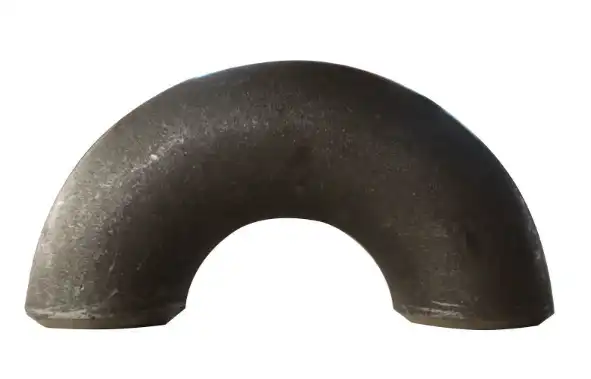
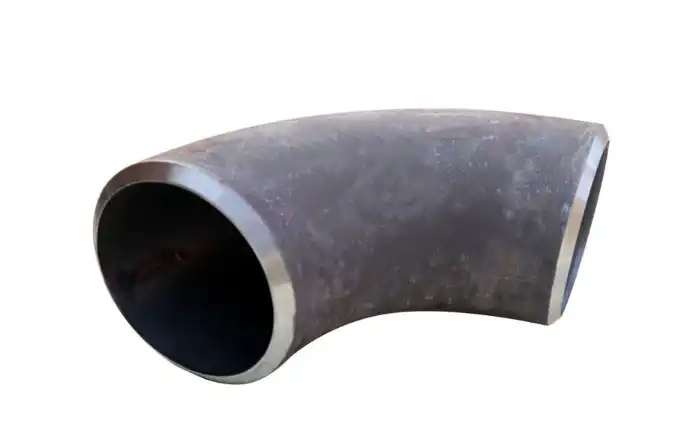
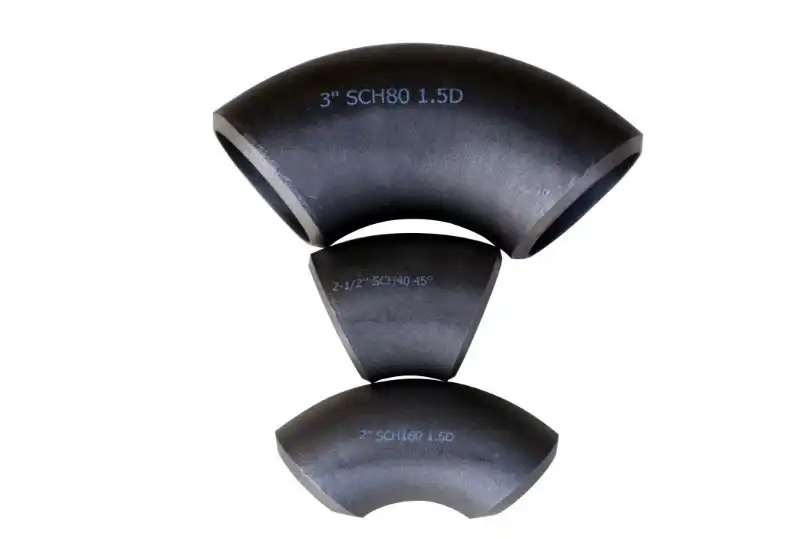
The shape of the elbow joints has a direct effect on how flow works and how flexible the installation is. In workplace settings, three main angular designs are used most often. The 45-degree elbow lets you change the flow direction slightly while causing little to no flow turbulence. This makes it suitable for making small changes to the flow path in setups with limited space. The 90-degree elbow is the most common type of fitting. It lets you change directions perpendicularly, which is important for connecting tools and moving materials in buildings. The 180-degree return bend makes it possible for the flow to go in the opposite direction. This elbow is often used in heat exchanger circuits and multi-pass pipe setups. In addition to rotational change, the classification of radius has a significant impact on hydraulic performance. Long-radius elbows have a central radius that is 1.5 times the standard pipe diameter. This improves them for high-speed systems because they reduce friction losses and erosive wear. Short-radius elbows, whose central radii are the same width as the pipe, take up less space but cause bigger pressure drops. They are usually only used in low-speed situations where space savings are more important than efficiency.
Material Standards and Pressure Ratings
Industry compliance makes sure that all foreign projects can work together and have enough safety gaps. As a starting point, ASTM A234 WPB describes joints made of wrought carbon steel that can be used at mild to high temperatures. It is the standard for butt-welding elbows. ASME B16.9 sets the standards for factory-made sizes, tolerances, and markings for both seamless and welded fittings. This makes sure that all makers follow the same standards for sizes. ANSI B16.11 talks about forged socket-welding and threaded fittings. This rule is important for electro-galvanized smaller-diameter threaded elbows, where assembly speed is important. Pressure ratings are based on wall thickness schedules. Schedule 40 supports standard working pressures that are suitable for moving industrial fluids in general, while Schedules 80 and 160 support higher pressures that are needed in important oil and gas uses. Temperature tolerance is usually between -29°C and 400°C, but certain metal compositions can make the operating ranges longer for certain industrial conditions.
Performance and Benefits of Galvanized Carbon Steel Elbows
When a protective zinc coat is put on a galvanized carbon steel elbow, it changes the way it interacts with its surroundings in a basic way. This changes a base material that is prone to corrosion into a part that can last for decades of contact. It blocks the flow of electrons and also serves as a sacrificial anode. When surface scratches reveal the steel below, zinc oxidizes more quickly than the base metal, stopping red rust from forming. This galvanic safety system increases the useful service life by 15 to 30 years in normal conditions, which greatly lowers the number of times it needs to be maintained or replaced. Performance in difficult environments, like seaside sites with salt spray or chemical plants with acidic vapors, shows that galvanized fittings are better than raw black steel, which usually starts to rust within months of being used outside.
When you compare coated carbon steel to other materials, you can see that some trade-offs affect your choice to buy. Elbows made of stainless steel, especially 304 and 316 types, look better and are less likely to rust than galvanized ones, but they cost three to five times more. Big projects require hundreds of fittings, leading to a significant cost difference. These kinds of projects could use up big capital funds without giving any performance gains in moderately corrosive environments. Carbon steel plates have tensile strengths between 415 and 550 MPa, while copper's strengths are only 200 to 300 MPa. This means that pressure-rated systems can have smaller walls and less weight. PVC fittings are cheap and chemically resistant, but they can't handle temperatures above 60°C or pressures above 1.4 MPa. This means they can exclusively be used for water distribution at room temperature and not for industrial process pipes.
Operational Reliability in Heavy-Duty Systems
Performance data from oil factories and natural gas processing plants shows that galvanized carbon steel elbows can handle tough working conditions. In oil delivery lines, these fittings are used to handle pressures higher than 10 MPa and temperatures close to 300°C without breaking down. Carbon steel frames are more flexible than brittle cast iron ones, so they can handle heat expansion stresses and vibration-induced fatigue better. This lowers the risk of catastrophic failure. In water conservation projects, galvanized elbows put in pumping stations and irrigation networks show predictable corrosion rates of about 4 to 6 microns per year in freshwater systems. This means that asset managers can replace these parts based on how much they're wearing out instead of doing reactive maintenance. This level of certainty directly leads to lower running costs and better uptime.
Installation and Maintenance Best Practices
For galvanized carbon steel elbows to work at their best, they need to be installed in a way that protects the coating and makes sure the joints don't leak. The fitting process is different depending on the type of connection. For example, butt-welding and threaded setups have different steps that must be followed.
Installation Methodology for Butt-Welding Elbows
Butt-welding elbows join pipe pieces together with circumferential welds, making solid links that can handle high pressure. Before prepping the surface, ensure the matching surfaces are clean, straight, and free of contaminants that could affect the weld quality. Cutting the ends of the pipe at a 30-degree angle makes it easier for the weld to go through. Alignment clamps or tack welds keep the pieces concentrically aligned during the welding process. This stops the angles from being off, which causes stress buildup. The welding factors need to take into account how easily the zinc layer can change—zinc evaporates at 907°C, which is much lower than steel's melting point of 1370°C. Welders should ensure there is enough air flow to get rid of the zinc fumes and put touch-up coats on areas where the galvanization burned off, usually within 50 mm of the weld seams. Before applying pressure, radiographic or ultrasound testing is used to verify that the weld is still strong. This is especially important for ASME B31.3 process pipe systems, where the code says that non-destructive testing must be done.
Threaded Connection Installation
Electro-galvanized male threaded joints make it easier to put together flexible systems and retrofits quickly. The thin layer of electrodeposited zinc keeps the thread's dimensions accurate, so it doesn't get clogged up as thicker hot-dip coats do. Before starting the installation, the threads must be checked for damage or burrs that could stop them from engaging properly. Pipe thread sealant, like PTFE tape or anaerobic thread compound, suited for the service fluid and temperature, keeps leaks from happening without requiring too much force. Thread contact should be at least four full turns beyond hand-tight. For DN25 fits, this value usually means 30 to 50 Nm of torque, with the amount needed increasing with the diameter. If you tighten something too much, the threads could get galled, or the coating could break. If you tighten something too little, the pressure could leak out. Thread measuring with L1 ring gauges makes sure that the dimensions are correct before assembly, which lowers the rate of field rejection.
Maintenance Strategies and Inspection Protocols
Routine repair stretches the life of equipment and finds problems before they become operational problems. Visual checks should be done every six months to keep track of the state of the coating and mark any areas where zinc loss has revealed the gray steel underneath. Using magnetic induction gauges to measure the leftover coating thickness gives a number to the rate of rusting, which lets you look at trends that tell you when to replace the coating. To clean galvanized surfaces without scratching them, you need to use gentle alkaline soaps or high-pressure water washing to get rid of buildups without hurting the zinc layer. Coating consistency is kept when chemical cleaners or wire brushes are not used. Threaded joints are where leaks are most likely to happen because temperature cycling or shaking can loosen connections. When threaded joints are retorqued as part of routine maintenance, small leaks are stopped before they become system contamination or safety risks. A chemical processing company in Texas said that unplanned downtime declined by 35% after they started doing elbow inspections every three months. This shows that investing in proactive maintenance really pays off.
Procurement Guide for Galvanized Carbon Steel Elbows in B2B Markets
To choose the best source for a galvanized carbon steel elbow, you need to look at more than just the price quotes. When it comes to qualifying suppliers, quality standards are the main thing that keeps people out. When a company has ISO 9001:2015 approval, it means that they have well-thought-out quality control systems that cover planning, production, and inspection. The People's Republic of China Special Equipment Manufacturing License ensures compliance with regulations for the production of pressure vessel parts. Fittings used in boilers and pressure pipes require this certification. Each shipment should come with a material test record confirming the chemical makeup and mechanical properties. This way, the goods can be tracked back to specific steel heat lots. Third-party inspection permits from companies like SGS or TUV provide independent confirmation that the dimensions and coating thicknesses meet the requirements. This is especially helpful for important projects where poor fits could lead to costly failures.
Pricing Dynamics and Negotiation Tactics
The cost of raw materials determines the base price of carbon steel parts. The price of steel plates changes based on global commodity markets and regional supply-demand mismatches. Zinc prices also have an effect on galvanization fees, but covering costs usually only makes up 8–12% of the total cost of fitting. As makers spread out setup costs and improve production scheduling, bulk order savings get bigger after 10 tons. When you negotiate consolidated orders that include elbows, flanges, tees, and reducers, you can get better prices and make it easier to coordinate operations. For normal specs, the minimum order quantity usually starts at 500 kilograms. For custom designs, however, the minimum order quantity may need to be 2 tons to justify the cost of the tools. Payment terms, like a 30% down payment and 70% upon receipt of the bill of lading, help both the seller and the buyer manage their risk. Setting up a yearly framework deals with volume commitments that lock in stable prices and make sure that priority allocations are given during supply shortages, which is an important strategic factor given how volatile the steel market is.
Evaluating Manufacturer Reputation
Cangzhou in Hebei Province, China, is the primary manufacturing location for pipe fittings. This has led to the formation of specialized industrial centers with a lot of manufacturing knowledge and strong supply lines. Looking at a company's history of exports can help you understand what quality standards are expected in other countries. For example, companies that serve the European and North American markets are likely to be familiar with the strict paperwork and measurement tolerances that are needed. Customer comments from oil companies, EPC contractors, and shipyards show that delivery is reliable and expert help is quick to respond. Advanced inspection tools like spectroscopy testers, hydrostatic test benches, and coordinate measure machines can be found on sites that have been audited. This shows that money has been spent on building good infrastructure. Cangzhou Oudi Pipe Manufacture Co., Ltd. has had ISO 9001 approval since the system was put in place. It has over 300 users in 40 countries, including some of the most demanding markets in Europe, North America, and the Middle East. Our dedication to meeting a wide range of legal standards and building long-term relationships based on reliable quality delivery is shown by our global reach.
Comparing Galvanized Carbon Steel Elbows with Other Pipe Fittings
The choice of material has a big effect on the total cost of ownership, which includes the original cost of buying the item, the work needed to install it, the frequency of upkeep, and how long it lasts. Overall, galvanized carbon steel elbows are in the middle when it comes to corrosion protection. It is much better than black steel and cheaper than stainless steel. Since black steel elbows don't have any protective coats, they rust quickly in wet environments and need to be replaced every 5 to 7 years for outdoor installs. The total cost of multiple replacements, which includes work and system downtime, usually goes over the initial savings in just ten years. On the other hand, 316 stainless steel elbows last more than 50 years in saltwater settings but cost three to five times as much. Life-cycle cost analysis usually recommends galvanized fittings for moderately corrosive environments and 20- to 25-year repair intervals that match the plans for building depreciation.
Copper elbows are very resistant to rust in systems that handle drinkable water, and they also kill germs, which is useful in hygiene situations. But because copper is soft, the highest pressure that can be applied to soldered joints is only about 2 MPa, which is too low for industrial process pipes. Copper has a higher thermal expansion rate (16.5 μm/m·°C) than carbon steel (11.7 μm/m·°C), which makes it harder to plan for temperature changes that happen over long pipeline runs. PVC and CPVC plastic elbows are chemically resistant to both acidic and basic solutions. However, they break down when exposed to UV light, and CPVC versions can't handle temperatures above 95°C. Because plastic fittings are structurally flexible, joints can come loose during pressure spikes. This is a problem in systems that have to deal with water hammer or rapid flows. When putting together galvanized steel elbows with different materials, thread compatibility is very important. Galvanic rust speeds up when zinc-coated steel touches copper directly, so dielectric unions are needed to keep the metals from touching each other and causing premature breakdown.
Conclusion
Galvanized carbon steel elbow products are a tried-and-true design that strikes a balance between resistance to corrosion, mechanical strength, and cost-effectiveness in a variety of industrial pipe uses. Engineers and procurement workers can get the most out of their assets by knowing the differences between hot-dip and electro-galvanized coatings, understanding how radius shapes affect performance, and using the right installation methods. Material comparisons with options made of stainless steel, copper, and plastic make it clear which applications require galvanized fittings to provide the best long-term value. Using licenses, output ability, and export experience as factors for choosing a supplier lowers the risks of buying things and makes sure they meet international standards. Quality galvanized carbon steel elbows from well-known makers are a key part of designing a sustainable piping system that helps industrial facilities achieve operating success through reliable infrastructure.
FAQ
What is the expected service life of galvanized carbon steel elbows in typical industrial conditions?
Service life depends on how it is maintained and how it is exposed to the world. Atmospheric placements in industrial areas usually last 20 to 25 years before the zinc covering wears off and the base steel is seen. Because there is less air in non-acidic soils where products are buried, they last 30 to 40 years longer. This is because corrosion happens more slowly. Most things last 15 to 20 years when submerged in freshwater, but only 8 to 12 years when exposed to brackish or saltwater. This is why hot-dip galvanizing is better than electro-galvanizing in coastal settings.
Can galvanized carbon steel elbows be used in potable water systems?
When the width of the zinc covering stays within certain limits, hot-dip galvanized fittings meet the requirements of ANSI/NSF Standard 61 for drinking water system parts. But in some places, galvanized carbon steel elbows aren't allowed in drinkable water because of worries about zinc leaking and tuberculation when the water sits still. Because the covering on electro-galvanized fittings isn't strong enough to withstand long-term immersion in water, they are usually used for pneumatic or hydronic heating instead of distributing drinking water.
How does galvanization affect welding procedures and joint strength?
Zinc's low vaporization temperature generates fumes during welding, requiring local exhaust ventilation to protect welders from metal fume fever. Weld bead porosity increases if zinc-rich vapors get caught in melted steel; the weld bead becomes more porous, which could weaken the joint. Cleaning the area 25 mm around the joint with zinc before welding lowers the risk of leakage. Putting on zinc-rich paint or a thermal spray coating after welding protects against rust. When welds on zinc fittings are done correctly, the joint powers match the properties of the base metal, meeting the requirements of ASME Section IX.
Partner with Oudi for Premium Galvanized Carbon Steel Elbow Solutions
To be successful with industrial piping projects, buyers need to work with makers who have technical knowledge, quality systems that are approved, and helpful customer service. We make galvanized carbon steel elbow products that meet ASTM, ANSI, and ASME standards at Cangzhou Oudi Pipe Manufacture Co., Ltd. Our products are certified by ISO 9001 and have special equipment manufacturing licenses to back them up. Our 66,600-square-meter facility near Tianjin Port makes it easy to ship goods overseas, and our 16,000-ton annual production capacity makes sure that projects of all sizes, from single-vessel installations to multi-phase infrastructure developments, can get what they need. No matter if you need normal 90-degree elbows in Schedule 40 sizes or custom-radius shapes in alloy steel grades, our engineering team can help you make sure that the material specs match your practical needs. You can email us at oudi-04@oudiguandao.com to talk about the details of your project, get full quotes, or set up workplace audits. We are a reliable seller of galvanized carbon steel elbows to over 300 customers in Asia, Africa, Europe, and the Americas. We offer high-quality fittings that meet the strict requirements of oil, chemical, natural gas, and water conservation uses while lowering your total cost of ownership.
References
1. American Society of Mechanical Engineers. "ASME B16.9: Factory-Made Wrought Buttwelding Fittings." New York: ASME Press, 2018.
2. ASTM International. "ASTM A234/A234M-21: Standard Specification for Piping Fittings of Wrought Carbon Steel and Alloy Steel for Moderate and High Temperature Service." West Conshohocken: ASTM International, 2021.
3. American Galvanizers Association. "Hot-Dip Galvanizing for Corrosion Protection of Steel Products." Centennial: AGA Technical Services, 2020.
4. Revie, R. Winston, and Herbert H. Uhlig. "Corrosion and Corrosion Control: An Introduction to Corrosion Science and Engineering." Fourth Edition. Hoboken: John Wiley & Sons, 2008.
5. Nayyar, Mohinder L. "Piping Handbook." Eighth Edition. New York: McGraw-Hill Education, 2016.
6. International Organization for Standardization. "ISO 9001:2015: Quality Management Systems—Requirements." Geneva: ISO Central Secretariat, 2015.

Need help finding the right solution with our experts. Please contact us.

SINCE 1998 Your Reliable Pipeline Manufacturer



