Elbow vs Bend: Understanding the Difference in Piping
When designing pipeline systems for industrial applications, understanding the distinction between elbows and bends becomes crucial for optimal performance. In oil and gas pipeline elbow installations, these components serve as directional change elements that significantly impact flow dynamics, pressure management, and overall system efficiency. Both elbows and bends redirect fluid flow, yet they differ fundamentally in manufacturing methods, curvature characteristics, and application scenarios. Making the right choice between these fittings ensures proper pipeline functionality while maintaining structural integrity under demanding operational conditions.
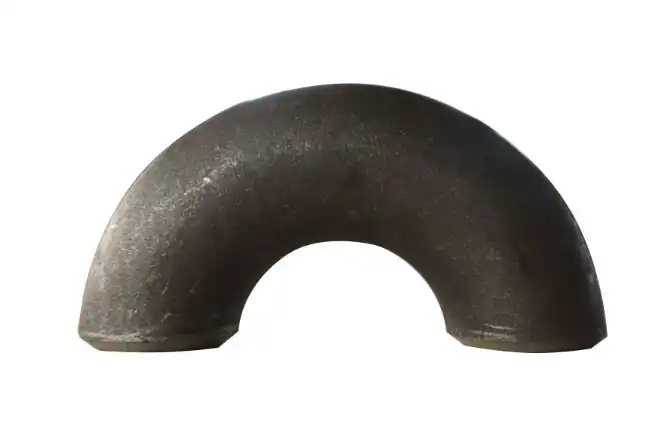
What Are Elbows and Bends in Oil & Gas Piping?
Pipeline fittings are an important part of making flow paths work well in complex industrial systems. These parts help builders get around problems, account for temperature changes, and make the best use of the room in building layouts.
Definition and Basic Function of Pipe Elbows
Pipe elbows are made parts that are used to quickly change the direction of a pipeline system. These parts come with angles that are already set, most often 45° and 90°, but unique angles can be made for specific uses. Most of the time, forging or pressing tasks are used in the manufacturing process to make exact measurements.
Standard elbows have walls that are the same thickness all the way around, so pressure is spread evenly across the joint. Because of this, they work especially well in high-pressure situations where maintaining structural stability is very important. Elbows are great for installations with limited room because they are small and make good use of the space they have.
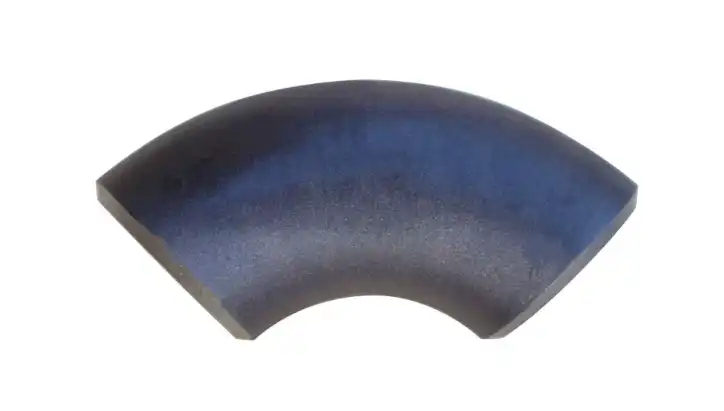
Understanding Pipe Bends and Their Characteristics
Pipe bends and elbows are very different in how they are formed and how they let fluid flow through them. These parts have a smooth curve that was made by either hot induction bending or cold bending. Most bends have a radius of curve that is larger than that of a normal elbow. This makes the flow changes smoother.
In order to make turns, pieces of pipe are heated to certain temperatures and then curved gradually to the desired shape. This method keeps the width of the pipe wall while making a smooth change in direction. Because the soft curve lowers noise and keeps pressure drops to a minimum, bends are especially useful in situations where flow efficiency is important.
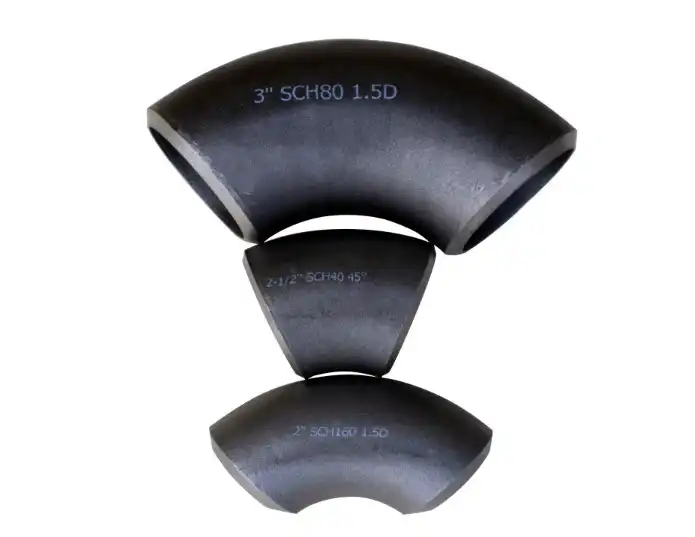
Material Specifications for Critical Applications
Different materials are used for elbows and bends based on the working conditions and needs of the application. Carbon steel is still the most popular choice for normal uses because it is strong for the price and has a history of working well. Different types of stainless steel are better at resisting rust in places with harsh chemicals or high temperatures.
For high-pressure, high-temperature tasks that are common in refinery processes, alloy steel choices have better mechanical qualities. To make sure long-term dependability and safety, the choosing method must take into account things like operating pressure, temperature range, fluid properties, and environmental conditions.
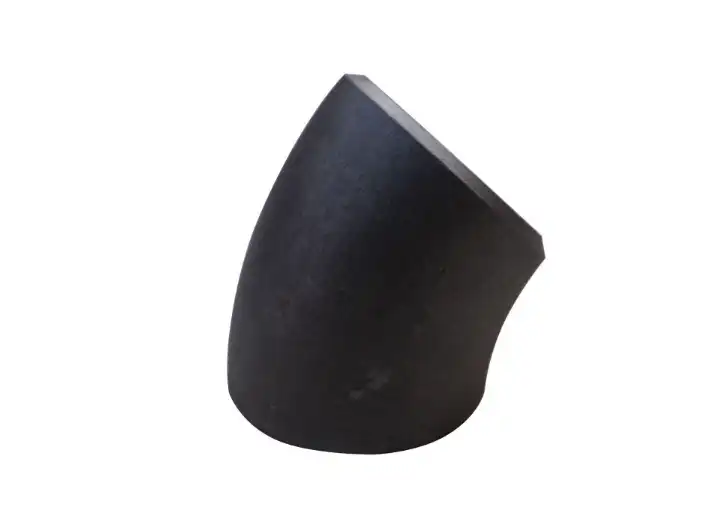
Elbow vs Bend: Key Differences and Application Scenarios
There are more differences between elbows and bends than just changes in shape. These include differences in how they are made, how they flow, and the best times to use them. Engineers can make better decisions that improve system performance when they understand these differences.
Manufacturing Process Variations
The ways that elbows and bends are made are very different, which affects their finished qualities and how well they work. When making elbows, hot steel billets are usually made with dies and presses during forging operations. This method fits with exact measurements and walls that are the same thickness all the way around the bent part.
Induction oil and gas pipeline elbow is used in bend production to slowly shape the curves while keeping the original structure of the pipe. The heating process happens in parts, which lets the shape of the material be changed without changing its features. This method keeps the base material's mechanical properties and grain structure, which makes parts that are very resistant to wear.
Which of these ways of making things to use varies depending on the needs of the product, such as the required pressure, size tolerances, and delivery times. Forged elbows come in standard sizes and are easy to find, while handmade bends are made to fit specific needs and provide the best flow features.
Flow Dynamics and Pressure Considerations
Because of the way they are shaped, elbows and bends have very different flow properties. As the fluid moves through the sudden change in direction, sharp-angled elbows cause localized turbulence and pressure drops. These effects might be fine in some situations, but they can make the system less efficient when there is a lot of flow.
The gentle curve of bends keeps the flow from getting messed up and pressure loss across the fitting to a minimum. The smooth shift lets the fluid keep moving in more laminar patterns, which saves energy and lowers the chance of damage. This benefit is especially useful for large-diameter pipes, where even small increases in pressure can save a lot of money on operations.
Standard Compliance and Certification Requirements
Elbows and bends must both meet industry standards for how they are designed, made, and tested. Specifications for factory-made wrought steel parts are given in ASME B16.9. These include required sizes and pressure values. API guidelines spell out specific needs for oil and gas pipeline elbow uses, making sure that they work with how the industry normally does things.
Quality assurance rules call for thorough testing that includes checking the dimensions, making sure the material properties are correct, and looking at the product without damaging it. It is important that parts meet these standards so that they work as expected and keep their structural integrity over time. Certification paperwork makes it possible to track something and shows that it meets all the rules and codes that apply.
Choosing the Right Elbow or Bend for Oil and Gas Pipelines
When choosing the right parts, you need to carefully consider a number of factors that affect the safety, performance, and cost-effectiveness of the system. When making a choice, both the current needs for installation and the long-term goals for operation must be taken into account.
Operating Conditions and Environmental Factors
The working conditions of a pipeline have a big impact on the choice of fittings. Forged elbows may be better for high-pressure uses because they are strong and have been tested to handle high pressures. Extreme temperatures need materials with the right mechanical qualities and thermal expansion features to keep the structure strong.
Corrosive settings need careful material choice and may need special coats or stronger alloys. Materials that are resistant to stress corrosion cracks and other forms of degradation are needed for marine uses or installations in hydrogen sulfide settings. Things in the environment, like earthquakes, can change the rules for design and how they are installed.
System Layout and Space Constraints
Fitting choices are often limited by the space available in production buildings. Small elbow designs let you move through crowded places where bigger radius bends wouldn't work because of a lack of room. On the other hand, open places may be able to handle bends that improve flow characteristics and lower pressure losses.
When routing pipes, things to think about include how to deal with thermal growth, how easy it is to do upkeep, and how well it works with other systems. The process of choosing must find a mix between the best flow performance, the limitations of installation, and the need for long-term usability.
Material Selection and Cost Optimization
The choice of material has a big effect on both the original prices and the economics over the whole lifecycle. There is no doubt that carbon steel works well in most situations and is also very affordable. Stainless steel choices are more resistant to corrosion, but they cost more at first, and may be worth it in the long run in harsh settings.
When evaluating, it's important to think about more than just the initial buy price. For example, installation costs, upkeep needs, and expected service life should all be taken into account. Oil and gas pipeline elbow applications frequently require expensive materials due to the importance of these systems and the high cost of unplanned shutdowns.
Manufacturing and Quality Assurance of Pipeline Elbows
Reliable pipeline parts are different from less reliable options because they are made with great care and strict quality control. These steps guarantee accurate measurements, the integrity of the material, and long-lasting performance even in harsh work circumstances.
Production Processes and Technical Capabilities
High-quality pipeline parts are made in modern factories that use cutting-edge tools and methods. When hot forging, the temperature is carefully controlled, and automatic forming equipment is used to make sure that the dimensions and qualities of the material stay the same. During the whole production cycle, computer-controlled devices keep an eye on important factors.
Heat treatment methods make the best use of a material's properties for its intended use. Normalizing treatments smooth out the structure of the grains and make the material stronger, and stress-relieving treatments get rid of any remaining stresses that might affect the material's long-term performance. These carefully planned steps make sure that the final goods meet the strict requirements of the business.
Quality control starts with checking the materials that come in and goes on through all stages of production. Chemical makeup, mechanical qualities, and dimensional correctness are all checked with high-tech testing tools. Non-destructive testing finds internal breaks that could hurt the performance of a service.
Certification Standards and Testing Protocols
Comprehensive oil and gas pipeline elbows make sure that the product works as it should and meets all standards. As part of mechanical testing, the tensile strength is checked, the fitting is hit at service temperatures, and the hardness is measured across its cross-section. These tests make sure that the materials meet the standards and that the qualities stay the same throughout the part.
Coordinate measuring tools and special fittings are used in dimensional checking to check important measurements and tolerances. Measurements of the surface finish make sure that it works with closing systems and improves the flow properties. Complete tracking and proof of agreement with quality management systems are provided by documentation packages.
Third-party testing services make sure that the quality of the product and that the rules for making it are followed. Some of these services are checking witnesses, going over paperwork, and auditing facilities to make sure they have good quality control systems and can make things.
Quality Management Systems and Continuous Improvement
Getting ISO 9001 certification shows that you are dedicated to quality management and methods for ongoing growth. Through written processes, training programs, and frequent management reviews, these systems make sure that the quality of the products is always the same. Corrective action methods deal with nonconformances and stop quality problems from happening again.
Statistical process control methods keep an eye on the factors of production and look for trends that could have an impact on the quality of the result. These methods let you make changes ahead of time that keep output uniform and stop expensive quality problems. Regular upkeep and calibration plans for tools make sure that measurements are accurate and that production is reliable.
Procurement and Supply Chain Insights for Pipeline Elbows
A good buying strategy strikes a mix between quality standards, delivery times, and cost goals, all while making sure that the supply chain works reliably. When working on important building projects, where delays or poor quality can have big effects, these things become even more important.
Supplier Evaluation and Selection Criteria
When choosing a supplier, you need to look at their technical skills, quality control systems, and service history. Assessments of manufacturing facilities check the capabilities of the tools, the quality control methods, and the output capacity. These tests make sure that providers can meet the needs of the project and keep up their good work throughout the supply relationship.
Getting a certification shows that you follow the rules for your business and for quality management. Suppliers of oil and gas pipeline elbows should keep their ISO 9001 quality management certifications and any necessary licenses to make pressure equipment current. These certificates give you trust in the supplier's skills and ability to follow the rules.
Checking references with past customers gives you an idea of how well a seller works, how quickly they respond, and how well they can solve problems. Long-term relationships often offer more value because they allow for better communication, a more flexible schedule, and group problem-solving.
Procurement Strategy and Cost Management
When using strategic buying methods, the total cost of ownership is taken into account, not just the purchase price. This study looks at things like the cost of shipping, the cost of keeping inventory, and how well deliveries affect project plans. Buying in bulk may be a good way to save money and make sure you have enough product for your job.
Managing lead times means making sure that project schedules and suppliers' output skills work well together. Standard goods usually have faster shipping times, while products made to specific requirements may need longer production times. Getting suppliers involved early on helps with planning and keeps schedules from clashing.
Changes in oil and gas pipeline elbow and material costs mean that contracts need to be carefully written and risks need to be managed. Price stability may be possible with long-term deals that still allow for adaptability to changing needs. A lot of the time, these agreements include ways for costs to go up and shipping times to change.
Global Supply Chain Considerations
International buying gives you access to expert skills and low prices, but it also makes things more complicated. Transportation logistics, customs clearance processes, and paperwork needs must all be carefully handled to make sure that goods are delivered on time and that all regulations are followed.
Because of distance and contact problems, it's harder to make sure that foreign suppliers meet quality standards. Third-party inspection services and thorough quality agreements help make sure that items are made to order and get to the customer in good shape. Clear rules for communicating stop mistakes and make it easier to solve problems.
Conclusion
Knowing the main differences between elbows and bends helps you make smart choices that improve the performance of your pipeline system. For setups with limited room, elbows offer small changes in direction, while bends provide better flow patterns for uses that value efficiency. Long-term system dependability and cost-effectiveness are affected by the materials used, the quality of the manufacturing, and the supplier's skills. To get the best results on an oil and gas pipeline elbow job, you need to carefully look at the technical requirements, quality standards, and supplier skills.
FAQ
What is the main difference between a pipe elbow and a pipe bend?
The main difference is in how they are curved and how they were made. Forging methods are used to make pipe elbows with sharp, fixed angles (usually 45° or 90°), while hot induction bending is used to make pipe bends with a gradual curve. When it comes to changing directions, elbows are great for small places because they change directions quickly. On the other hand, bends have smoother flow features and less pressure drops because their radius is bigger.
How do I choose between an elbow and a bend for my pipeline project?
The choice varies on a number of things, such as the amount of room available, the flow requirements, the pressure conditions, and the cost. If you don't have a lot of room but need standard joints with known pressure values, choose elbows. Choose bends when flow efficiency is very important, minimizing pressure drop is very important, or when working with large-diameter pipes, where smooth changes are better for operations.
What materials are commonly used for oil and gas pipeline elbows?
For normal uses, carbon steel is a common material. Stainless steel is used in corrosive areas, and alloy steel is used in high-pressure, high-temperature settings. A lot of people use carbon steel types like ASTM A106 and API 5L because they are strong and cheap. To make sure long-term dependability and safety, when choosing materials, you should think about how they will be used, the fluid's properties, and the surroundings.
What quality standards should pipeline fittings meet?
Fittings for pipelines should meet globally known standards like ASME B16.9 for sizes and pressure limits, API standards for oil and gas uses, and ASTM standards for materials. Quality management systems, such as ISO 9001, make sure that manufacturing methods are always the same, and licenses to make unique equipment show that you are following the rules. Third-party testing and inspection add to the quality guarantee for important uses.
Partner with Oudi for Premium Pipeline Fittings
Oudi has been making high-quality oil and gas pipeline elbows for more than 25 years and has ISO 9001-certified quality processes that serve more than 300 users in 40 countries. We make fittings out of carbon steel, stainless steel, and alloy steel that meet ANSI, JIS, DIN, and BS standards. We can produce 16,000 tons of these fittings every year, which makes sure that the supply chain works well. For your important infrastructure projects, whether you need standard elbows or special bends, our skilled engineers and state-of-the-art factories can make solutions that meet the strictest requirements. Talk to our team at oudi-04@oudiguandao.com about your needs and find out why top EPC builders and industrial distributors choose Oudi as their trusted oil and gas pipeline elbow supplier.
References
1. American Society of Mechanical Engineers. "Process Piping: ASME Code for Pressure Piping, B31.3." ASME International Standards and Technology, 2018.
2. American Institute of Petroleum. "Specification for Line Pipe: API Specification 5L." API Publishing Services, 45th Edition, 2019.
3. Mohitpour, Mohammad, et al. "Pipeline Design & Construction: A Practical Approach." 3rd Edition, American Society of Mechanical Engineers Press, 2007.
4. Nayyar, Mohinder L. "Piping Handbook." 7th Edition, McGraw-Hill Professional Engineering, 2000.
5. Palmer-Jones, Richard and Seymour, Eddie. "Pipeline Integrity Management Systems: A Practical Approach." Gulf Professional Publishing, 2016.
6. Revie, R. Winston. "Oil and Gas Pipelines: Integrity and Safety Handbook." John Wiley & Sons Engineering Publications, 2015.

Need help finding the right solution with our experts. Please contact us.

SINCE 1998 Your Reliable Pipeline Manufacturer



