Standards for Stainless Steel Butt Weld Tee
However, there are standards for stainless steel butt weld tees that make it possible to make, test, and use these important parts of pipes. These detailed rules, made by groups like ASTM, ASME, and ISO, make sure that butt weld pipe tee fittings meet strict quality, size, and performance standards in a wide range of industry settings. The guidelines include information about the materials that can be used, their limits in size and shape, the maximum pressure that they can withstand, and the right way to test them. These make sure that the equipment can work safely and reliably in harsh conditions like petrochemical plants and power plants.

Understanding Standards for Stainless Steel Butt Weld Tee
Stainless steel butt weld tees are regulated by a number of linked standards that make sure the quality, safety, and global interoperability of the products. These standards are the technical basis for how businesses buy things, how they make things, and how they make sure the quality of their products.
Primary Standard Organizations and Their Roles
The American Society for Testing and Materials (ASTM) sets standards for testing and determining the makeup of materials. ASTM A403 covers cast austenitic stainless steel pipe fittings. This standard lists different grades of materials, such as 304, 316, 321, and 347. Each grade is designed to have different levels of protection to rust and temperature performance. The American Society of Mechanical Engineers (ASME) adds through B16.9, which sets the measurements for factory-made wrought butt weld pipe tee dimensions, and B16.25, which talks about how to prepare the ends for butt welding.
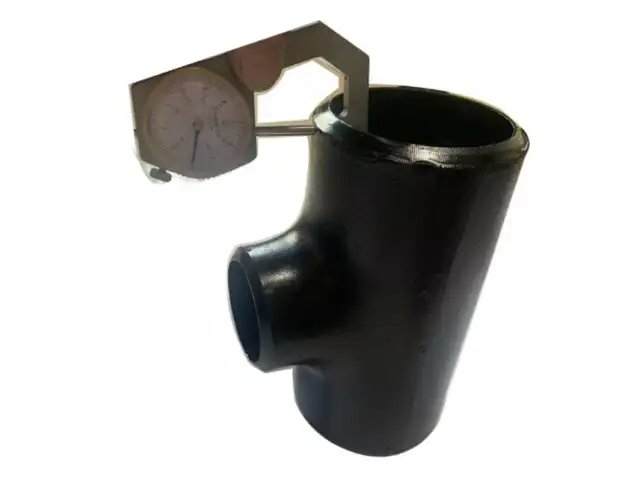
The Manufacturers Standardization Society (MSS) has MSS-SP-43, which is about wrought stainless steel butt-welding fittings. The International Organization for Standardization (ISO) has ISO 3419 and other similar requirements that give a world view. These groups work together to make sure that foreign markets are all the same. This makes it easier for people all over the world to buy things and use them.
Critical Technical Specifications and Requirements
The chemical composition limits, mechanical qualities, and heat treatment needs for materials are spelled out in these guidelines. Because it has 18–20% chromium and 8–10.5% nickel, Grade 304 stainless steel is very good at resisting rust in most situations. Grade 316 has molybdenum added to it to make it more resistant to chlorides. This makes it perfect for use in marine and chemical processing uses. Titanium stabilization is used in Grade 321 to stop intergranular rust in high-temperature settings.
The ASME B16.9 standard sets limits for dimensions that make sure things fit perfectly during installation while keeping the structure's integrity. The required wall thickness is based on common pipe schedules from Schedule 5S to Schedule XXS. Each schedule is made for a certain range of temperatures and pressures. To make sure that the same level of performance is seen across all makers and production batches, center-to-end dimensions, outside diameter tolerances, and wall thickness differences must all stay within strict limits.
Comparing Stainless Steel Butt Weld Tee Standards with Other Tee Types
Knowing the differences between the different types of tee fittings and the standards that go with them lets you make an informed choice based on your application needs, installation limitations, and working factors.
Socket Weld vs. Butt Weld Configuration Standards
Asme B16.11 rules say that socket weld tees must work with forged fittings that have socket-welding and threaded links. The main change is how the joints are prepared and how they are welded. When you socket weld two pieces together, you make a shoulder that can trap corrosive media and cause crevice rust in some places. The standard calls for a 1/16-inch gap between the pipe end and socket bottom to allow for temperature expansion. However, in clean settings, this gap can become a source of contamination.
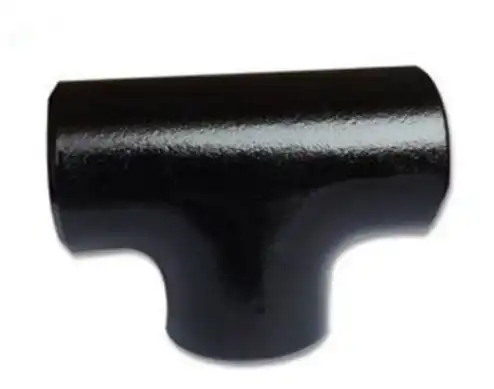
Butt weld pipe tee designs get rid of these worries by using full-penetration welding to make interior surfaces that are smooth and continuous, with no cracks or breaks. For welding to work, the pipe ends must be cut to match the way the tee's ends are prepared. This makes a joint that can handle the same amount of pressure as the parent pipe material. This smooth shift is very important in high-purity uses where keeping contamination to a minimum is very important.
Threaded vs. Welded Connection Standards
Pipe threads should follow ASME B1.20.1, and parts made of pliable iron should follow ASME B16.3 or cast bronze should follow ASME B16.15. Because these links depend on thread contact and sealants to keep pressure inside, they can only be used for low-pressure tasks, usually below 2000 psi.
Welded connections that follow butt weld standards can handle the full pressure rate of the pipe system they join to, which can be more than 10,000 psi based on the material grade and wall thickness. Getting rid of threaded connections also gets rid of possible leak paths and cuts down on installation work in cases where cutting threads is not possible due to the big diameter.
Manufacturing Method Impact on Standards Compliance
When it comes to butt weld pipe tee valves, the standards and quality needs for seamless and welded construction are not the same. Seamless fittings, which are made by hot pressing, have better mechanical qualities and a more regular grain structure, but they cost more to make and need special tools. ASTM A403 covers both seamless and welded construction. It specifies extra testing standards for welded parts, such as x-ray or ultrasound study of longitudinal seams.
Whether the fitting is seamless or welded affects how the materials can be tracked, how they are tested, and finally whether they are suitable for important uses. Nuclear and high-temperature services often need smooth construction to get rid of any possible weld flaws. Standard industrial uses, on the other hand, may accept welded construction as long as it is backed up by the right non-destructive testing.
How to Verify Compliance and Quality of Stainless Steel Butt Weld Tee?
Documentation, testing methods, and production processes must be carefully looked over to make sure that provided fittings meet the standards and application needs for quality and compliance.
Documentation and Certification Requirements
Material Test Certificates (MTCs) are very important for keeping track of where the finished fitting's raw materials came from. The certificates must have a chemical makeup analysis that shows the material meets the grade standards, mechanical property test results that show the material's yield strength, tensile strength, and elongation values, and heat treatment records that show the temperature and time parameters. The paperwork needs to include test reports from approved labs and references to relevant standards.
Manufacturing certificates show that the provider follows the rules of the quality management system. Systematic quality control methods are shown by ISO 9001:2015 certification. Other certifications, such as the ASME "U" stamp for pressure vessels or API 6A for wellhead equipment, validate the product in a way that is specific to its use. Suppliers should keep their licenses up to date and keep records of regular security checks.
Non-Destructive Testing Protocols
Visual inspection methods check the state of the surface, the accuracy of the measurements, and the overall quality of the work. Inspectors who have been trained look at the surface finish and look for cracks, pits, or other flaws that could affect how well it works. Verification of dimensions using precise measuring tools shows that the product meets the requirements of the plan and is within the acceptable range of errors.
Radiographic testing shows internal breaks in the building of a welded butt weld pipe tee construction, such as holes, inclusions, or incomplete fusion that could cause the joint to fail early. Ultrasonic testing offers different ways to check things, and it works especially well for thick-wall fittings where x-rays aren't practical. Liquid penetrant testing finds flaws below the surface, like stress cracks or manufacturing flaws that can't be seen with the naked eye.
Supplier Evaluation Best Practices
A full source evaluation includes checking the manufacturer's facilities, processes, and abilities to make sure they can always make goods that meet standards. Audits of quality control systems should look at how raw materials are received, how they are inspected during production, what testing is needed at the end, and how mistakes are fixed.
An assessment of a company's manufacturing potential includes checking the quality of its tools, staff, and process controls that have a direct effect on the quality of its products. Modern factories should have testing tools that are properly calibrated, qualified welding processes when needed, and trained workers who have the right licenses. Regular spying visits help keep an eye on suppliers' work and build relationships with them.
When a big petrochemical plant put in place strict seller qualification procedures, the number of field rejections dropped by 40% and expensive installation delays were removed. Their organized method included pre-qualification checks, rules for incoming inspections, and performance tracking that found problems before they slowed down projects.
Implications of Standards on Procurement and Application
Standards compliance has a big effect on how things are bought, how much they cost, and how long a project takes. It also makes sure that technical standards are in line with goals for operating safety and dependability.
Cost Factors and Lead Time Considerations
Following well-known standards usually raises the original cost of buying something because of stricter quality control measures, material testing needs, and approval procedures. These upfront investments, on the other hand, often pay off in the long run with big saves in the form of lower upkeep costs, longer service lives, and more reliable operations. Standard-compliant butt weld pipe tee fittings have better performance qualities that make them worth the extra cost in important situations.
Because of strict testing methods and paperwork needs, lead times for goods that meet standards may be longer than for common products. Standard shipping times can be pushed back by two to four weeks because of processes like material certification, non-destructive testing, and quality proof. When planning strategically for buying, these longer deadlines should be taken into account, along with the fact that rushing output often means sacrificing quality and compliance.
Customization Within Standardized Frameworks
Standard conformity is important for many uses that need custom sizes, special materials, or unique shapes. Those needs can be met by reputable manufacturers who can build solutions that meet both unique needs and applicable standards. The key is to work with suppliers early on who have the technical know-how and production freedom to make custom goods that are compliant.
Customization options include using unique materials like duplex stainless steels, not standard sizes for specific uses, and different end preparations for different welding needs. To make sure that all standards are met, each customization needs to go through the right testing and paperwork, which could take more time and tech help.
Global Sourcing Considerations and Supplier Selection
When buying butt weld pipe tee fittings from other countries, you need to carefully check that the sellers can meet standards and have good quality control systems in place. When the right steps are taken to make sure they are qualified, manufacturers from well-known industrial areas like the US, Europe, and Asia can make great goods.
Chinese makers' quality processes and technical skills have gotten a lot better. Many of them now have foreign certifications and can show that they consistently meet global standards. Instead of making assumptions about capability or quality based on location, the key to successful buying is thoroughly qualifying suppliers, communicating clear specifications, and keeping an eye on quality all the time.
Instead of just looking at price, factors for choosing a supplier should include proof of meeting standards, quality management certifications, technical skills, and customer recommendations. Long-term relationships with qualified suppliers often offer better value through steady quality, on-time delivery, and expert support than switching vendors often to find the best price.
Advantages of Adhering to Standards in Using Stainless Steel Butt Weld Tee
Adhering to standards has real benefits in terms of safety, performance, and the economy, which make the investment in skilled suppliers and goods that meet standards worth it.
Enhanced Safety and Reliability Performance
Fittings that meet standards are put through a lot of tests and quality checks to make sure they will work reliably in certain situations. Standards require thorough testing of materials, checking of dimensions, and quality checks during production. These limits greatly lower the chance of failure or safety events happening too soon. This dependability is very important for protecting people and the environment in high-pressure or high-temperature situations.
Butt weld pipe tee designs can fully penetrate the material being joined, making joints that are 100% joint efficient. This means that the welded link is as strong and can handle the same amount of pressure as the parent pipe material. Because of this feature, system builders can set pressure ratings that are the same all the way through the pipe system, without having to lower the ratings for fitting connections.
Extended Service Life and Maintenance Benefits
Following the rules makes sure that the best materials are used, that they are heat treated correctly, and that the quality of the making has a direct effect on the service life. The better resistance to corrosion of certain types of stainless steel, along with manufacturing methods that reduce residual stress and surface contamination, leads to longer operating life with lower upkeep needs.
Precision production makes the insides smooth, which lowers pressure drop and gets rid of flow turbulence that could cause erosion or rust. This flow optimization works especially well in high-speed situations or when working with rough materials, since the shape of the fittings has a big impact on how they wear and how often they need to be serviced.
System Integration and Interchangeability Benefits
Standardized sizes and end preparations make it easy to connect to other parts of the pipe system, no matter who made them. This interchangeability makes buying easier, lowers the need for inventory, and speeds up upkeep tasks where new parts need to fit into current installations without any changes.
Major standards like ASTM and ASME are recognized all over the world. This means that foreign projects can be carried out with trust, knowing that parts from different areas and manufacturers will work well with each other. This regulation is especially helpful for global projects or buildings that need help with their supply chains.
According to project managers, following standards cuts down on installation time by about 15 to 20 percent compared to non-standard options. This is because standards make it easier to fit things together, require fewer changes in the field, and get rid of interface problems. These time savings often make up for the higher price of compatible goods, which also work better over time.
Conclusion
Standards for stainless steel butt weld tees are what make sure quality, safety, and dependability in important pipe uses across many industries. The detailed rules set by ASTM, ASME, and other well-known groups control the qualities of materials, how they are made, how they are tested, and how well they work. These rules give people the confidence they need to make choices about specifications and purchases. Knowing these standards and what they mean helps procurement workers choose the right goods while making sure they meet project requirements and operational safety goals. Investing in standards-compliant butt weld pipe tee fittings pays off in measured ways, such as higher reliability, longer service life, and lower upkeep costs, which make the higher price point worth it in demanding situations.
FAQ
What are the essential standards to check when procuring stainless steel butt weld tees?
The primary standards include ASTM A403 for material specifications, ASME B16.9 for dimensions, ASME B16.25 for butt-weld end preparations, and MSS-SP-43 for wrought stainless steel fittings. Additionally, verify ISO 9001 certification for quality management and any application-specific standards like API or nuclear codes depending on your service requirements.
Are international standards compatible across different regions?
Yes, major international standards maintain substantial compatibility, though specific requirements may vary. ASTM and ASME standards are widely accepted globally, while ISO standards provide international harmonization. European EN standards and Japanese JIS standards often reference equivalent ASTM materials with minor variations in testing requirements. Always verify specific project requirements with engineering specifications.
How does standards compliance impact durability in high-pressure environments?
Compliance with standards ensures proper material selection, heat treatment, and manufacturing quality that directly affects high-pressure performance. Compliant fittings undergo pressure testing verification and maintain documented pressure ratings based on material grade and wall thickness. The full-penetration welding required by standards creates joints that work at their full system pressure level without demating.
Partner with Oudi for Premium Standards-Compliant Butt Weld Pipe Tee Solutions
Since 1998, Oudi has been making high-quality butt weld pipe tee fittings. They have maintained ISO 9001:2015 certification and specialized equipment production licensing that make sure they always follow the rules. Our yearly production capacity of 16,000 tons lets us meet the needs of over 300 users in 40 countries with goods that are compliant with ASTM, ASME, and international standards. As a reliable butt weld pipe tee provider, we offer full material certifications, strict quality control, and expert support that makes the buying process easier and guarantees the success of your project. Email our skilled staff at oudi-04@oudiguandao.com to talk about your unique needs and find out how our solutions that meet industry standards can improve your operational efficiency and lower your long-term costs.
References
1. American Society for Testing and Materials. ASTM A403/A403M-21: Standard Specification for Wrought Austenitic Stainless Steel Piping Fittings. West Conshohocken: ASTM International, 2021.
2. American Society of Mechanical Engineers. ASME B16.9-2018: Factory-Made Wrought Buttwelding Fittings. New York: ASME Press, 2018.
3. Manufacturers Standardization Society. MSS-SP-43-2018: Wrought Stainless Steel Butt-Welding Fittings. Vienna: MSS, 2018.
4. International Organization for Standardization. ISO 3419:2018: Non-alloy and alloy steel butt-welding fittings for pressure purposes. Geneva: ISO, 2018.
5. American Society of Mechanical Engineers. ASME B16.25-2017: Buttwelding Ends. New York: ASME Press, 2017.
6. American Society for Testing and Materials. ASTM A182/A182M-21: Standard Specification for Forged or Rolled Alloy and Stainless Steel Pipe Flanges. West Conshohocken: ASTM International, 2021.

Need help finding the right solution with our experts. Please contact us.

SINCE 1998 Your Reliable Pipeline Manufacturer



