What is a piping elbow?
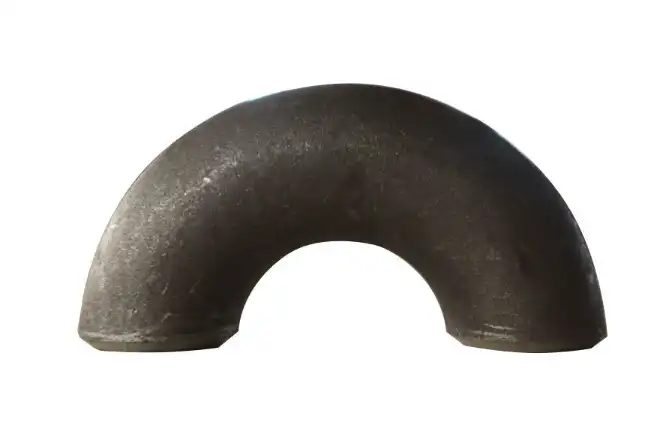
A piping elbow is a crucial pipe fitting component designed to change the direction of fluid flow within industrial piping systems, typically at specific angles such as 45° or 90°. Industrial piping elbow valves are necessary to connect and shift pipes while keeping the pressure and flow of the system stable. These parts are made from different metals, like carbon steel, stainless steel, and alloy steel, so they can be used in many different ways in the manufacturing, chemical, water treatment, and oil and gas businesses. Engineers and procurement workers can make better choices about their pipe infrastructure needs when they know how they work, what kinds there are, and how to choose them.
Understanding Industrial Piping Elbows
Industrial piping elbow parts are important parts of modern pipeline systems because they let engineers easily move fluids and gases around obstacles and through complicated building plans. These fittings keep flow routes continuous while allowing changes in direction that would require expensive and inconvenient straight-line installs otherwise.
Types and Classifications
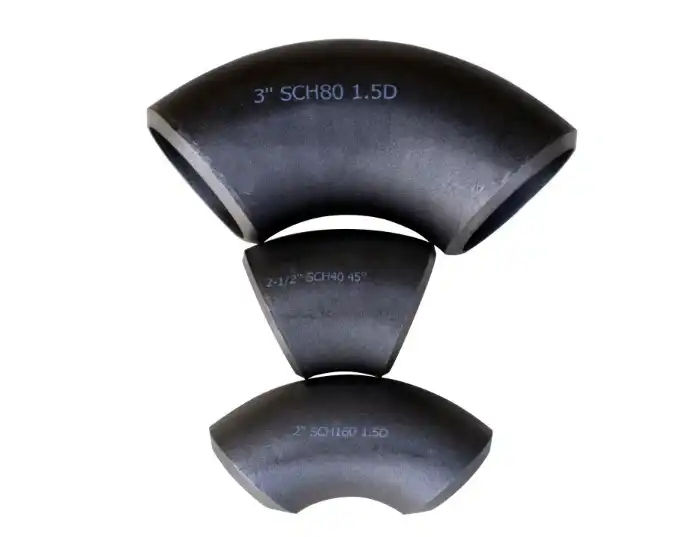
Pipeline elbows are divided into several groups based on how they are built and the angle requirements. Because the material structure of seamless elbows isn't broken, they are stronger, which makes them perfect for high-pressure uses in oil and gas facilities. When it comes to normal pressure systems, welded bends are a cost-effective way to keep performance standards high.
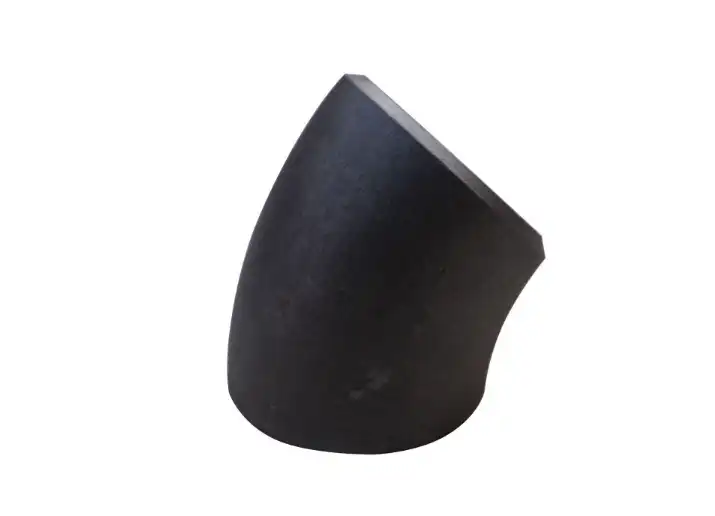
The angle classification tells us that 90-degree elbows change the flow direction perpendicularly, while 45-degree elbows change the flow direction gradually. When compared to short radius elbows with a 1.0 diameter ratio, long radius elbows have a centerline-to-face measurement that is 1.5 times the standard pipe diameter. This makes the flow smoother and prevents pressure loss.
Material Properties and Standards
Industrial piping elbows dominate industrial applications due to their excellent strength-to-cost ratio and compatibility with standard welding procedures. These parts meet the requirements set by ASTM A234 WPB for carbon steel fittings. This makes sure that the material qualities stay the same and the measurements are correct. Stainless steel types made to ASTM A403 standards offer better corrosion protection for uses in chemical processes and food-grade situations.
Tolerances for sizes, wall thickness limits, and pressure values are set by manufacturing standards like ASME B16.9, ASME B16.11, and MSS SP-75. These standards make sure that parts from different manufacturers can work together without any problems, while also keeping system safety limits.
Design Considerations and Pressure Ratings
The choice of pressure number is based on the working conditions, the temperature ranges, and the safety factors set by engineering rules. Schedule 40 and Schedule 80 numbers show different levels of wall thickness, with higher schedule numbers being able to handle more pressure. When figuring out the working pressure, temperature derating factors must be taken into account, since material strength drops at high running temperatures.
Comparison and Selection Criteria for Industrial Piping Elbows
Selecting appropriate elbow fittings requires careful evaluation of multiple technical and financial factors that affect how well the system works in the long term and how much maintenance it needs.
Material Selection Analysis
Carbon steel elbows and Industrial piping elbows have great mechanical properties for most industrial uses. Their yield strengths are usually higher than 35,000 PSI, and they are easy to weld. But in corrosive settings, these materials need protective layers or cathodic protection to keep them from breaking down over time.
Stainless steel alternatives provide superior corrosion resistance and maintain strength properties at elevated temperatures up to 1500°F, depending on the specific alloy composition. Grade 304 stainless steel is good for most general uses, while Grade 316 is better for sea and chemical conditions because it is more resistant to chloride.
Construction Method Evaluation
Seamless industrial piping elbow fittings have a consistent grain structure across their entire cross-section, so they don't have any weak spots like weld joints do. This way of building makes parts that can withstand the highest forces without any problems with stress concentration. Due to specialized making methods and material waste, manufacturing costs are still higher.

Welded elbows are made from plate or sheet metals that are shaped and joined with lengthwise welds. Modern welding methods and post-weld heat treatment methods make parts that are durable and meet industry standards. They also save money on large-scale projects.
Environmental and Application Factors
For uses above 800°F, you need to be careful when choosing the material and make sure that the support design allows for heat expansion. In thermal cycling situations, materials need to be able to fight fatigue well and have low thermal expansion rates so that stress doesn't build up too much.
Material compatibility research must take into account specific chemical exposure, concentration levels, and working temperatures in corrosive settings. When linking metals that are not the same in the same system, the galvanic rust potential must be looked at.
Manufacturing and Installation Insights
Understanding manufacturing processes and installation requirements enables procurement professionals to specify appropriate components while avoiding common field problems that increase project costs and delays.
Production Techniques and Quality Control
By heating pipe sections to forging temperatures and shaping them with hydraulic presses and mandrels, hot forming methods make smooth joints. This method makes sure that the material's grain structure stays the same while getting exact limits on dimensions. As part of quality control, measurements are checked, wall thickness is confirmed, and non-destructive testing methods like ultrasound examination are used.
Cold forming methods use special tools and internal supports to bend pipe sections at room temperature without causing the walls to thin or become oval. This method works well for lower-pressure tasks and gives a great surface finish without any worries about heat-affected zones.
Certification and Standards Compliance
Industrial piping elbow by regulators, manufacturing sites must keep their ISO 9001 quality management system certification and licenses to make pressure vessels. Each package of a component comes with material tracking paperwork that includes chemical makeup analyses and test results for mechanical properties.
Third-party inspection services make sure that the project meets the requirements and all the relevant codes by checking witnesses and going over the paperwork. Mill test records prove the properties of the material, and dimensional inspection reports confirm that the shapes meet the requirements.
Installation Best Practices
The first step in a proper installation is to check each part to make sure it is in good shape and meets all the requirements. Welding methods must follow skilled welding procedure standards that talk about how to heat up the metal, choose the right filler metal, and, if needed, heat treat the area after the weld.
Support design factors include how to handle temperature expansion, how to isolate vibrations, and how to distribute loads so that there isn't too much stress in one place. When installing something, making sure it is properly aligned stops binding forces that could lead to premature failure or work less well.
Real-World Applications and Benefits
Industrial piping elbow parts are very important in many different types of industries. Each type has its own specific problems to solve and performance standards that affect the choice of materials and design requirements.
Oil and Gas Industry Applications
Upstream production sites use high-pressure elbows in wellhead units and gathering systems. These parts have to be able to handle pressures of over 15,000 PSI and still be leak-tight. When hydrogen sulfide is present in sour gas settings, special materials are needed that can prevent sulfide stress cracking and general corrosion.
For refinery uses, parts must be able to deal with a range of process fluids, such as crude oil, processed products, and chemical additives, at temperatures from very cold to very hot. Material suitability with certain process lines keeps products from getting contaminated and upholds quality standards.
Chemical Processing and Water Treatment
Elbows used in chemical factories need to be made of materials that can stand up to acids, bases, and organic solvents while still keeping their shape over a long period of time. For example, Hastelloy and Inconel are specialized metals that work very well in harsh chemical conditions.
Water treatment plants utilize industrial piping elbow fittings in drinkable water distribution systems where materials must comply with NSF approval standards and resist chlorine-induced stress corrosion cracking. Epoxy coats that are fused together offer extra security and keep the insides smooth, which reduces pressure loss.
Performance Benefits and Economic Value
By lasting longer and working reliably, high-quality elbow components lower the amount of upkeep that needs to be done on the system. When you choose the right materials, you can avoid having to pay for replacements too soon and cut down on unplanned breaks that can hurt production plans and profits.
Smooth internal surfaces and optimized flow patterns that lower pumping costs over the system's working life make it more energy efficient. Over time, these improvements in efficiency add up to big economic benefits that make up for the higher starting material costs.
Procurement Guide: How to Buy the Right Industrial Piping Elbow?
Successful procurement requires understanding supplier capabilities, quality systems, and market dynamics that influence availability, pricing, and delivery performance.
Supplier Evaluation Criteria
Manufacturer assessment begins with verification of quality management system certifications, including ISO 9001 and pressure vessel manufacturing licenses. Evaluation of production capacity ensures that providers can meet the needs of the project within the time frames set for delivery without lowering quality standards.
As part of evaluating technical skills, you should look at the range of sizes that are available, the materials that can be used, and any unique production methods, such as stress relieving and non-destructive examination. Chemical analysis, mechanical testing, and dimensional checking with standardized tools should all be able to be done at a testing center.
Ordering Process and Specifications
Industrial piping elbows need to have full technical details like the type of material, its size, its pressure rating, and any relevant codes. To avoid confusion and delivery delays, it should be made clear what special needs to be done, like impact testing, extra tracking, or witness testing.
Mill test certificates, measurement inspection reports, and material tracking records are some of the documents that are usually needed. For some uses, you need third-party testing services and special markings to keep track of the parts throughout the whole job.
Lead Time and Pricing Considerations
Standard-sized elbows made of common materials have shorter wait times because they are always in stock. However, special-sized elbows made of rare materials need longer production plans. The state of the market affects the cost and availability of raw materials, especially for specific metals that can have problems with their supply chains.
Volume price systems reward bigger orders through economies of scale, while setup costs and minimum order requirements may mean that small amounts cost more. Long-term supply deals can keep prices stable and make sure that materials are always available for projects like upkeep and growth.
Conclusion
Industrial piping elbow fittings are important parts that keep systems intact and allow fluids to move quickly through pipes in a variety of industrial settings. Knowing how they were built, what materials they are made of, and how they were chosen gives engineers and procurement workers the information they need to make decisions that improve efficiency and cut costs. Good manufacturing standards, the right way to put things, and trustworthy relationships with suppliers are all important for the success of both short-term projects and long-term operations.
FAQ
What factors influence the choice between seamless and welded elbows?
Seamless elbows offer superior strength characteristics and eliminate potential failure points associated with weld seams, making them ideal for high-pressure applications above 2500 PSI. Welded elbows provide cost-effective solutions for standard pressure systems while maintaining reliable performance when manufactured according to established standards like ASTM A234.
How do pressure ratings impact elbow selection?
Pressure numbers tell you how thick the walls need to be and what kind of material they need to be in order to safely control system pressures. When working at high temperatures, temperature derating factors must be used because material strength drops as temperature rises. Schedule labels show the different levels of wall thickness, with higher numbers indicating higher pressure capabilities.
Can piping elbows be customized for unique project requirements?
Yes, makers can make elbows with non-standard angles, different materials, or different sizes to fit the needs of a particular purpose. Custom parts have longer wait times and may involve minimum order amounts, but they allow for the best system design for each operation's specific needs.
Partner with Oudi for Superior Industrial Piping Elbow Solutions
Oudi stands as a trusted industrial piping elbow manufacturer with over 25 years of expertise serving global markets across 40+ countries. Our factory is ISO 9001:2000 approved and makes 16,000 tons of high-quality parts out of carbon steel, stainless steel, alloy steel, and other steels that meet ANSI, JIS, DIN, and BS standards every year. The most up-to-date production tools and strict quality control make sure that every part works perfectly and reliably. Email our knowledgeable staff at oudi-04@oudiguandao.com to talk about your purchasing needs and find out how our comprehensive product range and low prices can help your next project run more smoothly.
References
1. American Society of Mechanical Engineers. "Pipe Fittings and Flanged Fittings NPS 1/2 Through NPS 24 Metric/Inch Standard." ASME B16.9-2018.
2. ASTM International. "Standard Specification for Piping Fittings of Wrought Carbon Steel and Alloy Steel for Moderate and High Temperature Service." ASTM A234/A234M-21.
3. Manufacturers Standardization Society. "High Test Wrought Butt Welding Fittings." MSS SP-75-2018.
4. American Petroleum Institute. "Specification for Line Pipe Fittings." API 5L-2018.
5. International Organization for Standardization. "Steel Butt-Welding Pipe Fittings — Part 1: Wrought Carbon Steel for General Use and Without Specific Inspection Requirements." ISO 3419:2019.
6. National Association of Corrosion Engineers. "Material Requirements for Sulfide Stress Cracking Resistant Metallic Materials for Oilfield Equipment." NACE MR0175/ISO 15156-2015.

Need help finding the right solution with our experts. Please contact us.

SINCE 1998 Your Reliable Pipeline Manufacturer



