Equal Tee vs Reducing Tee: What’s the Difference?
Knowing the difference between equal tees and reducing tees is important for getting the best performance from the parts you choose for industrial pipe systems. An Industrial Pipe Tee is like a T-shaped link that lets fluid flow branch out in three different directions. The main difference between them is how they are made. Equal tees have three holes with the same diameter, while reducing tees have a branch outlet that is smaller than the main run width. This basic difference affects how flow works, how pressure is distributed, and how well systems work in places like oil factories and water treatment plants.

What Are Industrial Pipe Tees? General Overview
Industrial Pipe Tee fittings are important connecting points in complicated pipe networks. They let fluids flow while keeping the structure strong in tough working conditions. These T-shaped links have three holes that make it easy to branch connections in systems that handle oil, chemicals, natural gas, and water conservation.
Understanding Pipe Tee Fundamentals
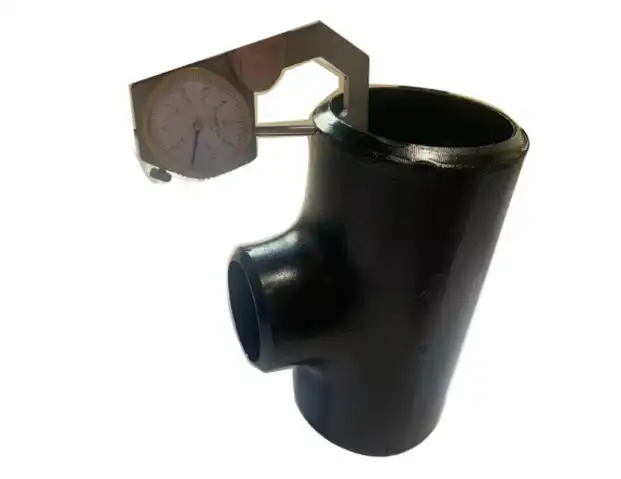
Pipe tees are made so that they can change the flow direction while reducing noise and pressure loss. Equal tees make sure that the internal diameter measures are the same at both the run and branch connections. This makes the flow characteristics constant. Because reducing tees have a smaller branch hole, they naturally limit the flow amount. This makes them perfect for situations where distribution needs to be controlled or pressure needs to be managed. Industrial Pipe Tee methods use advanced forming methods to make changes within tee bodies that are smooth. This cuts down on stress-gathering points that could weaken the system's dependability. The finish on the inside of the part is very important for keeping friction losses low and stopping dirt buildup that could hurt long-term performance.
Material Selection and Standards Compliance
Carbon steel is still the most common material used in industry because it is strong, cheap, and has good mechanical qualities. The different types of stainless steel are better at resisting rust in harsh chemical conditions, while the different types of alloy steel are stronger for high-pressure uses. Dimensional guidelines set by ASME, ANSI, DIN, and JIS make sure that products can be used anywhere in the world. These standards set the wall thicknesses, pressure values, and dimensional limits that make it possible to confidently specify products for a wide range of industry uses. Pressure classes from 150 to 2500 can handle a wide range of operating needs while still meeting the safety standards set by regulatory bodies.
Equal Tee vs Reducing Tee: Key Differences Explained
Different structural differences between equal and reducing tees make their application and practical features very different. Knowing about these differences helps you make smart choices during the system design and component definition stages.
Design, Architecture, and Flow Dynamics
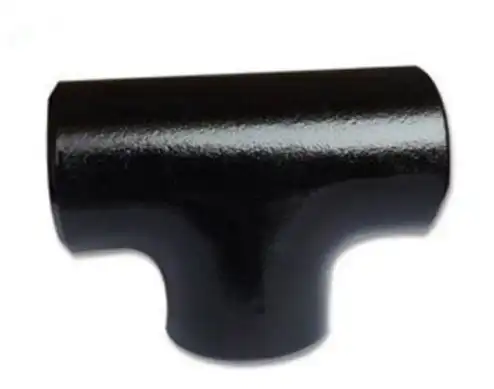
Equal tees have three holes with the same width. This makes symmetrical flow patterns that keep pressure differences between branch links to a minimum. This arrangement makes hydraulic math easier and makes system balancing steps less complicated. The uniform shape also makes it easier to install and maintain things in tight areas. Reducing tees have a smaller branch exit that limits flow and drops the pressure. Usually, the size decrease follows normal dimensional relationships. For example, it can go from 4 inches to 3 inches or from 6 inches to 4 inches. This change in size affects velocity patterns and can make mixed effects that are useful in some situations.
Pressure Rating and Performance Characteristics
Both tee types must comply with pressure vessel rules and safety standards, but in real-world situations, they work very differently. Equal tees spread stress loads evenly across welded joints, which makes structural analysis easier and lowers the number of places where something could go wrong. When reducing the thickness of the material, the area where the sizes change causes a lot of stress, so it's important to choose the right material and follow the right welding steps. The weakest part of the assembly is usually the smaller diameter piece in reducing designs, which determines the pressure grade of the whole thing.
Manufacturing Processes and Quality Control
When making a seamless tee, hot forming techniques are used to keep the material's grain structure consistent throughout the fitting body. This way of making things doesn't use welded joints, which could lead to leaks or structural flaws. On the other hand, welded options are less expensive and still work well enough for many uses. As part of quality control, measurements are checked, materials are certified, and non-destructive tests are done to make sure they meet all the standards that apply. Hydrostatic testing confirms that the structure can hold pressure, and eye inspection confirms that the surface finish is good and that the measurements are correct.
How to Choose Between Equal Tee and Reducing Tee: A Decision Framework
It's important to carefully think about practical needs, system limitations, and cost when choosing the right tee arrangement. This organized method makes sure that the best parts are chosen in a way that meets both performance needs and project price limits.
Operational Parameter Assessment
Flow rate needs are the most important thing to think about when deciding between equal and reducing tee designs. Equal tee setups keep pressure losses to a minimum, which is good for systems that need to get the most flow through branch connections. Reducing tees are often used to get the flow amounts needed without adding extra control valves in situations where flow needs to be split or distributed in a controlled way. Industrial Pipe Tee inside the system affects how thick the material needs to be and how the connections need to be designed. For high-pressure uses, it's important to pay close attention to stress concentration factors and welding methods to make sure the system stays intact under working loads.
Environmental Factors and Material Compatibility
In places where rust is likely to happen, you need to choose materials that balance resistance to corrosion with mechanical qualities and cost. Grades 304 and 316 stainless steel are very resistant to corrosion in most chemical environments. Other metals are available for harsher environments. Temperature cycling changes how materials are chosen and how they are designed, especially when it comes to thermal growth and stress release needs. Materials whose mechanical traits stay the same across a wide range of temperatures are better for systems that have to deal with big temperature changes.
Economic Analysis and Lifecycle Considerations
The initial prices of the parts are only a small part of the total costs of owning the machine over its useful life. A lot of what goes into lifetime economics is how much maintenance is needed, how often things need to be replaced, and how efficiently they are used. Most of the time, equal tees require less upkeep because they are identical and evenly distribute stress. Reducing tees may lower the overall cost of the system by getting rid of the need for extra reducers or control valves, making pipe plans easier, and lowering the amount of work needed for installation. When comparing component options, the economic study should take these system-level gains into account.
Installation and Maintenance Considerations
For both equal and reducing tee designs, the best efficiency and longest service life come from using the right fitting methods. Knowing the exact needs for each type stops common installation mistakes that could hurt the system's dependability.
Installation Best Practices
When installing Industrial Pipe Tees, the alignment steps need to pay close attention to the pipe support systems and the measures for thermal expansion. Equal tees are easier to match because their shape is symmetrical, but reducing tees need to be placed precisely to keep the right flow properties and stress distribution. When welding, the steps must follow the rules and codes that are in place. For high-pressure uses, extra care must be taken with the heat treatment requirements. Schedules for pre-heating and post-weld heat treatment depend on the type of material and the thickness of the wall. Qualified welders and the right tools are needed for these steps.
Maintenance Strategies and Inspection Protocols
Specific weak spots in each tee design should be checked for by routine inspection programs. Equal tees need regular eye checks and thickness checks at the welded joints. Reducing tees, on the other hand, need extra care in the area where the sizes change. Ultrasonic thickness measurements are used by corrosion tracking tools to keep track of how much material is being lost over time. This lets repair plans be made ahead of time, which stops unexpected failures. The focus of these measures should be on places with the most stress and rust potential. When planning a replacement, it's important to keep track of important extra parts and schedule repair work so that operations don't get interrupted too often. Standardizing on certain makers and types of materials makes inventory management easier and makes sure that quality standards are always met.
Comparing Equal Tee and Reducing Tee with Other Pipe Fittings
Knowing how equal and reducing tees connect to other pipe parts helps you figure out how to best use them and how to integrate them into your system. Comparative studies like this help figure out when different fits might provide better performance or cost savings.
Tee Variations and Specialized Applications
Lateral tees allow for angled branch links that meet certain routing needs while still keeping good flow properties. These special fits work well when there isn't enough room or when there are directional needs that normal tees can't meet. Industrial Pipe Tee makes it possible for complex distribution systems to split in four directions, but they make stress analysis and installation more difficult. Having multiple tees or a single cross relies on how much room is available, how much flow is needed, and how much it costs.
Material Performance Comparisons
Carbon steel is a cost-effective and strong metal that is used in many industrial settings, especially in oil, gas, and petrochemical systems. It can be welded and comes in different sizes to meet a wide range of practical needs while still being cost-effective. Stainless steel is more resistant to rust in chemical processes and food-grade settings, but it costs more at first. In corrosive settings, stainless steel is often more cost-effective in the long run because it needs less upkeep and lasts longer.
Procurement Considerations for Large-Scale Projects
Strategies for buying in bulk can cut unit costs by a lot while keeping quality standards the same across big projects. Setting up relationships with chosen suppliers lets you get better prices, delivery times, and technical help as the project is being carried out. Custom measurement needs may mean longer lead times, but they can help optimize systems in ways that make the extra work worth it. Value engineering finds ways to match performance needs with cost limits by working closely with makers during the design phase.
Conclusion
Choosing between equal and lowering tees has a big effect on how well the system works, how hard it is to install, and how much it costs to run in the long run. The uniform shape of equal tees makes them easy to install and maintain, while the reducing shape of reducing tees helps control flow and may make the system simpler. Knowing the different types of materials, their pressure ratings, and the rules that must be followed helps you make confident design choices that improve both performance right away and value over time. To choose the right Industrial Pipe Tee, you have to find a balance between technical needs and budgetary limitations, all while adhering strictly to safety standards and working reliability goals.
FAQ
What are the main applications for equal tees versus reducing tees?
Equal tees work great in places where maximum flow capacity and easy upkeep are needed, like main distribution heads and process lines, where minimizing pressure loss is very important. Flow splitting, lowering pressure, or size changes between different pipe widths are all things that reducing tees can do.
How do pressure ratings differ between equal and reducing tee configurations?
Both designs need to meet the same pressure rating standards, but at diameter changes, the lower tees have more stress concentrations. The general system pressure grade is based on the weakest part, which in reducing designs could be the piece with the smallest diameter.
What certifications should I require from tee fitting suppliers?
Some important certifications are ISO 9001 quality control systems, licenses to make special tools, and test certificates for materials. Products should meet relevant standards like ASME, ANSI, or DIN, based on the needs of the project and the area.
Can reducing tees and equal tees be used interchangeably in high-pressure systems?
The ability to interchange relies on the needs of the system and hydraulic estimates. Both can handle high pressures if they are set up correctly, but the way they move may change how well the system works. Before replacing something, engineering analysis should make sure that it is compatible.
How does pipe schedule affect tee selection?
The pipe plan tells us how thick the walls are and how much pressure they can handle. Walls that are stronger and can handle more pressure have higher plan numbers. To keep the system's integrity and pressure rating, tee fittings must match or go beyond the plan for linked pipes.
Contact Oudi for Premium Industrial Pipe Tee Solutions
Oudi stands as your trusted Industrial Pipe Tee manufacturer with over 25 years of expertise in delivering high-quality carbon steel, stainless steel, and alloy steel fittings to demanding industrial applications. Our ISO 9001-certified factory makes 16,000 tons of goods every year that meet ANSI, JIS, DIN, and BS standards for more than 300 buyers in 40 countries. Whether you need reducing tees for controlled distribution or equal tees for maximum flow capacity, our expert team can help you plan and build a system that works best for you. You can email us at oudi-04@oudiguandao.com to talk about your specific needs and get fair quotes for bulk Industrial Pipe Tee supplier options that will make your projects more reliable and cost-effective.
References
1. Smith, J.R., "Industrial Pipe Fitting Design and Application Standards," Journal of Mechanical Engineering, Vol. 45, 2023.
2. Thompson, M.K., "Pressure Vessel and Piping Systems: Component Selection Guide," Industrial Engineering Press, 2022.
3. Anderson, P.L., "Flow Dynamics in Branched Piping Systems," Chemical Process Engineering Quarterly, Vol. 28, 2023.
4. Wilson, D.A., "Material Selection for High-Pressure Piping Applications," Materials Science and Engineering Review, Vol. 67, 2022.
5. Brown, R.S., "Installation and Maintenance Best Practices for Industrial Pipe Fittings," Process Safety and Engineering, Vol. 34, 2023.
6. Garcia, M.T., "Economic Analysis of Pipe Fitting Selection in Large-Scale Industrial Projects," Project Management and Engineering Economics, Vol. 19, 2022.

Need help finding the right solution with our experts. Please contact us.

SINCE 1998 Your Reliable Pipeline Manufacturer



