How to choose durable carbon steel elbows for industrial use?
Selecting the right durable carbon steel elbow for industrial applications requires understanding your system's specific demands, material properties, and supplier capabilities. These critical pipe fittings serve as the backbone of industrial piping systems, directing fluid flow through pressure vessels, chemical processing equipment, and power generation facilities. The choice impacts not only immediate installation success but also long-term operational reliability, maintenance costs, and safety compliance. Quality carbon steel elbows must withstand extreme temperatures, corrosive environments, and high-pressure conditions while maintaining structural integrity throughout their service life.
Understanding Durable Carbon Steel Elbows: Properties and Types
Material Composition and Mechanical Strength
Carbon steel elbows are strong because the amount of carbon in them is carefully controlled and usually ranges from 0.05% to 0.25% by weight. The mechanical qualities of this mixture are good enough for harsh industrial settings, but it is also easy to weld. The material's tensile strength is very high, often reaching 400 MPa. This means it can be used in high-pressure situations in power plants and industrial plants. Many things about carbon steel's composition make it very durable. By using controlled manufacturing methods, grain polishing makes things tougher and more resistant to wear and tear. When there are periods of loading or thermal expansion, like in steam systems and chemical processing equipment, these qualities become even more important.
Seamless vs. Welded Construction Methods
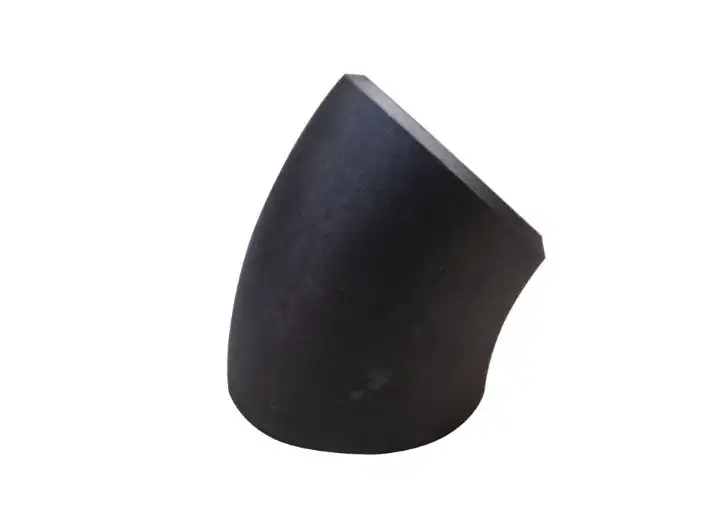
Making durable carbon steel elbows has a big effect on how well they work and how much they cost. Seamless elbows, which are made by hot cutting and mandrel drawing, can withstand more pressure and don't have any weak spots like weld joints do. These parts work great in serious situations where failure would have bad results. Welded elbows are a cheap way to solve many industrial problems. They are made by shaping flat steel into bent pieces and then joining the seams together. Today's welding methods, like buried arc and TIG, make joints that are often as strong as or stronger than the base material. Quality control methods get rid of flaws that could hurt performance and make sure that penetration is always the same.
Standard Bend Angles and Radius Options
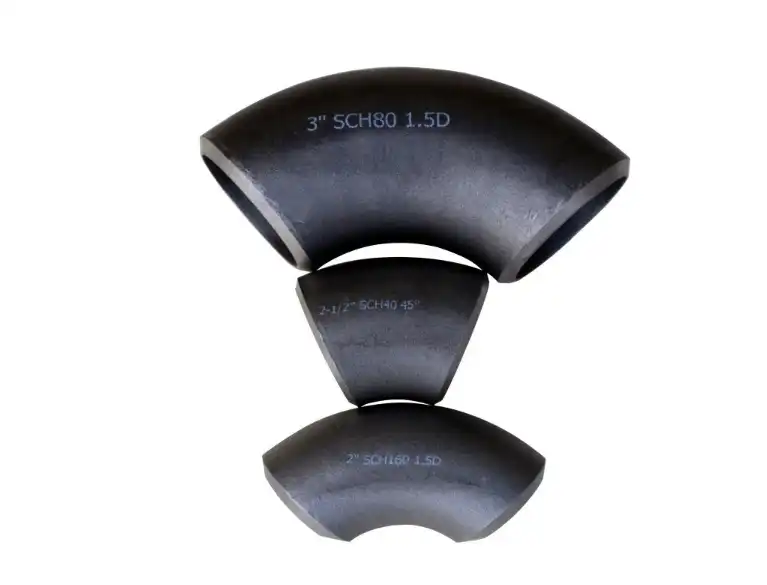
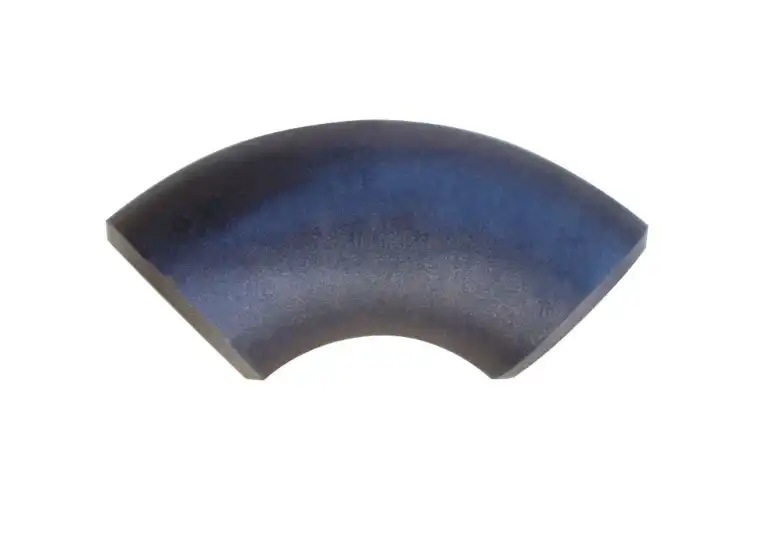
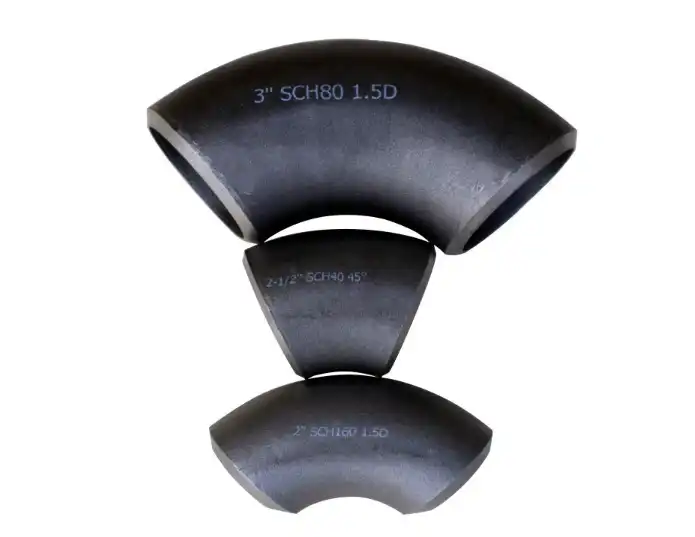
To work with machine plans and limited space, industrial piping systems need to change directions in a number of ways. Most changes in vertical direction can be handled by standard 90-degree elbows. 45-degree elbows, on the other hand, allow for smooth flow changes that reduce pressure losses and noise. Radius specs have a big effect on how flow works and what needs to be done during installation. Long radius elbows, whose central radii are 1.5 times the standard pipe diameter, lower the chance of pressure drops and erosion. Options with short radii (radii equal to the pipe diameter) can be used in tight areas where fitting restrictions limit the amount of space that can be used.
Critical Factors to Consider When Choosing Carbon Steel Elbows
Pressure and Temperature Rating Evaluation
The minimum performance standards for carbon steel bends are set by the way the system works. Pressure values, which can be given in ANSI class numbers or metric versions, must be higher than the highest system pressures by an amount that is safe. At room temperature, Class 150 fittings can handle pressures of up to 285 psi, and Class 2500 parts can handle pressures of more than 6,170 psi. It's not enough to just think about the highest temperatures; you also need to think about the effects of thermal cycles and changes in the properties of materials. Up to 400°C (752°F), most types of carbon steel keep their high level of strength. But being exposed to high temperatures for a long time can change the architecture and make something less reliable in the long run.
Chemical Compatibility and Corrosion Resistance
How the process fluid behaves determines the materials that need to be used and the protective coatings that are needed. When the right conditions are met, carbon steel works very well with fuels, water, and many industrial chemicals under appropriate conditions. But if they are exposed to acids, chlorides, or other harsh chemicals, they might need safe linings or different materials. Surface treatments, cathodic protection, and chemical barriers are some ways to stop corrosion. Hot-dip galvanizing protects for a long time in naval and industrial settings, and epoxy finishes can stand up to chemicals in some situations. Knowing the toxic climate helps protect things better, and guess how long they will last.
Dimensional Specifications and Installation Requirements
The right size makes sure that it works with current pipe systems and has the best flow properties. Nominal pipe size (NPS) labels set the bar for fitting sizes, and schedule numbers tell you how thick the walls need to be. Meeting these requirements avoids startup problems and makes sure that the system works well together. Some things to think about when installing something are how to prepare for welding, how much room you have, and how much help you need. Butt welding is easier with ends that are beveled, and socket weld designs can handle joints with smaller diameters. By knowing these standards during the selection process, you can avoid making changes in the field and cut down on the time it takes to install.
Evaluating Suppliers: How to Source Certified Durable Carbon Steel Elbows?
Quality Certification and Standards Compliance
Suppliers with a good reputation keep full quality management systems that are approved to ISO 9001 standards or similar frameworks. These certifications show that the manufacturing methods and quality control steps are always the same. Extra approvals, like ASME or API, show that the product meets certain standards in the business. Material certificates and test records make it possible to track down materials and check that they work as expected. Mill test papers show the chemical makeup, mechanical features, and size compliance. Results from non-destructive tests, like X-rays and ultrasounds, show that the inside is sound and identify any possible problems.
Manufacturing Capabilities and Technical Support
Durable carbon steel elbows can meet a wide range of customer needs while still keeping quality standards, thanks to advanced manufacturing techniques. Modern shaping tools, computer-controlled machining centers, and automatic welding systems make sure that the quality of the work is always the same. Heat treatment facilities help relieve stress and improve properties for important uses. Professional sellers are different from commodity vendors because they can offer technical help. Engineering consulting services help make the best decisions about which materials to use and how to write specifications. Application knowledge helps customers through difficult decision processes and spots possible performance problems before they impact operations.
Supply Chain Reliability and Global Reach
Deliveries that are always on time and the ability to handle inventory help keep projects on plan and reduce the risk of downtime. Established sellers keep smart amounts of inventory and flexible production capacity so they can meet immediate needs. Having more than one place to make things gives you backup and makes the supply line less vulnerable. Delivery to foreign project places is quick and easy thanks to global distribution networks. Logistics planning by someone with a lot of experience takes care of complicated shipping needs, customs paperwork, and local delivery plans. When working on big projects with tight deadlines, these skills become even more important.
Practical Case Studies: Successful Implementation of Durable Carbon Steel Elbows
High-Pressure Steam Distribution Systems
For its steam distribution network that worked at 550°C and 16 MPa, a big power plant needed long-lasting carbon steel elbow parts. For the selection process, ASTM A234 WP11 alloy steel elbows with long radius shapes were used to keep pressure losses and heat stress concentrations to a minimum. Implementation challenges included thermal expansion accommodation and support structure design. Long radius bends cut down on flow turbulence and erosion while allowing for natural expansion movements. The right stress analysis and support placement kept the system's integrity during temperature changes and kept equipment links from being overloaded. The results showed how important it is to choose the right materials and get help from engineers. The installation met its performance goals and needed very little upkeep over its five-year life. Thermal cycling tests proved that the structure was solid, and regular checks showed that there were no signs of wear and tear or damage from stress.
Chemical Processing Pipeline Networks
For processing hydrocarbons at temperatures up to 450°C and pressures up to 10 MPa, a petrochemical complex needed carbon steel elbows. The materials chosen were mostly ASTM A234 WPB carbon steel, which has more carbon in it to make it stronger at high temperatures. A lot of compatibility testing had to be done on the project to make sure it would work well in the production setting in the long run. Corrosion testing proved that the material was right, and technical testing proved that it would keep its power in real-world use. Custom radius specs made the best use of the room while improving flow characteristics. Performance monitoring over three years of running proved the factors for selection and the supplier's skills. Goals for process speed were met, and inspections showed that there was little wear and tear. Because of the success, more suppliers agreed to work with the company, and standards were standardized for similar uses.
Summary and Buying Recommendations for Industrial Procurement
When choosing long-lasting carbon steel elbow parts, you need to carefully weigh performance needs, cost, and the supplier's abilities. Knowing the features of a material, how it is made, and what it needs for a certain use lets you make smart choices that maximize its long-term value.
Buying durable carbon steel elbow more weight to providers that have strong quality control systems, a lot of professional know-how, and a history of success in similar projects. Professional suppliers are different from commodity suppliers because they have certifications, can test, and offer tech help. Investing in reputable suppliers and high-quality parts lowers the total cost of ownership by making the system work better and needing less upkeep.
A successful implementation relies on detailed specification writing, following the right steps for installation, and keeping an eye on speed all the time. Preventive repair and regular inspections make things last longer and find problems before they get in the way of operations. These practices make sure that the return on investment is high and that the system works safely and reliably throughout its entire lifecycle.
Conclusion
When choosing a durable carbon steel elbow for industrial use, you need to carefully think about the qualities of the material, the performance needs, and the supplier's abilities. To be successful, you need to know what your application needs, check the details of the provider, and follow the right steps for installation and maintenance. Quality parts from trustworthy sources offer long-lasting dependability, operating safety, and cost-effective performance that make the initial investment worthwhile.
FAQ
What makes a carbon steel elbow suitable for high-pressure applications?
High-pressure use relies on the type of material, the thickness of the walls, and the quality of the production. Weld seams aren't weak in seamless construction, and the right heat treatment makes the mechanical qualities better. Standardized performance requirements for a wide range of working situations are given by ANSI pressure class ratings.
How do I determine the correct radius specification for my application?
The choice of radius strikes a balance between flow performance and placement limitations. Long radius elbows take up more room but stop corrosion and pressure loss. Short radius choices can fit in tight spaces, but they may make the flow rougher and require more upkeep. Think about both the hydraulic function and the limitations of the plan.
What quality certifications should I look for in suppliers?
ISO 9001 quality control systems and industry standards like ASME or API approvals are examples of important certifications. Performance can be confirmed with material certificates, dimensional records, and the results of non-destructive tests. Special equipment production licenses show that safety and quality rules are being followed.
Contact Oudi for Premium Durable Carbon Steel Elbow Solutions
Oudi has manufactured premium carbon steel pipe fittings since 1998, serving over 300 customers across 40+ countries with proven expertise in producing durable carbon steel elbow components. Our ISO 9001:2000-certified facility keeps a close eye on the quality of all of its products, from the raw materials to the finished goods. This makes sure that they always work well in tough industry settings. We offer solid solutions for the oil, chemical, and power production industries, with a capacity of 16,000 tons per year and high-tech testing tools. Our expert team offers full support, from creating specifications to helping with installation. Email us at oudi-04@oudiguandao.com to talk about your needs for a durable carbon steel elbow and find out why top industrial companies choose Oudi as their trusted pipe fitting maker and provider.
References
1. American Society of Mechanical Engineers. "ASME B16.9: Factory-Made Wrought Buttwelding Fittings." ASME International Standards, 2018.
2. ASTM International. "ASTM A234: Standard Specification for Piping Fittings of Wrought Carbon Steel and Alloy Steel for Moderate and High Temperature Service." Annual Book of ASTM Standards, 2019.
3. Mohitpour, M., Golshan, H., and Murray, A. "Pipeline Design & Construction: A Practical Approach, Third Edition." American Society of Mechanical Engineers Press, 2007.
4. Nayyar, Mohinder L. "Piping Handbook, Seventh Edition." McGraw-Hill Professional, 2000.
5. Smith, Peter R. "Industrial Pipeline Engineering and Construction." Butterworth-Heinemann Technical Publications, 2016.
6. Walas, Stanley M. "Chemical Process Equipment: Selection and Design." Butterworth-Heinemann Engineering Series, 1990.

Need help finding the right solution with our experts. Please contact us.
SINCE 1998 Your Reliable Pipeline Manufacturer